


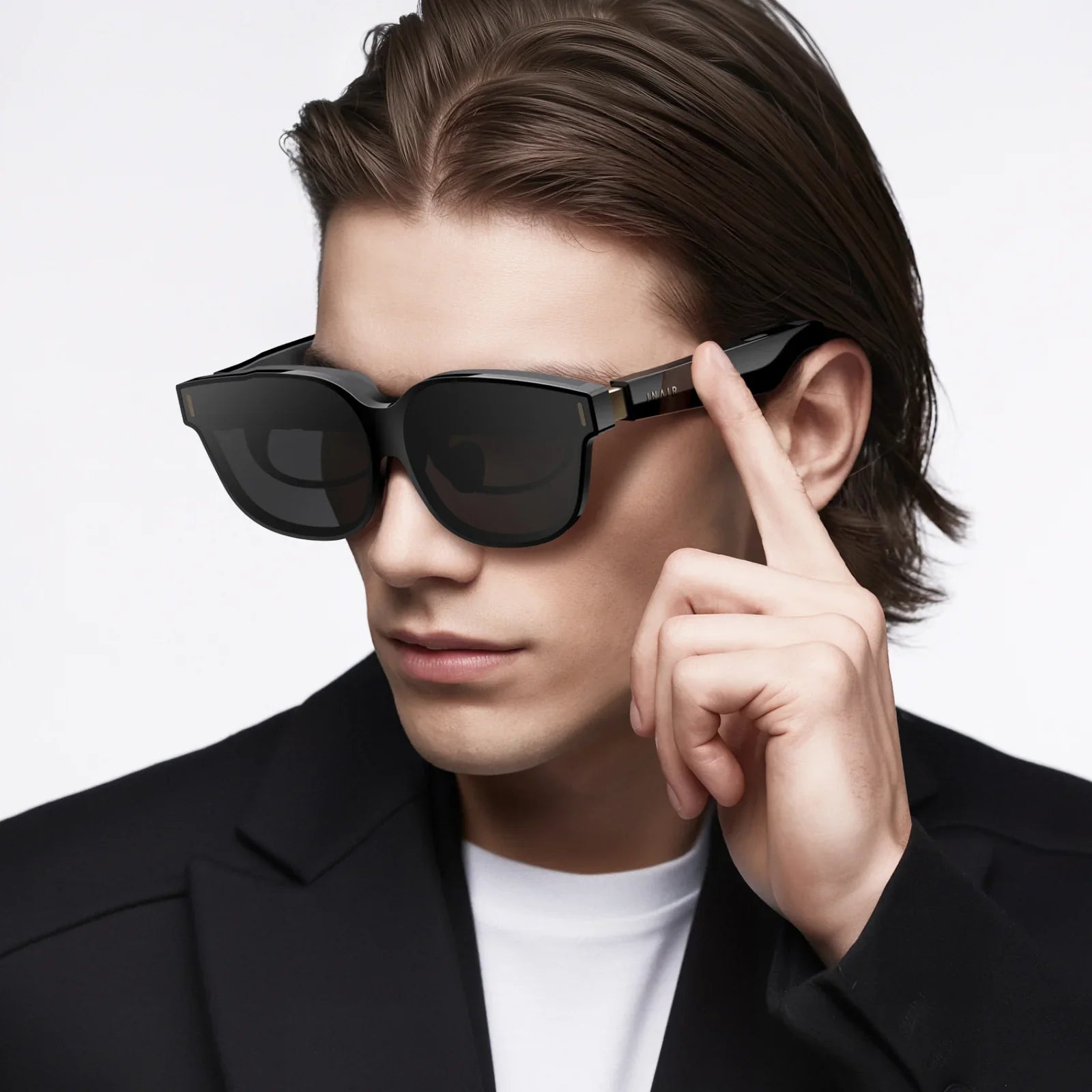
Imagine settling into your favorite chair, ready to dive into a new album, join a critical conference call, or lose yourself in the immersive world of a film. You put on your glasses to see clearly and your headphones to hear perfectly, but within minutes, a familiar, nagging pain begins to bloom behind your ears—a dull ache that steadily grows into a throbbing headache, forcing you to choose between clear vision and immersive sound. This frustrating compromise is a daily reality for millions of glasses wearers worldwide, but it doesn't have to be. The search for the perfect pair of headphones that can coexist peacefully with eyewear is not a futile quest; it is a journey into understanding ergonomics, materials, and design innovation that can finally set you free from audio discomfort.
For those who rely on corrective lenses, the simple act of wearing headphones is often fraught with discomfort. The primary culprit is the interaction between the headband and the temple arms (the side pieces) of your glasses. Traditional headphones exert clamping force to stay securely on your head. This pressure is typically distributed across the sides of the skull. However, when glasses are introduced, their temple arms are pressed between the headphone's ear cup padding and the side of your head. This creates several distinct pressure points:
- The Temporal Ridge: The sensitive area just behind the ear where the skull has a slight ridge. Pressure here can cause immediate and intense pain.
- The Pinna: The external part of the ear itself can be bent or pressed uncomfortably.
- The Side of the Head: Constant pressure can lead to headaches, often mimicking tension headaches.
This compression doesn't just cause pain; it can also break the seal between the ear pad and your head. For over-ear models, especially those designed for noise isolation or with active noise cancellation, this broken seal is catastrophic for audio quality. It allows external noise to leak in and the precious low-frequency sounds (bass) to leak out, resulting in a thin, tinny audio experience that defeats the purpose of a quality listening device. Furthermore, the pressure can cause the glasses' arms to dig into the side of the head, sometimes leading to temporary indentations on the skin and contributing to long-term wear and tear on the glasses frames themselves.
Anatomy of a Glasses-Friendly Headphone
Not all headphones are created equal when it comes to spectacles compatibility. The key to comfort lies in specific design elements that work in harmony to alleviate pressure without sacrificing stability or sound integrity. When evaluating a pair, these are the critical components to scrutinize.
The Headband: Distribution is Everything
The headband's role is to provide the necessary clamping force to keep the headphones secure. The goal for glasses wearers is not to eliminate this force but to distribute it as evenly as possible over a larger area. A wide, well-padded headband is superior to a thin, narrow one. It spreads the load across the top of the skull rather than concentrating it on a single point. Some designs feature a self-adjusting suspension strap, which floats the ear cups and allows for a more customized and less rigid fit. The flexibility of the headband is also crucial; a headband that can be gently bent to better match the shape of your head will reduce the overall clamping pressure needed for a secure fit.
The Ear Cups: The Make-or-Break Interface
This is the most important point of contact. The design, shape, and material of the ear cups and their padding are paramount.
- Ear Cup Shape: Oval and round ear cups tend to create more pressure points around the glasses arms. Larger, oblong, or D-shaped ear cups provide more space and are more likely to encircle the ear without applying direct pressure on the area where the glasses rest.
- Padding Material: Memory foam padding is a game-changer. Unlike standard stiff foam, memory foam is thermo-sensitive and molds itself to the unique contours of your head and glasses arms, creating a custom seal that accommodates the eyewear rather than fighting against it. It acts as a pliable gasket that fills the gaps.
- Padding Depth and Softness: Deep, plush, and soft ear pads are essential. The extra depth ensures that the driver housing inside the cup is kept away from your ear, but more importantly, it provides a thicker, more compressible buffer between the hard headphone structure and your glasses arms. Soft protein leather, velour, or hybrid materials are excellent choices as they are gentle on skin and frame finishes.
Clamping Force: The Goldilocks Zone
Measured in Newtons (N), clamping force is the literal pressure exerted by the headband. A force that is too high will cause discomfort quickly, while a force that is too low will make the headphones feel loose and unstable, often compromising bass response. The ideal pair for a glasses wearer finds a "Goldilocks" zone—just enough force to stay put and maintain a seal, but gentle enough to avoid pain. This is often a characteristic of more premium models, where better materials and construction allow for a secure fit with less brute force.
Navigating Different Headphone Styles
Each primary headphone style presents a different set of pros and cons for the bespectacled user.
Over-Ear (Circumaural)
This style is generally considered the best option for extended, comfortable listening with glasses. By completely encircling the ear, they avoid putting direct pressure on the pinna (the ear itself). The large surface area of the ear pads is their greatest asset, offering the most significant potential for even pressure distribution. The key is to find models with deep, soft padding that can engulf the glasses arm. A well-designed over-ear model with memory foam pads will mold around the arm, creating an effective seal for superior noise isolation and bass response, making them the top recommendation for audiophiles and professionals who wear glasses.
On-Ear (Supra-aural)
On-ear models are the most challenging style for glasses wearers. They rest directly on the pinna, pinning the glasses arms between the hard ear cup and the side of the head. This almost guarantees discomfort within a short period. While some models with exceptionally soft and large pads can be somewhat tolerable, they are generally not advised for long listening sessions. The on-ear design almost always breaks the seal, leading to significant audio leakage and loss of low-end frequencies.
In-Ear (Earbuds and In-Ear Monitors)
In-ear models offer a brilliant, zero-pressure solution. Since they sit inside the ear canal, they completely bypass any interaction with glasses frames. This makes them arguably the most comfortable option from a physical pressure perspective. High-quality models can provide exceptional noise isolation and superb audio fidelity. The potential downsides are personal preference; some users dislike the feeling of having tips inserted into their ears, and fit can vary greatly depending on the tip material (silicone vs. memory foam) and size. For those who prioritize absolute comfort over their glasses, a great pair of in-ear monitors is a perfect choice.
Practical Tips for a Perfect Fit
Beyond choosing the right design, a few simple tricks can dramatically improve comfort.
- Adjust Your Glasses First: Before putting on your headphones, slide your glasses forward slightly on your nose. After the headphones are seated, adjust your glasses back into their optimal position. This often helps the arms settle on top of the ear pad rather than being crushed beneath it.
- Mind the Temple Tips: The material and shape of the end pieces of your glasses arms matter. Soft silicone or rubber tips will compress more easily than hard plastic or metal, offering more comfort.
- Break Them In: New headphones often have a stiffer headband and firmer padding. Gently stretching the headband over a stack of books or a box that's slightly wider than your head for a day or two can reduce the initial clamping force. The pads will also soften with use.
- The 20-Minute Test: Don't judge comfort in the first five minutes. Wear the headphones for at least 20-30 minutes to see if any hot spots develop. This is the true test of long-term wearability.
Prioritizing Your Needs
Your ideal headphone is a balance of several factors. The office worker on back-to-back Zoom calls will prioritize a comfortable, lightweight pair with a excellent microphone. The audiophile at home will seek pristine sound quality and deep, comfortable ear cups. The commuter will need effective noise cancellation and a stable fit. By understanding the points of conflict—the headband and ear cups—you can now deconstruct any product description or review to assess its potential. Look for phrases like "low clamping force," "plush memory foam ear pads," "large oval ear cups," and "comfort for long sessions." Your perfect pair is out there, designed not just for incredible sound, but for the unique shape of you—frames and all.
The era of choosing between seeing your world and hearing it is officially over. The intersection of audio engineering and ergonomic design has finally delivered a symphony of solutions tailored for those of us with four ears. By focusing on the precise points of conflict—the headband's distribution of force and the ear cup's accommodating embrace—you hold the key to unlocking endless hours of comfortable listening. This isn't about finding a workaround; it's about discovering a product that respects your needs from the ground up. Your next listening session awaits, free from distraction and discomfort, where the only thing you'll feel behind your ears is the absence of pain.
Share:
VR Brille iPhone: The Ultimate Guide to Unleashing Your Smartphone's Immersive Potential
VR Headset Recommendations: Your Ultimate Guide to Choosing the Perfect Virtual Reality System