


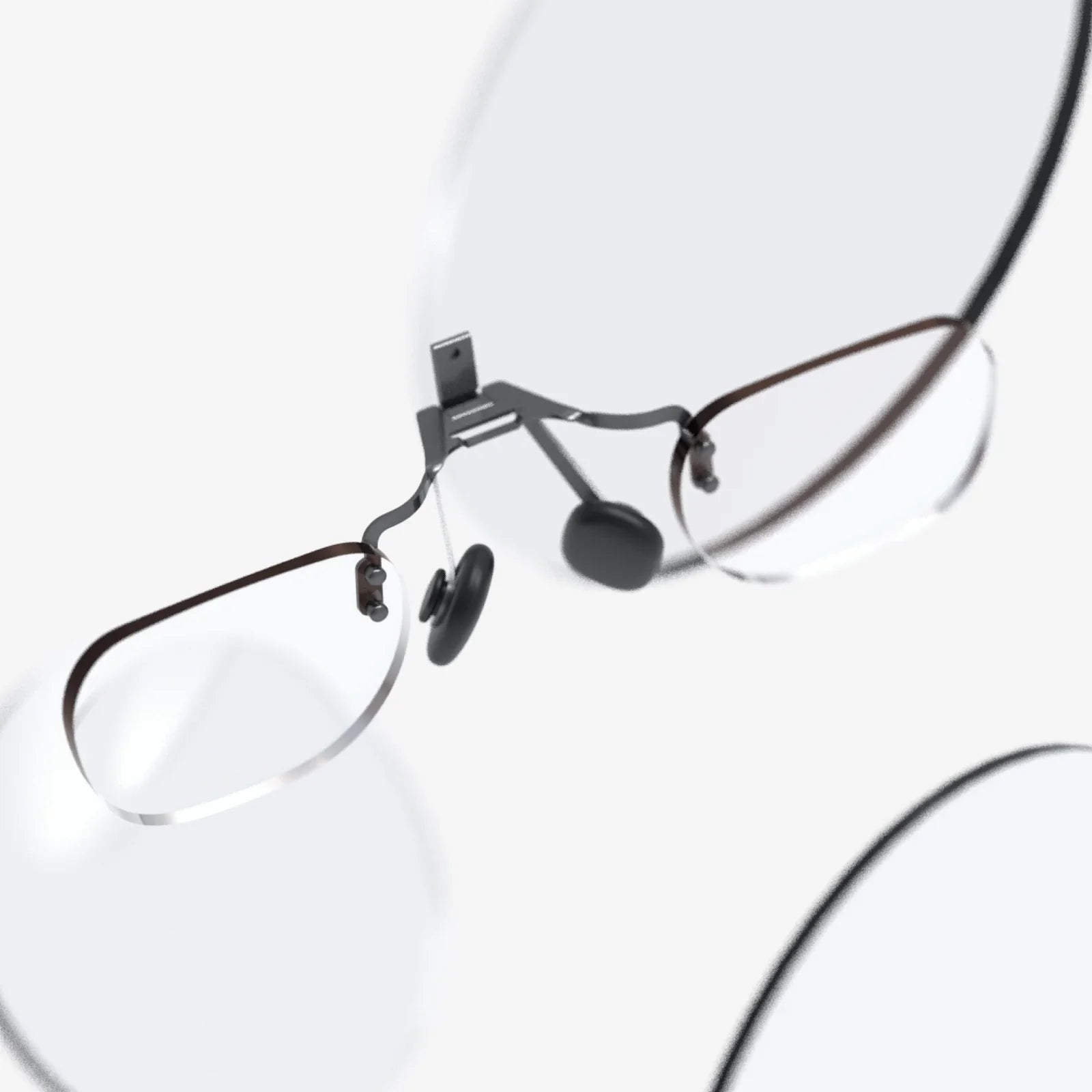
High tech glasses are quietly turning from science fiction into the next must-have everyday device, and the people who understand them early will have a serious advantage in work, learning, and even social life. As screens shrink onto our faces and digital information blends with the physical world, these glasses are poised to change how we see everything from emails and directions to games and medical data. If you have ever wondered whether you will one day replace your phone with a pair of smart frames, now is the time to understand what high tech glasses can really do, what they cannot, and how they might reshape your future.
What Are High Tech Glasses?
High tech glasses are wearable devices that look similar to regular eyewear but contain built-in electronics such as displays, cameras, microphones, speakers, sensors, and wireless connectivity. Their main purpose is to overlay digital information onto your field of view or to capture and process what you see and hear in real time.
While designs vary, most high tech glasses aim to deliver one or more of the following capabilities:
- Augmented reality (AR): Projecting digital images, text, or icons into your visual field so they appear to float in the real world.
- Hands-free interaction: Using voice commands, head movements, or subtle touch gestures on the frame or temple instead of a handheld screen.
- Context-aware assistance: Using sensors such as cameras, GPS, and motion detectors to understand where you are and what you are doing, then providing relevant information.
- Continuous connectivity: Staying linked to your phone or the internet for notifications, navigation, calls, and apps.
Think of high tech glasses as a new interface layer on top of the world you already see, one that can guide, inform, and sometimes entertain you without forcing you to look down at a phone or sit in front of a computer.
Key Technologies Inside High Tech Glasses
To understand what makes these devices powerful, it helps to break down the core technologies that drive them.
Display Systems
The display is the heart of high tech glasses. Common approaches include:
- Waveguide displays: Transparent optical elements that channel light from a tiny projector into your eyes, allowing digital images to appear as if they are floating in front of you while still seeing the real world.
- Micro-OLED or micro-LED panels: Extremely small, high-resolution displays that can deliver sharp text and vivid colors in a compact space.
- Projection on lenses: Some designs project information directly on or within the lens, creating a heads-up display effect.
The challenge for designers is to make images bright enough to see in daylight, yet comfortable for long-term use, without making the glasses bulky or heavy.
Sensors and Cameras
High tech glasses rely on a variety of sensors to understand the environment and the wearer:
- Forward-facing cameras: Capture photos, video, or visual data for computer vision tasks like object recognition or translation.
- Inward-facing sensors: Sometimes used for eye tracking, measuring where you look to control menus or focus information.
- Motion sensors: Accelerometers, gyroscopes, and sometimes magnetometers detect head movements and orientation.
- GPS and location services: Allow navigation, local search, and contextual information based on where you are.
Combined, these components let the glasses respond intelligently to your surroundings rather than simply acting as a tiny floating screen.
Processing Power and Connectivity
Modern high tech glasses often include:
- Onboard processors: Miniature chips that handle graphics, sensor fusion, and basic AI tasks locally.
- Wireless connectivity: Bluetooth and Wi-Fi to link with smartphones, computers, and cloud services.
- Edge AI capabilities: Some glasses can run machine learning models directly on the device for tasks like speech recognition or object detection without constant internet access.
Balancing power, heat, and battery life is a constant engineering challenge. The more powerful the device, the more energy it consumes and the more heat it generates, which must be managed in a small, face-mounted form factor.
Audio and Interaction
High tech glasses also need intuitive ways for you to interact with them:
- Microphones: Capture voice commands and support phone calls or virtual meetings.
- Speakers or bone conduction: Deliver audio without blocking your ears, allowing you to stay aware of your surroundings.
- Touch controls: Many frames include swipe or tap-sensitive areas on the temples.
- Gesture recognition: Some systems interpret head nods, hand motions, or even subtle facial expressions.
The most successful designs are those that feel natural and low-effort, so you can use them throughout the day without feeling like you are constantly fiddling with a gadget.
Everyday Uses Of High Tech Glasses
High tech glasses are not just for enthusiasts and early adopters; they are steadily gaining practical uses in everyday life. Here are some of the most compelling scenarios.
Navigation and Travel
Imagine walking through a new city and seeing arrows and street names floating in front of you, guiding you turn by turn without needing to pull out your phone. High tech glasses can:
- Overlay walking directions directly on sidewalks and intersections.
- Highlight landmarks, restaurants, and transit stops as you look at them.
- Translate signs in real time, replacing foreign text with your own language in your field of view.
For travelers, this means less time staring at maps and more time actually experiencing the place you are visiting.
Work And Productivity
In an office or remote work setting, high tech glasses can free you from traditional screens:
- Display floating virtual monitors that only you can see, giving you a multi-screen setup anywhere.
- Show notifications and messages discreetly without interrupting meetings.
- Offer hands-free note-taking by transcribing speech into text in real time.
For knowledge workers, this can mean a more flexible workspace, while for field workers, the benefits are even more dramatic.
Field Work, Maintenance, And Industry
In industrial, construction, or repair environments, high tech glasses can transform how tasks are performed:
- Technicians can see step-by-step instructions overlaid on machinery as they work.
- Remote experts can see what a worker sees through the glasses and guide them in real time.
- Inspection checklists and safety warnings can appear exactly where and when they are needed.
This reduces errors, shortens training time, and improves safety by keeping workers hands-free and focused on their tasks.
Education And Training
High tech glasses are also emerging as powerful educational tools:
- Students can explore interactive 3D models of molecules, historical artifacts, or mechanical systems in their actual classrooms.
- Medical trainees can see anatomical overlays during practice procedures.
- Language learners can see vocabulary labels appear on objects around them.
By combining real-world context with digital enhancements, learning can become more immersive and memorable.
High Tech Glasses In Healthcare And Accessibility
One of the most meaningful impacts of high tech glasses is in healthcare and assistive technology.
Support For Visual Impairments
For people with low vision, high tech glasses can provide:
- Magnification of distant or small objects.
- High-contrast overlays to make text and edges easier to see.
- Object recognition and spoken descriptions of what the camera sees.
- Text-to-speech reading of printed materials in real time.
These capabilities can significantly increase independence for users who would otherwise rely on larger devices or human assistance.
Real-Time Translation And Communication
For people who are deaf or hard of hearing, high tech glasses can:
- Display real-time captions of spoken conversations.
- Show alerts and notifications visually rather than audibly.
- Offer sign language recognition or guidance in some experimental systems.
By turning sound into visual information, these devices help bridge communication gaps in both personal and professional settings.
Medical Professionals And Telemedicine
Healthcare providers can also benefit from high tech glasses:
- Surgeons may view patient data, imaging, or guidance overlays without looking away from the operative field.
- Emergency responders can access protocols, drug dosages, and vital information hands-free at the scene.
- Remote specialists can join procedures virtually by seeing a first-person view from the glasses and advising in real time.
These uses can improve accuracy, speed, and collaboration in high-pressure medical environments.
Entertainment, Gaming, And Social Experiences
Beyond work and health, high tech glasses open new possibilities for fun and social interaction.
Augmented Reality Gaming
With high tech glasses, games can spill into the real world:
- Characters and objects can appear in your living room, park, or city streets.
- Multiplayer games can synchronize shared virtual elements for everyone wearing compatible glasses.
- Fitness and exploration games can reward you for moving through real environments.
Instead of being confined to a flat screen, gaming becomes a physical, social experience that blends with daily life.
Media And Immersive Storytelling
High tech glasses can enhance how you consume media:
- Virtual screens can appear as large as a home theater while you sit on a train or in a small room.
- Interactive stories can respond to where you look and how you move.
- Live events, such as concerts or sports, can include extra layers of stats, camera angles, or backstage perspectives.
This allows content creators to design experiences that feel more personal and interactive than traditional video.
Social Interaction And Communication
High tech glasses also have the potential to change how people connect:
- Friends or colleagues can share virtual objects or notes pinned to real-world locations.
- Avatars or digital effects can appear during video calls, making conversations more expressive.
- Shared AR experiences, like collaborative art or puzzles, can bring people together even when they are physically apart.
However, these benefits come with questions about etiquette and privacy when cameras and displays are involved in everyday social spaces.
Design Challenges And Limitations
Despite their promise, high tech glasses face several practical hurdles before they become as common as smartphones.
Comfort, Style, And Social Acceptance
To be worn all day, glasses must be:
- Lightweight enough not to cause discomfort or pressure on the nose and ears.
- Stylish enough that wearers feel confident in public and professional settings.
- Subtle enough that they do not draw unwanted attention.
Bulky designs with obvious cameras or lights can make people around the wearer uneasy, so achieving a discreet look is crucial for social acceptance.
Battery Life And Performance
Continuous display use, camera streaming, and wireless connectivity drain power quickly. Designers must balance:
- Battery size and weight versus comfort and appearance.
- Performance and brightness versus heat and energy consumption.
- Always-on features versus the need for frequent recharging.
Until battery technology improves further, users may need to accept trade-offs, such as limited operating time or partial feature use throughout the day.
Visual Comfort And Safety
Projecting digital content in front of the eyes introduces visual challenges:
- Improper focus or alignment can cause eye strain or headaches.
- Bright overlays in low-light conditions can be distracting or disorienting.
- Using AR while walking or driving may increase accident risk if not carefully managed.
Responsible designs limit distracting elements during critical tasks and provide options to quickly disable overlays when necessary.
Privacy, Security, And Ethical Questions
High tech glasses raise serious privacy and ethics concerns that cannot be ignored.
Recording And Surveillance Concerns
Because many glasses include cameras and microphones, people around the wearer may worry about being recorded without consent. Key questions include:
- How obvious is it when the device is recording?
- Where is the captured data stored, and for how long?
- Can third parties access live feeds or saved recordings?
Transparent indicators, clear policies, and social norms will be necessary to avoid creating a culture of constant, invisible surveillance.
Data Collection And Profiling
High tech glasses can gather detailed information about what you see, where you go, and how you interact with the world. This data could be used to:
- Personalize content and advertising based on your surroundings.
- Analyze your habits, preferences, and social circles.
- Train AI models on large-scale visual and behavioral data.
Without strong protections and user control, such data collection can lead to intrusive profiling and potential misuse by organizations or malicious actors.
Bias And Fairness In AR Experiences
If high tech glasses rely on AI to recognize faces, objects, or locations, they may inherit biases from their training data. This can result in:
- Unequal recognition accuracy across different demographic groups.
- Mislabeling or misidentifying people or objects.
- Reinforcement of stereotypes through the information presented.
Developers and regulators will need to address fairness, transparency, and accountability in how AR systems interpret and augment the world.
How To Decide If High Tech Glasses Are Right For You
If you are considering adopting high tech glasses, it helps to think through your goals and constraints before diving in.
Clarify Your Primary Use Cases
Start by asking what you actually want the glasses to do:
- Do you need hands-free instructions for technical work or DIY projects?
- Are you looking for a portable multi-screen setup for productivity?
- Is your focus on fitness, navigation, or travel assistance?
- Are you seeking accessibility features for hearing or vision support?
Different designs prioritize different functions. Knowing your priorities will help you choose hardware and software that truly match your needs.
Consider Comfort And Lifestyle Fit
Think about how the glasses will fit into your daily routine:
- Will you wear them all day, or only for specific tasks?
- Do you already wear prescription lenses, and if so, can the device accommodate them?
- Are you comfortable with visible technology on your face in social or professional settings?
Trying similar form factors, even if they are not high tech, can give you a sense of what weight and style you can comfortably tolerate.
Evaluate Privacy And Data Policies
Before committing to any ecosystem, examine how your data will be handled:
- Are recordings and sensor data processed locally or in the cloud?
- Can you easily control or delete stored information?
- What options exist to disable cameras or microphones?
Choosing solutions that respect your privacy and offer clear controls will reduce long-term risk and anxiety.
Preparing For A Future Filled With Augmented Vision
High tech glasses are still evolving, but the direction is clear: digital information will increasingly live in our field of view rather than on distant screens. Over the next decade, you can expect:
- More comfortable, lightweight designs that look almost indistinguishable from regular eyewear.
- Improved displays with higher brightness, better color, and wider fields of view.
- Stronger integration with phones, computers, vehicles, and smart environments.
- Richer app ecosystems that cover everything from work and education to fitness and entertainment.
Understanding these trends now will help you make better choices about how and when to adopt the technology.
High tech glasses are not just another gadget; they are a new way of seeing and interacting with the world that could eventually rival the impact of smartphones. Whether you plan to use them for work, accessibility, creativity, or simply to stay ahead of the curve, the decisions you make today about privacy, design, and use cases will shape your experience for years to come. By staying informed and intentional, you can turn this emerging wave of augmented vision into a powerful advantage rather than a passing novelty, and you might find that the most important screen in your life is no longer in your pocket, but right in front of your eyes.
Share:
Screen Eyewear for Modern Life: Protect Your Vision in a Digital World
Internal Speaker Essentials: How Built-In Audio Shapes Your Everyday Experience