


Imagine slipping on a headset and instantly being transported to a front-row seat at a concert on the other side of the world, to a meticulously recreated ancient Roman forum for a history lesson, or to a fully immersive training simulation that prepares you for a high-stakes surgical procedure. This is no longer the stuff of science fiction; it is the burgeoning reality powered by virtual reality (VR) technology. But to truly grasp the seismic shift this represents, one must first ask a critical question: just how big is the virtual reality market, and what forces are propelling its exponential expansion from a niche gaming curiosity to a foundational technology of the future?
Defining the Digital Frontier: More Than Just Headsets
Before quantifying the market, it's essential to define its boundaries. The virtual reality market encompasses far more than the hardware one wears on their face. It is a vast, interconnected ecosystem comprising several key segments:
- Hardware: This includes all physical devices: head-mounted displays (HMDs), both tethered and standalone, input devices like motion controllers, haptic feedback gloves and suits, and tracking systems that map user movement into the digital world.
- Software: The lifeblood of the ecosystem. This segment covers the operating systems that run VR platforms, the game engines used to create experiences, and the vast array of applications and content itself—from games and enterprise training modules to social platforms and creative tools.
- Content and Services: This is the value proposition. It includes content creation and distribution, platform subscription fees, live event streaming, and professional services like system integration and consulting for businesses adopting VR solutions.
Furthermore, VR is often analyzed alongside its sibling technology, augmented reality (AR), under the umbrella term extended reality (XR). While AR overlays digital information onto the real world (think navigation arrows on your car windshield), VR creates a completely synthetic, immersive environment. The markets are distinct but related, with many companies operating in both spaces.
The Numbers: A Market of Staggering Scale and Growth
So, to the central question: how big is it? The figures from leading market research firms paint a picture of a market that has moved firmly into the mainstream and is on a steep, upward trajectory.
Globally, the VR market was valued at approximately $22 billion to $28 billion in 2023. However, its compound annual growth rate (CAGR) is what truly signifies its potential. Projections consistently show a CAGR of between 15% and 30% over the next five to ten years. This aggressive growth would see the market balloon to a staggering $100 billion to over $200 billion by the end of the decade, with some analysts offering even more optimistic forecasts.
This growth is not uniform across all segments. The hardware segment, while massive, is increasingly being complemented and, in the long run, may be surpassed by software and services as the primary revenue drivers. As the installed base of headsets grows, the economic activity will inevitably shift towards monetizing that user base through content, subscriptions, and enterprise applications.
The Engine Room: Key Drivers Fueling the Expansion
This explosive growth is not happening in a vacuum. It is being propelled by a powerful confluence of technological advancement, declining costs, and expanding use cases that extend far beyond entertainment.
1. Technological Leapfrogging
The clunky, low-resolution, and nausea-inducing headsets of the past have given way to sleek, powerful, and comfortable devices. Key improvements include:
- Higher Resolution Displays: 4K+ per eye resolutions drastically reduce the "screen door effect," creating crisper, more believable visuals.
- Inside-Out Tracking: Modern headsets use built-in cameras to track movement, eliminating the need for external sensors and making setup effortless, which is crucial for mass adoption.
- Advanced Haptics: The development of sophisticated haptic gloves and vests allows users to "feel" virtual objects, adding a critical layer of immersion that was previously missing.
- Standalone Freedom: All-in-one headsets, powered by mobile chipsets, have untethered users from powerful PCs, making VR more accessible, affordable, and convenient.
2. The Metaverse Vision
While the concept is often overhyped, the industry-wide push towards the metaverse—a persistent network of interconnected 3D virtual worlds—has acted as a massive catalyst. Major investments from technology giants are predicated on the belief that VR headsets will be the primary gateway into these future digital spaces, whether for work, socializing, or commerce. This long-term vision has justified billions in R&D spending and market expansion.
3. Enterprise Adoption: The Silent Revolution
While consumer gaming grabs headlines, the enterprise sector is arguably the most robust and profitable segment of the VR market today. Businesses are leveraging VR for:
- Training and Simulation: From training surgeons and pilots to preparing retail employees for Black Friday, VR provides a safe, scalable, and cost-effective environment to practice complex and dangerous tasks. The ROI is clear: reduced training costs, improved retention, and fewer errors.
- Design and Prototyping: Automotive, aerospace, and architecture firms use VR to create and collaborate on 3D models in life-size scale, identifying design flaws long before physical prototypes are built, saving millions.
- Remote Collaboration: Engineers from different continents can stand inside a virtual engine model together, and architects can walk clients through an unbuilt house, revolutionizing remote work and collaboration.
4. Plummeting Costs and Increased Accessibility
The first high-end VR systems required a $2,000+ gaming PC in addition to a $800 headset. Today, a high-quality, fully functional standalone headset can be purchased for a few hundred dollars, placing it in the same price range as a modern game console. This dramatic reduction in the barrier to entry has opened the floodgates to a much larger audience.
Navigating the Currents: Challenges and Hurdles
Despite the optimistic projections, the path to a trillion-dollar VR market is not without its obstacles. Several significant challenges remain:
- Content Gap: For the consumer market, the perennial question remains: "What do I do with it?" While a handful of flagship games exist, there is still a need for a continuous pipeline of must-have, killer apps that justify the hardware purchase for the average consumer, not just the enthusiast.
- User Experience (UX) Friction: Despite improvements, headsets can still be uncomfortable for extended wear, and the act of putting one on still creates a barrier between the user and their physical environment. Battery life remains a limitation for standalone devices. Achieving the comfort and convenience of a pair of sunglasses remains a long-term goal.
- Social Stigma and Health Concerns: The isolating nature of being fully immersed in a headset and the potential for eye strain, motion sickness (cybersickness), and psychological effects are concerns that the industry must continue to address through better design and public education.
- Interoperability: The current VR landscape is somewhat walled, with different hardware platforms operating their own closed stores and ecosystems. For the metaverse vision to truly succeed, a greater degree of interoperability and open standards will be required.
Gazing into the Crystal Ball: The Future is Immersive
The trajectory of the VR market points towards deeper integration into our professional and personal lives. Future developments will likely include:
- The Rise of AR/VR Fusion: The lines between AR and VR will blur with the advent of passthrough AR, where high-resolution cameras on a VR headset allow the real world to be visible and then augmented, creating mixed reality (MR) experiences. This could ultimately lead to a single device that handles all XR needs.
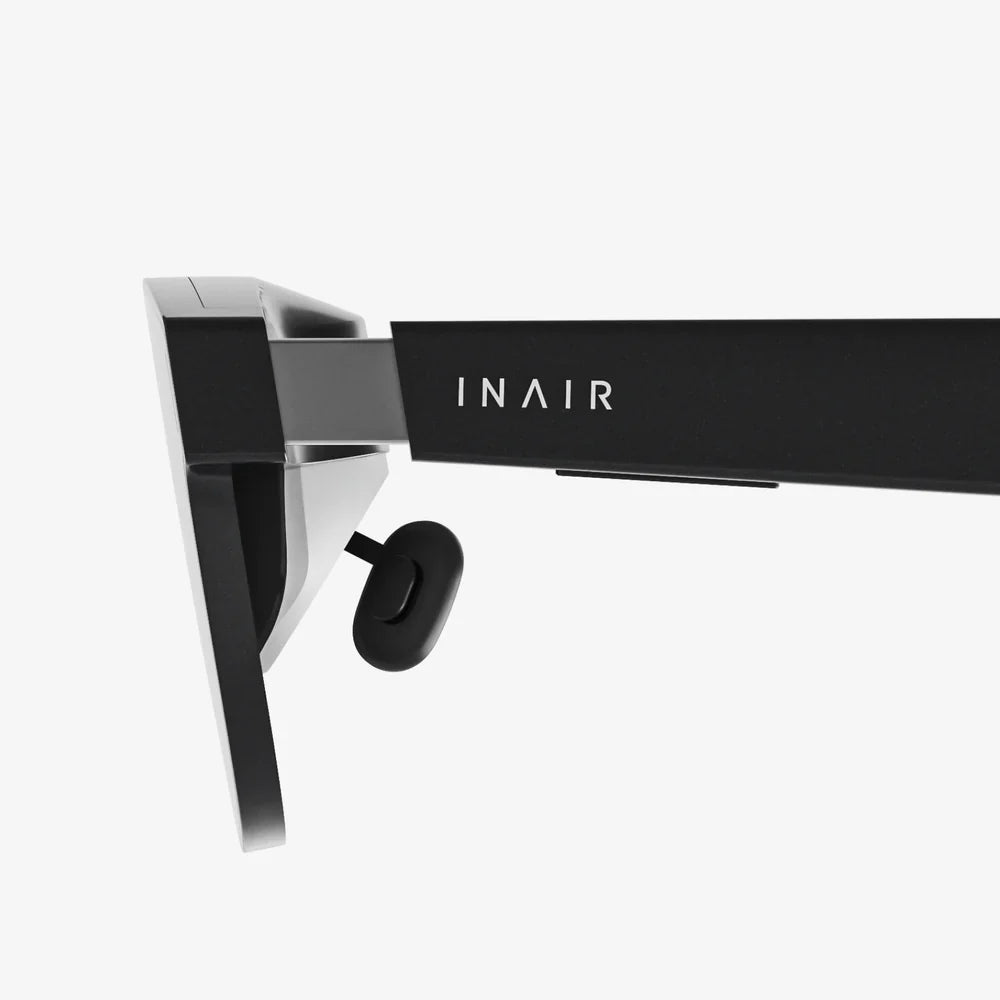
- Lightweight Form Factors: The eventual shift from today's headsets to sleeker glasses-style wearables will be a game-changer for all-day usability and social acceptance.
- AI-Powered Worlds: Artificial intelligence will be used to generate dynamic, responsive, and infinitely varied virtual environments and characters, moving beyond pre-scripted experiences.
- Neural Interfaces: Looking even further ahead, research into direct brain-computer interfaces could ultimately bypass screens and controllers altogether, offering the ultimate immersive experience.
The question of how big the virtual reality market is can be answered with a concrete number today, but its true significance lies in its trajectory. It is a market transitioning from its infancy into a period of explosive, world-changing growth. It is the hardware and software foundation upon which new forms of human connection, productivity, and experience are being built. The headset is not just a gaming peripheral; it is the emerging window to a new digital frontier, and the world is rushing to look through it.
Share:
Virtual Reality Effects on Eyes: A Deep Dive Into the Digital Frontier
The Current State of Virtual Reality: A Deep Dive into the Evolving Metaverse