


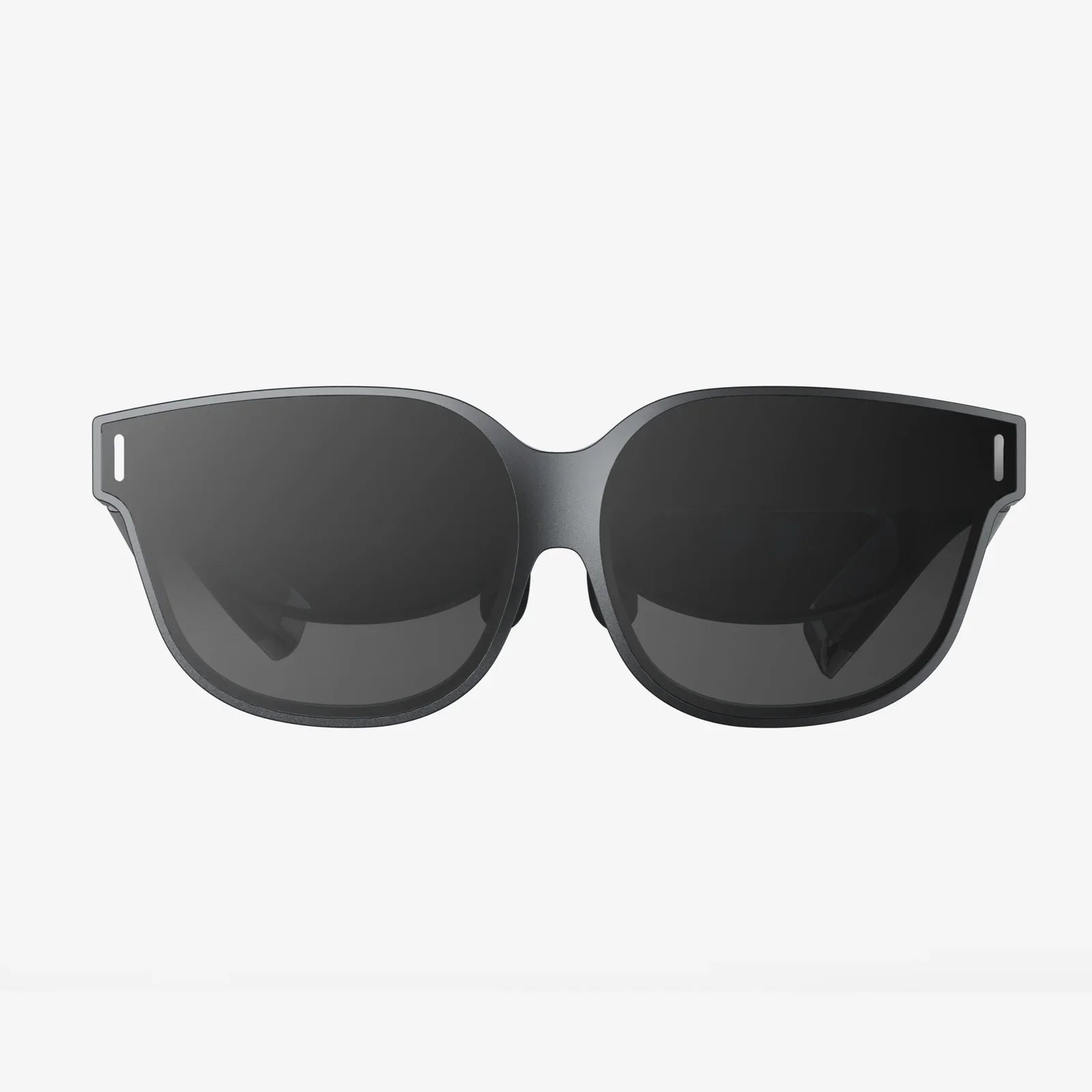
Imagine a world where information flows seamlessly into your field of vision, where digital assistants whisper in your ear without a visible device, and where the line between the physical and digital realms blurs into a single, augmented experience. This is the promise of modern AI glasses, a wearable revolution that hinges on one critical, often overlooked aspect: their ability to stay relentlessly connected, no matter where you roam. The magic isn't just in the displays or the artificial intelligence; it's in the invisible, persistent tether to the cloud, to other devices, and to the global network that empowers them all. The question of how these sophisticated wearables manage this feat is a deep dive into the cutting edge of mobile connectivity, miniaturization, and intelligent network management.
The Connectivity Trinity: Wi-Fi, Bluetooth, and Cellular
At their core, AI glasses are not monolithic devices but rather orchestrators of a symphony of wireless technologies. Unlike a smartphone that can afford a larger antenna array and a bigger battery, glasses are constrained by extreme size, weight, and power (SWaP) limitations. Engineers overcome this by employing a multi-radio system where each technology plays a specific and complementary role.
Bluetooth: The Personal Area Network Lifeline
The most common and power-efficient connection for AI glasses is Bluetooth, specifically the low-energy variants (BLE). This serves as the primary, short-range bridge to your smartphone. By tethering to your handset, the glasses effectively piggyback on its robust cellular modem, Wi-Fi capabilities, and established internet connection. This method is incredibly efficient as it allows the glasses to offload the most power-intensive connectivity tasks—maintaining a cellular link—to the device you already carry. The glasses handle the AI processing, sensing, and display, while the phone acts as its gateway to the wider world, streaming data and receiving commands with minimal latency.
Wi-Fi: The High-Bandwidth Workhorse
When a user is stationary—in an office, home, or airport lounge—AI glasses can intelligently switch to a known Wi-Fi network. This provides a high-bandwidth pipeline essential for data-intensive tasks like streaming high-definition video, downloading large AR assets, or performing complex cloud-based AI computations. Modern glasses support multi-band Wi-Fi (2.4GHz and 5GHz, with 6GHz on the horizon), allowing them to find the least congested channel for a stable connection. Advanced models may even support Wi-Fi 6E, which offers lower latency and higher efficiency, crucial for real-time augmentation.
Cellular: The Ultimate On-the-Go Freedom
For true untethered independence, standalone cellular connectivity is the holy grail. This is achieved through the integration of an eSIM (embedded SIM) and a miniaturized cellular modem directly into the frames of the glasses. An eSIM is a digital SIM that allows a device to activate a cellular plan without requiring a physical nano-SIM card, saving crucial space. This enables the glasses to connect to 4G LTE and 5G networks directly, completely bypassing the need for a smartphone. Whether you're on a morning run, navigating a new city, or working on a remote job site, your AI glasses maintain a constant, low-latency link to the internet, enabling live translations, navigation overlays, and real-time information retrieval anywhere with network coverage.
Intelligent Network Switching and Seamless Handoff
Merely having multiple radios is not enough. The true intelligence lies in the software and firmware that manages them. AI glasses operate a sophisticated connectivity stack that continuously monitors signal strength, bandwidth requirements, and power consumption.
An onboard connectivity co-processor or a dedicated subsystem within the main chipset makes real-time decisions. For example:
- If you are watching a video at home on Wi-Fi and walk out the door, the glasses will sense the dropping Wi-Fi signal and seamlessly hand off the connection to your phone's Bluetooth tether or to its own cellular connection without interrupting the stream.
- If a task requires heavy data usage (e.g., uploading a recorded video), the glasses might wait until a stable Wi-Fi network is available to conserve cellular data and battery life.
- They can prioritize a low-power Bluetooth connection for basic notifications and only activate the more power-hungry cellular or Wi-Fi radios when a high-bandwidth task is initiated.
This dynamic, context-aware switching is vital for providing a smooth user experience and maximizing battery life, ensuring the glasses don't disconnect at a critical moment.
Overcoming the Physical Challenges: Antenna Design and Power
Integrating multiple antennas into a device the size and shape of eyeglass frames is a monumental engineering challenge. Metal frames can interfere with signals, and there's simply no room for traditional antenna designs. Manufacturers employ innovative solutions:
- Composite Materials: Using materials like polycarbonate or specialized composites that are radio-transparent for key sections of the frame, allowing signals to pass through unimpeded.
- Structural Antennas: Turning the frame itself into the antenna. Thin metal elements or conductive inks are printed or embedded directly into the temples and browline, transforming the entire structure into a multi-band antenna system.
- Beamforming: For Wi-Fi and 5G, advanced techniques like beamforming are used. This technology focuses the wireless signal in a specific direction towards the router or cell tower instead of broadcasting it in all directions, improving signal strength and efficiency while reducing power output and interference.
Power management is equally critical. These devices are powered by tiny batteries, often housed in the temples. Every milliwatt of power saved on connectivity extends usable battery life. This is achieved through ultra-low-power radio chips, aggressive sleep modes (where radios power down milliseconds after completing a data transfer), and the AI-driven network switching mentioned above.
Beyond Traditional Networks: Peer-to-Peer and Satellite Links
The future of connectivity for AI glasses extends beyond cell towers and Wi-Fi routers. Two emerging technologies are poised to play a significant role:
Peer-to-Peer Meshing
Some prototypes are exploring peer-to-peer (P2P) mesh networking protocols. In this scenario, multiple pairs of AI glasses could connect directly to each other, creating a local area network without any central infrastructure. This would be revolutionary for collaborative tasks on a factory floor, at a concert, or in a classroom, allowing for direct sharing of data, annotations, and experiences between users.
Satellite Connectivity
For adventurers, first responders, and those in extremely remote areas, emerging satellite communication technologies are beginning to trickle down to consumer devices. Future generations of AI glasses could incorporate satellite SOS capabilities or even basic messaging services, ensuring a lifeline of connectivity exists virtually anywhere on the planet. While currently power-intensive, miniaturization will eventually make this a standard feature for pro-level models.
Security and Privacy in a Always-Connected World
With constant data transmission and reception, security is paramount. AI glasses incorporate enterprise-grade encryption for all data in transit, whether over Bluetooth, Wi-Fi, or cellular. Secure boot processes, hardware-based security enclaves, and regular over-the-air (OTA) firmware updates ensure the device itself is protected from vulnerabilities. Furthermore, user privacy is maintained through physical indicators like LED lights that clearly signal when recording or streaming is active, giving both the wearer and those around them transparency.
The seamless connectivity of AI glasses is a ballet of hardware and software, a testament to miniaturization and intelligent design. It’s a complex dance of radios, antennas, and algorithms working in unison to cut the cord without sacrificing reliability or battery life. They don't just handle connectivity; they master it, creating an always-present, context-aware portal to the digital world that feels less like using a device and more like harnessing a superpower. This invisible tether is what transforms a clever piece of hardware into a truly transformative platform for augmented living, promising a future where we are no longer tied to screens but are freely enhanced by the information that connects us all.
Share:
Monitor Screen Glasses: The Ultimate Guide to Protecting Your Eyes in the Digital Age
AR VR Wearables News Today: The Dawn of a Seamless Digital Reality