


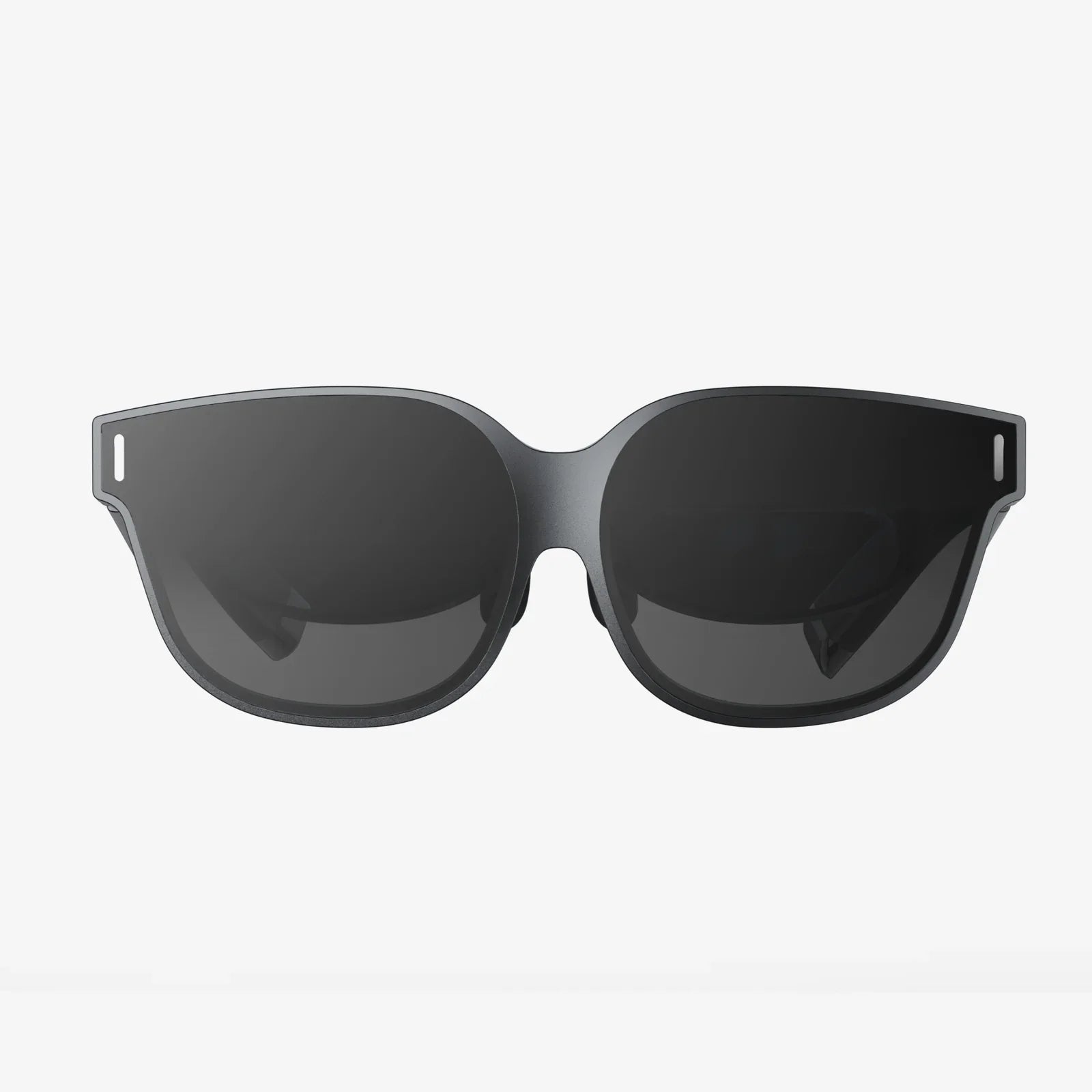
If you have ever asked yourself, "how do I adjust nose pads on glasses" while rubbing sore marks on your nose or pushing slipping frames back up for the hundredth time, you are not alone. Properly adjusted nose pads can transform uncomfortable eyewear into a pair of glasses you hardly notice you are wearing. With a few simple techniques and the right precautions, you can fine-tune your nose pads at home, improve comfort, and make your glasses look and feel like they were custom-made for you.
In this detailed guide, you will learn exactly how to adjust nose pads on glasses safely, how to avoid breaking your frames, how to recognize when professional help is needed, and how to fix common problems like slipping, pinching, uneven lenses, and deep red marks on the sides of your nose. Whether your frames are metal, plastic, or a hybrid style, understanding nose pad adjustment can save you time, money, and a lot of discomfort.
Why Nose Pad Adjustment Matters More Than You Think
Nose pads are a small part of your glasses, but they play a huge role in how your frames feel and function. Poorly adjusted nose pads can cause more than just annoyance; they can lead to headaches, skin irritation, and even affect how well you see through your lenses.
Comfort and Pressure Distribution
When nose pads are too tight, they dig into the skin, leaving red marks and sometimes even pain by the end of the day. When they are too wide, your glasses slide down your nose, forcing you to constantly push them back up. Proper adjustment spreads the weight of your glasses evenly across the nose, reducing pressure points.
Lens Position and Vision Quality
Nose pads control how high or low your glasses sit on your face and how close the lenses are to your eyes. This matters because:
- The optical center of the lens is designed to align with your pupils.
- Progressive and bifocal lenses require very precise positioning.
- Even single-vision lenses can feel “off” if the glasses sit too low, too high, or tilted.
Small changes in nose pad angle can shift the lenses enough to affect clarity and cause eye strain.
Stability and Daily Wear
Properly adjusted nose pads help keep glasses stable when you walk, talk, or look down. This is especially important if you:
- Work at a computer for long hours.
- Read frequently.
- Are active or move around a lot during the day.
- Wear heavier lenses.
Stable glasses feel more natural and require less fidgeting and adjusting throughout the day.
Know Your Frame Type Before You Adjust
Before you answer the question "how do I adjust nose pads on glasses" for your own pair, you need to understand what kind of frame you have. Not all glasses have adjustable nose pads, and not all nose pads adjust in the same way.
Metal Frames with Traditional Nose Pads
Most metal frames have separate nose pads mounted on small metal arms, often called pad arms. These are usually adjustable. The nose pads themselves are often made of silicone or another soft material, attached to the pad arm with a small screw or a snap-in mechanism.
These are the easiest type to adjust at home because the pad arms can be gently bent to change the angle, width, and height of the nose pads.
Plastic or Acetate Frames with Fixed Bridges
Many plastic frames have a solid molded bridge with no separate nose pads. In these cases, you cannot adjust nose pads because there are none. Comfort adjustments must be made by altering the temple arms or using stick-on nose pads that attach to the bridge.
However, some plastic frames include built-in adjustable nose pads mounted on small metal arms. These can be adjusted similarly to those on metal frames.
Rimless and Semi-Rimless Frames
Rimless and semi-rimless frames usually have separate nose pads on metal pad arms. These are typically adjustable, but the overall structure may be more delicate, so extra care is needed when bending or applying pressure.
Spring-Hinge and Lightweight Frames
Lightweight frames can be more flexible, but that does not always mean they are less fragile. When adjusting nose pads on these frames, gentle, controlled movements are essential to avoid misaligning the lenses or stressing the bridge.
Tools and Preparation for Safe Nose Pad Adjustment
Adjusting nose pads does not require a full workshop, but a few basic items can make the process easier and safer.
Simple Tools You May Need
- A small eyeglass screwdriver set (flat and Phillips head).
- A soft, clean cloth or towel to protect your lenses and work surface.
- A magnifying glass if you have difficulty seeing small screws or parts.
- Optional: small padded pliers designed for eyewear adjustment (if you have them).
Prepare Your Workspace
Work on a flat, clean surface with good lighting. Lay a soft cloth down to prevent scratches. Have a mirror nearby so you can check the fit as you go. Wash and dry your hands to avoid smudging the lenses or slipping while adjusting.
Important Safety Precautions
- Always make small adjustments, a little at a time.
- Never force a bend; if it resists strongly, stop and reassess.
- Hold the frame close to the area you are adjusting to avoid stressing other parts.
- If your frames are very expensive, very thin, or already damaged, consider visiting a professional instead of attempting major adjustments at home.
How Do I Adjust Nose Pads On Glasses to Stop Slipping?
Slipping glasses are one of the most common complaints. If your glasses slide down your nose whenever you look down or move your head, your nose pads are likely too far apart or angled too wide.
Step-by-Step: Bringing Nose Pads Closer Together
For metal frames with adjustable pad arms:
- Hold the frame firmly by the bridge, using your non-dominant hand.
- With your dominant hand, place your thumb on the nose pad and your index finger on the back of the pad arm.
- Gently push the nose pads inward toward each other, one at a time.
- Make very small adjustments, then try the glasses on and check the fit.
The goal is to have the nose pads sit comfortably on the sides of your nose, not too close to the top and not so wide that the frame rests mostly on the bridge bone.
Adjusting the Angle for Better Grip
Sometimes the pads are the right distance apart, but the angle is off. If the pads are too flat, they do not grip the nose well; if they are too steep, they dig into the skin.
To adjust the angle:
- Hold the pad arm near its base, close to where it attaches to the frame.
- Gently twist the pad arm so the pad surface follows the natural slope of your nose.
- Check in a mirror and adjust until the pads sit flush against your skin, not just touching at one edge.
Proper angle adjustment increases contact area, which improves grip without adding pressure.
How Do I Adjust Nose Pads On Glasses to Relieve Pinching or Red Marks?
If you see deep red marks, dents, or feel soreness on the sides of your nose, your nose pads are likely too close together or angled too sharply inward.
Widening Nose Pads to Reduce Pressure
To relieve pinching:
- Hold the bridge of the frame securely.
- Using your thumb and index finger, gently push each nose pad outward, away from the other pad.
- Adjust slowly and evenly on both sides to keep the frame centered.
- Try the glasses on and check for improved comfort.
You want the pads to support the frame without digging into the skin. After adjustment, the glasses should still sit high enough and not slip excessively.
Softening the Contact Angle
If the pads feel like they are “pointing” into your nose, you may need to flatten their angle slightly:
- Hold the pad arm near its base.
- Rotate the pad arm so the pad lies more parallel to the side of your nose.
- Check both sides to ensure symmetry.
This increases the area of contact, distributing pressure more evenly and reducing red marks.
How Do I Adjust Nose Pads On Glasses for Uneven or Crooked Frames?
Sometimes glasses look crooked even when they are properly assembled. One lens may sit higher than the other, or the frame may tilt. Nose pad adjustment can often correct this.
Check Whether the Problem Is the Nose Pads or the Temples
Before adjusting, put your glasses on and look straight into a mirror. Note which side appears higher. Then place your glasses on a flat surface and see whether the temples rest evenly. If one temple is lifted, the problem may be with the temple arms rather than the nose pads.
If the temples are even but the lenses still sit unevenly on your face, nose pad adjustment can help.
Raising or Lowering One Side Using Nose Pads
To raise the side that sits low:
- Push the nose pad on the low side closer to your nose (move it inward).
- Or angle the pad so it pushes the frame slightly higher on that side.
To lower the side that sits high:
- Move the nose pad on the high side slightly outward, away from your nose.
- Or adjust the angle so the frame sits a bit lower.
Make small changes and check the result in a mirror after each adjustment. It may take a few tries to balance both sides perfectly.
How Do I Adjust Nose Pads On Glasses When They Sit Too High or Too Low?
The vertical position of your glasses affects how well you see through the lenses and how they look on your face.
When Glasses Sit Too Low
If you find yourself looking over the top of your lenses, or the lower part of your lenses cuts across your field of view, your frames may be sitting too low.
To raise your glasses using nose pads:
- Move both nose pads inward toward each other so the frame rides higher on your nose.
- Adjust the angle so the pads press gently but firmly against the sides of your nose.
Be careful not to over-tighten, or you may cause pinching and red marks.
When Glasses Sit Too High
If your glasses feel like they are perched too high or you are looking through the bottom portion of the lenses, you may need to lower them slightly.
To lower your glasses using nose pads:
- Move the nose pads slightly outward to allow the frame to rest lower on your nose.
- Ensure the pads still make full contact and the frame does not become too loose.
Again, make small adjustments and check your vision and comfort each time.
How Do I Adjust Nose Pads On Glasses Without Breaking Them?
One of the biggest fears people have is snapping the pad arm or bending the frame out of shape. The key to safe adjustment is technique and patience.
Support the Frame Properly
Always hold the frame close to the area you are adjusting. For nose pads, this means gripping the bridge or the base of the pad arm. This prevents flexing the entire frame and reduces the risk of breakage.
Use Gentle, Repeated Movements
Instead of trying to make a big change in one motion, use several small bends. Metal responds better to gradual adjustments and is less likely to weaken or crack.
Avoid Twisting the Frame
Do not hold one lens and push on the opposite nose pad; this can twist the bridge and misalign your lenses. Always support the bridge while adjusting pad arms.
Know When to Stop
If the pad arm feels stiff, resists movement, or you hear any creaks or see stress marks, stop immediately. Forcing it may cause permanent damage. At that point, it is safer to seek professional adjustment.
How Do I Adjust Nose Pads On Glasses That Have Screw-In or Clip-On Pads?
Sometimes the problem is not just the angle or width of the nose pads but the pads themselves. Worn-out, hardened, or damaged nose pads can feel uncomfortable even when positioned correctly.
Checking the Condition of Your Nose Pads
Inspect your nose pads under good light. Look for:
- Yellowing or discoloration.
- Cracks, rough edges, or peeling.
- Pads that spin loosely or do not stay in place.
If the pads are damaged, replacing them may be more effective than adjusting them.
Replacing Screw-In Nose Pads
For screw-in pads:
- Lay your glasses on a soft cloth.
- Use a small screwdriver to carefully remove the tiny screw holding the pad.
- Remove the old pad and align the new pad in place.
- Reinsert and tighten the screw gently; do not overtighten.
- Adjust the pad angle and width as needed after installation.
Replacing Clip-On or Push-In Nose Pads
For clip-on or push-in pads:
- Gently pull the old pad straight out from its mount.
- Line up the new pad with the mount opening.
- Press firmly until it clicks or seats securely.
- Check that it does not wobble or fall out when lightly tugged.
Once the new pads are in place, you can adjust them as needed using the techniques described earlier.
How Do I Adjust Nose Pads On Glasses Made of Plastic Without Metal Arms?
If your glasses have a solid plastic bridge with no separate nose pads, you cannot bend or adjust the pads in the same way. However, there are still ways to improve comfort and fit.
Using Stick-On Nose Pads
Adhesive nose pads can be attached to the inside of the plastic bridge. They can:
- Add cushioning to reduce pressure.
- Increase friction to reduce slipping.
- Adjust the height by lifting the frame slightly on your nose.
To apply:
- Clean the bridge area with mild soap and water, then dry completely.
- Peel the backing off the adhesive pad.
- Position the pad symmetrically on one side of the bridge.
- Repeat on the other side, ensuring both pads are at the same height and distance.
Once applied, you can slightly reposition them if needed, but repeated removal may weaken the adhesive.
Adjusting Temple Arms Instead
With plastic frames, much of the fit comes from the temple arms rather than the nose pads. Adjusting the curve behind the ears or the width of the temples can help stabilize the glasses even if the bridge itself is not adjustable.
Because plastic can be brittle, major bending should be done by a professional who can heat the frame properly before reshaping it.
Common Mistakes When Adjusting Nose Pads (And How to Avoid Them)
Understanding how to adjust nose pads on glasses also means knowing what not to do. A few common mistakes can lead to discomfort or damage.
Making Large Adjustments All at Once
Trying to fix everything in one big bend often leads to overcorrection or breakage. Instead, make small changes, test the fit, and repeat if necessary.
Ignoring Symmetry
Adjusting only one nose pad without checking the other can cause crooked frames. Whenever you move one pad, compare it to the other side and adjust as needed to keep both sides balanced.
Bending the Frame Instead of the Pad Arm
Applying pressure too far from the pad arm base can twist the entire frame or misalign the lenses. Always hold the frame near the area you are adjusting and focus the bend on the pad arm itself.
Overtightening Screws
When replacing nose pads, tightening screws too much can strip the threads or crack the pad mount. Tighten just enough to hold the pad securely, and stop as soon as you feel resistance.
When You Should Not Adjust Nose Pads Yourself
While many adjustments can be done safely at home, there are times when it is better to seek professional help.
Signs You Should See a Professional
- Your frames are very thin, delicate, or expensive.
- The pad arms are already bent at odd angles or show stress marks.
- You have attempted adjustment and the frame now feels worse or looks crooked.
- You wear complex lenses such as progressives that require very precise positioning.
Many optical shops offer free or low-cost adjustments, and they have specialized tools and training to make precise changes without risking damage.
How Do I Adjust Nose Pads On Glasses for Different Nose Shapes?
Nose shapes vary widely, and what works for one person may not work for another. Understanding how nose pads should sit on your particular nose can help you fine-tune your adjustments.
For Narrow or Slender Noses
If your nose is narrow, glasses may tend to slide down because there is less surface area for the pads to grip.
- Bring the nose pads closer together to create a more secure grip.
- Adjust the angle so the pads follow the slope of your nose rather than pressing straight in.
- Consider using larger or softer pads if available to increase contact area.
For Wider Noses
For wider noses, pads that are too close together can pinch and leave marks.
- Widen the distance between the nose pads to match your nose width.
- Ensure the pads sit fully on the sides of your nose, not just at the edges.
- Adjust the angle so the pads rest comfortably without digging in.
For Low or High Bridges
If your nose bridge is low (closer to your cheeks), glasses may slide down or sit too low. If your bridge is high, glasses may sit too high or feel unstable.
- Low bridge: move pads inward and slightly upward to support higher on the nose.
- High bridge: move pads outward and adjust angle so the frame rests comfortably without perching too high.
Experiment with small changes while checking the mirror to find the most stable and comfortable position.
Maintaining Nose Pad Comfort Over Time
Even after you have figured out how to adjust nose pads on glasses perfectly, ongoing maintenance is important for long-term comfort.
Regular Cleaning
Oil, sweat, and dirt can build up on nose pads, making them slippery and irritating. Clean them regularly with mild soap and water or an eyeglass cleaning solution. Use a soft cloth or cotton swab to reach around the pad edges and mounts.
Periodic Re-Adjustment
Frames can slowly shift over time from daily wear, taking glasses on and off, or accidental bumps. If you notice slipping or new pressure points, repeat the adjustment steps rather than waiting until discomfort becomes severe.
Replacing Worn Nose Pads
Even with regular cleaning, nose pads eventually wear out. Replacing them when they become hard, cracked, or discolored can restore comfort and improve grip. Consider scheduling pad replacement every year or sooner if you wear your glasses all day, every day.
Bringing It All Together for a Custom Fit
Once you understand the answer to “how do I adjust nose pads on glasses” for your own frame type and nose shape, you gain the ability to fine-tune your eyewear in ways that many people never realize are possible. Instead of living with slipping frames, pinched skin, or crooked lenses, you can make deliberate, targeted adjustments that transform how your glasses feel and perform.
Start with small changes: move the pads a bit closer or farther apart, tweak the angle to match the slope of your nose, and observe how each adjustment affects comfort and stability. Combine these steps with regular cleaning and occasional pad replacement, and your glasses can stay secure, comfortable, and aligned with your vision needs day after day. With a bit of patience and care, you will no longer be wondering how to adjust nose pads on glasses; you will be using that knowledge to enjoy eyewear that truly fits you.
Share:
best budget ar glasses 2025: What to Buy and What to Avoid
best budget ar glasses 2025: What to Buy and What to Avoid