


Imagine walking into a vast conference hall, and instead of fumbling with a paper map, your smartphone screen transforms into a digital guide, overlaying a glowing path directly onto the real world that leads you to your next session. A speaker takes the stage, and suddenly, a complex 3D model of a new heart valve prototype materializes in mid-air for the entire audience to examine from every angle. Later, you play a scavenger hunt, collecting virtual tokens hidden around the venue to win prizes. This isn't a scene from a sci-fi movie; this is the powerful, present-day reality of how augmented reality is used in events, and it's revolutionizing the industry from the ground up.
Demystifying the Magic: What is Event Augmented Reality?
Before diving into the applications, it's crucial to understand the technology itself. Augmented Reality (AR) is an interactive experience that superimposes computer-generated perceptual information—be it visual, auditory, or haptic—onto the user's real-world environment. Unlike Virtual Reality (VR), which creates a completely artificial digital environment, AR enhances the real world by adding digital elements to it. In the context of events, this is primarily achieved through two methods:
- Marker-Based AR: This method uses a physical object or image (a "marker") as a trigger. When a device's camera recognizes this marker, it overlays the predefined digital content. This is perfect for specific booths, print materials, or signage.
- Markerless/Location-Based AR: This more advanced technique uses GPS, accelerometers, and digital compasses in smartphones or AR glasses to place digital content in a specific real-world location, regardless of physical markers. This is ideal for venue navigation and large-scale games.
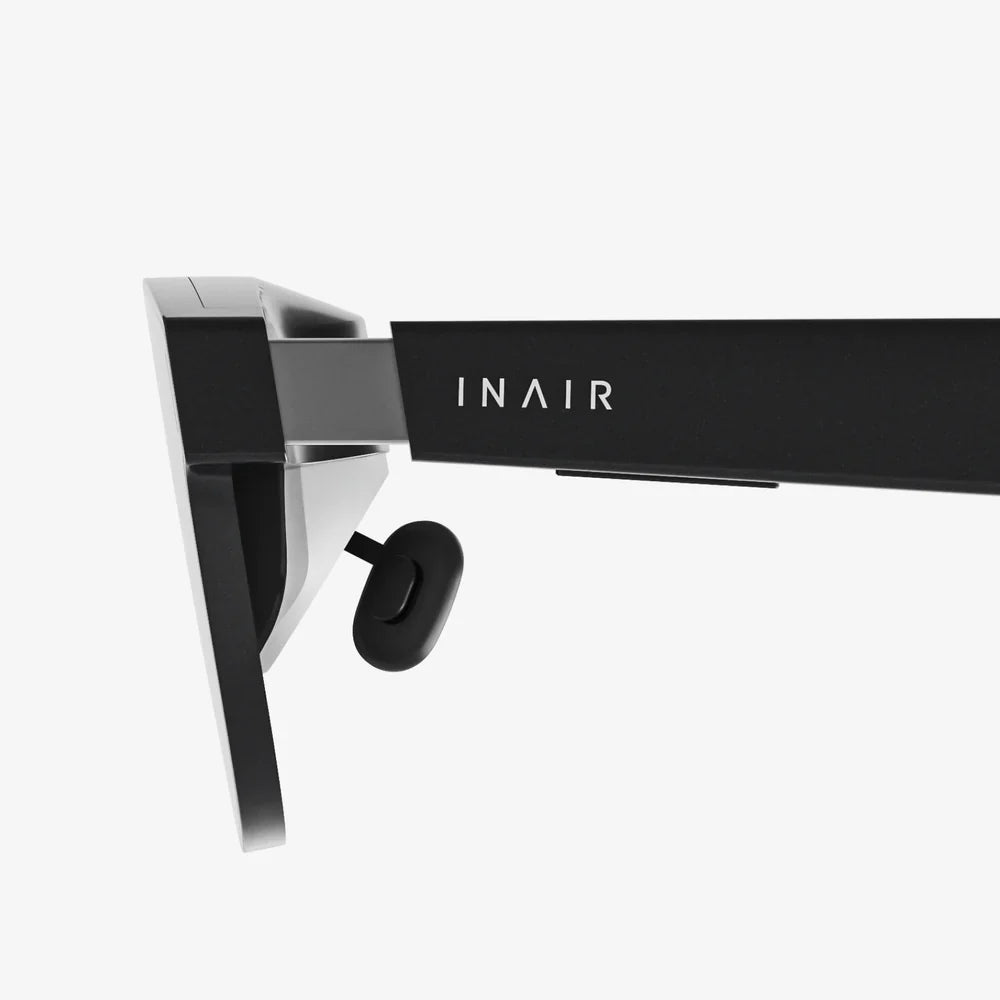
The hardware enabling these experiences ranges from the ubiquitous—attendees' own smartphones and tablets—to more specialized gear like AR smart glasses, which offer a hands-free, truly immersive experience. The barrier to entry is surprisingly low, making AR an accessible technology for events of all scales.
Transforming the Attendee Journey: Pre-Event Excitement and Seamless Arrival
The power of how augmented reality is used in events begins long before the doors open. Event organizers are leveraging AR to create buzz and facilitate a frictionless arrival process.
In the pre-event phase, a physical invitation or a strategically placed poster in a corporate office can become an interactive portal. By scanning it with their device, potential attendees can see a dynamic 3D version of the event agenda, a virtual tour of the venue, or even a message from a keynote speaker hologram popping out of the paper. This creates a powerful "wow" factor that dramatically increases anticipation and ticket sales. Furthermore, AR can transform dry, text-heavy sponsorship prospectuses. Instead of a PDF, sponsors can view a virtual model of a booth layout, see digital animations of branding opportunities on walls and floors, and interact with different package tiers, leading to higher-value partnerships.
Upon arrival, the first major pain point is navigation. Massive convention centers and multi-venue campuses can be disorienting. AR wayfinding apps solve this elegantly. Attendees simply hold up their devices, and arrows, paths, and points of interest are painted onto the live camera feed, guiding them intuitively to registration desks, specific session rooms, restrooms, or exits. This not only reduces anxiety and confusion but also saves valuable time, ensuring attendees don't miss the opening moments of a critical presentation.
Revolutionizing the Exhibit Hall Floor: Booths That Come Alive
The exhibit hall is the heart of many events, and AR is pumping new life into it. Static booths are being transformed into dynamic, interactive experiences that draw crowds and foster deeper engagement.
Instead of (or in addition to) physical products, companies can display digital 3D models of their offerings. An automotive company can place a full-size, photorealistic model of a new car right in the middle of their booth space, allowing prospects to walk around it, open doors, change colors, and explore features that wouldn't be possible to demonstrate physically. Similarly, a medical device company can allow surgeons to "hold" and manipulate a 3D model of a new implant, zooming in to see the intricate details of its design.
Gamification is another powerful application. Exhibitors can create AR scavenger hunts where attendees must visit their booth and other locations to find and scan hidden virtual objects, earning points and prizes. This drives foot traffic and increases dwell time. Furthermore, interactive AR manuals or instructions can be triggered by a product on display. Pointing a device at a complex piece of machinery could overlay animated arrows showing how it operates, highlight key components with informational pop-ups, or even show a video of it in use.
Enhancing Stages and Presentations: From Flat Slides to 3D Spectacles
Keynotes and breakout sessions are being utterly transformed. The days of death-by-PowerPoint are receding, replaced by immersive visual storytelling that makes complex data and concepts tangible and memorable.
Speakers can now have digital props and visual aids that appear as holograms on stage alongside them. An architect can walk through a 3D model of a new building design. A historian can resurrect ancient artifacts for the audience to examine. A data scientist can make statistics and graphs break free from the screen and surround the audience, creating a powerful and intuitive understanding of trends and patterns.
This technology also opens the door for remote speakers to present in a more impactful way. Rather than a flat video feed on a screen, a holographic projection of the speaker can be integrated onto the stage, creating the illusion that they are physically present and able to interact with their visuals and the live audience in a more natural way. This is a game-changer for hybrid events, enhancing the experience for both in-person and remote attendees and creating a more cohesive feel.
Networking and Personalization: Creating Meaningful Connections
One of the primary reasons people attend events is to network, and AR is introducing innovative ways to break the ice and connect people.
Imagine pointing your phone at a crowd and seeing AR name tags floating above people, not just with their name and company, but with shared interests (gleaned from registration data), their LinkedIn profile summary, or a virtual "handshake" button to easily exchange digital contact information. This eliminates the awkward fumbling of business cards and helps attendees find the most relevant people to talk to in a crowded room.
Personalization is key. An event app with AR capabilities can offer a tailored experience. It might highlight sessions on your personalized agenda as you walk past the room, suggest nearby attendees you should meet based on your goals, or offer special AR content and discounts from sponsors whose products align with your interests. This level of custom curation makes each attendee feel uniquely valued and maximizes the ROI of their time at the event.
The Data Behind the Display: Measuring Engagement and ROI
Beyond the flashy visuals, one of the most significant advantages of how augmented reality is used in events is the rich data it generates. Every interaction is a data point.
Organizers and exhibitors can gain unprecedented insights into attendee behavior. They can track which AR experiences are interacted with the most, how long people engage with them, which parts of a digital product model are zoomed in on, and what paths people take through the venue. This data is marketing gold. It provides clear, measurable metrics on engagement levels, lead quality, and content effectiveness far beyond simple scan counts or business card collections.
This analytics capability allows for real-time adjustments and long-term strategy refinement. If data shows that an AR game is drawing huge crowds to a particular corner of the exhibit hall, organizers can strategically place sponsors in that area next time. Exhibitors can see which product features garner the most attention and can train their sales teams accordingly. This moves event marketing from a realm of estimation to one of data-driven decision making.
The Future is Now: AR Glasses and the Hybrid Event Evolution
While smartphone-based AR is dominant today, the future lies in wearable AR glasses. This technology promises a truly seamless, hands-free experience where digital information is constantly integrated into the user's natural field of vision. Attendees will be able to see navigation cues, speaker information, and translated subtitles without ever looking down at a device, fostering richer human-to-human interaction.
Furthermore, AR is the key to unlocking the true potential of hybrid events. It can bridge the gap between physical and remote audiences. A person attending from home could use their phone to place a virtual model of the event venue in their living room, walk through it, and approach virtual booths to interact with reps via video chat. They could see the same 3D holograms on stage as the live audience. AR has the potential to make remote participation not a second-best option, but a uniquely different and equally valuable immersive experience.
The convergence of AR with other technologies like Artificial Intelligence (AI) and 5G will accelerate this evolution. AI will power more intelligent and context-aware AR content, while 5G's high bandwidth and low latency will enable more complex and responsive AR experiences for large crowds simultaneously.
From the moment an attendee hears about an event to long after the final session ends, augmented reality is weaving a layer of digital magic into the physical fabric of gatherings. It's solving age-old problems like navigation and engagement, providing invaluable data, and creating shareable moments that extend the event's reach far beyond its walls. It's no longer a novelty or a gimmick; it's a strategic tool that is redefining the very purpose of coming together, making events more efficient, more memorable, and profoundly more human. The next event you attend won't just be something you see—it will be something you actively shape and interact with, blurring the line between the real and the digital in the most exciting ways imaginable.
Share:
AR VR Systems: The Unseen Digital Layer Reshaping Our Reality
Best Screen Glasses for Women: A Definitive Guide to Digital Eye Wellness