


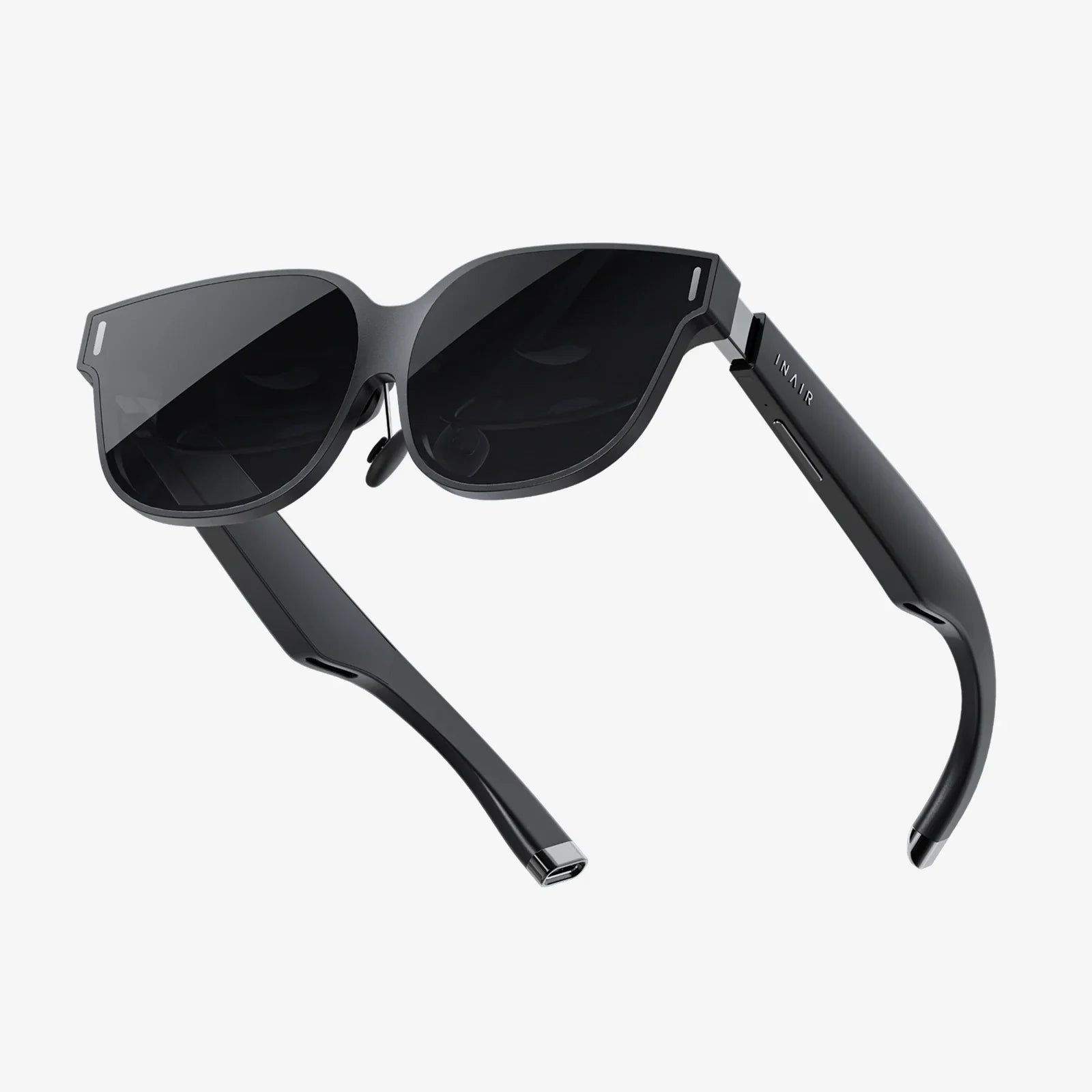
You've seen the breathtaking demos, heard the incredible stories, and felt the pull of a new digital frontier. The burning question on your mind isn't if you want to step into virtual reality, but how many dollars is a VR headset going to set you back? The answer is far from simple, and the price tag you'll encounter can range from the cost of a casual dinner out to that of a high-end gaming laptop. Unraveling this puzzle is the first step to finding your perfect portal to another world.
The VR Spectrum: From Pocket Change to Premium Power
Unlike many consumer electronics, the VR market isn't a one-size-fits-all landscape. It's a vast ecosystem segmented by technology, performance, and intended use. To truly understand the cost, we must break it down into distinct categories.
1. The Entry-Level: Smartphone VR Headsets (Under $100)
This is where countless users get their first taste of VR. These devices, often made of plastic and cardboard, are essentially sophisticated holders for your smartphone. The phone's screen becomes the display, and its sensors handle the head tracking.
Typical Price Range: $10 - $100
What You Get: For your money, you receive a viewer with lenses and a basic head strap. The experience is limited to 3-degrees-of-freedom (3DoF), meaning you can look around but not physically move through the virtual space. It's perfect for consuming 360-degree videos and photos or playing very simple games.
The Hidden Costs: The primary cost here is the smartphone itself, which you must already own. High-resolution screens and powerful processors in the phone will significantly enhance the experience. Without a compatible phone, the actual cost of entry is much higher.
Who It's For: The curious newcomer, the casual media consumer, or someone on an extremely tight budget. It's a low-risk way to answer the question "Is VR for me?"
2. The Standalone Revolution: All-In-One VR Headsets ($200 - $1,000)
This category has exploded in popularity and represents the sweet spot for most consumers. Standalone headsets have all the necessary computing power, sensors, and displays built directly into the unit. There are no wires tethering you to a powerful computer, offering incredible freedom and convenience.
Typical Price Range: $200 - $1,000
Entry-Level Standalone ($200 - $400): These devices focus on accessibility and a wireless experience. They are fantastic for fitness apps, social VR platforms, media viewing, and a large library of mobile-derived games. They represent the best value for a quality, untethered experience.
High-End Standalone ($400 - $1,000): This tier pushes the boundaries of what's possible without a PC. With significantly more processing power, higher-resolution displays, and advanced features like full-color passthrough for augmented reality experiences, these devices blur the line between standalone and PC-powered VR. You pay a premium for this top-tier mobile performance and convenience.
What's Included: The headset, motion controllers, and everything needed to start playing are typically in the box. The price is all-inclusive.
Who It's For: Nearly everyone. From gamers and fitness enthusiasts to families and professionals looking for a wireless AR/VR solution, standalone headsets offer the most versatile and user-friendly experience.
3. The PC-Powered Elite: Tethered VR Headsets ($500 - $2,000+)
For the ultimate in visual fidelity, performance, and immersion, tethered headsets are the undisputed kings. These devices connect via a high-speed cable to a powerful gaming computer or workstation, which acts as the engine rendering the incredibly detailed virtual worlds.
Headset-Only Price Range: $500 - $1,500+
The Real Cost: This is where the question of how many dollars is a VR headset becomes most complex. The headset itself is just one part of the equation. The true cost of entry must include the VR-ready computer.
- VR-Capable PC: A suitable gaming PC with a powerful graphics card can easily cost $1,000 - $2,500+ on its own. This is a mandatory and significant additional investment.
- Total System Cost: Therefore, the all-in price for a high-end tethered setup typically ranges from $1,500 on the very low end to well over $4,000 for a top-tier headset and a beastly PC.
What You Get: Unmatched performance, stunning clarity, incredibly low latency, and access to the most graphically intensive and complex VR games and professional applications (like CAD visualization or scientific simulation).
Who It's For: Hardcore gamers who demand the best, simulation enthusiasts (flight, racing, etc.), and professionals in design, architecture, and engineering.
4. The Professional and Enterprise Tier ($2,000 - $10,000+)
Beyond the consumer market lies a world of ultra-high-end headsets designed for specific commercial, industrial, and military applications. These systems prioritize features like eye-tracking, facial expression capture, ultra-high resolution, and ruggedized designs.
Price Range: $2,000 - $10,000+ for the headset alone.
What You Get: Beyond consumer-grade specs, these headsets often come with enterprise-grade software, support, and customization options for specific workflows, from medical training to virtual prototyping.
Who It's For: Large corporations, research institutions, and government agencies, not individual consumers.
Beyond the Headset: The Hidden Costs of VR
The initial purchase is just the beginning. To accurately calculate how many dollars a VR headset truly costs, you must consider the ecosystem.
Software and Games
The library is your playground, but it's not free. Premium VR games typically cost between $20 and $60, similar to flat-screen games. A robust library can represent an investment of hundreds of dollars over time. Many headsets come with a few free experiences or apps, but your favorite titles will need to be purchased.
Essential Accessories
These items are often crucial for comfort, convenience, and longevity.
- Additional Face Covers & Hygiene: For shared or fitness use, silicone covers or replaceable foam interfaces ($20 - $40) are essential for hygiene.
- Extended Power Banks: For standalone headsets, a high-capacity battery pack ($30 - $80) can double or triple your playtime.
- Premium Head Straps: The default strap isn't always the most comfortable. Aftermarket straps with better weight distribution and built-in audio can cost $50 - $130.
- Controller Accessories: Grips, straps, and rechargeable batteries ($20 - $50) improve the experience.
- Lens Inserts: For glasses wearers, custom prescription lens inserts ($70 - $130) are a game-changer for comfort and clarity.
- PCVR Setup: If you go the tethered route, you might need active optical cables for longer distances or pulley systems to manage the cable, adding another $50 - $150.
The Space Consideration
While not a direct dollar cost, VR requires physical space. Room-scale VR, where you walk around, needs a clear area (often recommended to be at least 6.5ft x 5ft). For some living situations, this might be the most significant "cost" of all.
Finding Value: How to Determine Your VR Budget
Now that you understand the landscape, how do you decide where to spend your money? Ask yourself these questions:
- What is my primary use case? Is it gaming, fitness, socializing, or media consumption? Your answer will point you to the right category.
- What is my technical tolerance? Are you comfortable setting up sensors and troubleshooting PC drivers, or do you want a plug-and-play experience?
- What power do I already have? Do I own a high-end gaming PC? Do I have a powerful smartphone? This will drastically affect your total cost.
- What is my total budget? Be honest. Factor in the headset, any required hardware, and at least $100 for a few good games at launch.
For most people entering VR today, a standalone headset in the $300 - $500 range offers the perfect balance of cost, convenience, and capability. It delivers a premium experience without the hidden cost and complexity of a powerful PC.
The Future of VR Pricing
The market is dynamic. As technology advances, we see features from high-end headsets trickle down to more affordable models. The gap between standalone and PCVR performance is narrowing with each new generation. While flagship devices will always command a premium, the cost of a good VR experience is consistently trending downward, making it more accessible than ever before.
So, the next time you wonder how many dollars a VR headset costs, remember that you're not just buying a piece of hardware. You're investing in a ticket to concerts with friends from across the globe, a personal gym with ever-changing scenery, a front-row seat to immersive stories, and a new way to game. The price of entry is whatever you're ready to invest to unlock that potential. The real value lies not in the dollars spent, but in the experiences gained.
Share:
Best Resolution VR Headset - A Deep Dive Into Visual Fidelity and Immersion
Extended Reality Construction: Building the Future Before the First Brick is Laid