


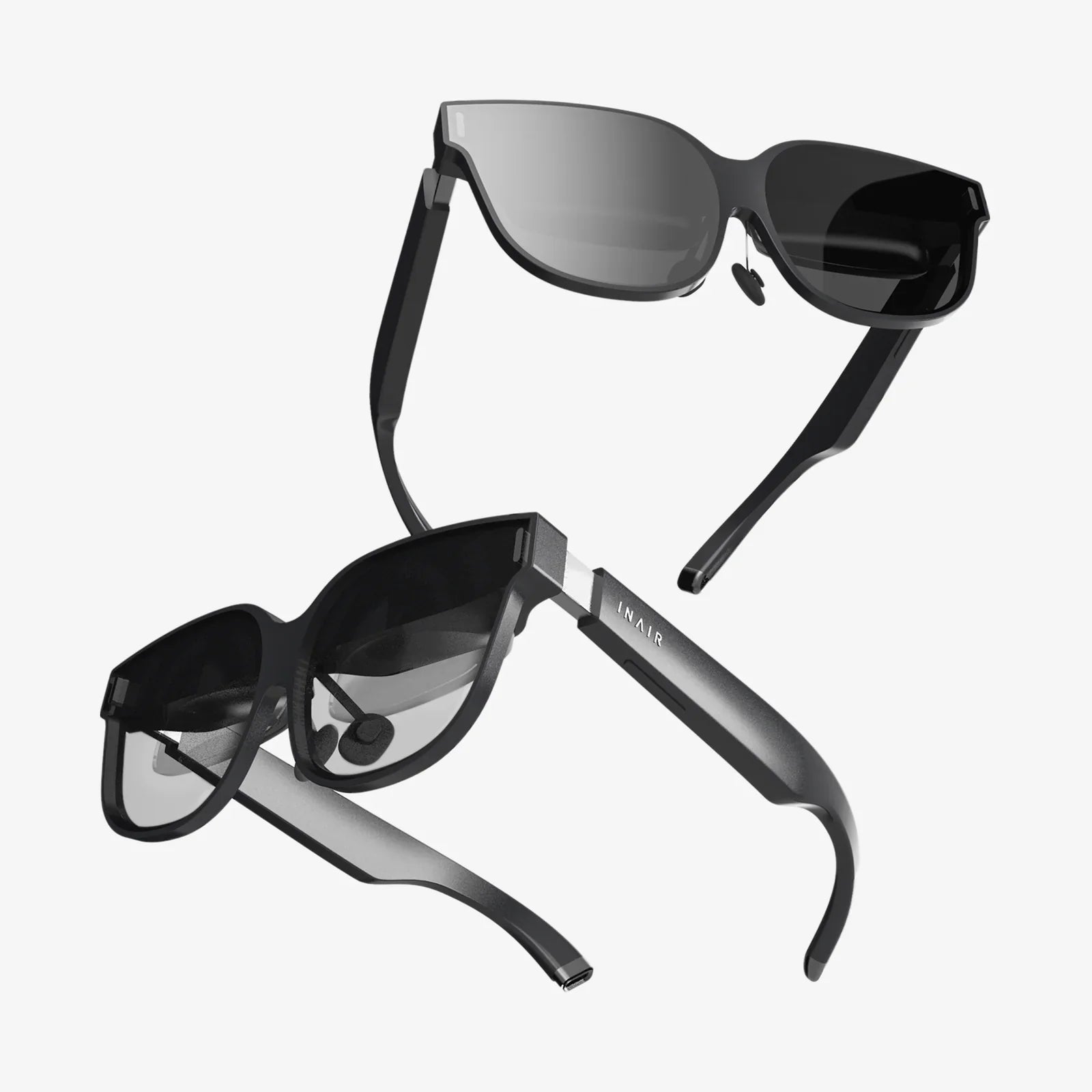
You’ve seen the breathtaking trailers, heard the incredible stories, and felt the pull of curiosity. The idea of stepping into another world, learning a new skill through immersive practice, or simply escaping into a fantastical game is more tempting than ever. But before you take that plunge, one burning question inevitably arises, a question that stands between you and your digital destiny: just how much does a virtual reality system really cost? The answer, as you're about to discover, is far more nuanced than a single price tag. From the surprisingly affordable to the breathtakingly premium, the landscape of VR is vast, and understanding the full financial picture is the key to making the perfect choice for your wallet and your wonder.
Deconstructing the VR Price Tag: It's More Than Just a Headset
When most people ask about the cost of a VR system, they are typically thinking only of the head-mounted display (HMD)—the goggles you wear on your head. However, this is often just one component of the complete ecosystem. The total investment can be broken down into several key categories, each of which must be considered to avoid unexpected financial surprises.
The primary cost drivers for any VR system are its capabilities and its method of operation. Generally, VR systems fall into three distinct tiers, each with its own price range and performance level.
1. Standalone VR Systems: The All-in-One Gateway
Standalone headsets are the most straightforward and accessible entry point into virtual reality. As the name implies, these are all-in-one devices with a built-in processor, storage, battery, and tracking sensors. They require no cables to a powerful external computer and no complex setup. You simply charge the headset, put it on, and you're inside VR.
Typical Price Range for the Hardware: $200 - $1,000+
The lower end of this spectrum (around $200 - $400) is dominated by devices focused primarily on media consumption, social VR, and lighter gaming experiences. They offer a fantastic introduction to the medium but may have limitations in processing power and graphical fidelity.
The higher-end standalone devices (from $500 up to $1,000 or more) represent the current pinnacle of untethered VR. These are powered by advanced mobile processors designed specifically for VR and often include features like high-resolution displays, improved comfort, and color passthrough AR capabilities. They are fully fledged gaming and productivity platforms.
The Hidden Costs: The headset itself is not the only expense. To truly use the system, you must account for:
- Software and Games: This is the most significant ongoing cost. Premium game titles typically range from $20 to $50, though some can be higher. Many experiences are free or low-cost, but the best ones usually come with a premium price.
- Optional Accessories: While not strictly necessary, accessories can greatly enhance the experience. This includes:
- Upgraded head straps for better comfort and weight distribution ($50 - $100)
- Additional controller straps or grips ($20 - $40)
- Carrying cases ($30 - $70)
- Additional face gaskets for hygiene, especially in shared households ($20 - $40)
2. PC-Powered VR Systems: The High-Fidelity Powerhouse
For the ultimate in visual fidelity, performance, and game library depth, PC-powered VR is the gold standard. These headsets act as high-resolution displays and sensors but offload all the processing to a powerful desktop computer connected via a cable (or in some cases, wirelessly). This allows them to deliver breathtaking graphics, incredibly detailed worlds, and the most complex simulations.
Typical Price Range for the Headset Hardware: $400 - $1,500+
This category includes a wide variety of headsets, from older, discontinued but still functional models found on the secondary market to the latest and greatest featuring eye-tracking, ultra-wide field of view, and crystal-clear lenses. The price here largely reflects the display technology, build quality, and feature set inside the headset itself.
The Elephant in the Room: The PC Itself
This is the single biggest cost factor and often the most overlooked by newcomers. A VR-ready PC is a non-negotiable requirement, and it represents a significant investment.
Cost of a VR-Ready PC: $800 - $3,000+
You cannot use a standard office laptop or a low-power desktop. The computer needs a powerful dedicated graphics card (GPU), a capable processor (CPU), sufficient RAM (at least 16GB), and the correct ports (like DisplayPort or HDMI 2.0+). Building or buying a PC that meets the recommended specifications for modern VR headsets is a substantial upfront cost that must be added to the price of the headset.
Other Associated Costs:
- Software and Games: PC VR titles are often purchased through digital storefronts like Steam. Prices are similar to standalone titles, but the library is vast, with frequent sales.
-
Accessories: This category has the most potential for add-ons:
- Pulley systems for cable management ($20 - $50)
- Additional base stations or sensors for superior tracking ($150+ each)
- Rechargeable battery packs for controllers
- Specialized controllers for flight sims, racing wheels, etc. (costs vary widely)
3. Console-Powered VR: The Plug-and-Play Alternative
Sitting between the standalone and PC tiers is console-based VR. This involves a headset designed to work exclusively with a specific video game console. The major advantage here is consistency and simplicity. The console provides a known, fixed hardware platform, ensuring that every VR game runs smoothly without the user needing to worry about PC specifications or driver updates.
Total System Cost (Console + Headset): $950 - $1,200+
This cost assumes you need to purchase both the latest-generation console and the compatible VR headset brand new. The headset itself is a sophisticated piece of kit, often featuring high-resolution displays and inside-out tracking, comparable to a high-end PC headset. If you already own the required console, the barrier to entry drops significantly to just the cost of the headset and any necessary accessories.
Associated Costs: The costs for games and optional accessories (like additional controllers or charging docks) are similar to the other tiers.
The Long-Term Investment: Software, Subscriptions, and Upgrades
The initial hardware purchase is just the beginning of your VR financial journey. The true value and cost of ownership are realized over time through the software you buy and the ecosystem you engage with.
The Software Library: Your Ongoing Expense
An empty VR headset is a portal to nowhere. Filling it with experiences is where the ongoing investment lies. A robust library of 10-15 quality games can easily add $300 - $700 to your total cost of ownership within the first year. Fortunately, digital storefronts have frequent sales, and many excellent smaller experiences and social platforms are free-to-use.
Subscription Services
Some VR platforms offer subscription services. These can provide a regular stream of new content, exclusive discounts, and cloud backup services for a monthly or annual fee. While not mandatory, they represent another potential recurring cost to consider.
The Upgrade Path
Technology evolves rapidly. The headset you buy today will likely be superseded by a newer model in 2-4 years. Furthermore, as VR software becomes more demanding, you may find yourself needing to upgrade your PC's components (especially the GPU) to keep up, adding another layer of long-term cost for PC VR users.
Finding the Right VR System for Your Budget
So, with all these factors in mind, what is the real answer to "how much does a virtual reality system cost"? It depends entirely on your goals and budget.
Budget-Conscious Beginner (~$300 - $600 Total)
Your best bet is an entry-level or previous-generation standalone headset. This gets you the complete package with no extra hardware required. Focus your spending on a few highly-rated games and maybe a comfort accessory. This tier is perfect for casual gaming, experiencing VR for the first time, and enjoying social and media apps.
The Enthusiast (~$1,000 - $2,500+ Total)
This budget allows for a high-end standalone headset or a solid entry into PC VR if you already own a capable gaming computer. You'll have access to the vast majority of the best content available with high-quality visuals and performance. You can afford to build a larger library of games and invest in key accessories for comfort.
The Simulator Aficionado / Power User ($2,500+ Total)
This is the no-compromises tier. The budget encompasses a high-end PC built with top-tier components specifically for VR, one of the best PC-powered headsets on the market, and a full suite of specialized peripherals like force-feedback racing wheels, flight sticks, and haptic vests. This is for those who seek the absolute pinnacle of immersion and performance.
Ultimately, the journey into virtual reality is one of the most exciting technological adventures available today. While the price of admission varies widely, there is a point of entry for nearly every budget. By looking beyond the headset's sticker price and accounting for the necessary hardware, the essential software, and the tempting accessories, you can craft a realistic budget. You can now make an informed decision, confident that the incredible experience of stepping into another world is within your reach. The only thing left to do is choose your reality.
Share:
Clear Glasses with AR Coating: The Ultimate Guide to Unseen Clarity and Protection
AR Customer Experience: The Ultimate Guide to Transforming Retail and Engagement