


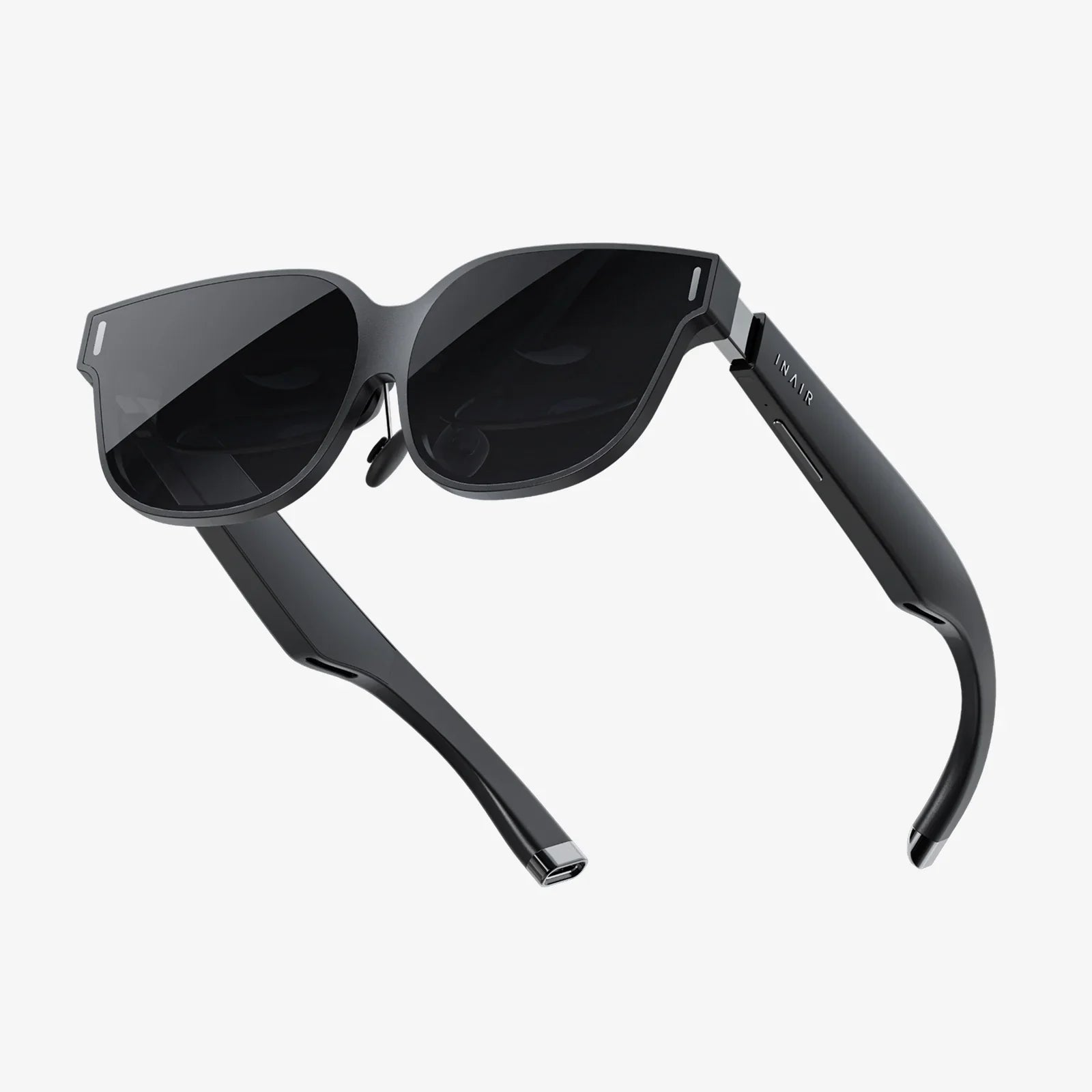
You've seen the breathtaking trailers, heard the incredible stories of virtual concerts and immersive training simulations, and now you're asking the pivotal question: how much does a VR headset cost? The answer, much like the virtual worlds these devices unlock, is multi-layered and fascinating. The price of entry into virtual reality spans a surprisingly wide spectrum, from an impulse buy to a significant investment in next-generation computing. This comprehensive guide will demystify the cost structure, break down every tier of the market, and reveal the crucial factors that determine the final price tag, ensuring you can make an informed decision on your journey into the metaverse.
The VR Landscape: More Than Just a Number
To simply state a single figure would be a disservice to the diverse ecosystem of virtual reality. The cost is intrinsically linked to the experience. Are you looking for a casual dip into 360-degree videos, or are you seeking a fully-fledged, room-scale adventure that tracks your every movement? The hardware capabilities, which directly drive the price, answer these questions. The market is neatly segmented into three distinct categories, each with its own price point and target audience.
Budget-Friendly Entry: Mobile VR (Under $150)
This tier represents the most accessible doorway into VR. Often referred to as mobile VR, these headsets are essentially sophisticated holders for your smartphone. The device's screen and processing power do all the heavy lifting.
What You Get
These systems typically include a headset with lenses and a comfortable strap system. They lack external sensors or powerful onboard computers. Interaction is usually limited to a basic button on the headset or using the phone's touchscreen. The experience is best suited for 360-degree photos and videos, simple games, and passive content consumption.
Typical Price Range
You can find capable mobile VR headsets for between $50 and $150. Many are even cheaper, but quality and comfort often increase with price within this bracket.
The True Cost Consideration
The headline cost is low, but there's a prerequisite: you must already own a relatively modern, high-resolution smartphone. Without this, the effective cost is the price of the headset plus a new phone.
The Sweet Spot: Standalone VR ($200 - $600)
This is the most popular and rapidly evolving segment of the market. Standalone headsets are all-in-one units that require no wires to a PC or console. They have their own display, processor, battery, and tracking systems built right in.
What You Get
For your money, you get a completely wireless and untethered experience. This freedom is their biggest selling point. Modern standalone headsets offer inside-out tracking, using cameras on the headset itself to map your room and track the controllers, enabling full six degrees of freedom (6DoF) movement. This means you can walk around, duck, and dive within your play space. The library of games and applications for these devices is vast and growing constantly.
Typical Price Range
Entry-level standalone devices start around $200-$300. The current generation of flagship standalone headsets, offering high-resolution displays, powerful processors, and advanced features like mixed reality capabilities, typically sit in the $400-$600 range. This price usually includes everything you need to start: the headset and two motion controllers.
The True Cost Consideration
This is often the true "cost of entry" for a quality, full-featured VR experience. The price is all-inclusive, with no hidden hardware requirements.
The High-End Frontier: PC-Powered and Console VR ($600 - $2,500+)
For those seeking the absolute pinnacle of visual fidelity, performance, and simulation depth, PC-powered VR is the answer. These headsets act as specialized displays, relying on a powerful external computer to render incredibly complex and detailed virtual worlds.
What You Get
You are paying for unparalleled performance. This includes ultra-high resolutions, blisteringly fast refresh rates for buttery-smooth motion, vastly wider fields of view, and advanced features like eye-tracking and foveated rendering. The experiences are often more complex, detailed, and immersive, pushing the boundaries of what VR can be.
Typical Price Range
The headset itself can range from $600 for older, still-capable models to well over $1,500 for the latest professional-grade hardware. However, the headset cost is only part of the story.
The True Cost Consideration: The Hidden Investment
This is the most crucial part of the high-end VR cost calculation. To run one of these headsets, you need a powerful gaming PC. This can easily represent an additional investment of $1,000 to $2,000 or more, depending on the specs required. You are not just buying a headset; you are investing in an entire high-performance ecosystem. Console VR, a subset of this category, tethers to a games console. The headset cost is similar to a standalone device, but it requires the purchase of the specific console, which is a fixed, known cost.
Breaking Down the Additional Costs
The initial purchase of the headset is rarely the end of the financial story. To understand the full investment, you must consider the ecosystem and ongoing costs.
The Software Library: Games and Apps
Like any gaming platform, the content costs money. VR games can range from small, $10 experiences to full-fledged, AAA titles costing $50-$70. A robust library of 10-20 games can easily add several hundred dollars to your total spend. Subscription services for VR fitness apps are also becoming increasingly common.
Essential Accessories
Your initial setup might need enhancements:
- Additional Face Covers & Hygiene: For shared or fitness use, silicone covers or replaceable foam interfaces are a must for hygiene and comfort ($20-$40).
- Extended Power: For standalone headsets, a longer, more durable external battery pack can double your play session length ($30-$80).
- Enhanced Audio: While some headsets have good built-in sound, many users prefer a high-quality pair of headphones for immersive spatial audio ($50-$200).
- Console/PC Cost: As detailed above, this is the single largest additional cost for tethered VR.
The Space Factor
While not a direct monetary cost, room-scale VR requires a dedicated, clear play area. For some, this might mean rearranging furniture or dedicating a specific room, which is a significant consideration of space.
Key Factors That Directly Influence the Price
When comparing headsets, even within the same category, these are the specifications that will cause the price to fluctuate.
Display Resolution and Clarity
Higher resolution per eye means a sharper, clearer image with less visible "screen door effect." This is a primary driver of cost, especially in standalone headsets where a more powerful (and expensive) processor is needed to drive those pixels.
Tracking Technology
Headsets using inside-out tracking (cameras on the headset) are generally cheaper to produce than those that require external base stations or sensors placed around the room. The latter is more accurate but adds to the system's cost and complexity.
Processing Power
For standalone headsets, the chipset inside is equivalent to a smartphone processor. Newer, more powerful chips (often from the latest flagship phones) enable better graphics and more complex experiences, increasing the unit's cost.
Field of View (FOV)
A wider FOV increases the feeling of immersion by filling more of your peripheral vision. Achieving this requires more sophisticated optics and often larger displays, which adds to the manufacturing cost.
Refresh Rate
A higher refresh rate (90Hz, 120Hz, and beyond) makes motion appear smoother and can significantly reduce motion sickness for sensitive users. Pushing these high rates requires more processing and graphical power, impacting the price.
Build Quality and Materials
A headset made with premium plastics, metal components, and high-quality fabric straps will cost more than one using cheaper, less durable materials. Comfort over long play sessions is a key differentiator.
Is the Investment Worth It? Matching the Headset to Your Needs
Now that the cost spectrum is clear, the final question is one of value. The right headset depends entirely on your intended use.
For the Curious Newcomer: A budget-friendly mobile headset or an entry-level standalone model is a perfect, low-risk way to determine if VR resonates with you.
For the Fitness Enthusiast: A wireless standalone headset in the $300-$500 range is ideal. You'll want to factor in the cost of a fitness app subscription and a good sweat-resistant face cover.
For the Dedicated Gamer: Your path depends on your existing hardware. If you already own a powerful gaming PC, investing in a premium PC-powered headset will deliver the best possible experience. If not, a flagship standalone headset offers a incredible library of games without the four-figure PC investment.
For the Professional Developer or Enterprise User: Cost is often secondary to capability. High-end professional headsets with eye-tracking, facial expression capture, and ultra-high resolution are essential tools, and their price reflects their specialized nature.
Ultimately, the journey into virtual reality is more affordable and accessible than ever before. With a clear understanding of the tiers, the hidden costs, and the technology that drives the price, you can confidently answer the question for yourself. The perfect VR headset isn't the most expensive one; it's the one that unlocks the experiences you desire at a price that makes sense for your reality. The virtual frontier awaits, and its gateways are priced for every explorer.
Share:
How to Turn Off a VR Headset: The Ultimate Guide to Proper Shutdown
How to Turn Off a VR Headset: The Ultimate Guide to Proper Shutdown