


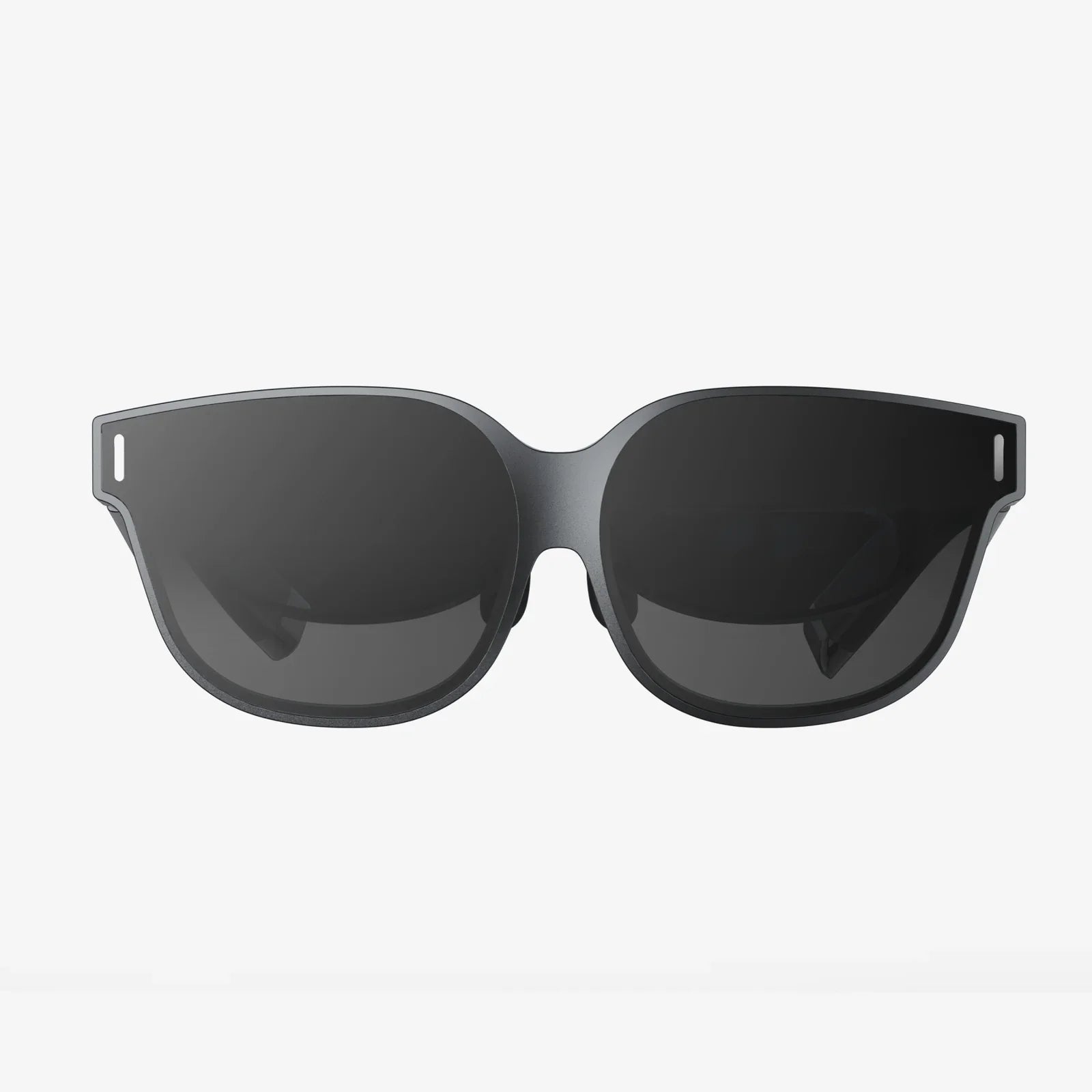
You've seen the breathtaking trailers, heard the incredible stories of immersive gaming and revolutionary virtual workplaces, and now a single, burning question remains: how much does VR glasses cost? The answer is far from simple, and that's exactly why you need to read this. The price of admission into virtual reality is a sliding scale, a spectrum of experiences that ranges from the cost of a casual dinner out to a significant investment in a high-end gaming rig. Unraveling this puzzle is the key to stepping into a world beyond your own, without stepping into a financial trap.
The Three Tiers of Virtual Reality: Finding Your Entry Point
The VR market, much like the automotive or computing world, is neatly segmented into distinct categories. Understanding these tiers is the first step to answering the cost question. Your choice isn't just about the headset; it's about the ecosystem, the required hardware, and the intended experience.
1. The Budget-Conscious Entry: Mobile VR Headsets
At the most accessible end of the spectrum lie mobile VR headsets. These devices are essentially sophisticated holders for your smartphone. The screen, sensors, and processing power all come from the phone you already own, drastically reducing the cost of the headset itself.
Price Range: $10 - $150
What you get in this range varies wildly. On the absolute low end, you'll find simple cardboard or plastic viewers, often priced under $30. These provide a basic stereoscopic 3D view but offer little in the way of tracking or interactive controllers. They are a novelty, a fun way to watch 360-degree videos or try a simple app.
For a more substantial experience, dedicated mobile headsets from major tech companies offer improved comfort, better lenses, and sometimes a basic wireless controller. These can range from $50 to $150. The experience is still limited by your phone's capabilities—graphics are simpler, and advanced features like positional tracking (moving around in virtual space) are often absent. The primary content revolves around 360-video, casual games, and virtual tours. For many, this is a perfect, low-risk way to dip their toes into the virtual waters.
2. The Sweet Spot of Performance: Standalone VR Headsets
This category has revolutionized the VR industry by making high-quality, untethered experiences accessible. Standalone headsets have all the necessary computing power, sensors, and batteries built directly into the device. There are no wires to a PC and no need for a powerful phone. You simply put on the headset and enter the virtual world.
Price Range: $200 - $1,000+
The cost within this category is largely determined by processing power and feature sets. Entry-level standalone devices, often priced between $200 and $400, offer a fantastic introduction to true six-degrees-of-freedom (6DoF) VR, where you can move freely and interact with your hands using dedicated motion controllers. They provide access to vast libraries of games, fitness apps, and social experiences.
At the higher end of the standalone market, you find what are often called "prosumer" or professional-grade devices. Pushing from $500 to over $1,000, these headsets boast superior displays with higher resolutions and refresh rates, more advanced tracking systems, and greater processing power for sharper graphics and more complex experiences. Some high-end standalone models also offer the ability to connect to a gaming PC, effectively functioning as both a standalone and a PC-powered headset, which adds to their value and cost.
3. The High-Fidelity Frontier: PC-Powered VR Headsets
For the ultimate in visual fidelity, performance, and immersion, PC-powered VR reigns supreme. These headsets act as dedicated displays and sensors but rely entirely on a high-end gaming computer to render the incredibly complex and realistic virtual worlds.
Headset Price Range: $400 - $1,500+
The Hidden Cost: This is the most crucial part of the PC-VR equation. The headset is only part of the investment. To run these devices effectively, you need a powerful gaming PC equipped with a dedicated, high-end graphics card, a robust processor, and plenty of RAM. If you don't already own a compatible rig, the total cost of entry can easily soar from $1,500 to well over $3,000 when combining the headset and the computer.
What does this premium buy you? Unmatched graphical clarity, incredibly detailed environments, the most demanding and visually stunning games, and advanced features like full-body tracking and wider field-of-view displays. These systems are for enthusiasts, hardcore gamers, and professionals in fields like architecture and design who require the absolute best performance available.
Beyond the Sticker Price: The True Cost of Owning VR
The initial purchase of the headset is just the beginning. To get a complete picture of how much VR glasses cost, you must consider the ongoing and ancillary expenses.
The Software Library: Games and Applications
A headset is a portal, but the content is the destination. VR games and professional applications are priced similarly to their traditional counterparts. Major game titles typically cost between $20 and $60. There is also a healthy market of smaller indie games and experiences available for less. Many fitness and subscription services require monthly or annual fees to access their full library of workouts and classes.
Essential Accessories
To enhance comfort and functionality, most users will eventually invest in accessories:
- Additional Controllers: For multiplayer experiences or replacements.
- Rechargeable Batteries: A must-have for wireless controllers.
- Comfort Mods: Upgraded head straps, facial interfaces, and counterweights can make longer sessions much more enjoyable, especially for older headset models.
- Carrying Cases: For protection and portability.
- Link Cables: For PC-powered play on standalone headsets, a high-quality fiber-optic cable can cost over $50.
The Hardware Tax: PC Upgrade Costs
As mentioned, the PC-VR path often necessitates a serious computer. The cost of a new graphics card alone can exceed the price of some standalone headsets. This is the single largest potential hidden cost for prospective VR users.
Key Factors That Influence the Price of VR Glasses
When comparing headsets, even within the same category, these are the specifications that drive the price up or down.
- Display Resolution and Type: Higher-resolution displays (often measured in pixels-per-inch) provide a clearer, sharper image with less visible "screen door effect." OLED displays offer deeper blacks and better contrast than LCDs, often at a premium.
- Refresh Rate: Measured in Hertz (Hz), a higher refresh rate (90Hz, 120Hz, even 144Hz) leads to smoother motion and can significantly reduce motion sickness for sensitive users. This is a hallmark of more expensive headsets.
- Field of View (FoV): A wider FoV increases the feeling of immersion by allowing you to see more of the virtual world in your periphery. Expanding FoV is a complex engineering challenge that adds to the cost.
- Tracking Technology: Inside-out tracking (where cameras on the headset track the environment) is common in standalone units. Outside-in tracking (using external base stations) is often found on high-end PCVR systems and is renowned for its ultra-precise, millimetric accuracy, especially for full-body tracking, but it adds to the cost and setup complexity.
- Controllers: The sophistication of the hand controllers varies. Basic models with simple tracking are cheap. Advanced controllers with finger-tracking, haptic feedback, and precise inertial measurement units (IMUs) are far more expensive to produce.
- Built-in Features: Features like eye-tracking (for foveated rendering and social expression), automatic IPD adjustment (the distance between lenses), and high-quality built-in audio solutions all contribute to a higher manufacturing cost.
Is VR Worth the Investment? Matching Cost to Value
Value is subjective. For a casual user, a $300 standalone headset represents immense value, offering a complete library of games, fitness apps, and social spaces with no other required purchases. For a flight simulator enthusiast, a $1,000 PC-powered headset paired with a $2,500 computer is a justifiable expense for the unparalleled realism it provides.
The market has matured to a point where there is a compelling VR experience at nearly every budget. The key is to align your expectations with the reality of each tier. Don't expect a $20 cardboard viewer to deliver the same experience as a $1,000 enthusiast kit. The good news is that the technology is constantly improving while prices for existing features continue to trend downward, making quality VR more accessible than ever before.
So, the next time you see a mesmerizing VR demo and wonder how much VR glasses cost, remember that the door to virtual worlds is open wider and more affordably than you might think. The real journey begins not with a price tag, but with identifying the experience you crave—and there's undoubtedly a headset, and a price point, perfectly tailored to launch your adventure.
Share:
First Use of Augmented Reality: A Journey from Sci-Fi to Your Smartphone
Questions on Augmented Reality: A Deep Dive into the Digital Overlay Shaping Our World