


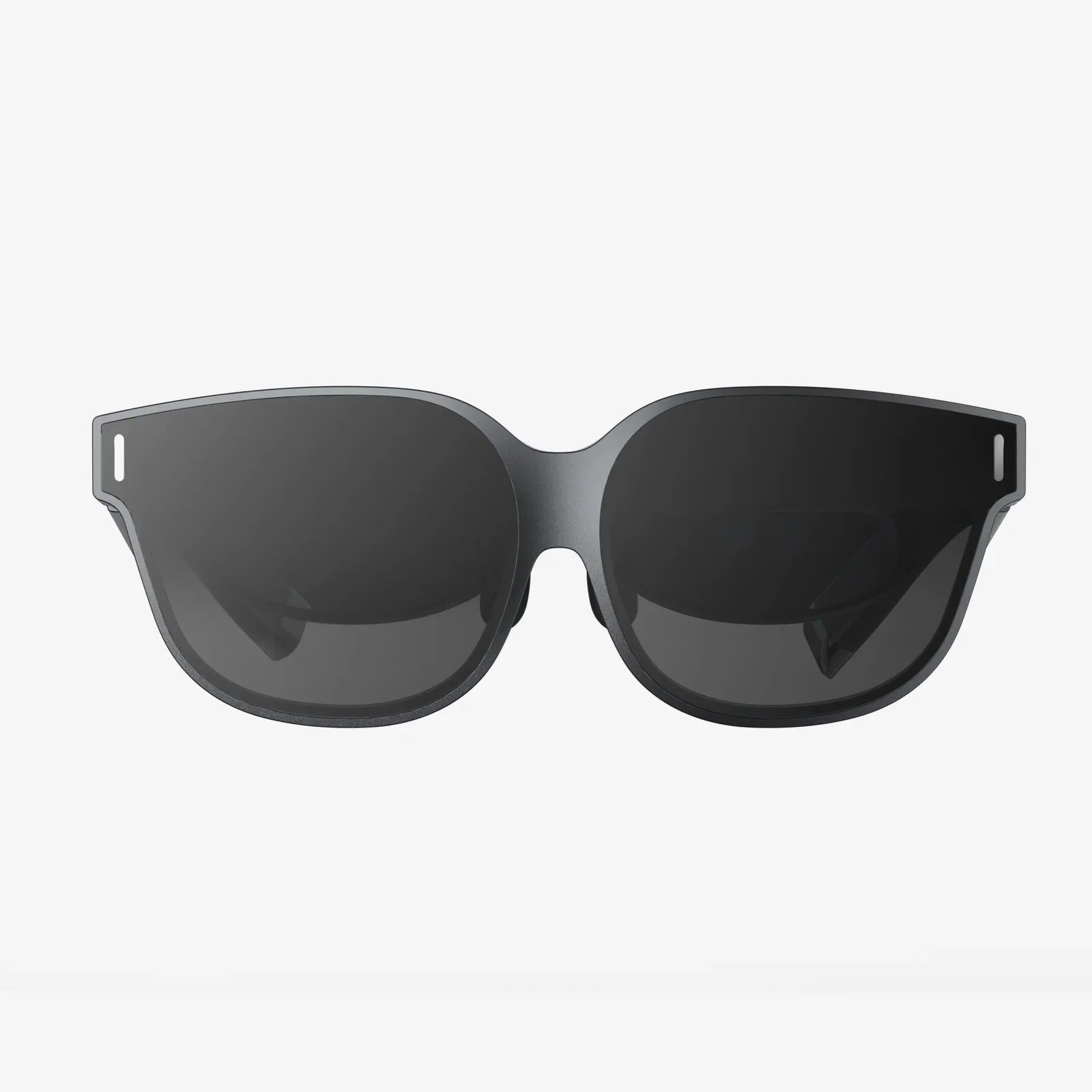
You’ve seen the breathtaking trailers, read the hype about the metaverse, and watched friends disappear into digital worlds. The burning question now is: how much money is a VR setup going to actually cost you? The answer isn't a single number on a price tag. It’s a spectrum, a journey from an accessible mobile-based experience to a mind-blowing, room-scale simulation that can feel like a personal holodeck. Unpacking the true cost means looking beyond the headset itself to the ecosystem required to power it. This comprehensive guide will demystify every dollar you need to invest to step into virtual reality.
Deconstructing the Price Tag: It's More Than Just the Headset
Asking "how much money is a VR" is like asking "how much is a car?" The range is vast. The final price is a sum of several components, some mandatory and some highly recommended for the best experience. The core categories of expense include:
- The Headset: The centerpiece of your VR experience.
- The Hardware to Power It: A gaming PC, a modern game console, or simply your smartphone.
- Software and Games: The experiences and applications you'll use.
- Accessories: From essential extras to luxury upgrades.
We will explore each of these categories in detail to build a complete financial picture.
The Three Tiers of Virtual Reality: Finding Your Entry Point
The VR market is broadly segmented into three distinct tiers, each with its own cost structure, performance level, and ideal user.
Tier 1: Mobile VR & Standalone Headsets - The Plug-and-Play Gateway
This category represents the most accessible and affordable point of entry. These devices are often called "all-in-one" or standalone headsets because they have all the necessary computing power, sensors, and displays built directly into the unit. There is no external computer or console required.
How much money is a VR headset in this category? You can expect to pay anywhere from $200 to $500 for a new, current-generation standalone device. The price fluctuates based on storage capacity (128GB vs. 256GB, for example), and whether the model is the base version or a slightly more advanced "Pro" variant with better displays and features.
Pros:
- Exceptional ease of use; no technical setup required.
- Completely wireless and portable freedom.
- Lower total cost of ownership (no need for a powerful PC).
Cons:
- Graphical fidelity is less detailed than PC-powered VR.
- Processing power is limited, restricting the complexity of game worlds.
- Battery life dictates session length.
This tier is perfect for newcomers, families, casual gamers, and those who prioritize convenience and a wire-free experience. The performance is more than enough for fitness apps, social VR platforms, media viewing, and a large library of fun, less graphically intensive games.
Tier 2: Console VR - The Powered Middle Ground
This tier bridges the gap between the simplicity of mobile VR and the high-end power of PC VR. It involves a headset designed to work exclusively with a specific video game console. The console itself acts as the engine, providing significantly more graphical horsepower than a mobile chipset.
How much money is a VR system here? The headset itself typically costs between $400 and $550. However, this is a secondary cost. The primary, and often already-owned, expense is the required game console, which retails for $400 to $500. This brings the total new investment to approximately $800 to $1,000+ if you need to buy everything from scratch.
Pros:
- Offers a high-quality, curated VR experience with excellent games.
- Leverages the power of a console, providing graphics superior to standalone VR.
- Simpler setup and optimization than a gaming PC.
Cons:
- You are locked into a single ecosystem.
- Still requires being tethered to the console with a cable.
- The total cost is high if you don't already own the necessary console.
This is an excellent option for dedicated console gamers who already own the required hardware and want to add a premium VR experience to their existing setup without building a PC.
Tier 3: PC VR - The High-Fidelity Frontier
This is the premium end of the spectrum. PC VR headsets are display and input devices that must be connected to a sufficiently powerful gaming computer. They are the choice for enthusiasts, sim racers, professional developers, and gamers who demand the absolute best in visual fidelity, performance, and immersion.
How much money is a VR headset for PC? The headset prices are the most varied here. You can find older, discontinued models on the second-hand market for under $200, while brand-new, top-of-the-line models can cost $1,000 to $1,500+ for just the headset. Mainstream, high-quality PC VR headsets generally start around $400 to $600.
The real cost, however, is the PC. A VR-ready gaming PC that meets the recommended specifications for a smooth experience represents a significant investment. Building or buying a suitable PC can easily cost $800 to $1,500, and that's before adding the price of the headset. This means the total entry cost for a high-end PC VR setup can range from $1,200 on the very low end to well over $3,000 for a top-tier headset and a powerful PC to match.
Pros:
- The highest possible graphical quality, resolution, and refresh rates.
- Access to the largest and most complex VR game library.
- Advanced features like full-body tracking and wider field-of-view.
Cons:
- Extremely high total cost of entry.
- Complex setup involving sensors, cables, and PC configuration.
- Often requires a dedicated play space.
The Hidden Costs: Beyond the Initial Purchase
The headset and hardware are just the beginning. To understand the true total of how much money is a VR setup, you must account for the ongoing ecosystem.
Software and Games: The Content is King
A headset is useless without software. While many platforms include free apps or experiences, the main attractions are paid games and applications. VR game prices mirror traditional video games:
- Smaller indie titles: $10 - $25
- Mid-tier games: $30 - $40
- AAA or flagship titles: $40 - $60
Building a library of even 5-10 games can easily add $200-$400 to your first-year cost. Subscription services for VR fitness apps are also a popular and recurring expense.
Essential Accessories: Comfort and Hygiene
Many users find that the stock configuration of a headset isn't perfect. Common and highly recommended purchases include:
- Additional Face Interfaces: For hygiene, especially in shared or fitness use-cases ($20 - $40).
- Premium Head Straps: For better weight distribution and comfort ($40 - $100).
- Rechargeable Batteries: For controllers that use disposable batteries ($20 - $30).
- Link Cable: A high-quality fiber-optic cable for PC VR streaming to a standalone headset ($80).
- VR Cover Mat: For standing and kneeling comfort during active games ($40).
PC Upgrade Costs
If you're venturing into PC VR, your existing computer might need upgrades. The most common and critical component for VR is the Graphics Processing Unit (GPU). A capable GPU can cost anywhere from $300 to over $1,000 alone. Additional RAM or a faster processor are also potential upgrade costs that must be factored in.
The Second-Hand Market: A Path to Significant Savings
For the budget-conscious, the second-hand market is a fantastic way to answer "how much money is a VR" with a much lower number. As new models are released, enthusiasts often sell their previous-generation equipment. You can frequently find:
- Complete standalone headset kits for 20-40% off the original retail price.
- PC VR headsets and their base stations/controllers for a fraction of their original cost.
- Bundles that include the headset, accessories, and several games.
Buying used requires diligence—checking for lens scratches, controller drift, and overall functionality—but it can dramatically reduce the barrier to entry.
Future-Proofing and the Cost of Obsolescence
VR technology is advancing rapidly. A headset bought today may feel outdated in 2-3 years as new models with eye-tracking, pancake lenses for slimmer designs, and higher-resolution displays become the norm. This is a consideration similar to any fast-moving tech sector, like smartphones. Your investment is not permanent, and planning for an upgrade cycle is part of the long-term financial picture.
The Value Proposition: Is It Worth the Investment?
So, after all these numbers, is it worth it? The cost, while significant, buys you more than just games. VR offers unique value that other mediums cannot match:
- Unmatched Immersion: It’s not just playing a game; it’s being inside it.
- A New Social Dimension: Connecting with friends and family in shared virtual spaces as avatars feels profoundly different from a video call.
- Revolutionary Fitness: VR fitness apps make working out genuinely fun and engaging, turning exercise from a chore into a reward.
- Creative and Educational Tools: From 3D sculpting and painting to immersive historical experiences and virtual travel.
The value is subjective, but for millions of users, the ability to escape, create, connect, and move in virtual worlds provides a return on investment that far exceeds the monetary cost.
From a few hundred for a simple standalone device to several thousand for a cutting-edge PC-powered rig, the door to virtual worlds is now open at a price point for almost every budget. The true cost isn't just a number on a box; it's an investment in a new way to play, work, and connect, and its value is measured in experiences, not just dollars. Your journey into the metaverse is waiting, and now you know exactly what it takes to get there.
Share:
Best 3D Virtual Reality Goggles - Your Ultimate Portal to Immersive Digital Worlds
Compare Comfort Levels of Popular AR Headsets: The Ultimate Wearability Guide