


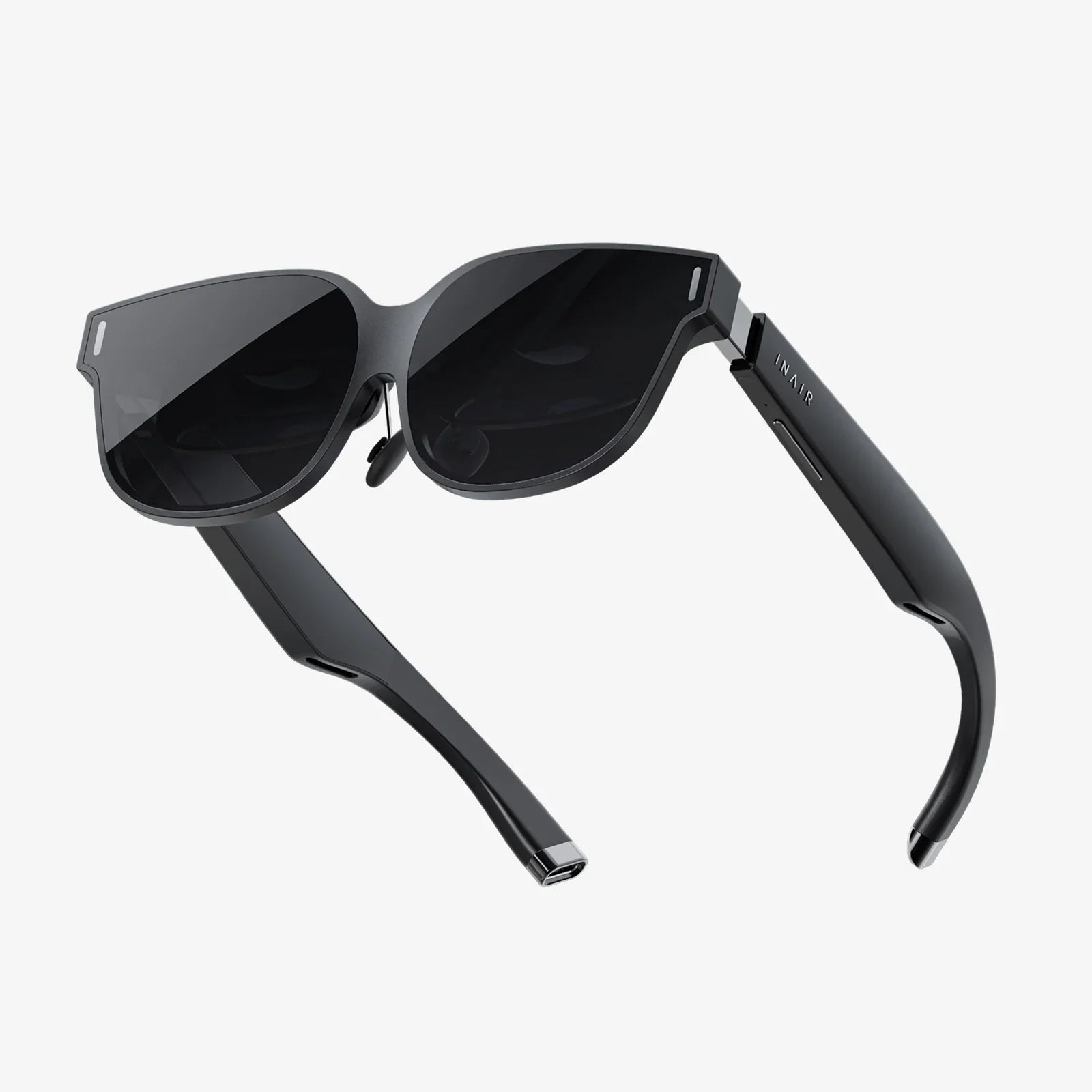
You've seen the breathtaking demos, heard the incredible stories of immersion, and maybe even tried a headset yourself. The world of virtual reality is no longer a distant sci-fi fantasy; it's here, and it's more accessible than ever. But one question burns in the mind of every curious newcomer and tech enthusiast alike: just how much does it actually cost to step into the metaverse, conquer virtual battlefields, or create in 3D space? The answer is far from simple, as the price of admission varies wildly depending on the path you choose. This definitive guide will peel back the layers of VR pricing, exposing not just the sticker price of the hardware but the entire ecosystem of costs, from the essential accessories to the powerful PCs that drive them, ensuring you can make an informed decision without any budgetary surprises.
The Spectrum of Virtual Reality Experiences
Before we talk numbers, it's crucial to understand that the VR market is broadly divided into three distinct categories, each with its own philosophy and, consequently, its own price point. Your choice here will be the single biggest determinant of your total investment.
1. Standalone VR Headsets: The All-in-One Gateway
Standalone headsets are the most straightforward entry into VR. These devices have all the necessary computing power, sensors, and displays built directly into the headset. They are completely wireless, untethered from any external device, offering unparalleled freedom of movement. This category is dominated by one major player, but several other companies offer compelling alternatives. The primary appeal is convenience and accessibility.
2. PC-Powered VR Headsets: The High-Fidelity Powerhouse
For those seeking the absolute pinnacle of visual fidelity, performance, and library depth, PC-powered (or PCVR) headsets are the answer. These devices act as sophisticated displays and sensors but rely on a powerful external computer to render the complex virtual worlds. They connect via a high-speed cable (tethered) or increasingly via wireless streaming. The cost here is twofold: the headset itself and the gaming PC capable of running it.
3. Console-Powered VR: The Plug-and-Play Option
Sitting in a unique space is VR powered by a games console. This offers a middle ground between the simplicity of standalone and the power of PCVR, leveraging the consistent hardware of a console to deliver high-quality experiences without the need for a bespoke gaming computer. The ecosystem for this is smaller but growing.
Breaking Down the Costs: Headset-By-Headset
Now, let's attach some concrete figures to these categories. Prices can fluctuate with sales and new releases, but these represent the standard market rates as of 2024.
The Standalone Market: From Budget to Flagship
Entry-Level Standalone (128GB - 256GB)
These models offer a fantastic introduction to VR and a massive library of games. The experience is smooth, the inside-out tracking is excellent, and the value is undeniable.
- Typical Price Range: $250 - $400
- What you get: The headset, two motion controllers, and necessary cables. The library includes thousands of titles, from casual experiences to full-fledged games.
- Considerations: The base model's storage can fill up quickly with larger games. The comfort of the standard strap is often cited as a point for improvement, leading to a common accessory purchase.
Advanced Standalone (512GB+)
For the serious VR enthusiast who wants the best standalone experience with no compromises, advanced models offer more storage, a better starting strap for comfort, and sometimes exclusive features or game bundles.
- Typical Price Range: $500 - $700
- What you get: Significantly more storage for a large game library, a premium ergonomic strap often with built-in battery for longer play sessions, and occasionally a full game or accessory bundle.
- Considerations: This is a significant investment and sits at the top end of the consumer standalone market.
The PCVR Market: A Premium Proposition
Mainstream PCVR Headsets
These headsets focus on delivering high-resolution displays, high refresh rates, and advanced features like eye-tracking and wide field-of-view. They represent the current cutting edge of consumer VR technology.
- Typical Price Range: $1,000 - $1,500+ for the headset alone.
- What you get: State-of-the-art displays (often dual Mini-LED or OLED), superior lenses for edge-to-edge clarity, built-in audio solutions, and precise tracking. They are designed for enthusiasts and professionals.
- Considerations: This is just the cost of the headset. The required gaming PC is a separate and substantial expense.
Previous Generation & Niche PCVR
The second-hand market for older, discontinued PCVR headsets can be a treasure trove for bargain hunters. While not featuring the latest specs, they can still provide a excellent high-end experience at a fraction of the cost.
- Typical Price Range: $150 - $400 on auction sites and marketplaces.
- What you get: A proven, high-quality headset that was once top-of-the-line. It will still require a powerful PC and may need new face gaskets or controllers.
- Considerations: Buying used tech always carries a risk. There may be no warranty, and parts like cables or controllers can be expensive or hard to replace if they fail.
The Console VR Option
This system offers a streamlined, high-quality VR experience designed to work seamlessly with a specific games console.
- Headset Price: Approximately $550.
- What you get: A sophisticated headset with high-resolution OLED displays, haptic feedback, adaptive triggers, and advanced tracking. It's a premium product designed for a specific ecosystem.
- The Hidden Cost: You must own the required games console, which costs an additional $450-$500. This brings the total entry cost to approximately $1,000 if starting from scratch.
The Biggest Hidden Cost: The Gaming PC
For those venturing into PCVR, the headset is only half the battle. The real financial hurdle is often the computer itself. VR is intensely demanding on hardware, requiring a high frame rate rendered twice (once for each eye) to maintain immersion and prevent motion sickness.
Minimum Spec PC
This is the absolute baseline to run most VR games, often at lower graphical settings and resolutions.
- Estimated Cost to Build: $600 - $800
- Typical Specs: Mid-range previous-generation GPU, mid-tier CPU, 16GB RAM.
- Experience: Functional, but you will likely need to reduce in-game settings to maintain a smooth experience in more demanding titles.
Recommended Spec PC
This is the sweet spot for a great PCVR experience, allowing you to run most games at high settings and take advantage of higher resolution headsets.
- Estimated Cost to Build: $1,200 - $1,800
- Typical Specs: Current-generation upper-mid-range GPU, high-end CPU, 16-32GB RAM.
- Experience: Smooth, high-fidelity gameplay. This setup provides the quality that most people envision when they think of premium VR.
High-End/Enthusiast PC
For those who want to max out every setting, use super-sampling for crystal clarity, and play the most demanding sims and mods without a second thought.
- Estimated Cost to Build: $2,000 - $3,000+
- Typical Specs: Flagship current-generation GPU, top-tier CPU, 32GB+ of fast RAM.
- Experience: The absolute best visual quality and performance currently possible in consumer VR.
Therefore, a full PCVR setup with a new headset and a recommended-spec PC can easily land between $2,500 and $3,500.
Beyond the Hardware: The Ecosystem of Expenses
The initial purchase is just the beginning. To fully enjoy and personalize your VR journey, a number of additional costs often come into play.
Essential Software and Games
A headset is useless without software. While many platforms have free experiences and apps, the major games cost money.
- AAA VR Titles: $30 - $60 per game.
- Indie Gems & Experiences: $15 - $30.
- Software Budget: It's easy to spend $200 - $500 in your first year building a respectable library. Waiting for seasonal sales is highly recommended.
Almost-Mandatory Accessories
These items aren't always included in the box but are considered essential for comfort and longevity by the community.
- Premium Head Strap (for standalone headsets): $30 - $60. Drastically improves weight distribution and comfort.
- Rechargeable Batteries: $20 - $30. A must-have for controllers that use AA batteries to avoid constant disposable battery costs.
- VR Cover (Replacement Facial Interface): $20 - $40. Provides a hygienic, easy-to-clean, and often more comfortable replacement for the stock foam facepad.
- Carrying Case: $30 - $50. Crucial for protecting your investment during storage or travel.
Advanced Upgrades
For the dedicated user, these upgrades can enhance the experience further.
- Pulley System for PCVR Cables: $20 - $40. Manages the tether cable, keeping it off the floor and reducing tangling and tripping hazards.
- Dedicated VR Router (for Wireless PCVR): $100 - $150. A dedicated Wi-Fi 6/6E router is recommended for a flawless wireless streaming experience from a PC.
- Controller Grips/Sleeves: $15 - $30. Improve grip and include safety straps to prevent controllers from flying out of your hands.
- Additional External Battery Packs (for standalone): $30 - $50 each. Extend play sessions beyond the 2-3 hour internal battery life.
The Space Consideration
While not a direct monetary cost for everyone, VR requires physical space. You can play seated or standing in place, but the best experiences often use "roomscale" tracking, requiring a clear area. This might mean rearranging furniture or dedicating a specific room, which is a cost of opportunity not everyone can afford.
Total Cost of Ownership: Real-World Scenarios
Let's combine everything into three realistic scenarios for a new user.
Scenario 1: The Curious Newcomer (Standalone)
- Headset (256GB): $400
- Essential Accessories (Strap, Batteries, Case): +$110
- Initial Game Library (5-6 games): +$150
- Total Estimated First-Year Cost: ~$660
Scenario 2: The PC Gaming Enthusiast (PCVR)
Assumes the user already owns a VR-Ready PC.
- High-End PCVR Headset: $1,100
- Essential Accessories (Covers, Pulley System): +$60
- Initial Game Library (on sale): +$100
- Total Estimated First-Year Cost: ~$1,260
Scenario 3: The All-New Premium Experience (PCVR from Scratch)
- Building a Recommended-Spec Gaming PC: $1,500
- High-End PCVR Headset: $1,100
- Essential Accessories: +$60
- Initial Game Library: +$100
- Total Estimated First-Year Cost: ~$2,760
Is VR Worth the Investment?
Value is subjective. For a casual user, a $600+ standalone setup might seem steep for a novel gaming device. But for an enthusiast, a $3,000 sim-racing rig that makes them feel like they're truly behind the wheel of a race car represents incredible value for the unparalleled immersion it provides.
Beyond gaming, VR offers immense value in other areas:
- Fitness: Subscription fitness apps offer a fun way to workout at home, potentially replacing or supplementing a gym membership.
- Social Connection: Platforms allow you to meet, talk, and play with friends and family across the globe in a way that feels profoundly more present than a video call.
- Productivity & Creativity: Virtual desktops and creative tools allow for 3D design, modeling, and working in massive virtual spaces.
- Media Consumption: Watching movies on a virtual giant screen is an experience unlike any other.
The cost of virtual reality is no longer a monolithic, prohibitive barrier. It's a spectrum, offering a tier for almost every budget. Whether you're looking for a $250 entry-point to explore this new medium or you're ready to invest thousands for a transformative high-end setup, the virtual world is waiting. The real question isn't just about the price tag—it's about what kind of experience you want to have and what unique value you hope to find on the other side of the headset.
Forget everything you thought you knew about the price of a ticket to another world. The journey from curious observer to active resident of the virtual realm is closer and more affordable than it has ever been, but the true cost is a personal equation of desire, hardware, and the unforgettable experiences you'll gain. Your ultimate VR budget is waiting to be defined, not by daunting headlines, but by the incredible possibilities that align with your vision of the future.
Share:
Virtual Glasses Try On: The Digital Revolution Reshaping Eyewear Shopping Forever
Virtual Reality Usability Design: Crafting Intuitive and Immersive Experiences for the Future