


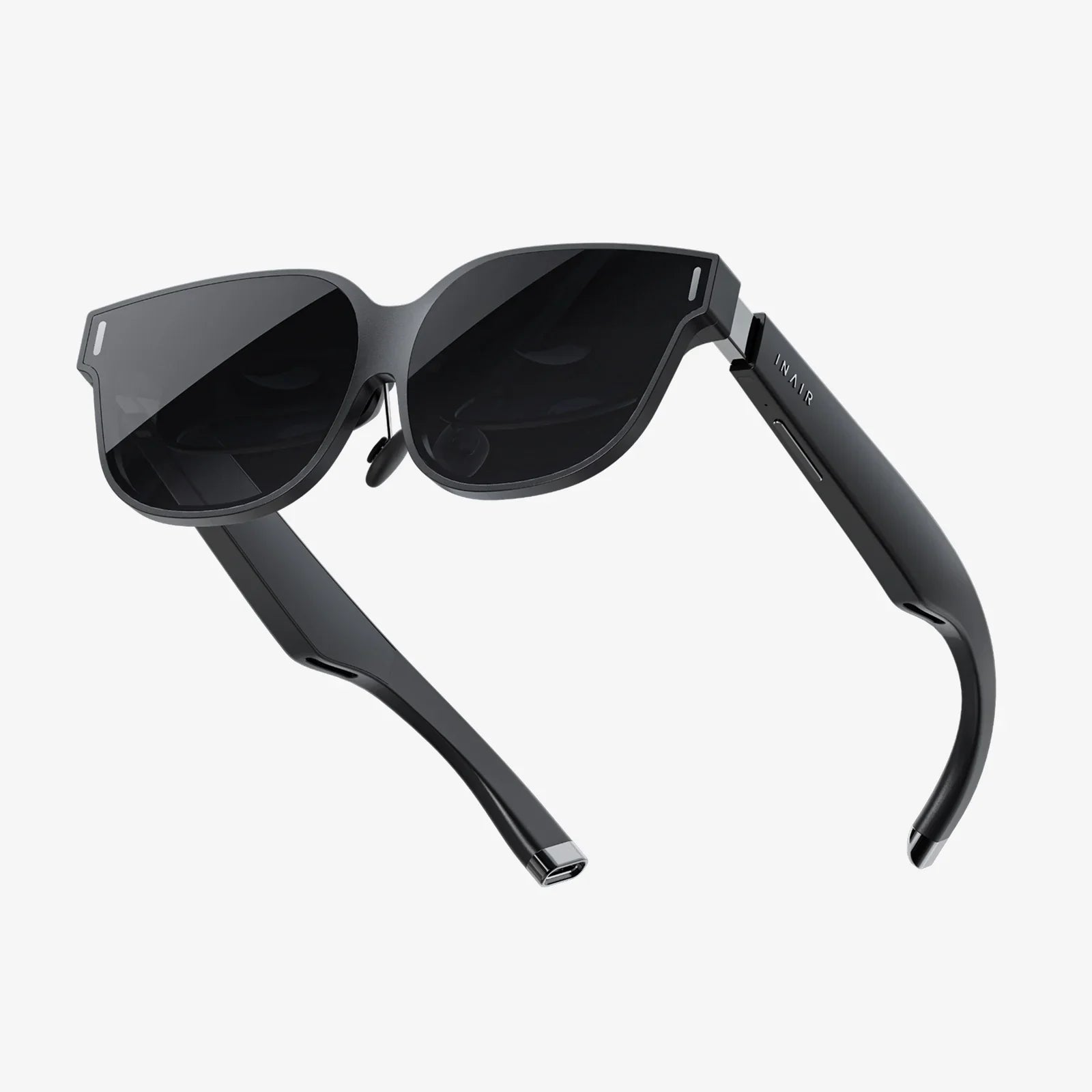
You've seen the mesmerized look, the eager hands reaching out, and the inevitable question: "How old do I have to be to get one?" The world of Virtual Reality is a siren's call for the curious and young, promising adventures beyond imagination. But as a parent or guardian, that question opens a Pandora's box of concerns about safety, development, and the very real-world implications of a digital one. The answer is far more nuanced than a single number on a box, and understanding the full picture is the first step toward making an informed decision for your family.
The Official Stance: Deciphering the Manufacturer's Age Ratings
Let's start with the most straightforward, albeit superficial, answer. Most major manufacturers of standalone and PC-tethered VR systems explicitly state a minimum age requirement. You will commonly find the following guidance on product packaging and in safety manuals:
- 13 Years Old: This is the most frequently cited minimum age. It is the standard set by the technology giant behind a popular ecosystem of VR hardware and software. Their safety guidelines strongly advise that their headset is not for use by children under 13.
- 10+ Years Old with Strict Parental Supervision: Some other prominent brands have set their absolute minimum age at 10 years. However, they couple this with a strong mandate that children between the ages of 10 and 12 must only use the device under direct, continuous adult supervision.
- Variable Ages for Mobile VR: Headsets that are essentially shells for a smartphone often carry less stringent official age ratings, sometimes suggesting they are for ages 7+ or 12+. However, these ratings are often based on the physical hardware, not the content, which is accessed through the phone's app stores and can vary wildly.
It is crucial to understand that these age ratings are not arbitrary. They are primarily based on product liability and a precautionary principle rather than extensive long-term longitudinal studies. Manufacturers are erring on the side of extreme caution to mitigate potential risks, both known and theoretical.
Beyond the Number: The Science and Concerns Behind the Age Limits
To truly appreciate why these age limits exist, we must delve into the core concerns that prompted them. These issues form the bedrock of the official recommendations.
1. The Developing Visual System
This is arguably the most significant and well-founded concern. VR headsets work by presenting a unique image to each eye to create a stereoscopic 3D effect and a sense of depth. However, this creates a conflict known as the Vergence-Accommodation Conflict.
In the real world, our eyes converge (turn inward or outward) and accommodate (change focus) in perfect sync to bring an object into clear view. In VR, the screen is physically fixed a short distance from the user's eyes, so the eyes must always focus at that fixed distance. Yet, the virtual objects appear to be near or far, forcing the eyes to converge on a point that does not match the focal distance. For a mature visual system, this conflict is usually manageable and may cause short-term eye strain or fatigue. For a child whose visual system is still developing, the long-term consequences of prolonged exposure to this conflict are simply not known. The fear is that it could potentially impact depth perception or contribute to the development of myopia (nearsightedness) or other visual abnormalities.
2. Physical Safety and Ergonomic Fit
VR is an immersive experience, and users, especially excited children, can easily forget their physical surroundings. The risk of tripping over furniture, hitting a wall, or swinging a controller and injuring themselves or others is very real. Furthermore, most headsets are designed for an adult-sized head. They can be too heavy and bulky for a child, potentially causing neck strain or discomfort. The IPD (Interpupillary Distance), the distance between the pupils, is also smaller in children. If a headset's lenses cannot adjust to a narrow enough IPD, the child will not see a clear image, leading to eye strain, headaches, and a subpar experience.
3. Psychological and Cognitive Development
The immersive nature of VR is unparalleled. Unlike watching a movie on a screen, VR places the user inside the experience. For a young brain that is still learning to distinguish fantasy from reality, this level of immersion can be intense and potentially overwhelming. Experiences that are merely thrilling for an adult could be terrifying for a child, with the potential for fear or anxiety to linger long after the headset is off. Furthermore, a child's sense of self and social understanding is still forming. Navigating social VR spaces designed for and populated by adults exposes them to risks of inappropriate content, contact, and conduct for which they may be emotionally unprepared.
4. Content Appropriateness
The VR software landscape is as varied as the traditional video game and app market. While there are wonderful, educational, and age-appropriate games and experiences, there is also content that is violent, intense, or otherwise unsuitable for young audiences. Relying solely on the age rating of the hardware is insufficient; vigilant curation of the software is absolutely essential.
A Framework for Responsible Use: It's About More Than Age
Chronological age is a convenient metric, but it is not the sole determinant of readiness. A responsible approach considers the individual child's maturity, the specific technology, and the context of use.
Evaluating Your Child's Readiness
Ask yourself these questions before introducing VR:
- Maturity: Can they understand and consistently follow safety rules? Can they articulate if they feel dizzy, nauseous, or scared?
- Impulse Control: Can they manage their excitement and movements to stay within a designated play area?
- Emotional Resilience: How do they handle intense or scary content in movies or books? Are they prone to nightmares?
Creating a Family VR Policy
Setting clear, non-negotiable rules is paramount for safe usage. This policy should include:
- Supervision: Mandate that an adult must always be present in the room, not just in the house. The supervisor should be able to see both the physical space and what the child is seeing in the headset via a secondary screen (cast to a TV or phone) if possible.
- Time Limits: Establish strict session durations. For younger users, start with very short sessions of 15-20 minutes. Enforce breaks to rest their eyes and reorient themselves to the physical world. The American Academy of Ophthalmology suggests following the 20-20-20 rule: every 20 minutes, look at something 20 feet away for 20 seconds.
- Safe Space: Designate a clear, open play area. Use guardian/boundary systems religiously and ensure the area is free of tripping hazards, sharp corners, and fragile items.
- Content Curation: Parents must actively research, preview, and approve every piece of software. Use parental controls to lock down storefronts and prevent unauthorized purchases or downloads. Disable social features by default and only enable them with extreme caution for older, mature teens.
The Potential Benefits: When Used Appropriately
It's not all about risk. When implemented thoughtfully, VR can be a powerful tool for good.
- Education: Imagine touring ancient Rome, journeying through the human bloodstream, or conducting complex chemistry experiments in a safe virtual lab. VR offers unparalleled experiential learning opportunities.
- Creativity: Applications that allow users to paint in 3D space, sculpt virtual clay, or make music in immersive environments can unlock new forms of creative expression.
- Social Connection: For older teens and especially those with difficulties socializing in person, well-moderated VR platforms can offer a sense of community and connection through shared experiences and collaborative games.
- Physical Activity: Many VR games are highly physical, requiring squatting, dodging, swinging, and dancing, providing a fun alternative to sedentary screen time.
The Evolving Landscape and Future Research
The technology is advancing faster than the research. The scientific community is actively playing catch-up. Longitudinal studies on the effects of VR on childhood development are underway but will take years, if not decades, to yield definitive results. In the meantime, the precautionary principle adopted by manufacturers is the responsible course of action. As the technology becomes lighter, better adjusted, and more adaptive, and as our understanding deepens, these guidelines will undoubtedly evolve.
So, the next time you're asked that burning question, remember that the answer isn't a simple number you can quickly look up. It's a conversation. It's about understanding the very real concerns of visual development and psychological immersion. It's about evaluating your own child's unique maturity and impulse control. It's about committing to active supervision and diligent content curation. The number on the box is a starting point for caution, but your informed judgment as a parent is the final arbiter. The virtual world is an incredible frontier, and with you as their guide, your child can explore its wonders safely and responsibly, when the time is truly right for them.
Share:
Best 3D VR Headset - The Ultimate Guide to Immersive Technology
Average Cost of VR Headset: A Comprehensive Guide to 2024 Pricing Tiers