


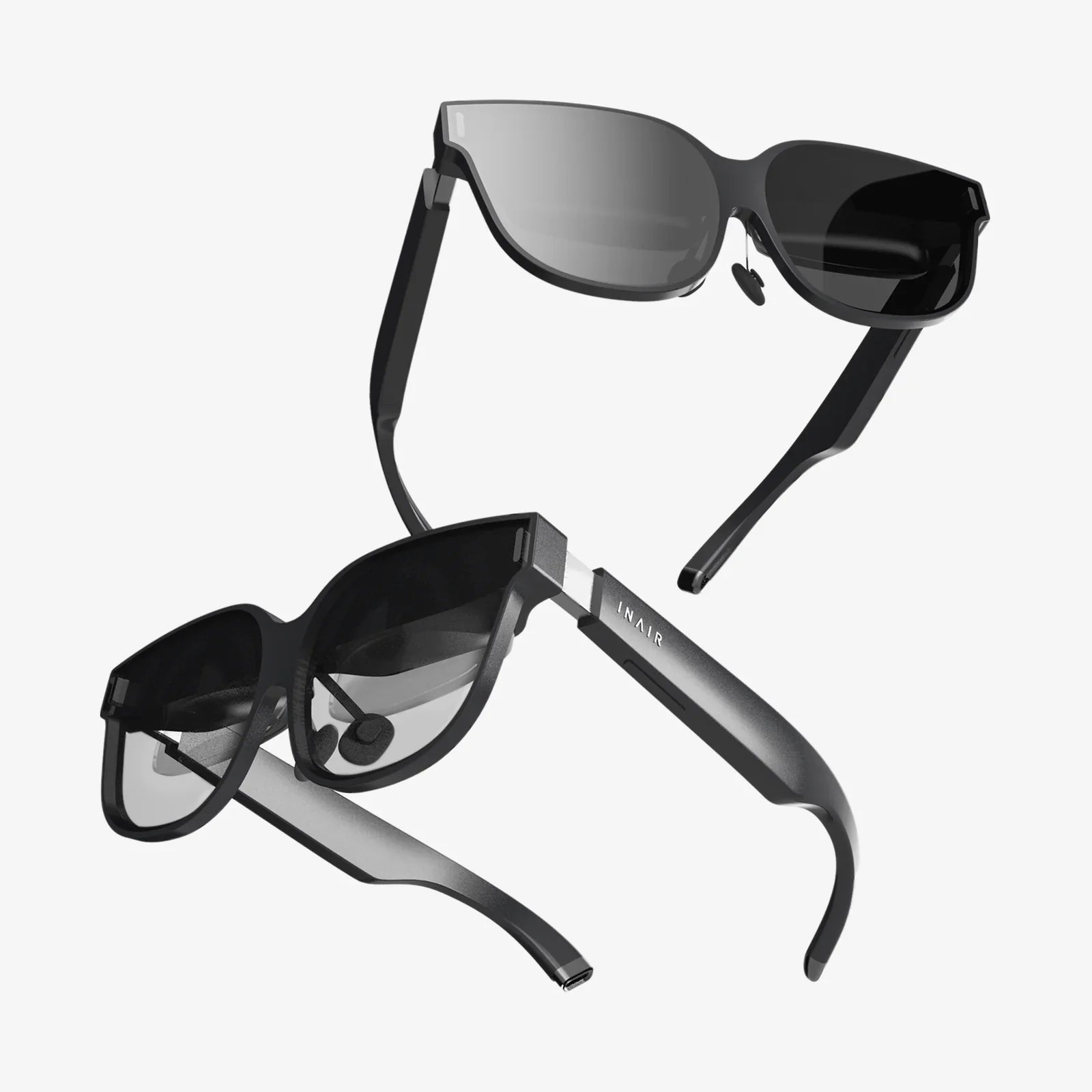
You’re driving on an unfamiliar, rain-slicked highway at night, your phone’s navigation app mumbling directions from the cupholder. To check your speed, you glance down at the instrument cluster, then back up, your eyes struggling to refocus in the darkness. For a split second, you’re blind to the road ahead. It’s in that vulnerable moment that the promise of a different way—a Heads-Up Display, or HUD—shines brightest. This isn't just another car gadget; it's a potential revolution in how we interact with our vehicles, designed to keep your eyes up and your attention where it belongs. But does it live up to the hype, or is it merely a flashy, expensive gimmick? Let’s project the facts onto the windshield and see what’s really there.
The Anatomy of a Heads-Up Display: More Than a Fancy Projector
At its core, a Heads-Up Display is a transparent display that presents data without requiring users to look away from their usual viewpoints. The term itself originates from aviation, where pilots would get crucial flight data "heads-up" without looking down at their instruments, a critical advantage during combat or complex maneuvers.
Modern automotive HUDs operate on a fascinating principle. A projector unit, typically mounted in the dashboard, sends information onto a combiner—which can be a separate piece of glass or, in more advanced systems, the windshield itself. This combiner is specially treated to reflect the projected light from the unit back to the driver’s eyes, creating the illusion that the information is floating just beyond the hood of the car. The magic lies in the software and optics that make this image appear in focus simultaneously with the real-world view of the road, eliminating the need for your eyes to constantly refocus between near (the dashboard) and far (the road) distances.
There are generally three tiers of HUD technology available today:
1. Windshield-Projected HUDs
This is the most advanced and immersive type, typically found in higher-end vehicles. It uses the vehicle’s windshield as the combiner, allowing for a larger, brighter, and more complex image that can be projected further out, creating a more seamless augmented reality experience. These systems can often integrate navigation arrows that appear to hover over the actual road or highlight the vehicle in front of you.
2. Combiner-Projected HUDs
These systems use a small, dedicated piece of pop-up glass that rises from the dashboard. While effective, the image is usually smaller and projected at a shorter distance. These were more common in earlier implementations and some aftermarket solutions.
3. Augmented Reality (AR) HUDs
The cutting edge of the technology, AR HUDs are a subset of windshield-projected systems. They use advanced cameras and sensors to understand the environment and then overlay graphics directly onto the real world. Imagine a giant arrow painted on the road itself guiding your turn, or a highlighted box identifying a pedestrian stepping out from between parked cars. This represents the true future of the technology.
The Unmatched Benefits: Why HUDs Are a Game-Changer
The advantages of a well-implemented Heads-Up Display extend far beyond simple convenience. They touch upon critical aspects of safety, accessibility, and the overall driving experience.
Enhanced Safety Through Reduced Distraction
This is the flagship benefit and the primary reason HUDs were developed. The National Highway Traffic Safety Administration (NHTSA) has identified visual-manual distraction—taking your eyes off the road—as a significant factor in vehicle crashes. By projecting key information like speed, navigation directions, and safety alerts directly into the driver’s line of sight, a HUD drastically reduces the frequency and duration of these dangerous glances away. Your focus remains on the evolving traffic situation, allowing for quicker reaction times.
Improved Situational Awareness
A HUD doesn’t just show information; it contextualizes it. With your eyes maintained on the road, you are continuously processing the entire driving environment—the behavior of other cars, traffic light changes, and potential hazards. This constant visual engagement keeps you more connected to the task of driving, making you a more aware and proactive driver rather than a reactive one.
Reduced Cognitive Load and Eye Strain
The human brain expends a surprising amount of energy constantly shifting focus between near and far objects, especially in low-light conditions. By eliminating the need to refocus on the dashboard, a HUD reduces this physiological strain. Furthermore, it lowers cognitive load by presenting information simply and immediately. There’s no mental translation needed from a map on a screen to the road in front of you; the guidance is already there, superimposed on your reality.
Accessibility and Convenience
For drivers with bifocals or progressive lenses, who may find it particularly challenging to quickly look down at a dashboard, a HUD can be a revelation. The information is placed at a consistent, easy-to-view distance. Furthermore, checking your speed without moving your head is simply more convenient, especially on long drives where every minor comfort adds up.
Weighing the Costs and Considerations: The Other Side of the Windshield
For all its benefits, the Heads-Up Display is not a perfect technology, and its value proposition is heavily influenced by several factors that potential users must carefully consider.
The Financial Investment
This is the most immediate hurdle. A HUD is rarely a standalone, cheap option. It is often bundled into higher trim levels or expensive technology packages, potentially adding thousands to the cost of a new vehicle. For the buyer on a budget, this can be a deal-breaker, forcing a hard calculation on whether the safety and convenience benefits justify the premium.
Aftermarket Solutions: A Viable Alternative?
For those who already own a car without a HUD, the aftermarket offers a range of products, from simple smartphone apps that place a plastic reflector on the dashboard to more dedicated units that plug into the vehicle’s data port. While more affordable, these solutions often come with significant compromises. They can be less bright, poorly integrated, susceptible to glare, and may project a shaky or fuzzy image. They offer a taste of the technology but rarely deliver the seamless, OEM-integrated experience.
Potential for Clutter and Distraction
Ironically, a technology designed to reduce distraction can sometimes create it. A poorly designed HUD that overwhelms the driver with too much information—redundant data, aggressive alert animations, or cluttered graphics—can become a visual nuisance. The key is customization and simplicity. The best systems allow drivers to choose only the most critical data they want to see, ensuring the display remains an aid, not a distraction.
Technical Limitations
Not all HUDs are created equal. Lower-quality systems may suffer from issues like:
- Ghosting or Double Images: A faint secondary image, which can be annoying and distracting.
- Limited Visibility with Polarized Sunglasses: Many HUDs use polarized light, which can become dim or completely invisible when viewed through certain types of polarized sunglasses.
- Small Field of View: The information may only be visible if you are looking straight ahead, defeating the purpose if you have to move your head to find it.
The Future is Transparent: Where HUD Technology is Headed
The HUDs of today are merely the foundation for a far more integrated and intelligent future. The next decade will see this technology evolve from a simple data projector into the central interface between the driver, the car, and the world.
Augmented Reality will be the driving force. Future AR HUDs will transform the entire windshield into an interactive canvas. They will identify and highlight potential hazards like stopped vehicles, cyclists, or animals, drawing the driver’s attention with intuitive visual cues. Lane-keeping assistance won’t just be a warning sound; it will be a visual guide keeping you centered within the lane lines. Adaptive cruise control could highlight the car you’re following.
Furthermore, integration with advanced driver-assistance systems (ADAS) will be seamless. The HUD will become the primary way the car communicates its intentions and perceptions to the driver, building trust in automated systems by showing what the vehicle’s sensors "see" and what actions it plans to take.
The Verdict: So, Is It Worth It For You?
The question of whether a Heads-Up Display is worth it doesn't have a universal answer; it’s a personal equation based on your driving habits, needs, and budget.
It is likely a resounding YES if: You frequently drive in unfamiliar urban environments with complex navigation, spend long hours on the highway, often drive at night or in poor weather conditions, deeply value the latest safety technology, and are purchasing a new car where it’s offered in a reasonably priced package.
You might want to reconsider if: You are on a tight budget and the HUD forces you into a much more expensive trim package, you do mostly short, familiar trips, you are highly sensitive to visual clutter, or you test-drive a specific system and find the image quality lacking or distracting.
The true value of a HUD is not in its novelty, but in its execution. A high-quality, well-integrated system is not a gimmick; it’s a genuine ergonomic and safety enhancement that changes how you interact with your vehicle. It’s one of those features that, once you become accustomed to it, feels indispensable. You don’t realize how often you looked down until you no longer have to.
Imagine never having to choose between knowing your speed and watching the car that just slammed on its brakes. That’s the peace of mind a Heads-Up Display ultimately sells. It’s a layer of digital intelligence woven directly into your perception of the road, quietly working to make every journey a little simpler, a little less stressful, and significantly safer. While the price of entry remains a valid consideration, the technology’s trajectory is clear: the head-up display is rapidly shifting from a luxury option to a core component of the modern, connected, and safety-conscious cockpit. The road ahead is looking brighter, and more informative, than ever before.
Share:
TV on VR: The Ultimate Guide to Immersive Entertainment and the Future of Viewing
TV on VR: The Ultimate Guide to Immersive Entertainment and the Future of Viewing