


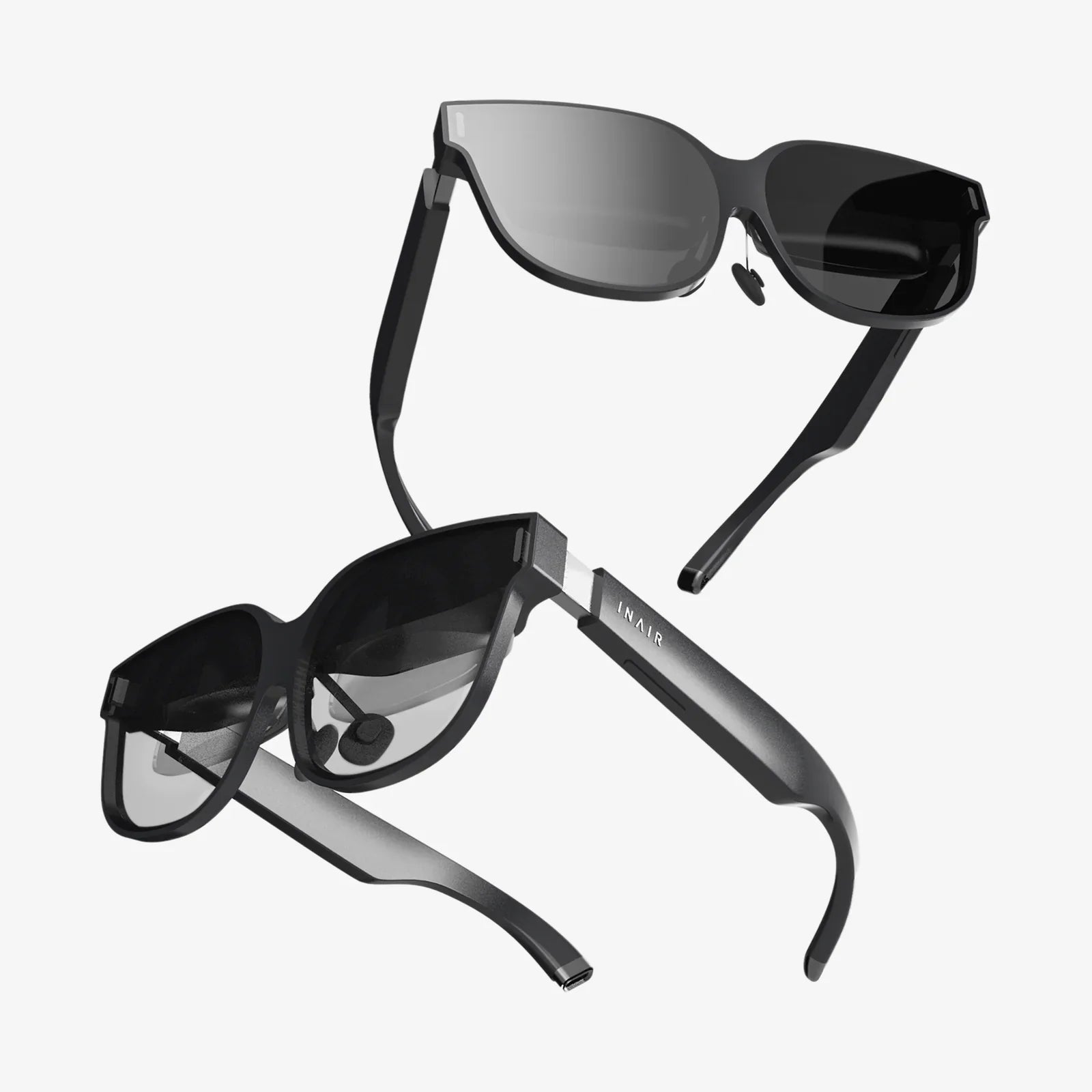
The digital and physical worlds are colliding in spectacular fashion, and at the epicenter of this revolution lies mixed reality. For developers, designers, and visionary entrepreneurs, the ability to craft applications that seamlessly blend holographic content with our real environment is no longer science fiction—it's the next frontier of human-computer interaction. The journey of mixed reality applicatie maken is a complex but incredibly rewarding endeavor, promising to redefine industries from healthcare and education to manufacturing and retail. This deep dive will equip you with the foundational knowledge and strategic insights needed to embark on this path, transforming your innovative ideas into tangible, immersive experiences that captivate and empower users.
Demystifying the Mixed Reality Spectrum
Before writing a single line of code, it's crucial to understand what we're building. Mixed Reality (MR) exists on a spectrum known as the reality-virtuality continuum. On one end, we have our physical reality, and on the other, a fully digital virtual reality. MR sits between these two poles, encompassing both augmented reality (AR) and augmented virtuality (AV).
Unlike AR, which simply overlays digital information onto the real world (often viewed through a smartphone screen), true MR allows for intelligent interaction between digital objects and the physical environment. A digital character can hide behind your real sofa; a holographic engine model can be placed on your actual desk, casting virtual shadows. This environmental understanding is the cornerstone of mixed reality applicatie maken.
The Core Pillars of MR Development
Building a robust mixed reality experience rests on several technological pillars that your application must leverage:
Spatial Mapping and Understanding
This is the magic that allows your application to "see" the world. Using sensors like depth cameras and LiDAR, the device scans the environment to create a 3D mesh, understanding the geometry of floors, walls, ceilings, and other surfaces. This enables precise placement and occlusion of holograms.
Inside-Out Tracking
Unlike external sensor systems, modern MR devices use inside-out tracking. Cameras and sensors on the headset itself track its position in the world without any external markers. This allows for complete freedom of movement, which is essential for a convincing experience.
Gesture and Voice Input
Traditional input methods like mice and keyboards are impractical in MR. Development focuses on intuitive hand and gesture recognition, allowing users to grab, resize, and manipulate holograms with natural movements. Voice commands further enhance hands-free interaction, making the experience feel more natural and powerful.
Spatial Sound
Audio in MR is not stereo; it's spatial. A sound emitted from a holographic object to your left will actually sound like it's coming from your left, even if you turn your head. This auditory cue is critical for immersion and for guiding user attention within the experience.
Choosing Your Development Platform and Tools
The ecosystem for mixed reality applicatie maken is maturing rapidly, with powerful tools available to developers.
Game Engines: The Powerhouses
The vast majority of high-fidelity MR applications are built using powerful game engines. These platforms provide the rendering power, physics systems, and asset pipelines necessary for creating believable worlds.
- Unity: Often considered the gateway to MR development, Unity boasts an extensive ecosystem, a user-friendly editor, and robust support for all major MR platforms through its XR Foundation Toolkit (XRIT). Its vast asset store and large community make it an excellent choice for beginners and pros alike.
- Unreal Engine: Known for its cutting-edge, high-fidelity graphics, Unreal is the engine of choice for experiences where visual realism is paramount. It offers powerful built-in tools for MR development and is increasingly popular for enterprise-grade applications.
Software Development Kits (SDKs)
SDKs provide the essential APIs to access the device's unique capabilities like spatial mapping, gesture recognition, and voice input. The choice of SDK often depends on the target hardware platform, though efforts like OpenXR are working to create a universal standard that simplifies development across devices.
The Blueprint: Planning and Designing Your MR Application
Jumping straight into development is a recipe for failure. Thoughtful planning and user-centric design are more critical in MR than in any other medium.
Defining the User Experience (UX)
MR UX is fundamentally different from 2D screen design. You must consider:
- Comfort: Avoiding simulation sickness is paramount. Maintain a stable frame rate, avoid unnatural movement, and provide comfort modes.
- Context: Is the user in a large, empty warehouse or a small, cluttered living room? The design must adapt to varying physical contexts.
- Interaction Model: How will the user navigate? Will they teleport, walk, or use a thumbstick? How will they select and manipulate objects? Establishing clear, consistent interaction paradigms is essential.
Creating the User Interface (UI)
Forget flat, 2D menus. MR UI must exist in 3D space as a natural part of the environment. Key principles include:
- World-Locked vs. Body-Locked: Should UI elements be fixed in the world (like a virtual screen on a wall) or follow the user (always in their peripheral vision)?
- Legibility: Text and icons must be clear and readable at various distances and lighting conditions.
- Spatial Placement: UI should be placed within the user's comfortable field of view and at an ergonomic distance to prevent neck strain.
The Development Workflow: From Concept to Hologram
The actual process of mixed reality applicatie maken follows a structured but iterative path.
- Prototyping: Start simple. Use primitive shapes (cubes, spheres) in your game engine to block out the core interactions and user flow. Test early and often on the target device.
- Asset Creation: 3D models, textures, animations, and audio are created or sourced. Performance optimization is crucial here; high-polygon models can destroy frame rates.
-
Integration and Coding: This is where you bring everything together. You'll write scripts to handle:
- Spatial awareness and surface detection.
- Gesture and controller input parsing.
- Hologram behavior, physics, and interaction logic.
- Data integration from external sources (cloud APIs, databases).
- Rigorous Testing: Testing is not a final step; it's a continuous process. You must test in a variety of real-world environments to ensure spatial mapping works under different lighting conditions and with different surface types. User testing is invaluable for identifying UX issues.
- Deployment and Distribution: Depending on the target audience, the application can be distributed through official app stores for consumer hardware or through enterprise deployment channels for business applications.
Overcoming Common Challenges in MR Development
Every new frontier has its obstacles. Being aware of these challenges will prepare you for the journey ahead.
- Performance Optimization: Maintaining a high, stable frame rate (often 90 FPS or higher) is non-negotiable for user comfort. This requires efficient code, optimized assets, and careful use of real-time lighting and shadows.
- Battery Life and Thermal Management: The processing power required for MR is immense. Applications must be designed to be as efficient as possible to avoid overheating the device and draining the battery too quickly.
- Designing for Unknown Spaces: Unlike a mobile app used on a known screen size, your MR app will be used in countless different rooms and environments. It must be robust enough to handle cluttered, dynamic, and poorly-lit spaces gracefully.
- Onboarding: How do you teach a user to interact in a completely new medium? Designing an intuitive, non-intrusive onboarding sequence is one of the most difficult and important parts of the process.
The Future Horizon: Where Mixed Reality Is Headed
The technology underpinning mixed reality applicatie maken is advancing at a breakneck pace. Understanding these trends will help you build not just for today, but for tomorrow.
- Greater Accessibility: Hardware will become lighter, more affordable, and more comfortable, moving from specialized devices to all-day wearables, similar to eyeglasses.
- Enhanced AI Integration Artificial intelligence will play a larger role in understanding scenes at a semantic level—not just recognizing a chair as a surface, but knowing it's a chair, its purpose, and how it can be interacted with.
- WebXR and Cloud Streaming: The ability to experience MR through a web browser via WebXR lowers the barrier to entry dramatically. Cloud streaming of complex experiences could offload heavy processing from the device itself.
- The Metaverse Convergence: MR is the ultimate bridge between the physical world and persistent, shared virtual worlds—often called the metaverse. The applications you build today are the foundational layers for this interconnected future.
The power to create applications that overlay digital intelligence onto our physical reality is one of the most transformative skills a developer can possess today. It's a multidisciplinary challenge that blends art, code, and human psychology in entirely new ways. While the path of mixed reality applicatie maken requires learning new tools and embracing new design philosophies, the potential impact is limitless. You are not just building apps; you are crafting new ways to see, learn, work, and connect. The tools are here, the platforms are stable, and the digital frontier is waiting for your vision. The question is no longer if you should start, but what incredible experience you will build first.
Share:
Virtual Reality Space The Final Frontier of Human Experience and Connection
Virtual Reality Goggles Best Buy: The Ultimate Guide to Your Perfect Immersive Headset