


Imagine a world where the digital and the physical are no longer separate realms but a single, unified experience, accessible to billions through a device already in their pocket. This is not a distant science fiction fantasy; it is the present and future being built today through Mobile Augmented Reality (AR) technology. The convergence of advanced smartphones, sophisticated software, and ubiquitous connectivity has catapulted AR from a niche novelty to a mainstream technological force, setting the stage for a profound transformation in how we interact with information, entertainment, and each other. The race to define this new layer of reality is already underway, making a coherent mobile AR technology strategy not just an advantage, but a critical imperative for survival and dominance in the next decade.
The Pillars of Mobile AR Technology
At its core, Mobile AR overlays computer-generated perceptual information onto the user's view of the real world. Unlike its cousin, Virtual Reality (VR), which creates a completely immersive digital environment, AR enhances reality by adding to it. The magic that makes this possible rests on several technological pillars that have matured significantly in recent years.
Sensing and Perception
The eyes of any AR system are its sensors. Modern smartphones are equipped with a sophisticated array of hardware that allows them to understand their environment. High-resolution cameras capture the visual world, while LiDAR (Light Detection and Ranging) scanners, now common in premium devices, measure distances by illuminating targets with laser light and analyzing the reflected light. This creates a detailed depth map of the surroundings, allowing digital objects to occlude and be occluded by real-world geometry, a critical factor for immersion. Simultaneous Localization and Mapping (SLAM) algorithms process this sensor data in real-time to construct a map of an unknown environment while simultaneously tracking the device's location within it. This complex dance of hardware and software is what allows a digital dinosaur to convincingly stomp across your living room floor.
Processing and Compute
The brain of the operation is the processing unit. Mobile System-on-a-Chips (SoCs) have become incredibly powerful, with dedicated cores for AI and machine learning tasks essential for AR. These processors handle the immense computational load of environmental understanding, object recognition, and rendering high-fidelity 3D graphics. However, the future of AR processing is hybrid. Edge computing—processing data on the device itself—ensures low latency for crucial real-time interactions. This is complemented by cloud computing, which offloads more complex tasks like large-scale model rendering and vast world mapping, enabling experiences that would be impossible on a device's limited hardware alone. The seamless integration of edge and cloud compute is key to scaling mobile AR experiences.
Connectivity and 5G
The circulatory system that connects the device's brain to the cloud is high-speed, low-latency connectivity. The rollout of 5G networks is a game-changer for mobile AR. Its dramatically higher speeds and near-instantaneous response times are vital for streaming rich AR content without lag or buffering, which can break immersion and cause user discomfort. 5G's network slicing capability can also guarantee a specific quality of service for AR applications, ensuring a consistent experience even in crowded network conditions. This robust connectivity is the backbone for persistent AR experiences—digital content that remains anchored to a specific location for all users to see, effectively weaving a digital layer over the physical world.
User Interface and Interaction
How users interact with this blended reality is fundamentally different from traditional touchscreen gestures. Mobile AR pioneers new paradigms in Human-Computer Interaction (HCI). Voice commands become a natural hands-free tool for issuing commands. Hand-tracking technology allows users to manipulate digital objects with pinch, grab, and swipe motions in mid-air. Advanced haptic feedback provides a sense of touch, making interactions feel tangible. The goal is to create an intuitive interface where the technology fades into the background, and the interaction with the digital content feels as natural as interacting with a physical object.
Forging a Winning Mobile AR Strategy
Adopting mobile AR is not merely a technical implementation; it is a strategic business decision that requires careful planning and a clear vision. A successful strategy moves beyond one-off marketing campaigns to integrate AR into the core value proposition of a business.
Defining the Purpose: Utility vs. Entertainment
The first strategic question is: what is the goal? AR applications generally fall into two camps: utilitarian and experiential. A utilitarian application solves a specific problem or enhances a process. For example, a furniture retailer enabling customers to visualize products in their home at true-to-life scale before purchasing, drastically reducing return rates and increasing consumer confidence. An industrial technician using AR glasses connected to their phone to see schematics and instructions overlaid on malfunctioning machinery, improving repair accuracy and speed. The value here is measured in efficiency, cost-saving, and error reduction.
Experiential AR, on the other hand, focuses on engagement, branding, and entertainment. This could be a game that transforms a city park into a fantasy battlefield, a music artist launching an album with an AR scavenger hunt, or a museum bringing historical exhibits to life with animated figures and stories. The value is measured in user engagement, brand recall, and new revenue streams. The most powerful strategies often find a way to blend both, providing clear utility that is delivered through an engaging experience.
The Platform Dilemma: Native App vs. WebAR
A critical technical and strategic choice is the delivery mechanism. Native apps are downloaded from an app store and have full access to the device's AR capabilities (ARKit on iOS, ARCore on Android). They offer the highest performance, most advanced features, and can work offline. However, they require a significant investment in development and marketing to overcome the friction of download and installation.
WebAR, experiences accessible through a mobile browser, presents a low-friction alternative. Users simply click a link and the experience loads, with no download required. This is ideal for broad-reach marketing campaigns, try-on experiences for cosmetics or sunglasses, and simple games. While WebAR capabilities are rapidly catching up to native apps, they still have limitations in tracking fidelity and graphic complexity. The choice depends on the strategic objective: depth of experience and repeated engagement (favoring native) versus maximum reach and discovery (favoring WebAR).
Building an Ecosystem and Content Strategy
No AR strategy exists in a vacuum. The most successful implementations consider the broader ecosystem. This includes creating or leveraging existing 3D asset pipelines, as high-quality content is the lifeblood of AR. It involves considering how AR experiences will integrate with existing systems like e-commerce platforms, Customer Relationship Management (CRM) software, and enterprise resource planning (ERP) systems. A content strategy must address how to create experiences that are not just novel, but truly valuable, encouraging repeat usage and building a community around the AR offering.
Data, Privacy, and the Ethical Imperative
AR applications, by their nature, collect vast amounts of data about the user's environment. This raises significant strategic questions around privacy and ethics. A transparent strategy that prioritizes user consent, anonymizes data, and clearly communicates how spatial information is used is not just a legal necessity but a competitive advantage that builds trust. Companies must establish ethical guidelines for AR, ensuring that experiences are designed responsibly and do not create safety hazards or intrusive surveillance.
Navigating the Dynamic Mobile AR Market
The market for mobile AR is not a monolith; it is a vibrant, complex, and rapidly shifting landscape of players, drivers, and challenges. Understanding its dynamics is essential for any strategic entry.
Key Market Segments and Growth Drivers
The adoption of mobile AR is being driven by several powerful forces. The consumer segment, led by gaming, social media filters, and retail, is the most visible. However, the enterprise segment is where some of the most valuable and ROI-positive applications are emerging. Industries like manufacturing, logistics, healthcare, and field services are using AR for remote assistance, complex assembly guidance, and training, leading to dramatic improvements in productivity and reduction in errors.
Market growth is fueled by the relentless improvement in hardware, the rollout of 5G, and increasing investment from major technology players who are building comprehensive AR platforms. Furthermore, as the generation that grew up with smartphones enters the workforce and becomes the dominant consumer base, familiarity and expectation for immersive digital experiences will become the norm, further accelerating adoption.
The Competitive Landscape
The market features a diverse set of competitors. Tech giants are engaged in a platform war, developing the core software frameworks (ARKit, ARCore) and investing heavily in the ecosystem to attract developers. Alongside them, a thriving ecosystem of specialized AR startups focuses on creating tools, applications, and content for specific vertical markets. Meanwhile, traditional companies across retail, automotive, and industrial sectors are building internal AR competencies and partnering with tech firms to avoid disruption and gain a competitive edge.
Challenges and Barriers to Adoption
Despite the excitement, significant barriers remain. Technological limitations, such as battery drain, device overheating during prolonged AR use, and the variable quality of environmental understanding, can still hinder experiences. There is also a skills gap; a shortage of developers and designers proficient in 3D modeling, spatial computing, and AR-specific UX design slows down development. Furthermore, proving a clear and measurable return on investment (ROI) remains a hurdle for many businesses looking to justify large-scale AR projects, especially when the potential applications are still being explored and defined.
The Road Ahead: From Smartphones to Smart Glasses
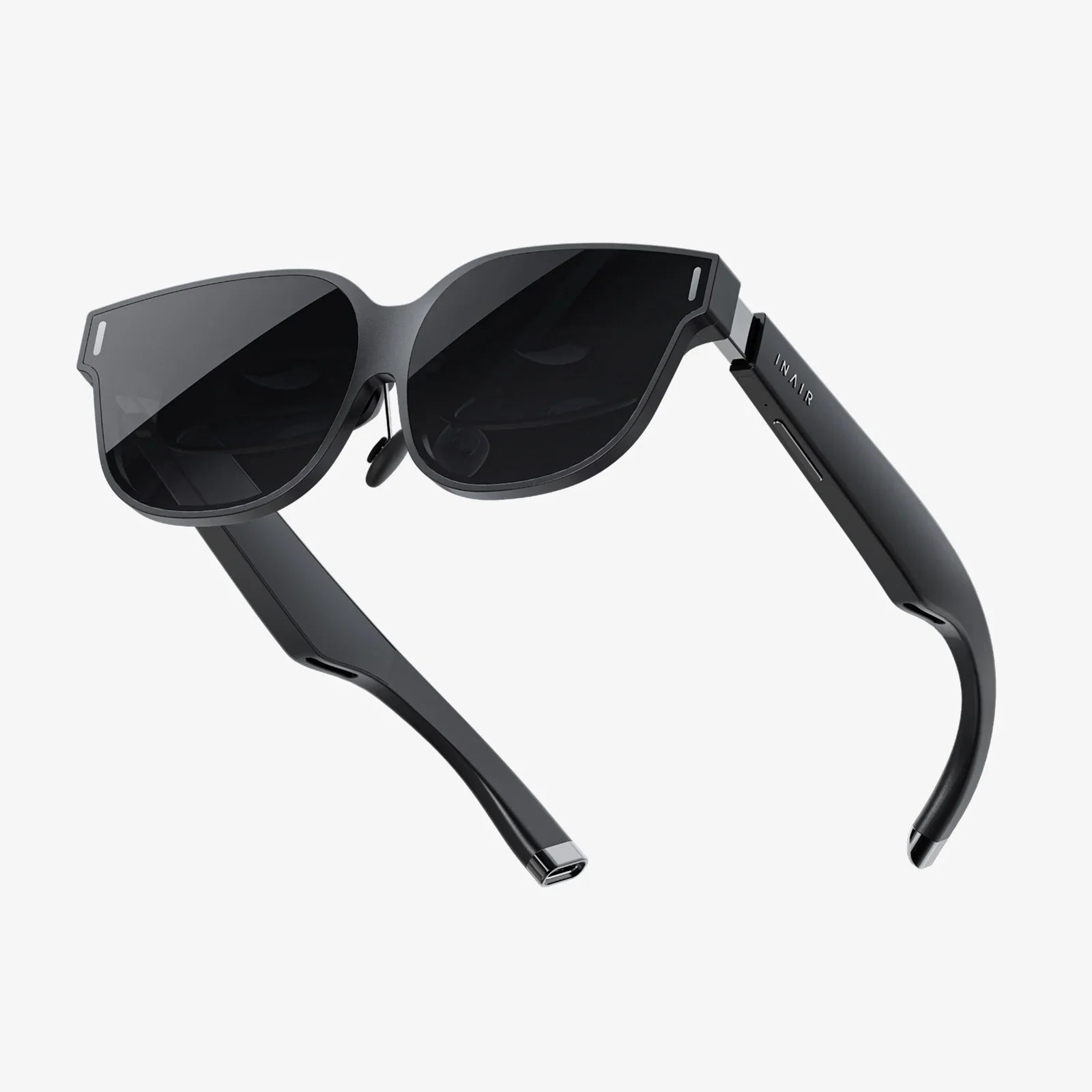
The current market is dominated by smartphones, which act as the gateway to AR for the masses. However, the long-term vision points towards wearable glasses that provide a truly seamless, hands-free experience. The development of all-day battery life, socially acceptable form factors, and powerful enough compute in a glasses form factor is the holy grail. The mobile AR market of today is essentially the training ground and proving lab for this eventual transition. The strategies, applications, and user behaviors developed on smartphones will directly inform and pave the way for the ubiquitous augmented world of tomorrow, where the device in your hand becomes the lens on your face.
The line between our digital and physical lives is blurring irrevocably, and the gateway is the device you are likely holding right now. The businesses that will thrive are not those that simply experiment with a fun filter, but those that strategically integrate mobile AR to solve real problems, create magical experiences, and build a persistent layer of value atop our reality. The market is vast, the technology is ripe, and the first movers are already charting the course. The question is no longer if AR will change everything, but whether your strategy is ready to meet it.
Share:
Cool Wearable Tech: The Future on Your Wrist and Beyond
Augmented Reality Glasses What You Can Buy Now or Soon: A Guide to the Next Digital Frontier