


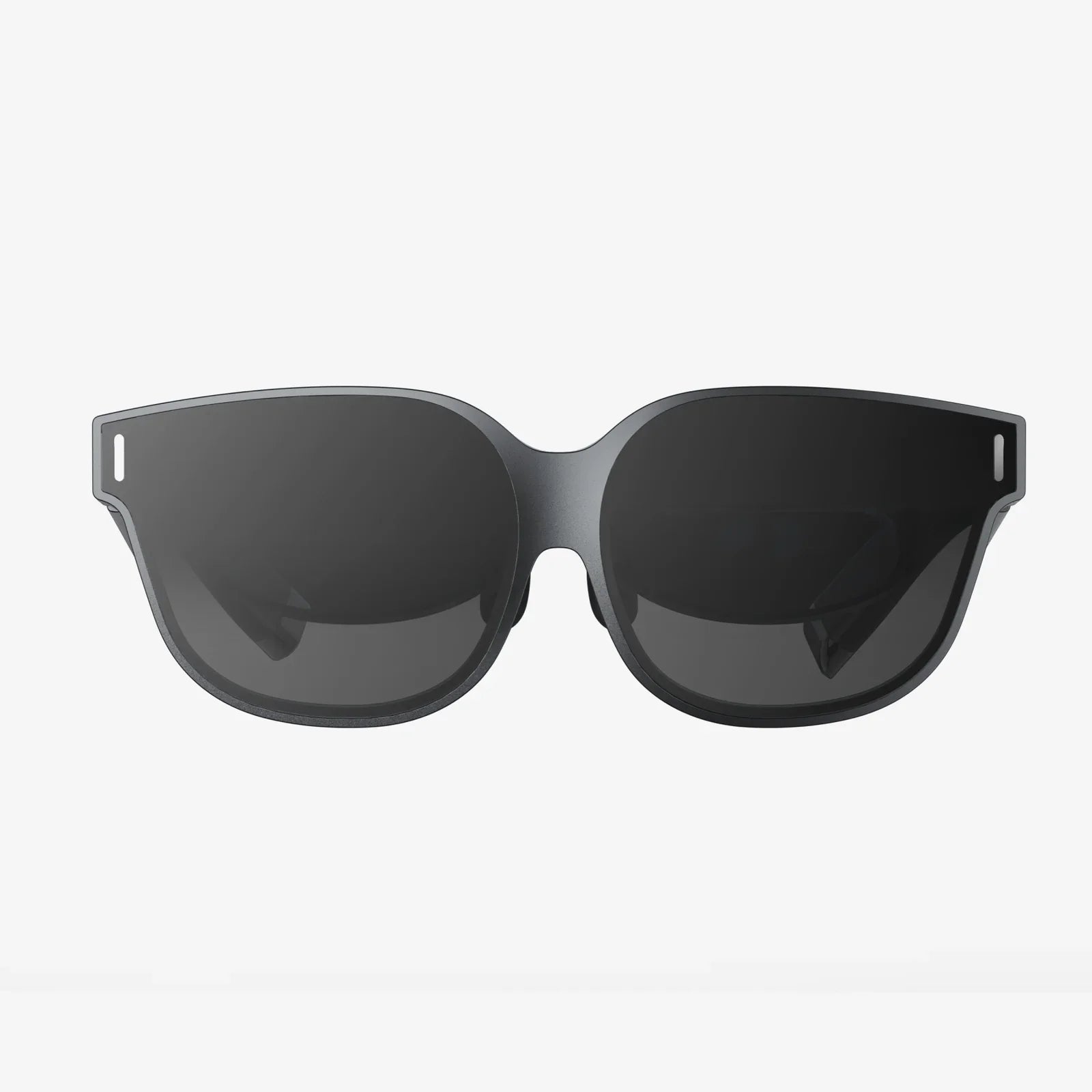
Imagine a room where your screen doesn't just sit on a desk, but floats effortlessly in the air, a seamless extension of your wall and your workflow. This isn't a glimpse into a distant future; it's the reality offered by the sophisticated world of the mounted display. The decision to elevate your screen is about far more than reclaiming desk space—it's a fundamental shift in how we interact with technology, design our environments, and enhance our daily lives. From the minimalist home office to the high-stakes command center, the humble act of mounting a display unlocks a new dimension of efficiency, comfort, and style, promising to revolutionize your view from every angle.
The Evolution of Viewing: From Bulky Consoles to Floating Screens
The journey of the display is a story of liberation. For decades, the relationship between a screen and its surface was a fixed one. Televisions sat on heavy, dedicated consoles, and computer monitors occupied vast tracts of precious desk real estate, tethered by a mess of cables and constrained by their fixed, often awkward, positions. These setups were not only space-inefficient but also rigid, forcing the user to conform to the technology rather than the other way around. The advent of the mounted display marked a paradigm shift. Initially a niche solution for commercial and industrial settings, the technology has been refined and democratized, becoming an accessible upgrade for any environment. This evolution was driven by a growing understanding of ergonomics, a desire for cleaner aesthetics, and the relentless pursuit of a more integrated and intelligent living space. We have moved from simply placing a screen to strategically positioning a visual interface, freeing it from the shackles of the surface below.
Beyond Saving Space: The Multifaceted Benefits of Mounting
While the immediate appeal of a mounted display is often the liberation of desk or cabinet space, the advantages extend much deeper, touching on health, performance, and overall environmental harmony.
A Posture for Productivity: The Ergonomic Imperative
Perhaps the most significant benefit is ergonomic. A static screen position forces the body into compensation, leading to strained necks, hunched shoulders, and tired eyes—a recipe for discomfort and long-term injury. A mounted display, particularly those with full articulation, empowers the user to achieve a truly neutral body position. The screen can be adjusted for height to ensure the top of the display is at or slightly below eye level. It can be tilted to eliminate glare, and it can be swiveled to share content with a colleague without physically moving the entire unit. This dynamic adjustability is crucial for maintaining comfort during extended periods of work or entertainment, reducing physical fatigue, and boosting overall well-being and focus.
The Aesthetics of Minimalism: Curating a Clean Environment
In today's design-conscious world, visual clutter is the enemy of a calm and focused mind. A mounted display is a powerful tool in the pursuit of minimalist aesthetics. By lifting the screen off the desk and employing clever cable management solutions, the entire workspace is instantly transformed. Wires that once snaked across surfaces can be routed discreetly through the mount and behind walls or raceways, creating a sleek, uninterrupted look. This "floating" effect contributes to a sense of openness and order, making a room feel larger and more intentional. The display itself becomes a piece of functional art, drawing attention to the content rather than the hardware supporting it.
Optimizing for Function: Tailoring the View to the Task
Different tasks demand different setups. A graphic designer requires precise, consistent viewing angles and color accuracy. A financial analyst might benefit from a portrait-oriented display for viewing long spreadsheets. A gamer needs a screen positioned for immersive, responsive play. A mounted display provides the flexibility to cater to these specific needs. Articulating arms allow for pulling the screen closer for detailed work or pushing it back for a broader view. The ability to switch between landscape and portrait orientations on the fly is a game-changer for many professions. This customization ensures that your technology is always configured in the optimal way for whatever you are doing, maximizing efficiency and effectiveness.
Choosing Your Mount: A Guide to Types and Mechanics
Not all mounts are created equal. The right choice depends entirely on the intended use, the environment, and the desired level of flexibility. Understanding the different types is key to a successful installation.
Fixed and Low-Profile Mounts
These mounts are designed to hold a display flush against the wall, much like a painting. They offer a clean, minimalist look and are extremely stable. The trade-off is a complete lack of adjustability once installed. This type is ideal for displays in fixed viewing areas, such as a living room television where the primary seating is directly opposite, or for digital signage in a corporate lobby where a sleek, integrated appearance is paramount.
Tilt Mounts
Building on the fixed mount, a tilt mount allows the screen to be angled vertically. This is crucial for mitigating glare from overhead lighting or windows and for achieving a more comfortable viewing angle if the display is mounted slightly higher than ideal. They offer a good balance between a sleek profile and a degree of useful adjustment.
Full-Motion or Articulating Arms
This is the ultimate in flexibility. These mounts feature one or more articulated arms that allow the display to extend, swivel, tilt, and rotate. You can pull the screen toward you, push it against the wall, angle it toward another part of the room, or even rotate it into a portrait orientation. This is the preferred choice for desktop monitors in home offices or studios, where the user's needs change throughout the day. They transform a static display into a dynamic tool.
Ceiling and Floor Mounts
For situations where wall mounting is impractical or undesirable, ceiling and floor mounts offer alternative solutions. Ceiling mounts are common in retail environments, medical facilities, and conference rooms to save floor space and provide an unobstructed view from below. Floor mounts are often used in showrooms or as room dividers in open-plan offices, providing stability and mobility without requiring permanent wall modifications.
The Installation Equation: Key Considerations Before You Drill
A successful mounted display project hinges on preparation. Rushing into an installation without proper planning can lead to frustration, damage, or even injury.
The Foundation: Wall Composition and Stud Finding
The single most important factor is understanding what lies behind your wall. Drywall alone cannot support the weight of a display. Mounts must be securely anchored to wall studs—the vertical wooden or metal beams within the wall. Using a reliable stud finder is non-negotiable. For heavier displays, hitting at least two studs is recommended for maximum stability. If the studs are not in the ideal location, special heavy-duty toggle bolts designed for drywall can be used, but they have strict weight limits and may not be suitable for larger, articulating mounts. Masonry walls (brick, concrete) require specific anchors and drills. Never guess when it comes to mounting hardware; always use the hardware specified by the mount manufacturer for your wall type.
Weight and Size Compatibility: Matching the Mount to the Monitor
Every mount is rated for a specific range of screen sizes and weights, including the VESA pattern compatibility. The VESA standard (Video Electronics Standards Association) defines a pattern of four screw holes on the back of the display. It is imperative to check that your display's VESA pattern (e.g., 100x100mm, 200x200mm, 400x400mm) is supported by the mount you choose. Equally important is ensuring the weight of your display does not exceed the mount's capacity. Exceeding this capacity can lead to failure and a disastrous result.
The Cable Conundrum: Planning for Invisible Wires
A mounted display with a tangled mess of cables dangling down defeats the purpose of a clean aesthetic. Thoughtful cable management is essential. This can involve using adhesive-backed clips, velcro straps, or sleeving to bundle cables neatly along the mount arm. For the ultimate clean look, an in-wall cable management kit allows you to run power and AV cables directly through the wall from the display down to an outlet and media equipment. If pursuing an in-wall solution, always be aware of local electrical codes—low-voltage cables like HDMI may have different requirements than power cables.
Transforming Environments: Mounted Displays in Action
The application of mounted displays stretches across every facet of modern life, optimizing spaces for work, play, and care.
The Modern Home Office and Gaming Station
Here, the articulating arm reigns supreme. It allows for perfect ergonomic positioning throughout the workday and can be easily reconfigured for collaborative video calls or side-by-side document comparison. For gamers, it enables the precise placement needed for immersive racing or flight simulator setups, bringing the action right into the player's lap.
The Immersive Living Room and Home Theater
Low-profile fixed or tilt mounts are the standard, creating a cinematic, gallery-like feel. By placing the television at the perfect height and angle for the primary seating, they enhance the viewing experience and integrate the technology seamlessly into the living space, avoiding the outdated "TV on a stand" look.
Command and Control: Corporate and Industrial Settings
In security rooms, broadcasting studios, and financial trading floors, mounted displays are mission-critical. Heavy-duty multi-display arrays are used to create vast video walls, with each screen meticulously aligned. The reliability and precision of professional-grade mounts ensure these complex systems operate flawlessly 24/7.
Enhancing Care: Healthcare and Educational Facilities
In hospitals, mounted displays on articulating arms bring entertainment and information directly to patients without taking up valuable bedside table space. In classrooms and training rooms, they allow instructors to present content from the best possible angle for all students, fostering a more interactive and engaging learning environment.
The Horizon of Display Technology: What's Next for Mounting?
The future of mounted displays is one of even deeper integration and intelligence. We are already seeing trends like ultra-thin displays that virtually disappear when flush-mounted. Motorized mounts are becoming more accessible, allowing screens to be raised, lowered, or tilted at the touch of a button or via voice command, integrating seamlessly with smart home ecosystems. As screens themselves become lighter, more flexible, and even rollable, the mounting solutions will evolve in tandem. We can envision a future where displays are truly ambient, appearing and retracting as needed, with mounts acting as intelligent docks that manage power, data, and positioning autonomously. The goal remains constant: to make the technology we look at all day an effortless and enhancing part of the world we live in.
The true power of a mounted display lies not in the hardware itself, but in the freedom it grants you to reimagine your space. It’s an invitation to break free from the constraints of the desktop, to prioritize your physical comfort, and to curate an environment that is both highly functional and serenely uncluttered. This simple upgrade transcends mere utility, offering a daily reminder that the best technology is the kind that adapts to you, effortlessly elevating your view and transforming the way you work, play, and live.
Share:
Best AR Glasses for Productivity: The Ultimate Guide to a Seamless Digital Workflow
Hologram TV Technology is Redefining the Future of Home Entertainment