


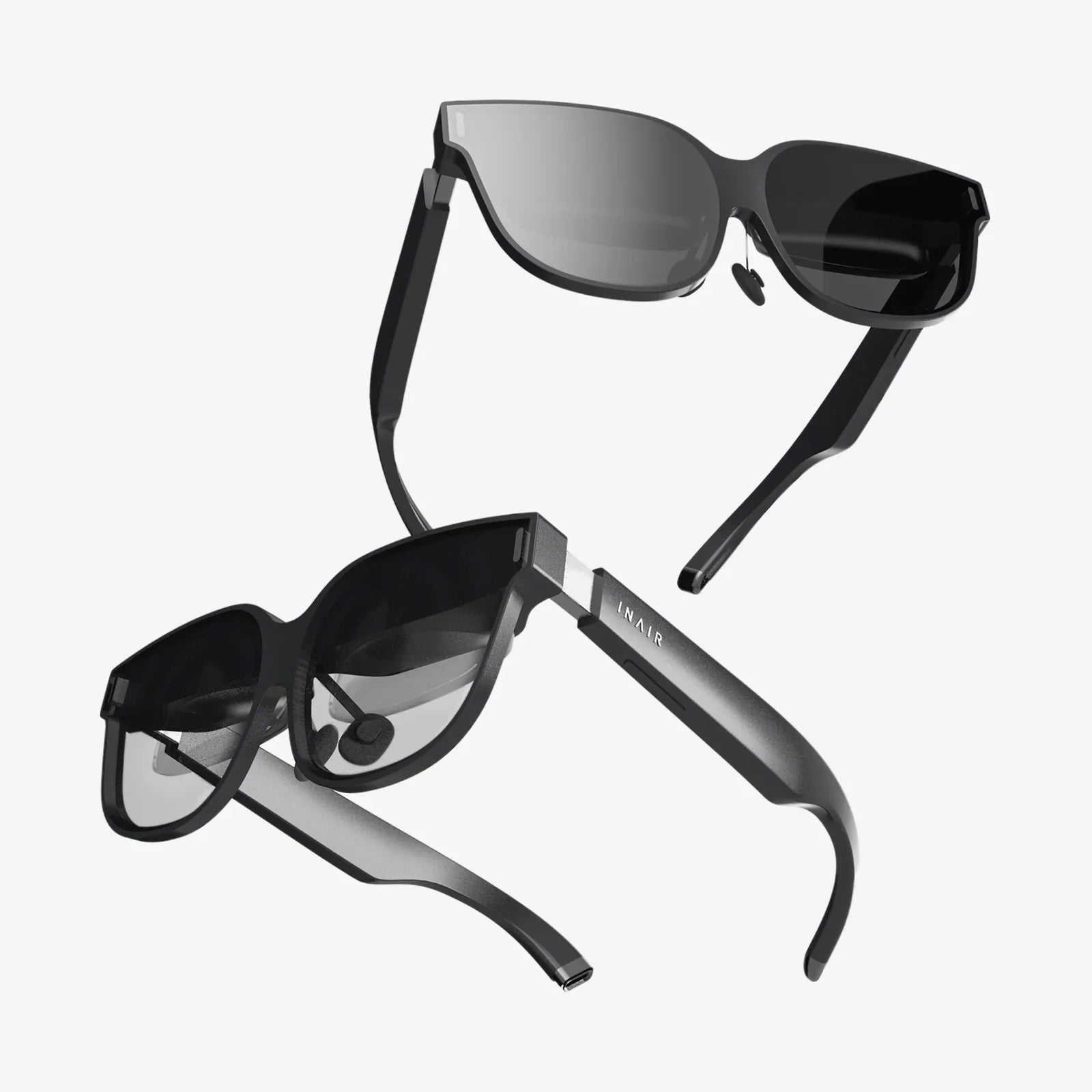
Remember when Virtual Reality was a clunky, isolating novelty, a promise of the future that never quite arrived? Forget everything you thought you knew. We are standing at the precipice of a new digital dawn, where the lines between our physical reality and boundless virtual worlds are not just blurring—they are dissolving. The next wave of VR is not about escaping reality; it's about enhancing, connecting, and redefining it. This isn't science fiction; it's the unfolding present, and it's more immersive, social, and impactful than anyone could have predicted. The headset is merely the gateway; the real revolution is happening within.
The Metaverse: From Buzzword to Blueprint
No discussion of modern VR is complete without addressing the elephant in the virtual room: the Metaverse. While the term itself has been overhyped and often misunderstood, its core concept is driving the most significant trend in VR—the shift from isolated experiences to a persistent, interconnected digital universe. This is not about a single application or platform but a new layer of the internet, experienced in immersive 3D.
The trend is moving away from walled gardens and toward open standards that allow for interoperability. Imagine purchasing a digital outfit for your avatar and being able to wear it across different virtual platforms, from a business meeting to a concert. This requires a foundational shift in technology, focusing on shared protocols for identity, assets, and currency, often built on blockchain and NFT technology. While speculative finance has overshadowed the conversation, the underlying technological push is toward a seamless digital existence where your virtual possessions and identity have continuity.
The Avatar Evolution: Your Digital Self
At the heart of this social and interconnected experience is the evolution of the avatar. The blocky, cartoonish figures of the past are giving way to hyper-realistic digital twins and expressive, stylized representations of ourselves. Advanced photogrammetry and volumetric capture techniques can now scan a person and create a photorealistic avatar in minutes, capturing every nuance of expression.
More importantly, the focus is on eye-tracking and facial expression tracking. Newer headsets have sensors that monitor your eyes and the muscles around your mouth and cheeks. This means your avatar doesn't just mimic your head movements; it conveys your actual emotional state. A raised eyebrow, a subtle smirk, a glance of uncertainty—these micro-expressions are the bedrock of human connection and are now being translated into the virtual space. This leap in fidelity is crucial for moving VR beyond gaming into areas like remote work, therapy, and socializing, where non-verbal cues are paramount.
The Enterprise Revolution: VR Gets to Work
While consumer applications capture headlines, the most profound and immediate adoption of VR is happening within enterprise and industrial sectors. Companies are leveraging immersive technology to solve real-world problems, boost efficiency, and reduce costs.
- Design and Prototyping: Automotive and aerospace engineers are using VR to design and prototype new vehicles in a collaborative virtual space, examining full-scale 3D models long before a physical prototype is built. This saves millions of dollars and accelerates innovation cycles.
- Training and Simulation: From surgeons practicing complex procedures to warehouse employees learning safety protocols, VR provides a risk-free environment for mastering high-stakes tasks. It allows for the repetition of rare scenarios and provides detailed performance analytics that are impossible to replicate in the real world.
- Remote Assistance and Collaboration: A field technician wearing a lightweight headset can stream their point-of-view to an expert thousands of miles away. The expert can then annotate the technician's real-world view with virtual arrows, diagrams, and instructions, enabling first-time fixes and reducing travel costs.
The Pursuit of Photorealism: Bridging the Uncanny Valley
The holy grail of VR is achieving true photorealism—creating virtual environments and characters that are indistinguishable from reality. We are getting closer than ever, thanks to several key technologies. Foveated rendering, powered by eye-tracking, is a game-changer. It works by rendering the area of the screen where the user's eyes are focused in high detail, while subtly reducing the detail in the peripheral vision. This mimics how the human eye works and dramatically reduces the computational power required, making high-fidelity graphics more achievable.
Furthermore, advancements in ray tracing and global illumination within real-time game engines are creating incredibly lifelike lighting and shadows. The interaction of light with different materials—the way it reflects off a wet surface or scatters through a marble statue—is being simulated with astonishing accuracy. This relentless push toward visual fidelity is crucial for deepening immersion and making professional applications like architectural walkthroughs and medical visualizations truly credible.
Beyond Controllers: The Rise of Natural Input
The standard handheld motion controller is being complemented, and in some cases replaced, by more intuitive and natural forms of input. Hand-tracking technology, which uses onboard cameras to track all ten fingers without any wearable devices, is becoming standard on new headsets. This allows users to interact with virtual objects using natural gestures—pressing a button, grabbing a lever, or manipulating a holographic model with their bare hands. This lowers the barrier to entry and makes VR experiences feel more immediate and magical.
Looking further ahead, research into haptic feedback vests, gloves, and even full-body suits aims to simulate the sense of touch. Imagine feeling the texture of a virtual fabric, the recoil of a tool, or the impact of a virtual object. This multi-sensory feedback is the final piece of the immersion puzzle, moving beyond sight and sound to engage our tactile senses. While consumer-grade versions are still emerging, they represent the clear direction of making digital interactions feel physically real.
Standalone and Accessible: The Democratization of VR
The era of the VR enthusiast tethered to a powerful and expensive computer is fading. The dominant trend is toward standalone headsets—all-in-one units that require no external PC, wires, or external sensors. These devices are more affordable, easier to set up, and completely wireless, granting users unparalleled freedom of movement. This shift is critical for mass adoption, making VR accessible to a much broader audience beyond hardcore gamers.
This accessibility is also driving a content revolution. The barrier for developers is lower, leading to a more diverse and experimental ecosystem of applications. Alongside major studio productions, we are seeing a surge of indie experiences, artistic creations, and social spaces that cater to a wide variety of interests and communities. VR is becoming a medium for everyone, not just a niche hobby.
The Invisible Interface: VR Meets the Real World
Perhaps the most futuristic trend is the move toward Augmented Reality (AR) and Mixed Reality (MR) integration. Passthrough camera technology on VR headsets is improving rapidly, allowing users to see a video feed of their physical surroundings. With this, the headset can act as an AR device, overlaying digital information onto the real world.
This Mixed Reality capability is transformative. You could have multiple large virtual screens floating in your living room for a productivity setup, play a game where virtual creatures hide behind your real furniture, or follow virtual instructions to assemble a physical piece of equipment. This blending of realities represents the ultimate goal: not replacing our world, but augmenting it with a layer of dynamic, interactive digital information, making the headset a tool for all aspects of life.
The journey into virtual space is no longer a solitary one. It's a shared expedition into a new frontier of human experience, where the only limit is imagination itself. The hardware is fading into the background, becoming a mere window, and the focus is squarely on the profound connections and boundless creations that lie on the other side. This is no longer about the technology you put on your head; it's about the experiences you will share and the realities you will build. The next chapter of our digital lives is being written now, and it invites you to log in and help shape it.
Share:
Japan Augmented and Virtual Reality Market: A Deep Dive into Innovation and Cultural Integration
What Are the Disadvantages of Virtual Reality: The Hidden Costs of Immersion