


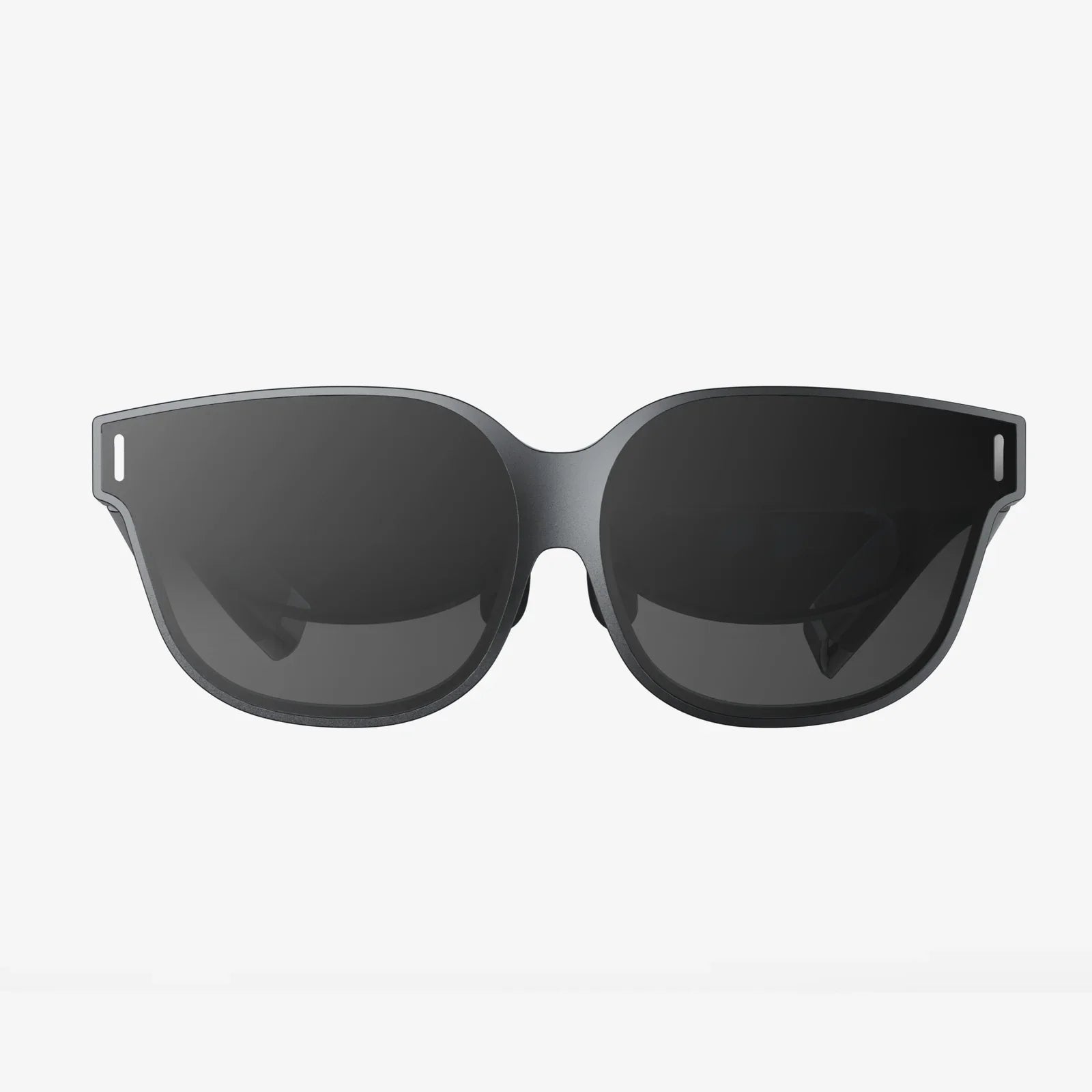
Imagine a world where a simple tap on your wrist or a discreet voice command can summon help, share your location with loved ones, or record an incident—all without fumbling for a phone. This is no longer the stuff of science fiction; it's the reality offered by the rapid evolution of the personal security wearable. In an age where personal safety is a paramount concern for people from all walks of life, these innovative devices are emerging as a powerful tool for empowerment, offering a tangible sense of control and a direct line to assistance when it's needed most. They represent a fundamental shift from reactive fear to proactive preparedness, and their impact is only just beginning to be understood.
The Evolution of Personal Safety: From Whistles to Wearables
The human desire for security is timeless, but the tools we use have undergone a dramatic transformation. For generations, personal safety measures were often rudimentary and reactive. People relied on loud whistles to attract attention, carried bulky, single-purpose devices like pepper spray, or practiced situational awareness as their primary defense. While these methods still have their place, they share a common limitation: they often require the user to be physically capable and mentally composed enough to deploy them effectively during a high-stress situation.
The advent of the smartphone introduced a new layer of safety, with dedicated apps offering features like location sharing and emergency contact alerts. However, phones have their own vulnerabilities. They can be dropped, run out of battery, be buried in a bag, or be snatched away. The personal security wearable addresses these gaps by being always-on, immediately accessible, and designed for a single, critical purpose: keeping you safe. This shift from a multi-function device to a dedicated, body-worn guardian marks a significant leap forward in safety technology.
How Do Personal Security Wearables Work? The Technology Unveiled
At their core, these devices are marvels of miniaturization and connectivity. They integrate several key technologies to create a seamless and effective safety net:
Discreet Activation Mechanisms
The most crucial feature is the ability to call for help quickly and surreptitiously. This is typically achieved through:
- Manual Buttons: Large, prominent, or recessed buttons that can be pressed easily, even in a panic.
- Pull Pins: Similar to those on a grenade, removing a pin instantly triggers an alert without needing to look at the device.
- Gesture Control: A specific movement, like shaking the wrist or tapping the device multiple times, can activate it.
- Voice Activation: Using simple voice commands to call for help or check in.
Advanced Connectivity
For an alert to be useful, it must get out. Wearables utilize multiple radios:- Cellular Connectivity (LTE-M/NB-IoT): Many devices have their own built-in cellular connection, operating independently of a smartphone. This ensures they work even if your phone is off or out of range.
- Bluetooth: Pairs with a smartphone app to leverage its data connection and provide a richer feature set.
- GPS and GNSS: Global Navigation Satellite Systems provide precise location data, ensuring that responders know exactly where to go.
- Wi-Fi Positioning: Used indoors where GPS signals are weak, helping to triangulate a more accurate location.
Integrated Sensors
Modern wearables are packed with sensors that provide context to an alert:
- Accelerometer/Gyroscope: Can detect falls, sudden impacts, or aggressive motions like being knocked over.
- Microphone: Can automatically record audio upon activation, providing crucial evidence of an event.
- Light Sensor: Can trigger a bright LED strobe light to disorient an attacker and draw attention.
- Bio-sensors: Some advanced models monitor heart rate and stress levels, potentially triggering an alert based on physiological signs of extreme duress.
Beyond the Alert: The Ecosystem of Response
A wearable device is just the first link in a safety chain. Its true power is unlocked by the response ecosystem it connects to. When an alert is triggered, a sophisticated sequence of events is set in motion:
- Instant Notification: A distress signal, along with the user's live GPS location, is sent to a pre-selected list of emergency contacts via text and email.
- Live Audio Monitoring: In some systems, the device's microphone is activated, allowing contacts to listen to the situation in real-time and assess the level of danger.
- Professional Monitoring Centers: Premium services connect the user directly to a certified emergency response agent. This agent can speak to the user through the device, dispatch local police, ambulance, or fire services, and provide ongoing support until help arrives.
- Two-Way Communication: Advanced devices allow the monitoring center or contacts to communicate directly with the user, offering reassurance and gathering information.
This layered approach ensures that even if one contact is unavailable, others are notified, creating a robust and reliable safety net.
A Tool for Everyone: Diverse Applications Across Lifestyles
The utility of personal security wearables extends far beyond a single demographic. They are becoming essential for a wide range of people and situations:
For Students and Young Adults
Navigating college campuses, walking home from late-night study sessions, or using rideshare services can be anxiety-inducing. A wearable offers students and their families peace of mind, providing a direct line to campus security or friends if a situation feels uncomfortable.
For Professionals and Commuters
Those who travel frequently for work, commute before dawn or after dark, or work in isolated environments can carry a sense of security with them. A discreet wearable is more professional and accessible than clutching a phone or keys for protection.
For the Elderly and Medically Vulnerable
This is one of the most critical applications. Wearables with fall detection can automatically alert family and emergency services if a fall is detected, drastically reducing response times for strokes, heart attacks, or hip fractures. This technology enables older adults to maintain their independence for longer, knowing help is always within reach.
For Runners, Hikers, and Outdoor Enthusiasts
Venturing off the beaten path carries inherent risks. A cellular-connected wearable can be a lifesaver in areas with poor phone reception, allowing adventurers to call for help in case of an injury, animal encounter, or unexpected severe weather.
For Victims of Stalking or Domestic Violence
For those in high-risk situations, a quickly accessible panic button can be a critical lifeline, providing a discreet way to alert authorities and document threats without escalating the immediate situation.
Navigating the Considerations: Privacy, Limitations, and Responsible Use
As with any connected technology, the adoption of personal security wearables comes with important considerations.
Privacy and Data Security
These devices collect highly sensitive data: real-time location, audio recordings, and personal health information. It is imperative to choose products from companies with transparent, robust privacy policies. Users must understand how their data is stored, who has access to it, and under what circumstances it might be shared with third parties. Encryption and strong security protocols are non-negotiable features.
Understanding the Limitations
A wearable is a powerful tool, but it is not a magical shield. It cannot prevent an attack from happening. Its purpose is to mitigate the consequences and speed up the response. Effectiveness is also dependent on cellular coverage and battery life. Users must develop the habit of regularly charging their device and be aware of areas where signals might be weak.
The False Alarm Dilemma
Accidental activation can happen. Reputable services have protocols to handle this, such as calling the user to confirm an emergency before dispatching authorities. This prevents wasting valuable public safety resources and ensures the system remains effective for true emergencies.
Complacency vs. Empowerment
The goal of a security wearable is to enhance, not replace, personal vigilance. It should be part of a broader safety strategy that includes trusting your instincts, avoiding risky situations when possible, and maintaining general situational awareness. The device empowers you to act, not to become careless.
The Future of Personal Safety: Where Do We Go From Here?
The technology behind personal security wearables is advancing at a breathtaking pace. The future promises even more seamless and intelligent protection. We can expect to see deeper integration with smart home systems, where triggering an alert could also unlock doors for first responders and turn on lights. Artificial intelligence will play a larger role, with algorithms getting better at distinguishing between a stumble and a serious fall, or recognizing aggressive vocal tones to trigger an alert. Biometric monitoring will become more sophisticated, potentially predicting panic or medical events before they fully manifest. Furthermore, the push for standardization and direct integration with municipal 911 systems will make the response faster and more efficient than ever before.
The true value of a personal security wearable transcends its circuitry and software; it resides in the intangible confidence it provides. It’s the courage to take that evening walk, the reassurance for a family caring for an aging parent, and the empowerment for a student exploring a new city. This technology is quietly forging a new social contract, one where we are never truly alone or without recourse. It’s a small device on your person, but it represents a giant leap towards a world where everyone has the right to feel safe, secure, and empowered to live their life without fear holding them back. The next time you step out your door, the most important thing you carry might just be on your wrist, in your pocket, or around your neck.
Share:
PS VR Goggles: A Deep Dive into the Virtual Reality Experience
Types of Human-Computer Interaction: From Keyboards to Mind Control