


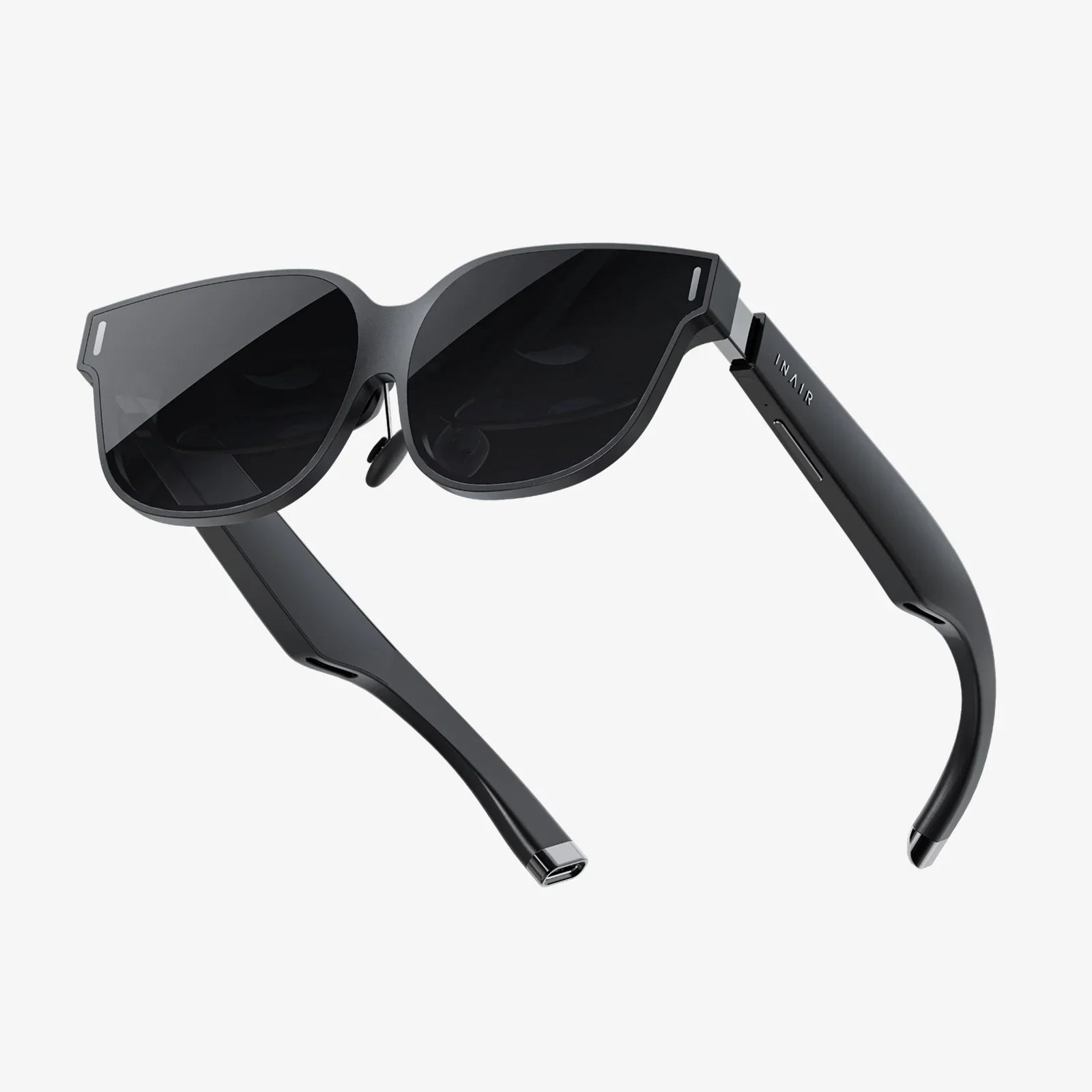
Imagine slipping on a headset and instantly being transported to a front-row concert seat, a strategic battlefield in a distant galaxy, or a virtual workshop where you can assemble complex 3D models with your hands. This is the breathtaking promise of mobile Virtual Reality, a technological marvel that turns your pocket-sized computer into a portal to limitless worlds. But not every device is built to handle this demanding digital leap. The quest for the perfect immersive experience begins with one critical choice: finding phones good for VR. The difference between a choppy, nauseating glimpse and a smooth, utterly convincing alternate reality lies in the hardware cradled within your smartphone. This guide will demystify the specs, explore the essential technologies, and equip you with the knowledge to select a handset that doesn't just run VR but truly excels at it, unlocking adventures limited only by your imagination.
The Engine Room: Processing Power and Graphics Performance
At the heart of any phone good for VR lies its System on a Chip (SoC). This isn't just about checking emails quickly; it's about rendering two high-resolution, detailed scenes simultaneously—one for each eye—at a blisteringly fast frame rate. A sluggish processor or a weak graphics unit is the fastest way to break immersion and induce the discomfort often associated with early VR.
Modern premium processors are designed with these intense workloads in mind. They feature dedicated cores for AI tasks, advanced image signal processors (ISPs) for handling camera data, and, most importantly, powerful GPUs (Graphics Processing Units). These GPUs are the workhorses, generating complex environments and ensuring every movement, every light effect, and every texture is rendered without delay. For a seamless experience that feels real, prioritizing a device with a top-tier processor and a benchmark-topping GPU is non-negotiable. It’s the foundation upon which every other VR feature is built.
A Window to Another World: The Display
Since the screen is magnified significantly by the lenses in a VR headset, its quality is paramount. Every pixel, every imperfection, becomes dramatically more visible. Therefore, phones good for VR must possess exceptional displays with several key characteristics.
First is resolution. A high pixel density is crucial to avoid seeing the individual red, green, and blue subpixels that make up the image, an effect unkindly known as the "screen door effect." This grid-like pattern shatters the illusion of reality. A Quad HD+ resolution or higher is typically considered the baseline for a clear, sharp picture where the virtual world feels solid and continuous.
Second, and arguably most critical for comfort, is the refresh rate. Standard phone screens refresh 60 times per second (60Hz). For VR, this is insufficient. A higher refresh rate—90Hz, 120Hz, or even beyond—makes motion incredibly smooth. When you turn your head in a virtual space, the world must update instantly. A low refresh rate creates motion blur and latency (lag), which is a primary cause of simulation sickness. A high refresh rate ensures the virtual environment tracks your head movements with perfect one-to-one fidelity, making it feel tangibly real.
Finally, factors like peak brightness, color accuracy, and HDR support contribute to the vibrancy and realism of the experience. A bright, vivid display ensures virtual worlds are as stunning and immersive as they were designed to be.
The Art of Tracking: Sensors and Low Persistence
How does the phone know exactly how you’re moving? The magic lies in a sophisticated array of sensors. A standard gyroscope and accelerometer, common in all smartphones, provide basic orientation data. However, phones truly optimized for VR integrate more advanced systems.
Some utilize additional sensors for finer tracking, while the software algorithms that interpret this sensor data are equally important. They must be incredibly precise and low-latency. Any delay between your physical movement and the movement reflected in the headset creates a disconnect that the brain finds jarring. This advanced sensor fusion is what allows for accurate head tracking, the absolute bedrock of a comfortable VR experience.
Another display technology that works in tandem with high refresh rates is low persistence. Instead of keeping each frame on the screen until the next one is drawn (which causes smearing during fast head movements), low persistence flashes each frame for a very short period. This eliminates motion blur and creates a crystal-clear image even during rapid movement, drastically reducing eye strain and elevating the overall clarity of the virtual world.
Staying Power: Battery Life and Thermal Management
Rendering a complex 3D world at high resolution and frame rate is perhaps the most demanding task a smartphone can perform. It consumes a tremendous amount of power and generates significant heat. A phone that becomes uncomfortably hot to the touch or throttles its performance to cool down will quickly ruin a VR session.
Phones good for VR are engineered with robust thermal management systems. This often involves advanced heat dissipation techniques like vapor chambers or large graphite sheets that spread heat away from the core components, allowing the processor to maintain its peak performance for longer periods without thermal throttling.
Similarly, a large-capacity battery is essential. Expect VR to drain battery life much faster than typical video streaming or gaming. Some enthusiasts even prefer devices that support pass-through charging, allowing you to plug in a power bank while using the headset for extended, uninterrupted adventures.
Beyond the Basics: Audio and Storage
Immersion is a multi-sensory experience. While stunning visuals are primary, spatial audio is what completes the illusion. Hearing a sound source move accurately around you in 3D space—from behind, above, or to the side—adds a profound layer of depth and realism. Phones with high-quality speakers or support for low-latency Bluetooth codecs for wireless headphones can significantly enhance this auditory dimension.
Furthermore, high-quality VR experiences are not small. Detailed environments, high-resolution textures, and complex game logic result in large application files. A phone with ample, fast internal storage is therefore a practical necessity. Running out of space after installing just a couple of premium VR titles is a frustrating limitation best avoided.
Choosing Your Portal: What to Look For Today
The market for smartphones is constantly evolving, and the definition of a "VR-ready" phone changes with it. While specific models come and go, the principles remain constant. When evaluating a potential purchase, prioritize these features in this order: a top-tier processor/GPU, a high-refresh-rate display (90Hz minimum, 120Hz+ preferred) with a resolution of at least Quad HD+, and ample RAM for smooth multitasking.
It's also wise to consider the broader ecosystem. While many VR headsets are universal, some are designed to work seamlessly with phones from the same manufacturer, potentially offering better software integration, optimized performance, and unique features. Researching headset compatibility can ensure you get the most cohesive and high-performing experience possible.
The journey into mobile virtual reality is more accessible and awe-inspiring than ever before. By understanding the technology that powers these incredible experiences, you can make an informed decision. You’re not just buying a phone; you’re choosing a key—a key that unlocks a universe of entertainment, education, and exploration waiting just beyond the visor. The right device will make that universe feel not just visible, but vibrantly, convincingly real.
Your next great adventure doesn't require a expensive dedicated console or a powerful desktop computer; it's waiting in the palm of your hand. By focusing on the core pillars of processing muscle, a buttery-smooth display, and advanced tracking, you hold the criteria to unlock truly transformative experiences. The world of mobile VR is evolving at a breakneck pace, offering deeper games, more social platforms, and practical tools that blend the digital and physical. Don't just settle for a phone that can barely handle it—choose a powerhouse designed to excel. The most immersive, comfortable, and breathtaking virtual worlds demand nothing less than the best hardware. Your portal to another dimension is one informed purchase away.
Share:
HCI Design: The Art and Science of Human-Computer Conversation
VR Gadgets: The Ultimate Guide to the Virtual Revolution Reshaping Our Reality