


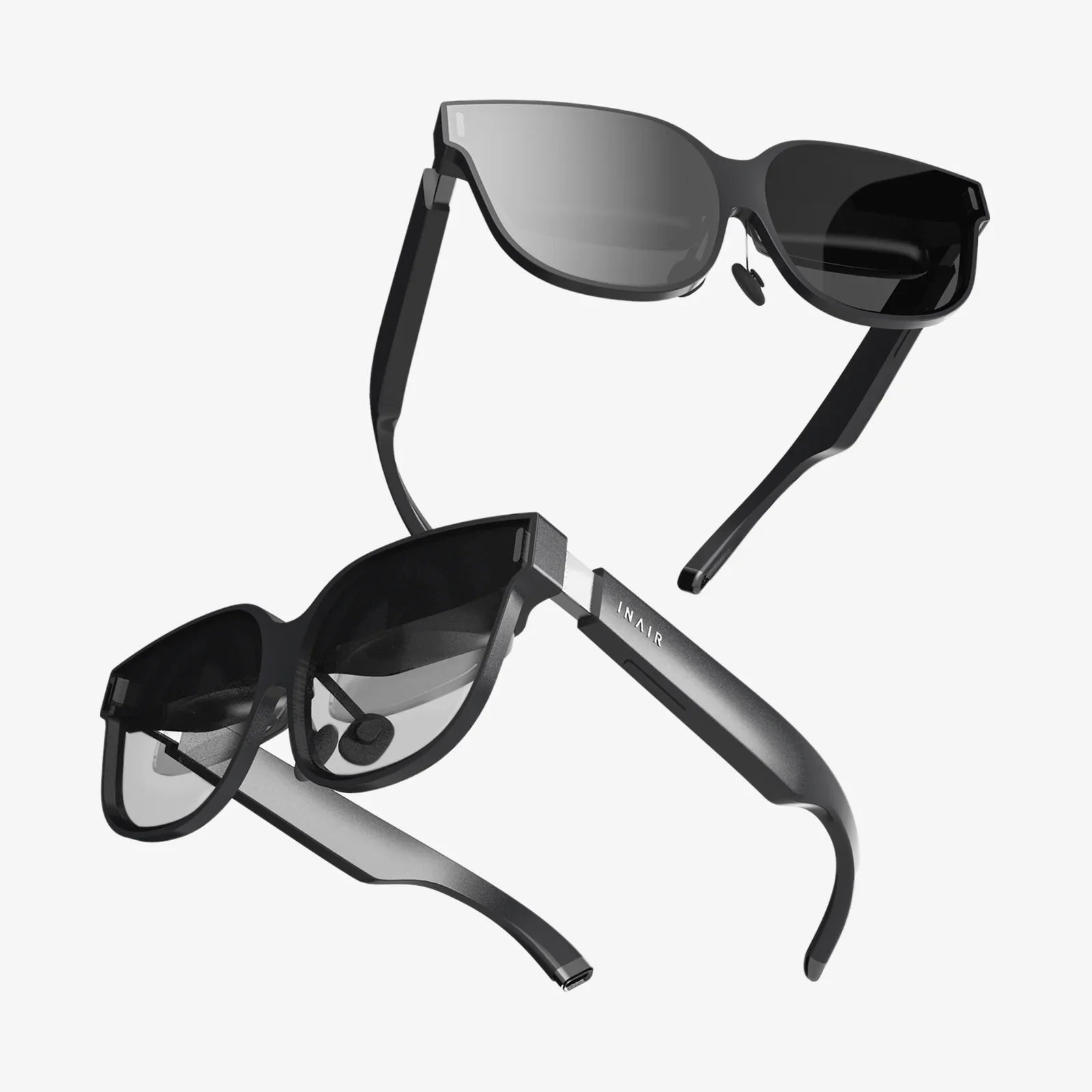
Imagine a single pair of glasses so intelligent it sees the world as you do, adapting in an instant from the soft glow of your screen to the brilliant glare of the midday sun, all while cutting through distracting reflections to deliver a crystal-clear view. This isn't a glimpse into the future of eyewear; it's the remarkable reality offered by photochromic lenses with anti-reflective coating, a technological synergy that redefines convenience and performance for your eyes.
The Science of Sight: A Dual-Layer Revolution
To truly appreciate the marvel of these combined technologies, we must first understand them individually. They represent two distinct layers of innovation, each solving a different set of visual challenges, yet when united, they create an experience far greater than the sum of their parts.
The Adaptive Genius of Photochromic Lenses
Often called 'transition lenses' in common parlance, photochromic lenses are a miracle of photochemistry. Embedded with millions of organic molecules—most commonly silver halide or similar compounds—these lenses are engineered to be dynamic. In their passive state indoors or at night, these molecules are transparent, allowing light to pass through unimpeded. However, when exposed to specific wavelengths of ultraviolet (UV) radiation from sunlight, a fascinating reaction occurs.
The UV energy causes the molecular structure of these embedded compounds to change shape. This alteration absorbs visible light, causing the lens to darken. The process is remarkably swift; within sixty seconds of exposure to strong UV light, the lenses can activate to a deeply tinted state, resembling a pair of premium sunglasses. Crucially, the reverse process is just as efficient. Once the UV source is removed, the molecules revert to their original transparent form, typically clearing up significantly within two to three minutes indoors and fully within five to ten minutes.
This technology offers a seamless transition, eliminating the constant juggle between prescription glasses and prescription sunglasses. It provides automatic protection against 100% of harmful UVA and UVB rays, safeguarding ocular health and reducing the risk of conditions like cataracts and macular degeneration. It also combats squinting and glare, reducing eye strain and fatigue during outdoor activities.
The Unseen Guardian: Anti-Reflective Coating
If photochromic technology is the adaptive front-line defender, Anti-Reflective (AR) coating is the precision interior specialist. Also known as anti-glare coating, AR coating is a microscopic, multi-layered film applied to the surface of a lens. Its primary purpose is to manage light. Without it, light hitting a lens surface reflects off it, creating distracting glare and reducing the amount of light that actually passes through the lens to your eye.
This phenomenon causes several problems: annoying reflections that can be seen by others (obscuring your eyes), reduced visual acuity especially at night from headlights and streetlights, and increased eye strain as your pupils work harder to focus through the glare. AR coating works on the principle of wave interference. The multiple layers have different refractive indexes and are engineered to be precisely the right thickness to cause light waves reflecting off the outer surface and the inner layers to interfere with and cancel each other out.
The result is a dramatic reduction in reflectance—from nearly 8-10% of light reflected off an uncoated plastic lens to less than 0.5% with a high-quality AR coating. This means over 99.5% of available light is transmitted through the lens to your eye. The benefits are immediate: sharper, clearer vision with significantly less distraction from reflections, reduced halos and starbursts around lights at night, and a more aesthetically pleasing appearance as the lenses appear almost invisible, allowing others to see your eyes clearly.
The Powerful Synergy: Why Combining These Technologies is a Game-Changer
While each technology is powerful alone, their combination creates the ultimate all-in-one vision solution. This synergy addresses a comprehensive range of visual demands in our modern, dynamic lives.
Uninterrupted Visual Comfort: The most significant advantage is seamless adaptation. With photochromic lenses with AR coating, you move from a dimly lit café to a sunny street without a second thought. The lenses darken to manage the bright light, while the AR coating ensures that even as they tint, the light that does pass through is free from the distracting reflections that can occur on tinted surfaces. This creates a consistently high-contrast, true-color view of the world, regardless of the lighting environment.
Enhanced Performance of Both Technologies: The AR coating actually improves the performance of the photochromic lens. By eliminating surface reflections, more UV light can reach the photochromic molecules embedded within the lens, allowing for a slightly faster and sometimes darker activation. Conversely, the photochromic tint enhances the comfort provided by the AR coating in bright conditions, as the reduced light transmission makes the already-clear vision even more pleasant.
All-Day, Every-Day Wearability: This combination makes a pair of glasses truly versatile. They are no longer just for seeing clearly indoors; they are for working comfortably under harsh office lighting, driving, walking, reading outdoors, and participating in sports. They become the only pair of glasses you need for 90% of your daily activities, simplifying your life immensely.
Dispelling Common Myths and Misconceptions
Despite their advanced engineering, some misconceptions persist about these lenses.
Myth 1: They don't work well in the car. This was a valid limitation of older generations. Car windshields are laminated and block most UV light, which was the traditional activation trigger. However, modern photochromic technology has evolved. Many contemporary versions are now sensitive to visible light as well as UV, enabling them to activate behind a windshield, albeit potentially to a slightly lighter degree than they would in direct, open-air sunlight.
Myth 2: They are too slow to change. While not instantaneous, the activation and fade-back times have been drastically reduced. Today's lenses react in a matter of seconds to bright sunlight and clear up in just a few minutes upon returning indoors. For most users, the transition is smooth and goes largely unnoticed.
Myth 3: The AR coating is delicate and easily damaged. Early AR coatings could be soft and prone to scratching. Modern coatings are often combined with a durable scratch-resistant top layer and hydrophobic/oleophobic properties that repel water, dust, and oils. With proper care—cleaning with a microfiber cloth and recommended lens cleaner—today's AR coatings are remarkably resilient and long-lasting.
Ideal Candidates: Who Benefits Most?
While nearly anyone can enjoy the benefits, certain groups will find this combination particularly transformative:
- Professionals and Students: Those who move frequently between artificial indoor lighting and natural light through windows will appreciate the constant visual equilibrium, reducing eye strain during long hours of work or study.
- Active Individuals and Drivers: For runners, cyclists, golfers, or anyone who spends significant time outdoors and on the road, the adaptive tint and glare reduction are invaluable for safety and comfort.
- Post-Surgery Patients and Those with Light Sensitivity: Individuals recovering from eye surgery like LASIK or those with conditions that cause photophobia find the adaptive light management incredibly soothing.
- The Convenience-Seeker: Anyone tired of switching between multiple pairs of glasses will find this combination to be the ultimate tool for simplifying their daily routine.
Caring for Your Advanced Lenses
To ensure longevity and optimal performance, proper care is essential. Always rinse lenses with lukewarm water to remove abrasive dust before wiping. Use a clean, microfiber cloth and a cleaner specifically designed for coated lenses, avoiding harsh chemicals, window cleaner, or paper towels. Store them in a protective case when not in use to prevent scratches and accidental damage to the delicate coatings.
The fusion of photochromic technology and anti-reflective coating represents a pinnacle of practical optical engineering. It’s a solution built not just for better vision, but for a better visual experience—one that is seamless, comfortable, and effortlessly adaptive. In a world that constantly demands our attention, this technology works quietly in the background, ensuring that the windows to your world are always perfectly tuned, allowing you to focus on what truly matters without a second thought.
Step outside and feel the lenses instantly respond to the sun's call, then walk back inside and watch the world remain just as sharp and clear as the tint recedes—this is the effortless magic of modern eyewear, a perfect partnership of chemistry and physics designed for the way you live your life.
Share:
Portable Controller for Computer: The Ultimate Guide to Gaming and Productivity On the Go
Portable Controller for Computer: The Ultimate Guide to Gaming and Productivity On the Go