


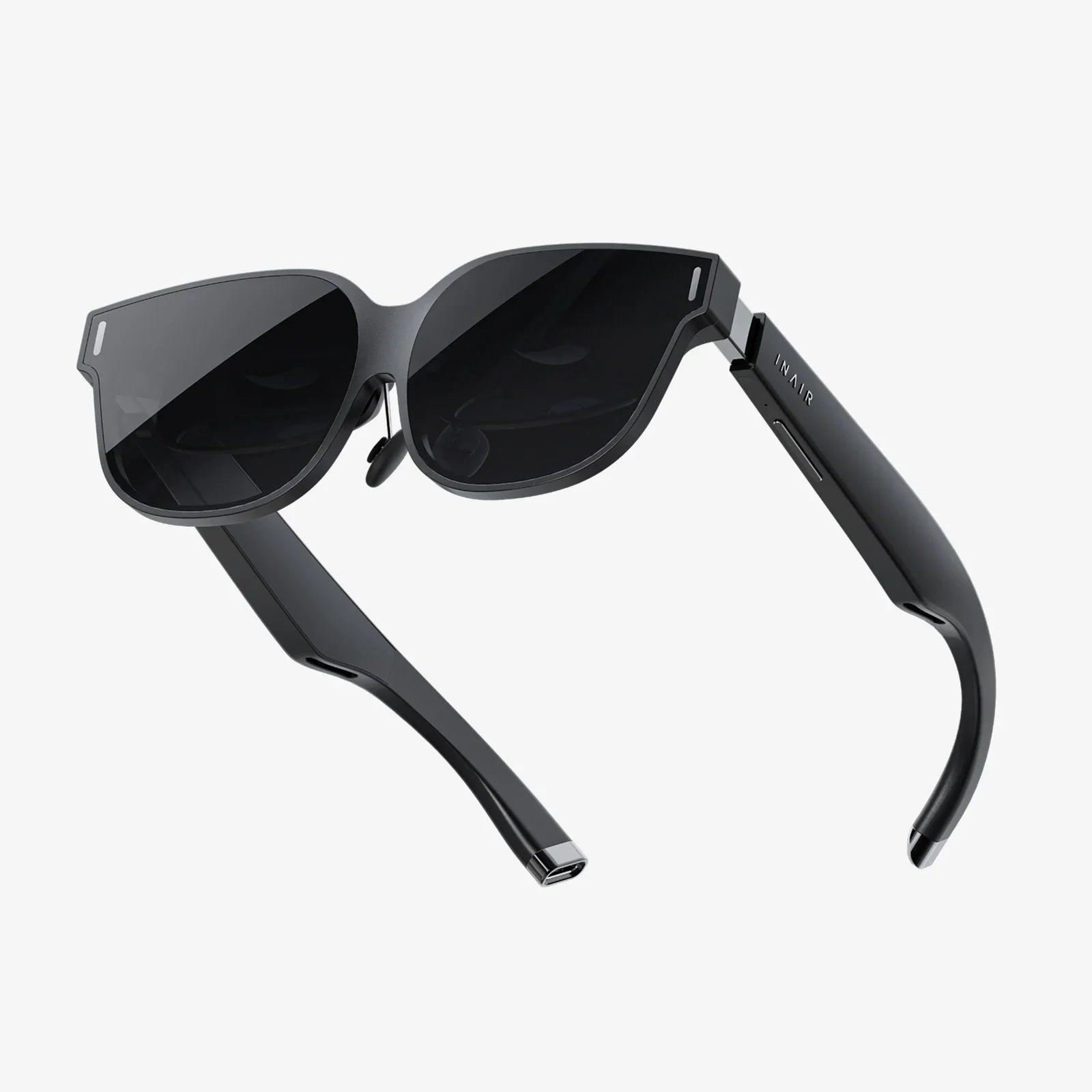
Imagine a world where your entire office, your creative studio, your portal to global connection, and your entertainment center folds neatly into a slim case, ready to journey with you from a sunrise coffee shop to a cross-continental flight. This isn't a vision of the future; it's the present reality, powered by the relentless innovation of the portable laptop computer. The quest for the perfect blend of power and portability has reshaped our lives, our work, and our very definition of possibility. This is the story of that revolution and your guide to navigating it.
The Evolution of Mobility: From Luggable to Pocketable
The journey of the portable laptop computer is a fascinating tale of technological miniaturization and human ambition. The earliest machines that could be loosely described as "portable" were monstrously heavy, cost a fortune, and offered computing power that pales in comparison to the simplest modern device. They were less "laptops" and more "luggables," requiring significant dedication to transport.
The true breakthrough came with a focus on integration and efficiency. The development of flat-panel displays to replace bulky cathode-ray tubes was a pivotal moment, slashing both size and weight. Similarly, the invention of more efficient, less power-hungry processors meant machines could run cooler and longer without being tethered to a wall outlet. The evolution of battery technology, from heavy lead-acid to sleek lithium-ion and lithium-polymer packs, provided the essential lifeblood for genuine mobility. Each iteration—smaller, lighter, longer-lasting—brought us closer to the sleek, powerful machines we know today.
Deconstructing Portability: Key Features That Matter
When evaluating a portable laptop computer, several interconnected factors define its capability and suitability for your life. Understanding these core components is key to making an informed choice.
Form Factor and Build Quality
The physical design of the device is the first thing you notice. Modern portables come in a variety of shapes: traditional clamshells, versatile 2-in-1 convertibles with hinges that allow them to be used as tablets, and even dual-screen designs that push the boundaries of multitasking. The choice of materials—whether it's a premium alloy like aluminum or a robust polymer—directly impacts both the weight and the durability of the machine. A well-built device feels solid, resists flex, and can withstand the rigors of daily travel.
The Heart of the Machine: Processing Power and Performance
At the core of every portable laptop computer is its central processing unit (CPU). This is the brain, responsible for executing instructions and running applications. For portables, the choice isn't just about raw speed; it's about balancing performance with thermal design power (TDP). Lower-TDP processors generate less heat, allowing for thinner designs and quieter fans, which is crucial for a machine you might use in a quiet library or on your lap. The key is to match the processor to your tasks—efficient multi-core chips handle modern web browsing, office suites, and content consumption with ease, while higher-performance variants are essential for video editing, engineering software, and intensive programming.
The Window to Your Work: Display Technology
The screen is your primary interface with the digital world. For a portable machine, display quality is non-negotiable. Key considerations include:
- Size and Resolution: Typically ranging from 13 to 16 inches, the screen size directly impacts overall device dimensions. A higher resolution (e.g., Quad HD or 4K) offers sharper text and images but can consume more battery power.
- Panel Technology: In-Plane Switching (IPS) panels are standard for their excellent color reproduction and wide viewing angles, crucial for collaboration. Organic Light-Emitting Diode (OLED) technology is becoming more prevalent, offering unparalleled contrast ratios and true blacks.
- Brightness and Finish: High brightness (measured in nits) is essential for outdoor or brightly lit indoor use. A matte (anti-glare) finish is often preferred over glossy for reducing reflections.
The Unseen Engine: Memory and Storage
These two components are often confused but serve very different purposes. Memory (RAM) is the computer's short-term workspace. It holds the data for actively running programs and operating system processes. For a smooth modern experience, 8 gigabytes (GB) is considered a baseline, with 16 GB or more being ideal for multitasking and more demanding applications. Storage is your long-term digital filing cabinet. Solid-State Drives (SSDs) have been the single greatest performance upgrade for portable laptops in the last decade. With no moving parts, they are faster, more reliable, and more energy-efficient than traditional hard disk drives (HDDs), making them perfect for mobile use. Capacities typically range from 256 GB to 2 terabytes (TB).
The Tetherless Lifespan: Battery Life and Efficiency
Battery life is the ultimate measure of a portable laptop computer's freedom. Manufacturers often advertise a figure based on idealised tests, but real-world usage is what matters. Factors affecting battery life include:
- Screen brightness
- Workload intensity (video conferencing is more demanding than writing)
- Background applications and connectivity (Wi-Fi, Bluetooth)
Modern devices leverage advanced power management features within their operating systems and firmware to intelligently allocate power, dim the screen during inactivity, and put unused components to sleep. The goal is a full workday (8+ hours) of unplugged use, a benchmark many modern ultra-portables now meet or exceed.
Staying Connected: Ports and Wireless Capabilities
Connectivity is what transforms an island into a hub. The trend toward thinner designs has led to a reduction in traditional ports like USB-A and HDMI, replaced by versatile USB-C with Thunderbolt support. This single port can handle data transfer, video output, and charging, often simplifying docking solutions. However, the need for adapters remains a common pain point. Robust Wi-Fi 6 and Bluetooth 5.0 (or newer) are standard for fast, reliable wireless connections to networks and peripherals like mice, headphones, and smartphones.
The Operating System: The Soul of the Experience
The choice of operating system (OS) fundamentally shapes how you interact with your portable laptop computer. The three primary ecosystems offer distinct philosophies:
- This OS is known for its widespread compatibility, especially in enterprise environments, and its vast library of software. Its latest iterations have focused significantly on security, modern design, and improved battery life management for portable devices.
- This ecosystem is celebrated for its seamless integration with other devices from the same maker, offering a unified experience across phones, tablets, and computers. It is often praised for its user-friendly interface, robust build quality, and stability.
- An open-source powerhouse, this OS is a favorite among developers, programmers, and tech enthusiasts. It offers unparalleled customizability, powerful command-line tools, and is often perceived as more lightweight and secure. Its software availability, particularly for commercial desktop applications, can be more limited than its competitors.
The "best" choice is deeply personal and often dictated by your workflow, required software, and existing device ecosystem.
A Machine for Every Purpose: Matching the Device to the User
Not all portable laptop computers are created equal. The ideal machine varies dramatically depending on the user's primary needs.
The Road Warrior and Remote Professional
For the business traveler or hybrid worker, priorities are clear: extreme portability, all-day battery life, a excellent keyboard and trackpad, and a reliable webcam with clear microphones for video calls. Durability and a professional aesthetic are also key considerations. Thin-and-light models, often called ultra-portables, are designed specifically for this market.
The Creative Professional and Power User
Graphic designers, video editors, architects, and data scientists need immense processing power, high-end dedicated graphics cards, fast, abundant RAM, and stunning, color-accurate displays. For them, portability means being able to bring their high-performance workstation to a client meeting or a different room, not necessarily fitting it into a tiny handbag. Performance-focused portables strike this balance, though often at the expense of some battery life and a higher weight.
The Student and Academic
The student's laptop is a multipurpose tool for note-taking, research, writing papers, and entertainment—all on a budget. Durability is critical to survive life in a backpack. Long battery life to last through a full day of classes without hunting for an outlet is essential. Touchscreens and stylus support can be hugely beneficial for annotating documents and sketching ideas.
The Future is Mobile: Emerging Trends and Technologies
The innovation in portable computing shows no signs of slowing. We are on the cusp of several transformative trends. Arm-based architecture, long dominant in smartphones, is making a strong push into the laptop space, promising a revolutionary leap in energy efficiency that could enable days of battery life without sacrificing performance. Foldable and rollable display technology hints at a future where screen size is no longer a constraint on portability. Furthermore, the integration of artificial intelligence (AI) directly into the hardware is set to revolutionize everything from battery management and security to user interaction and content creation, making our devices more intuitive and responsive than ever before.
From its humble beginnings as a niche tool for a select few to its current status as an indispensable pillar of modern society, the portable laptop computer has democratized information, empowered creativity, and redefined the very concept of workplace. It has untethered us from the static desk, allowing productivity and passion to flourish anywhere there's an idea and a power source—or even where there isn't. The right machine isn't just a purchase; it's a passport to a more flexible, efficient, and connected way of living. The next chapter of your work, your creativity, and your freedom is waiting to be written—what will you create with it?
Share:
3D Render AI: The Unstoppable Convergence Reshaping Digital Realities
New AI Hardware: The Silent Revolution Reshaping Our Digital and Physical Worlds