


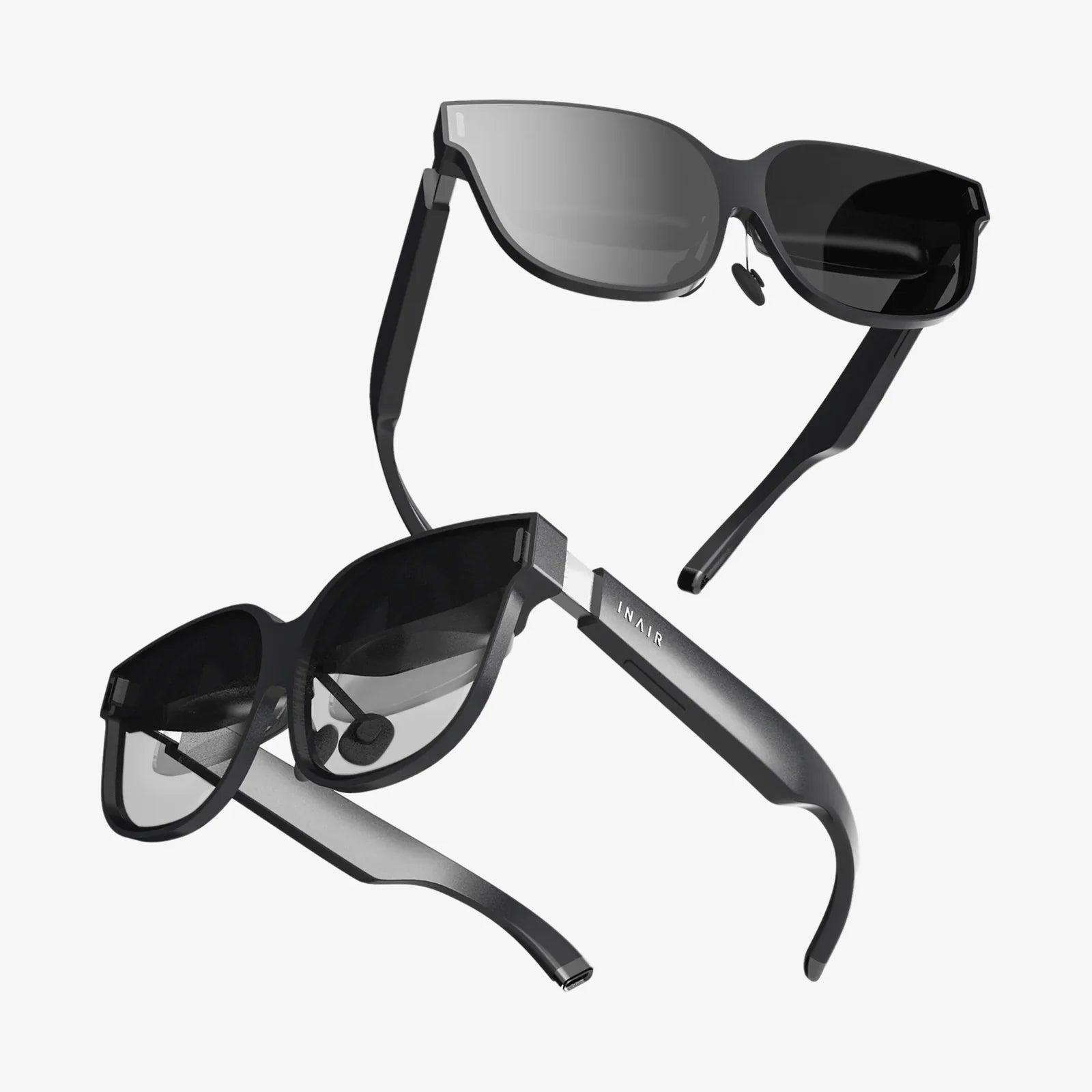
In an era where the line between work and life is increasingly blurred and the volume of digital information is overwhelming, the quest for a more efficient, focused, and balanced workday has never been more critical. The right news about productivity tools isn't just about software updates; it's about discovering new methodologies, understanding emerging trends, and finding the key to unlocking your true potential. This deep dive into the latest productivity tools news will guide you through the innovations that are fundamentally reshaping the modern workplace, offering a glimpse into a future where technology serves humanity, not the other way around.
The AI Revolution: From Assistant to Co-pilot
The most seismic shift in productivity tools news is the rapid and pervasive integration of artificial intelligence. We have moved far beyond simple grammar checkers and calendar reminders. Today's AI is evolving into a true co-pilot for knowledge work, capable of understanding context, generating original content, and automating complex workflows.
Modern AI writing assistants can now draft entire emails, reports, and articles based on a few bullet points, significantly reducing the time spent on first drafts and overcoming the dreaded blank page syndrome. Beyond text, AI is revolutionizing data analysis. New platforms can connect to various data sources, understand natural language queries like "show me sales trends for the last quarter by region," and generate not only the numbers but also insightful narratives and visualizations to explain them.
The implications are profound. This shift is democratizing data analysis and content creation, allowing individuals without deep technical expertise to perform tasks that once required specialized skills. The core function of these tools is shifting from simple automation to augmentation—enhancing human intelligence rather than replacing it. The latest news in this space focuses on making these AI co-pilots more personalized, learning individual user preferences and working styles to provide ever more relevant and proactive support.
The Asynchronous Collaboration Boom
The global shift to remote and hybrid work models has accelerated the need for tools that support asynchronous collaboration. The news here is a move away from tools designed for real-time, same-place work and toward platforms built for a world where teams are distributed across multiple time zones.
This trend is about more than just shared documents. Newer productivity suites are embedding collaboration directly into the workflow. Imagine a word processor where every comment, suggestion, or edit is timestamped and linked to a video or audio clip of the contributor explaining their thought process. This creates a rich, contextual history of a document's evolution that any team member can catch up on at their own pace, without needing to schedule a meeting.
Project management tools are also evolving for async work. They now offer more robust documentation features, threaded conversations tied directly to specific tasks, and clear visualizations of project timelines and dependencies. This allows team members to contribute meaningfully regardless of their working hours, reducing bottlenecks and freeing up valuable time previously spent coordinating schedules for status updates. The productivity news in this sector highlights a focus on reducing meeting fatigue and creating a more inclusive environment for global teams.
The Centralization and Integration Imperative
As the number of apps we use daily has skyrocketed, so has cognitive load and context-switching fatigue. A major trend in productivity tools news is the strong push towards centralization and deeper integration. The goal is to create a unified digital workspace that minimizes the need to jump between dozens of isolated tabs and applications.
We are seeing the rise of all-in-one platforms that combine messaging, video conferencing, document collaboration, and task management into a single, cohesive experience. The key innovation is not just bundling these services together, but ensuring they communicate seamlessly. For example, a task created during a video call can automatically appear in the team's project management dashboard, and a document shared in a chat channel can be edited without leaving the conversation window.
Furthermore, the ecosystem of integration platforms (iPaaS) is booming. These tools allow users to create automated workflows between their favorite apps without writing a single line of code. An action in one app, like receiving an email with an attachment, can trigger a cascade of events in others, such as saving the file to cloud storage, creating a new task in a project manager, and sending a notification to a team chat channel. This automation of mundane tasks is a huge win for productivity, allowing professionals to focus their mental energy on high-value work.
Focus and Digital Wellness Take Center Stage
In a counter-intuitive but welcome trend, productivity tools news is increasingly focused on helping users do less, not more. There is a growing recognition that constant connectivity and notification overload are major detractors from deep, meaningful work. Consequently, a new category of tools is emerging dedicated to fostering focus and promoting digital wellness.
These applications go beyond simple "Do Not Disturb" modes. They offer sophisticated features like website and app blockers that can be scheduled for focused work sessions, distraction-free writing environments that hide all other UI elements, and automated notification management that intelligently prioritizes alerts based on their urgency and the user's current activity.
Some tools now provide analytics on digital habits, showing users exactly how they spend their time on their devices—how many times they unlock their phone, which apps they use most, and how often they switch tasks. This data empowers individuals to make informed changes to their behavior. The underlying philosophy of this trend is that true productivity is about achieving impactful results with focused effort, not about being busy every second of the day. It represents a maturation of the productivity software market, acknowledging that human psychology is just as important as feature sets.
The Low-Code/No-Code Movement Empowers Everyone
Another transformative piece of productivity tools news is the expansion of the low-code and no-code movement. These platforms enable users with little to no programming experience to build their own custom applications, websites, and automated workflows.
This is revolutionary for productivity because it allows teams to solve their own unique workflow challenges without waiting for overburdened IT departments. A marketing team can build a custom app to track campaign approvals; a HR team can create a portal for onboarding new employees; a sales team can automate their lead qualification process. The ability to create tailor-made solutions for niche problems drastically improves efficiency and reduces reliance on generic, one-size-fits-all software.
The trend is moving towards even greater accessibility, with intuitive drag-and-drop interfaces and pre-built templates for common business scenarios. This democratization of development is unleashing a wave of innovation at the departmental level and is poised to be one of the most significant long-term drivers of organizational productivity.
Security and Privacy in the Forefront
As productivity tools become more powerful and central to operations, they also handle increasingly sensitive data. Recent news highlights that security and privacy are no longer afterthoughts but primary concerns driving development. End-to-end encryption, which ensures that only communicating users can read the messages, is becoming a standard expectation for collaboration tools, not a premium feature.
Compliance with global data protection regulations like GDPR is now a baseline requirement. Furthermore, tools are offering more granular permission controls, allowing administrators to precisely define who can see, edit, comment on, or share specific documents and pieces of information. This ensures that sensitive data remains secure without hindering legitimate collaboration. The trustworthiness of a platform is now a key productivity feature, as a single security breach can negate years of efficiency gains.
Looking Ahead: The Future of Productivity Tools
The future of productivity tools, as indicated by the latest news and prototypes, is even more contextual and predictive. We are moving towards ambient computing, where technology fades into the background of our work lives. Tools will anticipate needs based on your calendar, the time of day, and your past behavior. Imagine starting your workday and having your digital workspace automatically organized with the documents you need for your first meeting, a summary of overnight communications, and a suggested schedule for your deep work period.
Interoperability between different vendors' platforms will also improve, reducing friction and making the concept of a "best-in-breed" stack more viable. The evolution will continue to be guided by a human-centric approach, focusing on reducing cognitive load, fostering well-being, and ultimately giving us back our most precious resource: time and mental space for creativity and strategic thinking.
The landscape of work is being redrawn before our eyes, not by sweeping corporate mandates, but by the quiet, relentless evolution of the tools we use every day. Staying informed with the latest productivity tools news is no longer a niche interest for tech enthusiasts; it's a strategic imperative for anyone who wants to thrive in the modern economy. By embracing these innovations—from AI co-pilots that handle the mundane to wellness features that protect our focus—we can transition from merely managing overwhelm to genuinely mastering our potential, crafting a work life that is not only more efficient but also more intelligent, intentional, and ultimately, more human.
Share:
Artificial Intelligence: Reshaping Reality and Redefining the Human Experience
Artificial Intelligence: Reshaping Reality and Redefining the Human Experience