


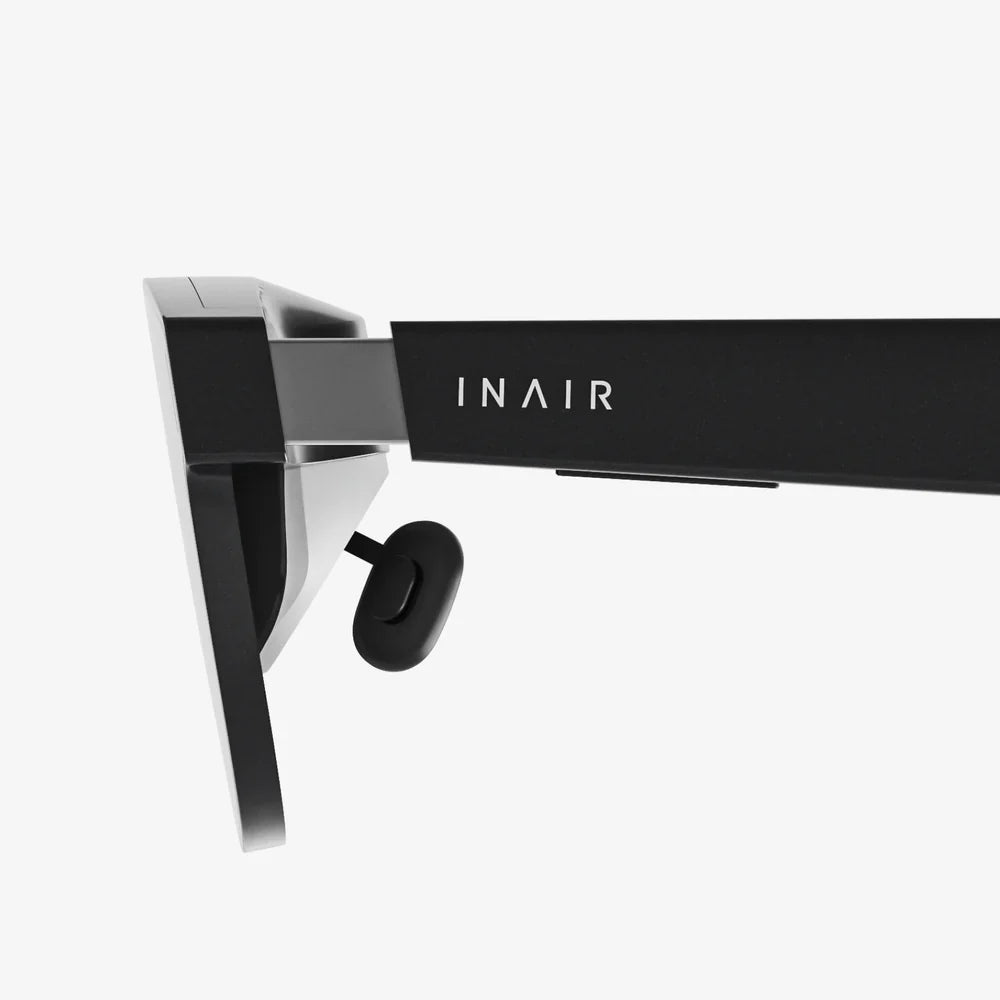
The shimmering promise of virtual reality has captivated our imaginations for decades, from the pages of science fiction to the silver screen. Now, it’s a tangible technology sitting on store shelves and in online shopping carts, beckoning with the allure of otherworldly experiences. Yet, as you stand at this technological crossroads, a single, nagging question forms: should I buy a VR headset now, or is it wiser to wait? The answer isn't a simple yes or no; it's a journey through the current landscape of VR, a careful weighing of desire against practicality, and a forecast of the exciting, yet uncertain, future that lies just over the horizon. This definitive guide is designed to be your compass, providing the clarity you need to make a confident decision.
The Allure of the Now: Why Taking the Plunge is Tempting
For the eager early adopter, the call of the virtual is powerful. The technology available today is not a mere prototype; it's a mature, capable platform offering a wealth of experiences that were unimaginable just a few years ago.
A Robust and Growing Library of Experiences
The most compelling argument for buying now is the sheer volume and quality of content. We have moved far beyond tech demos and shallow experiences. The modern VR software library is rich and diverse:
- AAA Gaming: The realm of VR gaming is no longer niche. We are seeing full-fledged, critically acclaimed titles that offer dozens, if not hundreds, of hours of deeply immersive gameplay. These aren't just ports of flat games; they are experiences built from the ground up to exploit the unique potential of VR, placing you directly in the heart of the action, whether you're wielding a lightsaber, solving intricate puzzles in a mysterious manor, or exploring vast alien planets.
- Fitness Revolution: VR has unexpectedly become a formidable player in the home fitness industry. A plethora of engaging apps have transformed workouts from a chore into a thrilling game. You can box against virtual opponents, slice through targets to the rhythm of music, or join guided fitness classes in breathtaking virtual environments. It’s exercise disguised as pure fun, making it easier than ever to stay active.
- Social Connection: In an increasingly digital world, VR offers a new paradigm for social interaction. Platforms exist that allow you to meet friends, family, and strangers in shared virtual spaces. You can attend live concerts together, watch movies on a giant virtual screen, play games, or simply hang out in environments that defy the laws of physics. The sense of "presence"—feeling like you are truly with someone else—is something flat video calls cannot replicate.
- Creative and Educational Tools: Unleash your inner artist by painting in 3D space, sculpting virtual clay, or designing architecture at human scale. Educational applications allow you to take virtual field trips to historical sites, explore the human body from the inside, or conduct complex scientific experiments in a safe, virtual lab.
Technological Maturity and Accessibility
The hardware itself has seen tremendous refinement. Current-generation headsets offer significant improvements over their predecessors:
- Higher Resolution Displays: The dreaded "screen door effect" is largely a thing of the past on modern devices. Crisp, clear visuals make text readable and worlds more believable.
- Inside-Out Tracking: Gone are the days of cumbersome external sensors that required careful room setup. Most new headsets use built-in cameras to track your movement and controllers, making the setup process incredibly simple and portable.
- Wireless Freedom: For many popular systems, the tether to a powerful computer has been cut. Wireless PC streaming and standalone operation provide unparalleled freedom of movement, eliminating a major barrier to immersion and making the technology more accessible to a mainstream audience.
- Improved Comfort: Manufacturers have learned from early mistakes. Better weight distribution, adjustable straps, and improved materials make modern headsets comfortable for longer play sessions.
The Irreplaceable Value of Time
This is perhaps the most philosophical, yet practical, point. The experiences available right now are not diminished by what may come later. The joy of playing today's incredible VR games, the fitness benefits you can reap today, and the social memories you can create today have real, tangible value. Waiting for the next big thing means missing out on all the amazing things you could be experiencing in the present moment. The technology is here, it works brilliantly, and it's ready to provide enjoyment immediately.
The Prudence of Patience: Compelling Reasons to Hold Off
For every argument to buy, there is a counter-argument rooted in pragmatism and anticipation. The tech industry moves at a breakneck pace, and VR is at the epicenter of its most rapid evolution.
The Inevitability of Rapid Obsolescence
Consumer VR is still a young market, and its evolution is following the classic pattern of rapid iteration. The headset you buy today, while capable, could be eclipsed by a significantly better model in a relatively short time frame. The industry is working towards several key generational leaps:
- Next-Generation Displays: Expectations are high for micro-OLED and pancake lens technology to become standard in the next wave of headsets. This promises even higher resolutions, perfect blacks, stunning contrast, and a drastic reduction in the size and weight of the hardware itself.
- Advanced Haptics and Feedback: The future of immersion lies not just in what you see, but what you feel. Research into advanced controller haptics, and even full-body haptic suits, promises a level of tactile feedback that will deepen immersion exponentially.
- Eye-Tracking and Foveated Rendering: This is a game-changer for performance and visual fidelity. By tracking your eyes, a headset can render the exact spot you're looking at in high detail while subtly reducing the detail in your peripheral vision. This allows for photorealistic graphics without requiring impossibly powerful and expensive hardware, making high-end VR more accessible.
- Varifocal Displays: A current limitation of VR is the fixed focal plane, which can cause eye strain (the vergence-accommodation conflict). Next-gen prototypes solve this by dynamically adjusting the focus based on where you are looking, making the virtual world feel as natural to our eyes as the real one.
The High Cost of Entry (and Exit)
VR remains a significant investment. A high-end headset, especially one tethered to a powerful computer that meets the demanding requirements, represents a substantial financial outlay. There's a real risk of "buyer's remorse" if a dramatically improved model is announced shortly after your purchase, potentially causing your new device's resale value to plummet. If your budget is tight, waiting could allow you to either get a current-gen device at a deep discount or save up for a more future-proof next-gen model.
The Software Horizon: Awaiting the "Killer App"
While the current library is impressive, the software landscape is still evolving. Many enthusiasts are waiting for that one undeniable, system-selling application—the VR equivalent of a groundbreaking title that justifies the purchase all on its own. Furthermore, developers are only beginning to scratch the surface of what advanced next-gen hardware will enable. Waiting ensures you will experience these future groundbreaking titles with the hardware they were truly designed for, rather than a compromised version on current tech.
Finding Your Verdict: A Personalized Checklist
So, where does this leave you? The final decision is intensely personal. To find your answer, work through these key questions honestly.
What is Your Primary Motivation?
- The Gamer: If you crave immersive gameplay and see a dozen existing titles you're desperate to play, buying now is a fantastic choice. The library is deep enough to keep you engaged for years.
- The Fitness Enthusiast: If your main goal is to revolutionize your home workout routine, the current crop of fitness apps is incredibly effective and mature. There's little reason to wait.
- The Tech Enthusiast: If you live on the cutting edge and must have the latest tech, you need to decide if you're satisfied with today's cutting edge or if you'd rather hold out for tomorrow's. Your tolerance for obsolescence is key.
- The Curious Observer: If your interest is casual and your budget is limited, waiting is the safer bet. Prices will only drop, and technology will only improve.
What is Your Budget and Technical Context?
- Do you already own a powerful gaming computer? If yes, a PC-tethered headset offers the highest fidelity experience available today.
- Do you prefer simplicity and wireless freedom? A standalone headset is your best bet, offering a great balance of quality and convenience.
- Is cost a primary concern? Then waiting for a sale on current-gen models or for next-gen releases to drive down prices is your smartest financial move.
What is Your Risk Tolerance?
Can you comfortably afford the headset knowing its value will decrease? Or will it devastate you if a clearly superior model is revealed six months from now? Be honest about your relationship with technology and buyer's remorse.
The world of VR is no longer a question of "if" but "when." The technology has unequivocally arrived, delivering profound, captivating, and truly fun experiences that are redefining entertainment, fitness, and social connection. Yet, it stands on the precipice of even greater transformation. The path you choose—to boldly step into the virtual realms of today or to patiently await the even more astonishing worlds of tomorrow—depends entirely on your appetite for adventure, your budget, and your faith in the relentless march of progress. One thing is certain: whenever you decide to take that leap, a truly extraordinary experience awaits.
Share:
VR for iPhone 6: A Comprehensive Guide to Retro Mobile Virtual Reality
VR Headset Field of View Comparison 2025: The Ultimate Immersion Breakdown