


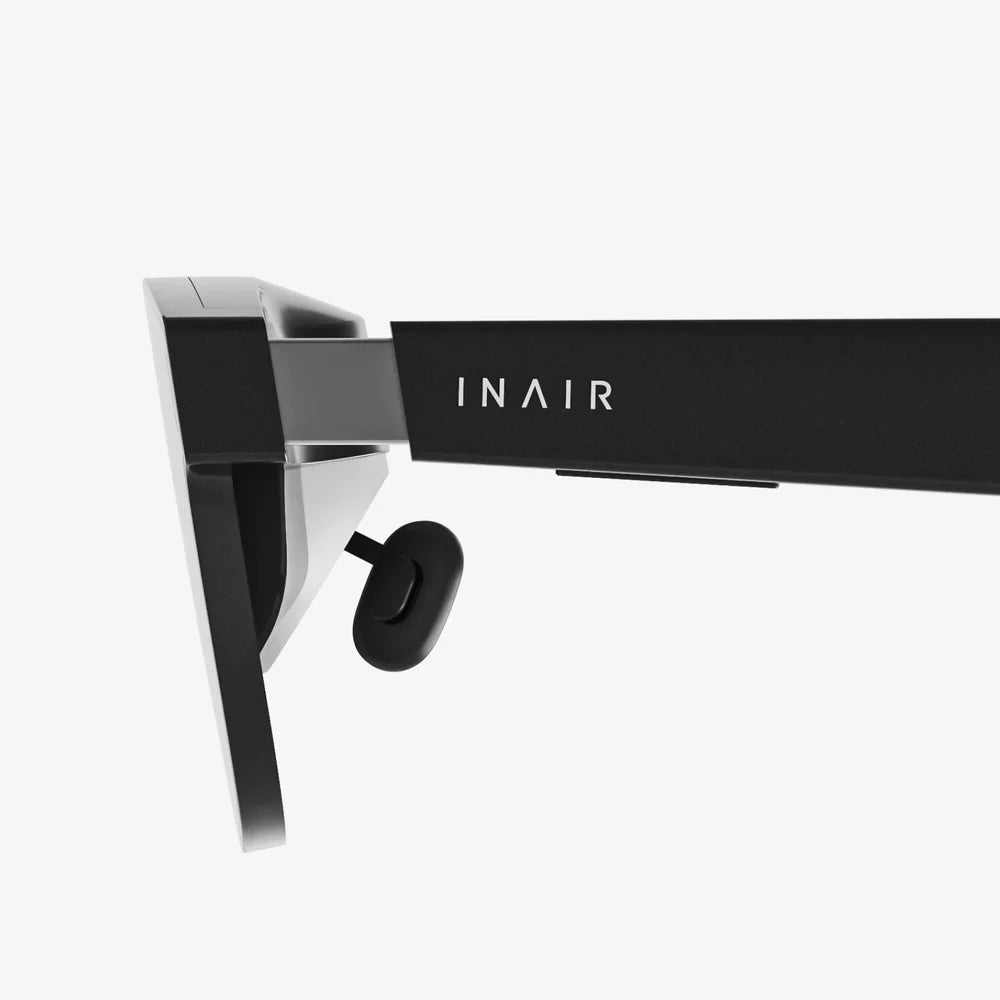
Imagine a world where your eyewear does more than just correct your vision or shield your eyes from the sun—a world where a sleek pair of glasses is your portal to a digital layer over reality, a personal stylist, a translator, and a fitness coach, all while making a powerful fashion statement. This is not a distant sci-fi fantasy; this is the imminent future being shaped by the smart glasses fashion trends of 2025. The convergence of advanced micro-technology and avant-garde design is poised to make smart glasses the most coveted and transformative wearable of the decade, moving decisively from niche gadgetry to mainstream must-have.
The End of the Tech vs. Style Dichotomy
For years, smart glasses were plagued by a fundamental design flaw: they looked too much like technology and not enough like eyewear. Bulky frames, conspicuous cameras, and an overall aesthetic that screamed "beta tester" kept them firmly in the realm of early adopters. The pivotal trend for 2025 is the complete erasure of this boundary. Designers and engineers are now working in lockstep from the very first sketch, ensuring that form is not sacrificed for function, nor function for form. The goal is seamless integration. The tech is becoming invisible, embedded within stunningly normal—and often exceptionally stylish—frames. The question is no longer, "Are those smart glasses?" but rather, "I love your glasses—where did you get them?"
Key Trends Defining the 2025 Landscape
1. Minimalist and Retro-Futurist Designs
The overarching aesthetic for 2025 is refined minimalism. Thin, lightweight titanium and advanced acetates form elegant, geometric shapes and classic silhouettes like cat-eyes, aviators, and round frames. The "retro-futurist" trend is particularly strong, drawing inspiration from the sleek optimism of mid-century modern design but executed with futuristic materials. Think slim arms with discreet touch controls, subtle LED indicators hidden within the hinge, and lenses that appear completely standard until activated. The tech is felt, not seen.
2. Advanced Augmented Reality (AR) Integration
By 2025, AR will have matured beyond clunky holograms. Waveguide and holographic optical elements will project crisp, contextually relevant information directly onto the lenses with unprecedented clarity and a wide field of view. This isn't about overwhelming the user with data; it's about subtle, helpful enhancements. Fashion applications are endless: virtual try-ons for clothes and makeup, navigation arrows seamlessly overlaid onto the street, or the name and profession of a person you're meeting at a networking event displayed discreetly in your periphery.
3. Personalized and Adaptive Experiences
Smart glasses will become deeply personal. Biometric sensors will monitor everything from UV exposure and screen time to posture and calorie expenditure, offering gentle, proactive wellness advice. Machine learning algorithms will learn your schedule, preferences, and habits, curating the information you receive. Furthermore, adaptive tinting technology will evolve. Photochromic lenses that transition from clear to dark outdoors will be standard, but 2025 will introduce electrochromic lenses that can change tint or even color on command via a companion app, making one pair suitable for any lighting condition or outfit.
4. Sustainability as a Core Tenet
The fashion industry's push for sustainability is a dominant force in smart glasses. Brands are prioritizing recycled metals and bioplastics derived from castor beans or other renewable sources. Modular design is key. Instead of replacing the entire unit when the battery degrades or a new processor is released, consumers will be able to swap out individual components—arms, temples, batteries, and core tech modules—dramatically extending the product's lifespan and reducing e-waste. This "buy better, keep longer" philosophy aligns perfectly with both tech and fashion cycles.
5. The Rise of the "Hearable" and Audio-First Approach
Not all smart glasses will be AR powerhouses. A significant segment of the 2025 market will be "audio glasses" or "hearables." These prioritize exceptional, open-ear audio quality through bone conduction or miniature directional speakers built into the arms. They handle calls, play music, and interact with voice assistants, all while looking indistinguishable from high-end optical frames. This audio-first approach offers a less intrusive, more socially acceptable gateway into smart eyewear for those who want connectivity without a constant visual feed.
6. Hyper-Personalization and Customization
Off-the-rack will be just the starting point. 2025 will see a boom in services offering bespoke smart glasses. Using facial scanning technology, companies will allow users to design frames that perfectly fit their face shape and proportions. Customers will choose not just frame color and material, but also the tech features they value most: a photographer might prioritize camera resolution and storage, while a traveler might focus on translation software and battery life. This à la carte model ensures the glasses are a true reflection of the wearer's lifestyle and aesthetic.
The Cultural Shift: From Obtrusive to Invisible
The success of smart glasses in 2025 hinges on social acceptance. The specter of privacy concerns surrounding built-in cameras and recording capabilities is being addressed head-on. The trend is toward clear, unambiguous user feedback. Think integrated LED lights that glow visibly when recording is active, or physical shutter sliders that physically block the camera lens, providing tangible peace of mind for both the wearer and those around them. This transparency is non-negotiable for mainstream adoption.
The Future is Clear
The smart glasses of 2025 are not merely an accessory; they are a platform. They represent the next step in the evolution of human-computer interaction, moving beyond the screen in our pockets to a more intuitive, integrated experience. They will change how we work, socialize, navigate, and care for our health. But crucially, they will do so without asking us to compromise on our personal style. They are the ultimate synthesis of the digital and the physical, the technological and the artistic. The future of fashion is intelligent, adaptive, and wearable—and it’s sitting right on the bridge of your nose.
Forget clunky headsets and awkward prototypes; the next generation of smart glasses is being crafted in design houses and tech labs right now, promising a revolution you'll actually want to be seen wearing. The line between the analog and the digital is blurring, and the most exciting access point is being designed not as a gadget, but as a statement piece. Get ready to see the world, and be seen in it, in a whole new light.
Share:
What Is Virtual Desktop Interface - The Ultimate Guide to VDI Technology
AR for Websites: The Ultimate Guide to Transforming Digital Engagement