


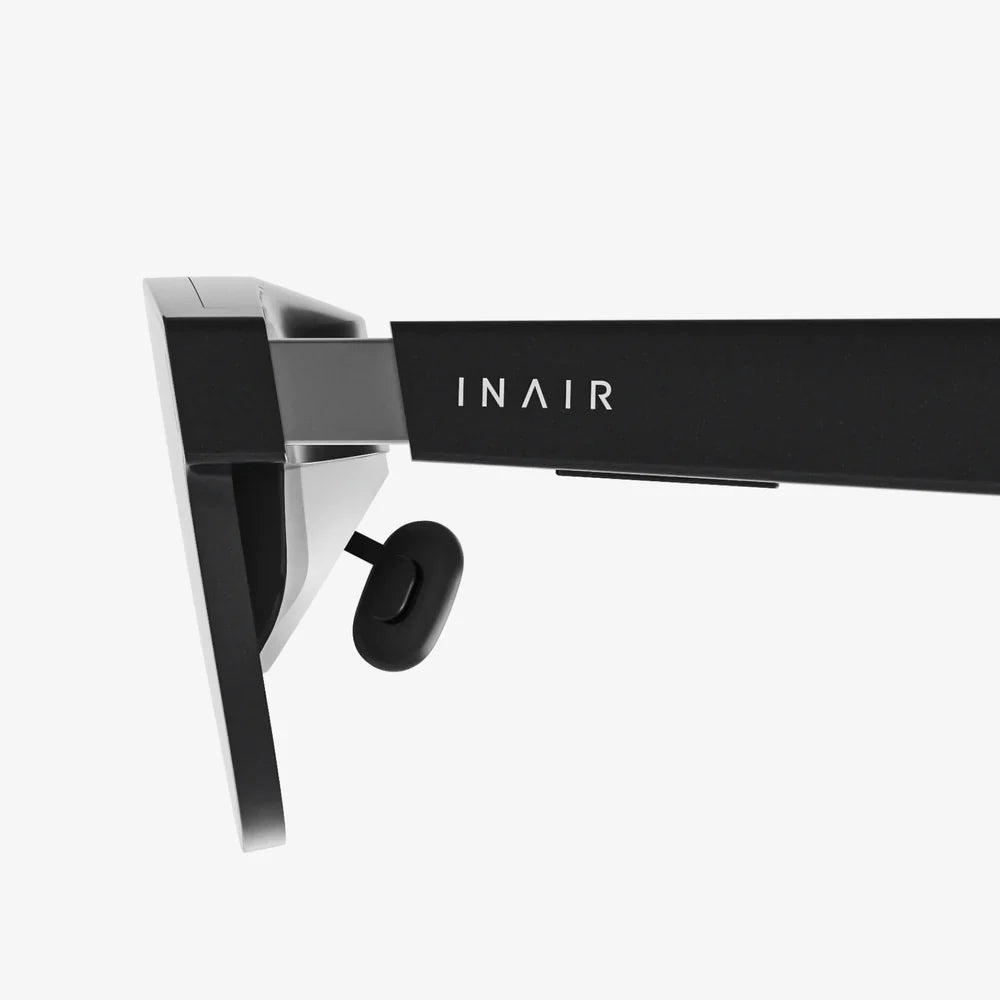
Imagine slipping on a pair of sleek, futuristic frames that not only connect you to the digital world but also provide crystal-clear vision tailored precisely to your eyes. This isn't science fiction—it's the reality of today's smart glasses prescription options, which have evolved dramatically to accommodate virtually every vision need. The convergence of optical technology and digital innovation has created unprecedented possibilities for those who require vision correction, transforming what was once a significant barrier into a seamless integration. The days of choosing between seeing clearly and accessing cutting-edge technology are rapidly disappearing as manufacturers develop increasingly sophisticated solutions for personalized vision correction in smart eyewear.
The Evolution of Vision Correction in Wearable Technology
The journey to today's sophisticated smart glasses prescription options began with significant challenges. Early adopters of smart eyewear who required vision correction faced limited choices, often needing to awkwardly clip prescription inserts onto devices not designed for them or forewear their regular glasses entirely. This compromise between technological access and clear vision created a substantial barrier to adoption for a significant portion of the potential market. Recognizing this limitation, forward-thinking companies began to reimagine how smart glasses could accommodate prescription needs without sacrificing style or functionality.
This evolution mirrors historical shifts in eyewear technology. Just as bifocals represented a revolution in convenience for those requiring different prescriptions for near and far vision, and progressive lenses offered a seamless alternative, the integration of prescription capabilities into smart glasses marks another leap forward. The development has been accelerated by advances in miniaturization, which have allowed digital components to occupy less space while leaving room for prescription lenses. Simultaneously, optical manufacturing techniques have advanced to create curved, complex prescriptions that can incorporate digital displays without distortion.
The current landscape offers multiple pathways to achieving perfect vision through smart glasses, each with distinct advantages depending on individual needs, preferences, and the specific technology being used. Understanding these options empowers consumers to make informed decisions that align with their lifestyle, vision requirements, and technological expectations.
Integrated Prescription Lenses: The Seamless Solution
Many modern smart glasses now offer integrated prescription lenses as a primary option, representing the most streamlined approach to vision correction. This method involves crafting the smart glasses' lenses themselves with the user's specific prescription, embedding the digital display technology directly within or behind the corrective lens. The integration process requires sophisticated optical engineering to ensure that the digital elements align perfectly with the user's corrected vision, creating a cohesive visual experience where digital content appears naturally within the field of view.
The advantages of integrated prescription lenses are significant. They provide the most natural aesthetic, as the glasses appear identical to traditional prescription eyewear without additional layers or attachments. The unified construction typically offers better durability and reliability compared to solutions involving removable components. From an optical perspective, integrated lenses can be optimized to minimize distortion and maximize both the clarity of the real world and the digital display, as the entire optical system is designed as a cohesive unit rather than a combination of separate elements.
However, this approach also presents challenges. Integrated prescription smart glasses are typically custom-made for each user, which can increase cost and lead time for delivery. They may also limit flexibility for those whose prescriptions change frequently, as updating the prescription would require replacing the entire lens unit rather than just an insert. Despite these considerations, for many users, the seamless experience of integrated prescription lenses makes them the preferred choice among smart glasses prescription options.
Magnetic Clip-In Inserts: Flexibility and Convenience
For those prioritizing flexibility or using smart glasses with multiple people, magnetic clip-in prescription inserts represent a popular alternative. This system features a primary frame containing all the digital technology with specially designed slots or magnetic attachment points for thin prescription lens inserts. Users obtain these inserts crafted to their specific prescription, which then magnetically attach to the main frame, positioning the corrective lenses at the optimal distance from both the eyes and the display technology.
The benefits of magnetic clip-in systems are particularly appealing for certain use cases. They allow multiple users with different prescriptions to share the same smart glasses frame by simply swapping their personalized inserts. This can be valuable in professional settings, educational environments, or for families interested in experiencing the technology without committing to individual dedicated devices. The approach also future-proofs the investment to some degree—if a prescription changes, only the insert needs replacement rather than the entire smart glasses unit, potentially reducing long-term costs.
From a manufacturing perspective, this approach allows companies to streamline production of the electronic components while partnering with optical laboratories to handle the prescription aspect separately. The decoupling of these processes can lead to faster availability of the base smart glasses, as they don't need to be custom-made for each user. The inserts themselves have become increasingly sophisticated, with options for progressive, bifocal, and specialized lenses just like traditional eyewear, ensuring that even complex vision needs can be accommodated.
Customizable Frames: Adapting to Existing Lenses
Another approach emerging in the smart glasses prescription options landscape involves customizable frames designed to accommodate lenses crafted by the user's own optometrist. This system provides the electronic components, display technology, and frame design, but allows for the lenses to be installed by a professional optician according to the user's specific prescription requirements. Essentially, the smart glasses frame is designed with compatibility for prescription lenses in mind, often with slightly deeper grooves or specific mounting mechanisms to secure custom lenses.
This option offers significant advantages for those with complex prescriptions that might require specialized lens materials or designs. It leverages the existing expertise and technology available through traditional optical channels, ensuring that users receive precisely the vision correction they're accustomed to while gaining smart capabilities. Those who require high-index lenses for strong prescriptions, specialized tints for light sensitivity, or particular coatings for glare reduction can maintain these benefits while using smart glasses technology.
The process typically involves purchasing the smart glasses frame, then taking it to an optician who measures and fits the appropriate prescription lenses. While this requires an additional step compared to fully integrated solutions, it provides unparalleled customization and ensures compatibility with the precise vision correction standards established through years of optical innovation. As this approach gains popularity, more manufacturers are designing their frames with this compatibility in mind, often providing detailed specifications to opticians to ensure perfect integration of prescription lenses with the digital components.
Advanced Lens Options: Beyond Basic Correction
Smart glasses prescription options have expanded to include not just basic vision correction but advanced lens technologies that enhance the overall experience. Progressive and bifocal lenses present particular challenges and opportunities in the context of smart glasses. Engineers have developed innovative approaches to ensure that the digital display remains consistently visible and properly aligned regardless of which portion of a progressive lens the user is looking through. This often involves sophisticated calibration software that adjusts content placement based on the specific lens design.
Photochromic technology, which enables lenses to darken automatically in response to sunlight, has also been integrated into smart glasses prescription options. This presents technical challenges, as the display technology must remain visible and legible even as the lenses darken. Solutions have included adaptive display brightness that automatically adjusts based on ambient light conditions and lens tint levels, ensuring consistent readability in various environments from bright sunlight to dim indoor settings.
Specialized coatings represent another area of advancement. Anti-reflective coatings are particularly important for smart glasses, as they reduce glare that could interfere with both the visibility of the digital display and the user's view of the real world. Blue light filtering coatings can be incorporated to address concerns about extended exposure to digital displays, while scratch-resistant coatings help protect what are often significant investments in technology. These advanced options demonstrate how smart glasses prescription solutions have evolved beyond mere vision correction to encompass overall visual comfort and protection.
Navigating the Prescription Process: From Eye Exam to Digital Vision
Obtaining prescription smart glasses involves a process that blends traditional optical practices with new technological considerations. It typically begins with a comprehensive eye examination to determine the current prescription, including any specific measurements like pupillary distance that are crucial for proper lens alignment. However, additional measurements may be required for smart glasses that aren't typically needed for standard eyewear, such as the vertical positioning of the eyes relative to where the display projects information.
Some manufacturers have developed digital tools to assist with this process, including apps that use smartphone cameras to take precise measurements of facial geometry and eye positioning. These measurements ensure that the digital elements appear correctly aligned within the user's field of view and that the prescription lenses are positioned optimally relative to both the eyes and the display technology. This fusion of optical science and digital measurement represents a significant advancement in personalized vision correction.
The ordering process itself varies by manufacturer and approach. For integrated solutions, prescription details are typically submitted directly to the manufacturer through certified optical professionals or sometimes through secure digital channels. For clip-in or customizable frame options, users often work with their optometrist or optician who then interfaces with the manufacturer or creates the lenses separately. Understanding this process helps set appropriate expectations for timing, which can range from a few days to several weeks depending on the complexity of the prescription and the specific smart glasses model.
Overcoming Technical Challenges: Optical Engineering Innovations
Integrating prescription capabilities with digital display technology presents significant engineering challenges that have driven remarkable innovations in optical design. One primary consideration is the placement of display components in a way that doesn't interfere with the prescription correction or create visual obstructions. Engineers have developed increasingly miniature projection systems and waveguide technologies that direct light to the eyes while occupying minimal space around the lenses.
The curvature of prescription lenses presents another challenge, as traditional display technologies assume a flat surface. Solutions have included adaptive software that pre-distorts digital content to account for lens curvature, ensuring that information appears correctly shaped and positioned to the wearer. Similarly, engineers must account for how different prescription strengths might affect the perceived placement of digital elements, developing calibration systems that adjust for these variables.
Materials science has played a crucial role in advancing smart glasses prescription options. Developing lens materials that can accommodate both precise prescription grinding and the embedding of digital components without compromising optical clarity has required innovation in polymer science and coating technologies. These materials must meet traditional standards for optical quality while also supporting the unique requirements of digital display integration, representing a significant advancement in eyewear technology that benefits all types of vision correction.
The Future of Personalized Vision: Emerging Technologies
The future of smart glasses prescription options points toward even greater personalization and adaptability. Research is underway into liquid crystal lenses that can electronically adjust their prescription strength, potentially allowing users to modify their correction based on activity or even automatically adapt to changing visual needs throughout the day. This technology could revolutionize how we think about vision correction, making static prescriptions a thing of the past and offering dynamic adjustment that responds to both user commands and environmental conditions.
Augmented reality integration represents another frontier, with developments aimed at seamlessly blending digital information with the real world in ways that account for individual vision characteristics. Future systems might automatically calibrate based on a user's specific visual impairments, enhancing certain elements or providing compensation for color blindness or other visual conditions. This personalized approach to augmented reality could make digital information more accessible and useful to people with a wide range of visual abilities.
Artificial intelligence is poised to transform smart glasses prescription options through predictive vision correction that anticipates user needs based on context and behavior. Systems might learn that a user requires slightly different correction when reading versus driving and automatically adjust accordingly. AI could also monitor eye health over time, detecting changes that might indicate the need for prescription updates or identifying potential vision issues before they become significant problems. These advancements suggest a future where smart glasses don't just correct vision but actively enhance and protect visual health throughout our lives.
Making the Right Choice: Considerations for Selection
Selecting among the various smart glasses prescription options requires careful consideration of multiple factors beyond just the prescription strength itself. Lifestyle needs play a crucial role—those who frequently switch between regular glasses and sunglasses might prioritize photochromic options or compatibility with magnetic sunglass clips. Occupational requirements might influence the decision, with certain professions benefiting from specific lens features or durability considerations.
The specific smart glasses functionality desired also affects the prescription choice. Those primarily using the technology for navigation might prioritize wide field of view and minimal distortion at distance, while users focusing on reading or detailed information display might want optimization for near vision. Understanding the primary use cases helps determine which prescription approach and lens features will deliver the best experience.
Budget considerations naturally factor into the decision, with different prescription options carrying varying cost structures. Integrated solutions might involve higher upfront costs but potentially lower long-term expenses if the prescription is stable, while clip-in systems might offer lower initial investment but ongoing costs if prescriptions change frequently. Evaluating these financial aspects alongside the technical and lifestyle considerations ensures a choice that delivers both optimal vision and value over time.
Comfort and aesthetics remain important factors, as smart glasses must be worn regularly to provide value. The various prescription approaches affect the weight, thickness, and overall appearance of the glasses differently, making try-on experiences or detailed reviews particularly valuable for making an informed decision. Ultimately, the right choice balances technical capabilities with personal comfort and style preferences to create a wearable device that enhances both vision and digital interaction seamlessly.
As the boundaries between digital and physical vision continue to blur, smart glasses prescription options are evolving from mere convenience to essential functionality that determines how we interact with both technology and the world around us. The advancements in this space represent more than technical achievements—they signify a fundamental shift toward personalized technology that adapts to human needs rather than forcing humans to adapt to technology limitations. With each innovation in optical engineering and digital integration, we move closer to a future where perfect, augmented vision is accessible to everyone, regardless of their prescription requirements.
Share:
Interaction Types in Human-Computer Interaction: The Complete Guide to How We Connect with Machines
Increase in Wearable Technology Reshaping Lives and the Global Market