


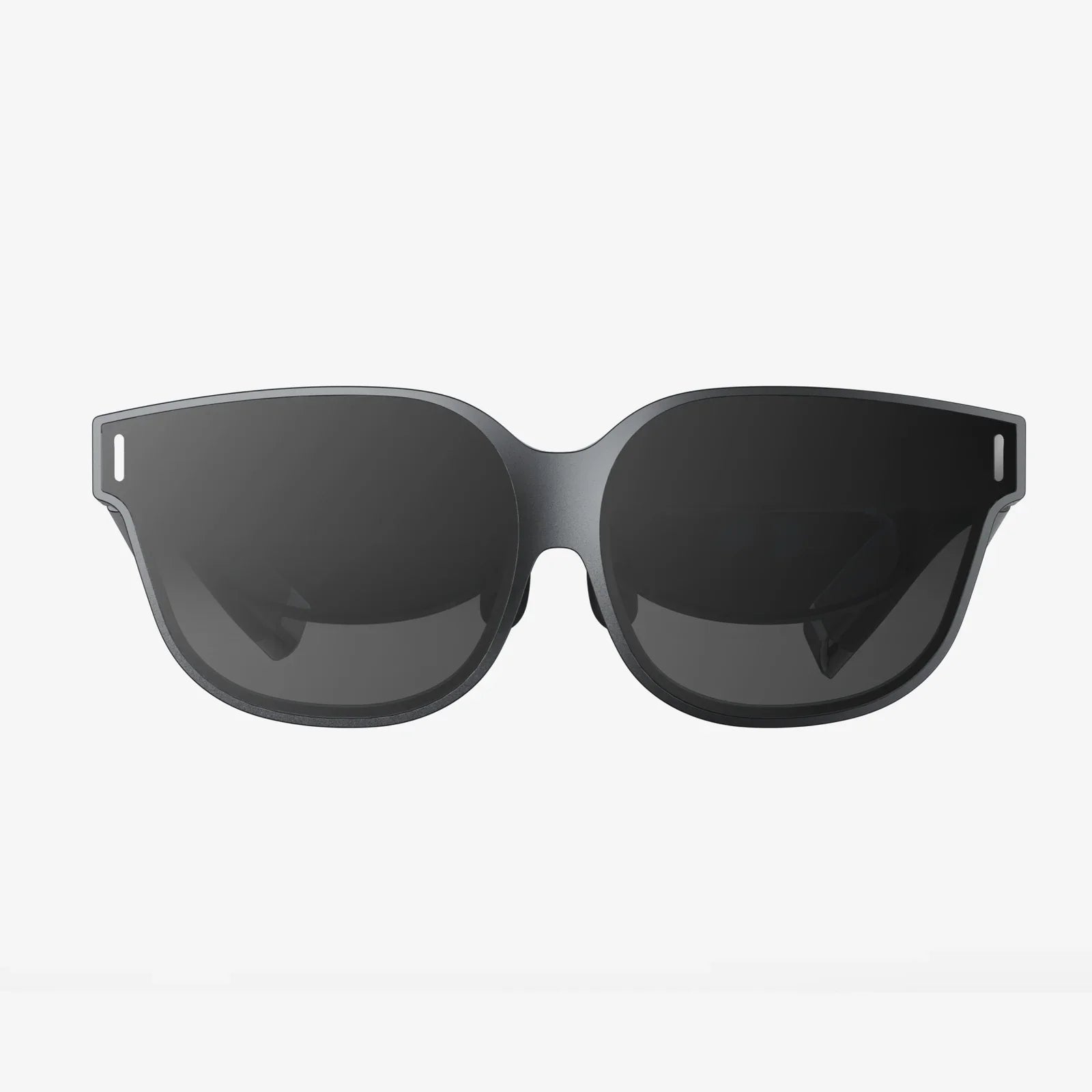
Imagine stepping off a plane in a bustling foreign city, the air thick with unfamiliar sounds and a language you don't understand. Instead of fumbling with a paper map or squinting at your phone, you simply glance down a vibrant alleyway. Instantly, a subtle, translucent arrow materializes in your field of vision, guiding you toward your hotel. The neon signs, once an indecipherable script, now display gentle translations hovering beside them. A quiet notification reminds you that a renowned ramen shop is just two blocks away, highly rated by travelers with tastes similar to yours. This isn't a scene from a distant sci-fi future; this is the emerging reality of smart glasses travel, a technological evolution poised to fundamentally reshape how we explore our world.
The End of the Digital Tether: Liberation Through Augmented Reality
For over a decade, the smartphone has been the undisputed centerpiece of the modern travel experience. It has been our map, our translator, our camera, and our guidebook. Yet, this convenience has come at a cost: a constant state of being tethered to a screen. We walk through breathtaking piazzas and ancient temples with our heads down, thumbs scrolling, missing the very moments we journeyed to witness. Smart glasses offer a paradigm shift—from looking at a device to looking through one. They project digital information directly onto your view of the physical world, creating a seamless blend of reality and data. This is the promise of augmented reality (AR): contextually relevant information, available instantly, without ever requiring you to break connection with your surroundings. Travel is, at its core, about immersion, and smart glasses are the key to a deeper, more connected, and less disruptive digital immersion.
Navigating the Unfamiliar with Effortless Precision
One of the most immediate and powerful applications for smart glasses travel is navigation. Traditional GPS, while helpful, forces a constant and awkward dance between the map on your screen and the world around you.
- Heads-Up Directional Guidance: Instead of a 2D map, smart glasses can project arrows, pathways, and markers directly onto the street in front of you. A floating indicator might point you to turn left at the next intersection, overlaying perfectly onto the real-world corner.
- Contextual Point-of-Interest (POI) Overlays: As you walk through a new city, glance at a building. Your glasses could recognize it and display a small tag with its name, historical significance, or current operating hours. Look toward a restaurant, and see its average price point and user rating float beside its entrance.
- Indoor Navigation: Massive airports, sprawling train stations, and enormous museum complexes become significantly less daunting. AR wayfinding can guide you to your specific gate, platform, or a coveted piece of art without a single confusing sign.
This technology transforms navigation from a conscious, distracting task into an intuitive, subconscious guide, allowing you to absorb the ambiance of a place without the anxiety of getting lost.
Shattering the Language Barrier in Real-Time
Perhaps the most profound impact of smart glasses travel is their ability to act as a universal translator. The barrier of language, one of the most significant challenges for international travelers, begins to dissolve.
- Real-Time Text Translation: By using built-in cameras, smart glasses can scan text—a menu, a street sign, a informational plaque—and instantly overlay the translation in your native language directly onto your view. You read the translated text while still looking at the original material, preserving the cultural context.
- Speech-to-Text Transcription and Translation: Imagine having a conversation with a local shopkeeper. As they speak, their words could be transcribed and translated into subtitles that appear in the lower part of your vision. While not perfect, this technology facilitates a level of communication previously impossible without a human translator.
- Learning and Connection: This functionality does more than just order food; it fosters connection. It allows for understanding, for shared laughs over mistranslations, and for a genuine appreciation of a culture by being able to engage with its people more directly.
The Ultimate Travel Companion: Hands-Free Media Capture
The desire to capture and share our travels is innate. However, balancing a camera or phone to take photos and videos often means missing the moment itself. Smart glasses redefine travel photography and videography.
- First-Person Perspective (POV) Content: Capture exactly what you see, from your perspective. The sweeping vista, the spontaneous street performance, the laughter of your travel companions—all recorded without a device held between you and the experience.
- Seamless and Discreet Operation: A simple voice command or a subtle tap on the temple of the glasses is all it takes to take a photo or start recording. This discreteness is invaluable in places where pulling out a large camera might feel intrusive or disrespectful.
- Living in the Moment: By freeing your hands, smart glasses allow you to truly be present. You can sip your coffee, hold a loved one's hand, or gesture animatedly while still knowing you're preserving the memory. The line between experiencing life and documenting it becomes beautifully blurred.
Immersive Cultural and Historical Context
Travel is enriched by understanding the history and stories embedded in a place. Smart glasses can unlock these narratives in an incredibly dynamic way, turning every city into a living museum.
- Historical Reconstructions: Stand before ancient ruins and use your glasses to see a digital reconstruction of what the structure looked like centuries ago, superimposed perfectly onto the current remains. See a colosseum restored to its former glory or a castle courtyard populated with animated figures from the past.
- Interactive Guided Tours: Museums and historical sites can offer AR experiences where exhibits come to life. A painting might describe its own history, a fossil might demonstrate how the creature moved, and a spacecraft might detail its journey in a visually stunning narrative that unfolds around you.
- Deep-Dive Information: For the curious traveler, the ability to access deep, context-aware information on-demand is revolutionary. Want to know the architectural style of a bridge you're crossing? Or the native bird species in a park you're walking through? The information can be available instantly, enriching your understanding layer by layer.
Practical Considerations for the Tech-Savvy Voyager
While the potential is staggering, integrating this new technology into your travel routine requires some forethought.
- Battery Life and Power Management: AR is computationally intensive. Managing battery life is paramount. This means developing a charging strategy, likely involving a compact power bank, and being mindful of turning off non-essential features when not in use to extend usage throughout a full day of exploration.
- Data Connectivity: Many core features, especially real-time translation and navigation, require a reliable internet connection. Travelers will need to navigate local SIM cards, international roaming plans, or pre-downloading area-specific data packs to ensure functionality.
- Digital Etiquette and Privacy: This is a new frontier. Recording in public spaces, even passively, raises valid privacy concerns for both the wearer and those around them. It is crucial to be aware of local laws and social norms regarding recording devices. Furthermore, knowing when to take the glasses off to be fully present in a conversation or a solemn site is a key part of being a respectful traveler.
- Style and Discreetness: The best travel technology is the kind you forget you're wearing. The industry is moving towards designs that are lightweight, comfortable for all-day wear, and look like fashionable eyewear rather than obvious tech gadgets, helping users blend in rather than stand out.
Gazing Toward the Horizon: The Future of Augmented Travel
The current generation of smart glasses is merely the foundation. The future holds even more transformative possibilities. We can anticipate AI travel assistants that don't just show data but proactively offer advice, learning your preferences to suggest unique experiences you'd love. Holographic telepresence could allow a remote expert guide to literally "walk" you through a site, their avatar pointing out details you would have otherwise missed. Advanced biometric sensors could monitor health metrics, offering warnings about altitude sickness or dehydration before you even feel the symptoms. The convergence of AI, AR, and real-world data will create a travel ecosystem that is predictive, personalized, and profoundly empowering.
The world is waiting, more connected and accessible than ever before. The next time you embark on an adventure, the most essential tool you pack might not be in your backpack, but on your face, ready to unlock a deeper layer of reality and turn the entire globe into an interactive, explorable, and endlessly fascinating destination.
Share:
Top 5 VR Goggles: The Ultimate Buyer's Guide to Immersive Reality
Latest Wearable Technology: Beyond the Wrist, A New Era of Personal Intelligence