


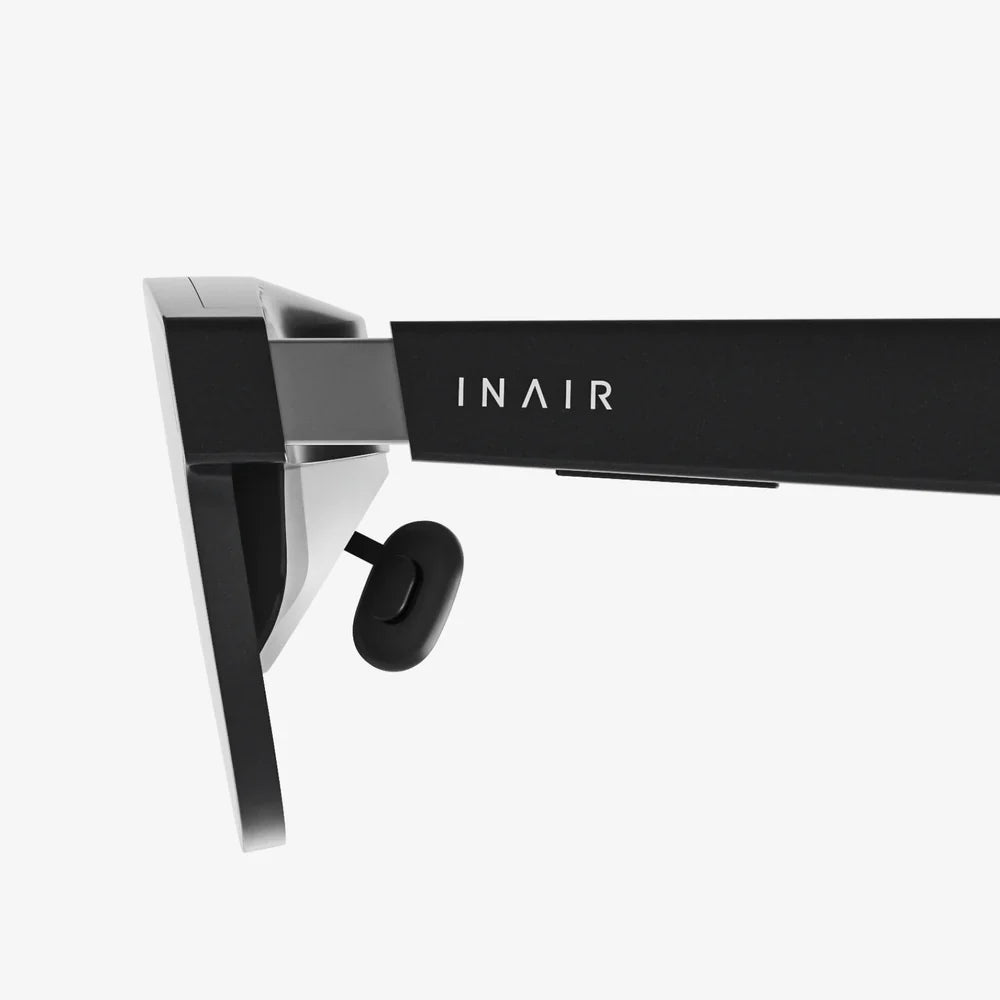
Imagine slipping on a sleek, self-contained visor and instantly being transported from your living room in Mumbai to a virtual training simulation in Bangalore, a historical tour of the Red Fort, or a collaborative design session with colleagues across the globe—all without a single cable tethering you to a powerful computer. This is no longer a scene from a science fiction film; it is the present-day reality rapidly unfolding across India, powered by the silent yet seismic rise of the standalone VR headset. This technological marvel is not merely another gadget; it is a key unlocking a universe of possibilities, poised to reshape how a billion people learn, work, play, and connect.
The Dawn of an Untethered Era: What Makes Standalone VR a Game-Changer?
For years, Virtual Reality was largely the domain of hardcore gamers and tech enthusiasts with deep pockets. The experience was shackled—literally—by the need for a high-end personal computer or a gaming console, a tangle of cables, external sensors for precise tracking, and a dedicated physical space. This ecosystem of entry barriers placed immersive technology firmly out of reach for the vast majority of Indian consumers and businesses, making it a niche luxury.
The standalone VR headset shatters this paradigm. By integrating all the necessary computational hardware—processor, memory, sensors, and battery—into a single, wearable unit, it achieves a remarkable feat: complete freedom and accessibility. This all-in-one design eliminates the single greatest point of friction: the expensive PC. Suddenly, the doorway to virtual worlds is not a Rs. 100,000 gaming rig but a single, more affordable device. This fundamental shift is what positions standalone VR as the catalyst for mass adoption in a price-sensitive market like India.
Convergence at the Right Time: Why India is Ripe for a VR Revolution
The explosive growth of standalone VR in India is not happening in a vacuum. It is the result of a powerful convergence of several key factors that have primed the nation for this exact moment.
The Jio Effect and Ubiquitous Connectivity
The data revolution ignited by telecom providers has connected hundreds of millions of Indians to the internet, many for the first time. This has created a massive, digitally literate population comfortable with consuming content on mobile devices. Standalone VR headsets are, in essence, the next logical step in mobile computing—a highly immersive screen you wear on your face. Users are already accustomed to app-based ecosystems, touch interfaces, and wireless connectivity, making the transition to a VR headset far less daunting.
A Thriving Startup and Developer Ecosystem
India's tech landscape is buzzing with innovation. From Bengaluru to Hyderabad and Gurgaon to Pune, a vibrant community of developers, designers, and entrepreneurs is eager to build for the next big platform. Standalone VR presents a fertile new ground. The relatively lower development cost compared to console or PC VR, combined with access to a massive potential user base, is encouraging Indian creators to build locally relevant applications, ensuring the content resonates with the cultural and practical needs of the Indian audience.
Government Initiatives and Digital India
The push towards a Digital India has emphasized the adoption of technology in governance, education, and infrastructure. There is a growing recognition of immersive technologies like VR for their potential in skilling, training, and simulating complex scenarios for sectors like defense, healthcare, and manufacturing. This top-down acknowledgment provides a significant tailwind for the industry's growth.
Beyond Gaming: The Transformative Applications Reshaping India
While immersive gaming is a major driver, the true potential of standalone VR in India lies in its practical, life-changing applications.
Revolutionizing Education and Skilling (EdTech)
Imagine a student in a remote village in Assam taking a virtual field trip to the cellular biology exhibit at a museum in Delhi. Or a trainee mechanic practicing complex engine repairs on a virtual model, making mistakes without real-world cost. Standalone VR makes this possible. It can democratize access to quality educational experiences, breaking down geographical and socioeconomic barriers. Medical students can practice virtual surgeries, history can be experienced rather than just read, and complex scientific concepts can be visualized in 3D, leading to drastically improved learning outcomes and engagement.
Empowering Enterprise and Industry
Indian enterprises are rapidly adopting VR for training, collaboration, and design. Automobile companies can use VR to train assembly line workers on new procedures. Architecture and real estate firms can offer immersive walkthroughs of unbuilt properties to clients anywhere in the world. Remote teams can meet in a shared virtual boardroom, interacting with 3D models as if they were in the same physical space. The cost savings on travel, physical prototypes, and training materials are immense, providing a clear return on investment that is driving corporate adoption.
Unlocking New Frontiers in Healthcare
The healthcare sector stands to benefit enormously. VR is already being used for therapeutic purposes, such as treating phobias, managing pain, and aiding in physical rehabilitation by creating engaging exercise environments. Surgeons can plan complex operations by studying a patient's anatomy in VR. For a country with a vast population and a doctor-patient ratio that is often stretched, these tools can enhance the efficiency and reach of quality healthcare.
Redefining Entertainment and Social Connection
From front-row seats at a virtual concert to 360-degree videos of India's diverse landscapes, entertainment is being reimagined. Families separated by distance can gather in a virtual living room to watch a movie together. The social aspect of VR—the ability to meet, interact, and share experiences with others in a virtual space using digital avatars—promises to create new forms of community and connection that transcend physical location.
Navigating the Indian Landscape: Challenges and Considerations
Despite the immense promise, the path to ubiquitous VR adoption in India is not without its hurdles.
The Price Point Paradox
While more affordable than a PC-based setup, high-quality standalone headsets still represent a significant investment for the average Indian consumer. Creating flexible financing options, and subscription models, and encouraging institutional purchases for shared use in schools and libraries will be crucial to overcoming this barrier.
Content is King: The Need for Localization
The library of VR content with Indian context—be it in language, cultural relevance, or subject matter—is still growing. The long-term success of the platform hinges on Indian developers creating experiences that cater specifically to Indian audiences, from virtual tours of Indian heritage sites to educational content aligned with local curricula.
Infrastructure and Awareness
Reliable high-speed internet, while expanding, is not yet universal. Furthermore, there is a need to build awareness and demystify the technology. Physical experience zones in malls and tech stores will play a vital role in letting people try VR for themselves and understand its value beyond being just a novelty.
The Future is Immersive: What Lies Ahead for Standalone VR in India?
The trajectory is clear: standalone VR is moving from a niche curiosity to a mainstream computing platform. As technology advances, we can expect headsets to become lighter, more comfortable, with higher-resolution displays and longer battery life. The integration of technologies like eye-tracking and facial expression capture will make social interactions startlingly realistic. Furthermore, the blending of VR with Augmented Reality (AR) into Mixed Reality (MR) will allow digital objects to interact seamlessly with our physical world, opening up even more applications in design, maintenance, and daily life.
For India, this represents a unique opportunity to leapfrog traditional technological constraints. Just as the nation embraced mobile phones over landlines, it can adopt immersive spatial computing as a primary tool for progress. The standalone VR headset is more than a device; it is a portal. A portal that can train the next generation of surgeons, preserve and showcase cultural heritage in breathtaking detail, connect a dispersed population, and fuel a new wave of technological innovation made in India, for the world. The cables have been cut. The revolution has begun. Are you ready to step through?
Share:
Is There a Wireless VR Headset? A Deep Dive into the Untethered Virtual Revolution
Which Affordable AR Headset Offers 4K Resolution? The Ultimate Buyer's Guide