


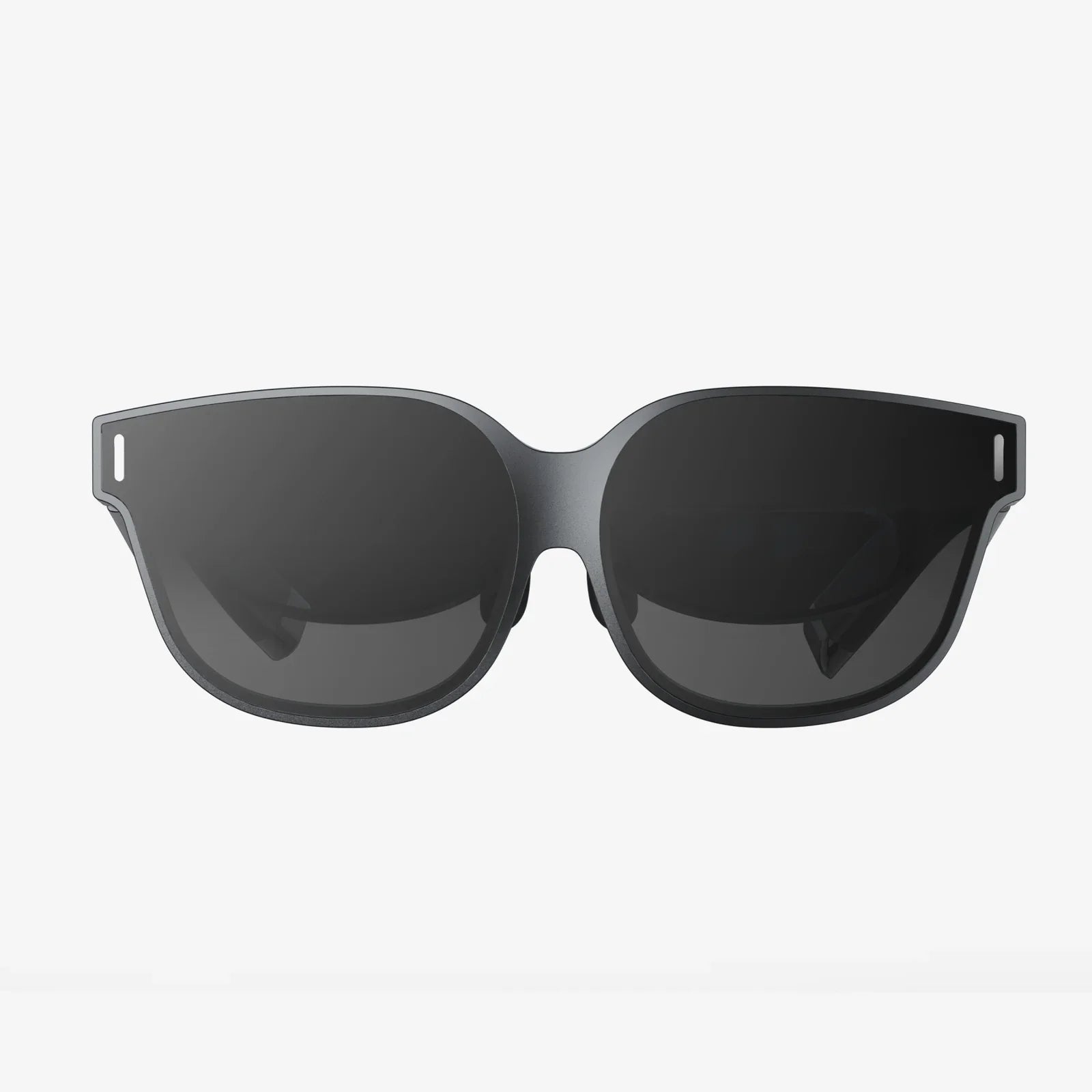
The future of news virtual reality is not a distant sci-fi fantasy anymore; it is quietly taking shape in newsrooms, labs, and living rooms around the world. Imagine putting on a lightweight headset, instantly standing in the middle of a breaking news event, and looking around as if you were physically there. You hear voices behind you, see details to your left and right, and choose where to focus your attention rather than passively watching a flat screen. This is the emerging reality of immersive news, and it promises to change how we understand events, empathize with people, and trust information.
As audiences grow accustomed to on-demand content and interactive experiences, traditional news formats struggle to compete for attention. Virtual reality offers something radically different: a sense of presence that makes news feel less like a distant report and more like a lived experience. This shift is not just about new gadgets; it is about redefining journalism itself. How stories are gathered, produced, delivered, and consumed will all be reshaped by immersive technologies. For news organizations and audiences alike, the question is no longer whether VR will matter, but how deeply it will transform the information we rely on every day.
The Rise of Immersive Journalism
Immersive journalism is the practice of using virtual reality and related technologies to place audiences inside news stories. Instead of watching a two-dimensional video, viewers are transported to a 3D environment where they can look around, move, and sometimes interact with elements of the story. This shift from observation to participation is at the heart of the future of news virtual reality.
In traditional news, the journalist chooses what to show through camera angles, edits, and narrative structure. In VR, the audience gains more control over their viewpoint. They can turn their head to see what is happening behind them, focus on a particular detail, or simply stand in silence and absorb the atmosphere. This freedom changes the relationship between reporter and viewer, making the experience feel more personal and less filtered.
Immersive journalism can take many forms:
- 360-degree video: Real-world footage captured with special cameras that record in every direction, allowing viewers to look around freely.
- Fully virtual environments: Computer-generated scenes that recreate events, locations, or historical moments in 3D.
- Mixed media experiences: A blend of video, 3D models, spatial audio, and interactive elements such as clickable data points or guided narration.
Each format offers different strengths. 360-degree video preserves the authenticity of real footage, while fully virtual environments allow journalists to reconstruct events that were not filmed, visualize data, or simulate future scenarios based on expert analysis. Together, they expand the toolkit of modern newsrooms.
Why Virtual Reality Matters for News
The future of news virtual reality is driven by more than technological novelty. It addresses several deep challenges facing journalism today: engagement, understanding, and trust.
Deeper Engagement
Audiences are overwhelmed by information, alerts, and endless scrolling feeds. Traditional articles and videos often struggle to hold attention. VR, by contrast, demands focus. When someone puts on a headset, they temporarily leave distractions behind and enter a dedicated environment for the story. This sense of immersion can lead to longer viewing times and more meaningful engagement.
Being visually and aurally surrounded by a story makes it harder to treat the news as background noise. The environment feels more like a place you visit than a clip you skim. This can be especially powerful for complex topics that require sustained attention, such as climate change, conflicts, or systemic inequality.
Greater Understanding
Many news topics are spatial, layered, and difficult to grasp through flat images or text alone. VR helps people understand:
- Scale: Walking through a flooded neighborhood or standing beneath a massive infrastructure project conveys scale more intuitively than numbers on a screen.
- Context: Seeing the surroundings of an event—streets, crowds, geography—adds context that might be cropped out of traditional footage.
- Complex systems: Immersive data visualizations can show how networks, flows, and patterns operate in three dimensions, making abstract issues more concrete.
By engaging multiple senses and allowing free exploration, VR can turn complex news into experiences that are easier to remember and discuss.
Stronger Empathy
One of the most discussed advantages of immersive journalism is its potential to foster empathy. When viewers feel present in another person’s environment, listening to their voice and seeing the world from their perspective, distant issues become emotionally tangible. This does not mean that VR should manipulate emotions, but it can humanize statistics and headlines.
Stories about refugees, disaster survivors, or marginalized communities often struggle to break through the noise of daily news. VR can place viewers in these environments, encouraging them to spend more time with the people at the center of the story. The challenge is to balance emotional impact with accuracy and respect, ensuring that immersive storytelling informs rather than exploits.
New Paths to Trust
Trust in news organizations has been eroding in many parts of the world. Audiences question whether they are seeing the whole picture or a carefully curated slice. VR can respond to this skepticism by showing more of the scene, unedited in every direction, reducing the sense of hidden angles.
While immersive news is not immune to manipulation, the ability to freely look around and observe details can give viewers a stronger sense of autonomy. Combined with transparent explanations of how VR experiences are produced, this openness can help rebuild confidence in journalistic practices.
Key Technologies Powering VR News
The future of news virtual reality depends on a range of technologies that are rapidly evolving. Several components are especially important for newsrooms.
Headsets and Displays
VR headsets are becoming lighter, more comfortable, and more affordable. Higher-resolution displays and better optics reduce motion sickness and visual strain, making longer news experiences possible. Standalone headsets that do not require a powerful computer or external sensors lower the barrier to entry for audiences and journalists alike.
As hardware improves, news organizations can design more ambitious experiences without worrying that technical limitations will distract from the story. Clearer visuals, wider fields of view, and better color reproduction make environments feel more realistic and engaging.
Spatial Audio
Sound is as important as visuals in creating a sense of presence. Spatial audio techniques allow journalists to position sounds in 3D space so that they appear to come from specific directions and distances. This helps audiences locate speakers, understand environments, and feel immersed in the scene.
For example, in a VR report from a protest, chants might come from one direction, sirens from another, and a journalist’s narration from a stable point near the viewer. This layered soundscape can convey the complexity and emotion of the event more effectively than a flat audio track.
360-Degree Cameras and Volumetric Capture
To create realistic VR news, journalists need tools that capture environments in all directions. 360-degree cameras do this by using multiple lenses to record overlapping fields of view, later stitched into a seamless sphere of video. As these cameras become more compact and robust, they can be deployed quickly to breaking news scenes.
Volumetric capture goes a step further, recording subjects in 3D so that viewers can walk around them and see them from any angle. While still more complex and resource-intensive, volumetric techniques will likely become more common in high-profile features and documentaries, allowing audiences to stand beside interviewees or explore reenacted scenes with greater freedom.
Interactive Storytelling Tools
Static VR experiences are only the beginning. The future of news virtual reality will increasingly involve interactivity. Tools that let journalists create branching narratives, clickable hotspots, and data overlays are becoming more accessible.
Interactive elements might include:
- Guided tours where the viewer chooses which location to visit next.
- Information layers that appear when the viewer gazes at or points to an object.
- Multiple perspectives that allow switching between viewpoints, such as a resident, an expert, or an on-the-ground reporter.
These features let audiences customize their journey through a story, deepening engagement and understanding while preserving editorial structure.
How VR Will Change Newsrooms
As immersive technologies mature, newsrooms will need to adapt their workflows, roles, and cultures. The future of news virtual reality will not simply be an add-on; it will reshape how news organizations think about stories from the outset.
New Roles and Skills
Journalists will increasingly collaborate with technologists, designers, and developers. New roles may emerge, such as:
- Immersive editors who specialize in structuring stories for VR and interactive environments.
- Experience designers who plan how viewers move through virtual spaces and interact with content.
- Spatial audio producers who craft soundscapes that guide attention and enhance realism.
- Technical producers who manage 3D assets, performance optimization, and cross-platform distribution.
Traditional skills like interviewing, fact-checking, and investigative reporting will remain essential, but they will be combined with new competencies in storytelling, design, and technology.
Rethinking Story Structure
Linear narratives, where a story unfolds from beginning to end in a fixed order, do not always translate well to VR. Immersive environments encourage exploration and non-linear paths. Newsrooms must decide how much freedom to give audiences while still guiding them toward key facts and insights.
Some strategies include:
- Spatial organization: Placing different parts of a story in different locations within a virtual environment, encouraging viewers to move from one area to another.
- Subtle cues: Using light, sound, or movement to gently draw attention to important elements without forcing a single viewpoint.
- Optional depth: Providing core information in a concise, guided path, with deeper layers available for those who want to explore further.
This hybrid approach respects the audience’s agency while ensuring that the essential narrative remains clear and coherent.
Production Timelines and Costs
Creating high-quality VR news experiences is currently more resource-intensive than producing traditional articles or videos. It requires specialized equipment, software, and expertise. However, as tools become more user-friendly and workflows become standardized, production times and costs are likely to decrease.
News organizations will probably reserve fully immersive, interactive projects for major investigations, long-form features, and unique events, while using simpler 360-degree videos for quicker coverage. Over time, templates and reusable assets could further streamline production, making immersive storytelling a more regular part of the news cycle.
Audience Experience and Accessibility
For the future of news virtual reality to reach its potential, it must be accessible to a wide audience, not just early adopters with high-end devices. This involves both technological and design considerations.
Device Diversity
Audiences will access immersive news through a variety of devices:
- Dedicated VR headsets for fully immersive experiences.
- Mobile phones using simple viewers or handheld modes to explore 360-degree content.
- Web browsers that display interactive 3D scenes and 360-degree videos without specialized hardware.
News organizations need to design experiences that degrade gracefully, offering core content across multiple platforms while still rewarding those with more advanced devices.
Comfort and Safety
Immersive news can be intense. Standing in the middle of a disaster or conflict zone may be emotionally and physically overwhelming. Designers must consider:
- Session length to reduce fatigue and motion sickness.
- Content warnings for graphic or distressing material.
- Comfort settings such as teleportation movement instead of smooth walking, or seated modes for those who cannot stand.
Respecting viewers’ physical and emotional limits is crucial to building long-term trust and adoption.
Inclusivity and Accessibility Features
To serve diverse audiences, immersive news must incorporate accessibility features such as:
- Subtitles and captions that are readable within 3D environments.
- Audio descriptions for visually impaired users, describing key visual elements.
- Customizable interfaces for people with limited mobility or different input devices.
Designing with accessibility in mind from the start ensures that VR news does not become another barrier but an inclusive medium that expands participation.
Ethical and Editorial Challenges
The future of news virtual reality raises difficult questions about ethics, accuracy, and responsibility. The power of immersion amplifies both the benefits and the risks of journalism.
Accuracy in Reconstructed Environments
When news organizations recreate events in VR, they must decide how to handle missing information. Not every detail can be verified, and there is a temptation to fill gaps with plausible but unconfirmed elements. This can blur the line between documentation and dramatization.
To maintain credibility, journalists should:
- Clearly label reconstructed scenes and explain what is based on evidence and what is inferred.
- Provide access to source materials, such as documents, interviews, or original footage, whenever possible.
- Avoid adding unnecessary embellishments that might mislead viewers about what actually occurred.
Transparency about methods and limitations is essential to preserving trust.
Manipulation and Deepfakes
As 3D graphics and synthetic media become more realistic, the risk of deceptive immersive content grows. False VR experiences could be used to spread misinformation or propaganda, convincing viewers that they have “been there” when the environment is entirely fabricated.
News organizations will need robust verification procedures, digital signatures, and clear branding to distinguish authentic journalism from manipulated content. Collaborative standards across the industry may emerge to certify trustworthy immersive experiences.
Emotional Impact and Consent
Immersive news can evoke strong emotional responses. Standing in the middle of a traumatic event may leave viewers shaken. Journalists must consider whether certain scenes are necessary to convey the story or whether they risk crossing into sensationalism.
Ethical questions also arise around the representation of victims and vulnerable people. Placing audiences inside someone’s most painful moments can feel invasive if not handled with care. Consent, dignity, and sensitivity should guide decisions about what to show and how to frame it.
Bias in Perspective and Navigation
Even in VR, where audiences can look around freely, choices about camera placement, lighting, and navigation still shape perception. A viewpoint from above a crowd feels different from a viewpoint within it. The path viewers are encouraged to follow can emphasize certain aspects of a story over others.
Editors should be aware of these subtle biases and strive to offer multiple perspectives where appropriate. Providing options to shift vantage points or hear from different stakeholders can help balance the narrative.
Business Models and Sustainability
The future of news virtual reality depends not only on technology and storytelling but also on sustainable business models. Producing immersive content requires investment, and news organizations must find ways to fund it without compromising editorial integrity.
Subscription and Membership Models
Immersive news experiences can be powerful incentives for subscription or membership programs. Exclusive VR documentaries, behind-the-scenes tours, and interactive explainers may encourage audiences to support news organizations financially.
However, paywalls must be balanced with the public interest. For stories with significant civic importance, newsrooms may choose to make immersive experiences freely available while offering additional content or features to paying supporters.
Sponsorship and Partnerships
Collaborations with cultural institutions, universities, or technology companies can help fund ambitious VR projects. Sponsorship agreements must be transparent and clearly separated from editorial decisions to avoid conflicts of interest.
Partnerships can also expand distribution, placing immersive news content in museums, educational platforms, or public spaces where broader audiences can experience it.
Licensing and Syndication
High-quality immersive news experiences can be licensed to other outlets, platforms, or educational institutions. This creates additional revenue streams and extends the reach of important stories. Standardized formats and platforms will make syndication easier as the ecosystem matures.
Education, Civic Engagement, and Long-Term Impact
The future of news virtual reality is not limited to daily headlines. It has the potential to reshape how societies learn, debate, and remember events.
Immersive Civic Education
Imagine students virtually visiting legislative chambers, historical sites, or communities affected by policy decisions. Immersive news experiences can serve as educational tools, helping learners understand how institutions work and how events unfold over time.
By turning abstract civic concepts into lived experiences, VR can make public issues more relatable and encourage informed participation in democratic processes.
Long-Form Memory and Archives
Immersive news can become part of the historical record. Future generations might revisit major events not just through text and photographs but by virtually standing in reconstructed environments, listening to original testimonies, and exploring interactive timelines.
This raises questions about how to archive VR experiences, preserve compatibility with future devices, and document the editorial decisions behind their creation. Thoughtful archiving will be essential to ensure that immersive news remains accessible and interpretable over decades.
Public Deliberation and Shared Experiences
One of the challenges of the digital age is fragmentation: people consume different news sources, live in separate information bubbles, and rarely share common experiences. Immersive news could counter this by offering shared virtual spaces where people from different backgrounds experience the same story and then discuss it together.
Virtual town halls, guided tours of contested sites, and multi-perspective simulations of policy scenarios could provide new forums for public deliberation. The key will be designing these spaces to encourage respectful dialogue rather than polarization.
Roadmap: From Experimental to Everyday
The path from experimental projects to everyday immersive news will be gradual, marked by milestones in technology, audience behavior, and newsroom practices.
Short-Term Developments
In the near term, we can expect:
- More frequent use of 360-degree video for major events and feature stories.
- Improved mobile support, allowing audiences to explore immersive content without specialized hardware.
- Pilot projects in schools, museums, and public institutions to test educational applications.
- Early industry standards for ethical guidelines and technical formats.
These steps will help audiences become familiar with immersive news while giving journalists valuable feedback on what works and what does not.
Medium-Term Evolution
As devices become more widespread and affordable, immersive news may become a regular part of coverage for major topics. We may see:
- Dedicated immersive journalism teams in large news organizations.
- Routine use of spatial data visualizations for complex issues like climate, health, and economics.
- Integrated platforms that combine text, video, audio, and VR in unified story packages.
- Stronger collaboration between newsrooms and academic researchers studying impact and ethics.
During this phase, best practices will emerge, and audiences will develop clearer expectations of quality and transparency.
Long-Term Vision
Looking further ahead, the future of news virtual reality may blend seamlessly with augmented reality, artificial intelligence, and other emerging technologies. People might access immersive news through lightweight glasses, contact lenses, or even holographic displays. Personalized, interactive news environments could update in real time, reflecting each viewer’s interests while still exposing them to diverse perspectives.
Journalists could use AI-assisted tools to quickly generate immersive maps, reconstruct scenes from verified data, and translate content across languages. At the same time, robust safeguards against manipulation and bias will be essential to protect the integrity of the information ecosystem.
A New Relationship Between News and Reality
The future of news virtual reality points toward a fundamental shift in how we relate to information. Instead of reading about events from a distance, we will increasingly step inside them, navigate their complexity, and form our own impressions within carefully constructed journalistic frameworks.
This shift brings risks: the potential for emotional overload, manipulation, and unequal access. Yet it also offers extraordinary opportunities to deepen understanding, foster empathy, and rebuild trust in a time of fragmentation and doubt. As news organizations experiment, refine, and debate, audiences will play a crucial role by demanding transparency, inclusivity, and ethical integrity.
For anyone who cares about the future of journalism, now is the moment to pay attention. The choices made today—about tools, standards, and values—will shape how entire generations experience reality through the news. Virtual reality is not just another format; it is a new frontier in how societies see themselves, confront their challenges, and imagine what comes next. The stories that step into this frontier first will define the benchmarks, expectations, and possibilities of immersive news for years to come.
Share:
Why Do We Have AI And How It’s Quietly Rewriting Everyday Life
How Does AI Software Work To Transform Data Into Decisions