


Imagine a world where your digital assistant doesn't just answer questions but anticipates your needs, where your reality is seamlessly blended with digital information, and where technology feels less like a tool and more like a natural extension of human intuition. This isn't a distant sci-fi fantasy; it's the dawn of 2025. The next wave of digital innovation is poised to fundamentally reshape our daily lives, redefine human-computer interaction, and unlock possibilities we are only beginning to comprehend. The products on this list represent the vanguard of this revolution, a curated glimpse into a future that is barreling toward us at breakneck speed. Prepare to be intrigued, surprised, and inspired by the top 10 digital products that will dominate conversations and wish lists in the coming year.
The Rise of the Ambient and Predictive Digital Ecosystem
The overarching theme for 2025 is a shift away from transactional, app-based interactions toward a continuous, ambient, and predictive digital environment. The devices and services we use will increasingly work in concert, forming an intelligent ecosystem that operates in the background of our lives. This move from proactive to predictive computing means your digital world will learn from your habits, preferences, and even your biometrics to serve you information and functionality before you even ask for it. The products leading this charge are designed not as isolated gadgets but as interconnected nodes in a smarter, more intuitive network.
1. Next-Generation AI Personal Companions
Moving far beyond today's simple voice assistants, 2025's AI companions will be multimodal, context-aware, and deeply personalized. These are not merely products but persistent digital entities that travel with you across your devices—your phone, your car, your home, and your wearables. They will process natural language with unprecedented nuance, understand emotional cadence in your voice, and analyze real-time visual data from your surroundings to offer truly relevant assistance. They will manage your schedule, curate your information intake, help you learn new skills, and even provide proactive health nudges based on accumulated data. The key differentiator will be their ability to conduct multi-step tasks across different applications and services autonomously, acting as a true digital proxy for your intentions.
2. Advanced Spatial Computing Headsets
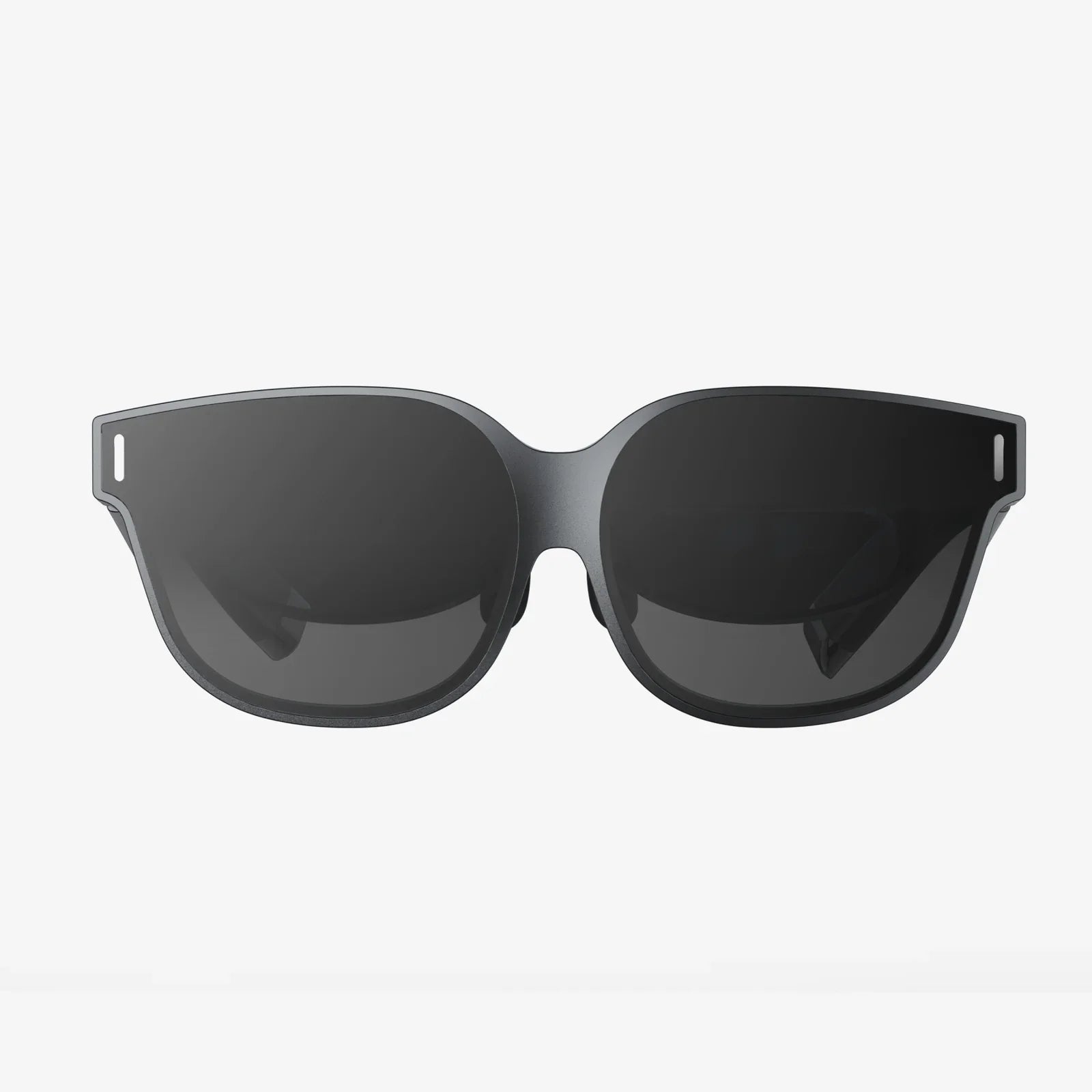
While the first generation of mixed reality headsets made a splash, 2025 will see the arrival of devices that are lighter, more powerful, and socially acceptable. These advanced spatial computing headsets will feature photorealistic pass-through, eliminating the lag and distortion that can cause nausea, and making digital object integration into your physical world seamless. They will be your portal to the nascent but expanding spatial web, overlaying persistent digital information, art, and interfaces onto your environment. Expect revolutionary use cases in remote collaboration, where 3D models can be manipulated by teams across the globe as if they were physically present, and in entertainment, where your living room can transform into a movie theater or a game level.
3. AI-Native Smartphones
The smartphone is not dying; it's evolving. The flagship devices of 2025 will be defined not by camera megapixels or processor clock speeds, but by their on-device AI capabilities. Featuring dedicated neural processing units (NPUs) capable of running massive large language and diffusion models locally, these phones will offer powerful generative features—from real-time video editing and language translation to creative ideation—without requiring a cloud connection. This means enhanced privacy, lower latency, and functionality anywhere. The operating systems themselves will be rearchitected around AI, predicting your next action and surfacing the right app or information at the precise moment you need it.
4. Biometric Health Rings
Wearable health tracking is moving from the wrist to the finger. Biometric rings, sleek and comfortable enough to wear 24/7, including while sleeping, will become a major health and wellness product in 2025. Their position on the finger allows for more accurate readings of key metrics like heart rate, heart rate variability, blood oxygen saturation, and skin temperature due to richer vascular access. They will provide unparalleled insights into sleep quality, recovery, and overall stress levels, feeding this data into your AI companion for holistic health advice. Their discreet form factor makes them appealing to those who find smartwatches bulky or intrusive.
5. Foldable and Rollable Display Devices
Form factor innovation will continue to accelerate. We will see a wider adoption of foldable smartphones that finally achieve price points and durability for the mainstream, effectively functioning as a tablet that fits in your pocket. More excitingly, 2025 will see the commercialization of rollable and slidable display technology. Imagine a smartphone that can unfurl into a small tablet, or a television that retracts into a minimalist soundbar when not in use. These products will redefine space efficiency and offer new levels of portability for large-screen experiences, challenging our notions of what a screen can be.
6. Consumer-Level Neural Interface Wearables
While not yet reading full thoughts, the first wave of consumer-approved neural interface wearables will hit the market. These non-invasive devices, often in the form of headbands or headphones, will use EEG (electroencephalography) to detect rudimentary brain signals. Initial applications will focus on extreme focus enhancement for meditation, advanced sleep tracking by monitoring brainwave states, and controlling devices or software through simple intentional commands (think: flipping a slideshow presentation with a thought). This represents the first tentative step toward a future of direct brain-computer interaction, moving beyond physical inputs and voice.
7. Hyper-Personalized Learning Pods
Education and upskilling will be transformed by dedicated digital learning devices. These "pods" will combine adaptive learning software, AI tutors, and immersive spatial computing to create deeply personalized educational journeys. Instead of a one-size-fits-all curriculum, the AI will assess your learning style, knowledge gaps, and pace, delivering content in the most effective format for you—be it interactive 3D models, conversational Q&A, or traditional text. They will provide real-time feedback and encouragement, making learning a new language, instrument, or professional skill more efficient and engaging than ever before.
8. Next-Gen Wireless Home Energy Management Systems
As energy costs and environmental concerns rise, the smart home will get a brain for sustainability. These comprehensive systems will go beyond simple smart thermostats. They will integrate with solar panels, home battery storage, and EV charging stations, and will have deep learning capabilities to understand your household's energy patterns. The AI will automatically shift energy usage to off-peak times, prioritize battery charging from solar, and even sell excess energy back to the grid optimally. It will provide a single, intuitive interface for managing your home's carbon footprint and reducing costs, making sustainable living effortless.
9. AI-Powered Creative Content Suites
While software is not always considered a "product," the next generation of creative suites will be so transformative and all-inclusive that they qualify. These platforms will serve as a co-pilot for creators of all skill levels. You will be able to generate stunning images, videos, and music from text prompts, but the real magic will be in the iterative refinement. The AI will understand style, composition, and narrative, allowing you to edit photos by describing the change you want or to compose a soundtrack by specifying the emotional tone and instruments. These suites will democratize high-end creative production, unlocking new forms of expression.
10. Privacy-First Personal Data Vaults
In response to growing data breaches and surveillance concerns, a new category of hardware will emerge: the personal data vault. This is a dedicated, always-on, local server for your home that stores all your personal data—documents, photos, messages, health metrics, and smart home data. It gives you complete control, allowing you to grant and revoke permission to services and companies to access specific slices of your data without them holding the master copy. It uses advanced encryption and will interface with your AI companion, providing all the benefits of personalized service without the privacy trade-offs of cloud-based models. It represents a fundamental power shift back to the individual.
Navigating the Future Responsibly
The arrival of these technologies brings with it profound questions about ethics, equity, and the human experience. The potential for data misuse, the deepening of the digital divide, and the impact on human attention and social skills are challenges that must be addressed in parallel with innovation. The most successful products of 2025 will be those that not only leverage cutting-edge technology but do so with a built-in framework for transparency, user control, and digital well-being.
The digital landscape of 2025 promises a leap in convenience, personalization, and capability that will make our current technology feel archaic. From the AI that knows you better than you know yourself to the wearable that unlocks the potential of your own mind, these products are set to dissolve the remaining barriers between our physical and digital existences. The future is no longer something we wait for; it's something we build, critique, and integrate into the fabric of our lives. The only question that remains is not which of these products you will own, but how you will choose to let them enhance your reality and redefine your human potential.
Share:
How Many Smart Devices Active Today: The Staggering Scale of Our Connected World
Interactive Touchboards Are Revolutionizing Collaboration in Classrooms and Boardrooms