


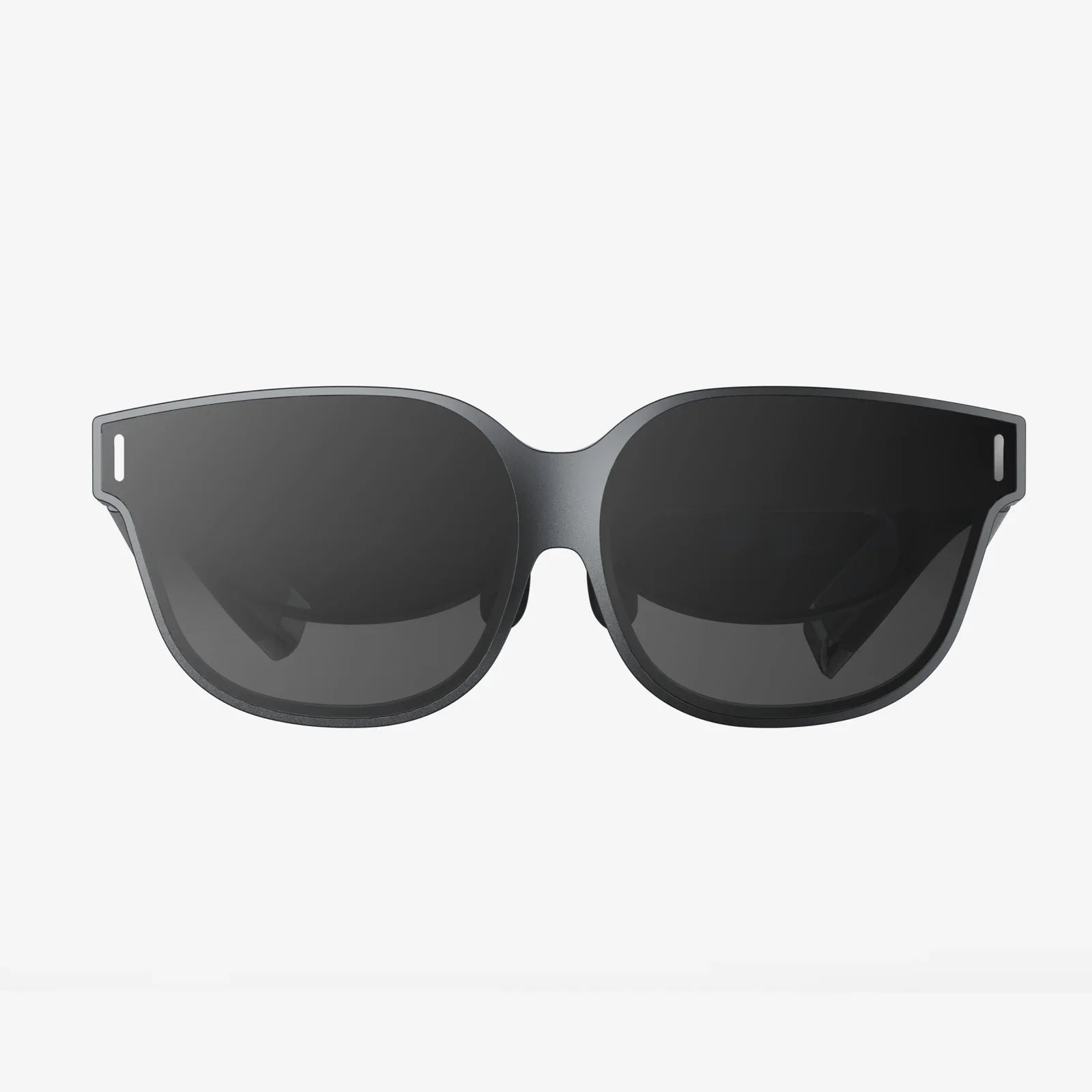
The virtual horizon is shimmering with promise, a digital frontier on the cusp of a revolution that threatens to blur the lines between our physical reality and the boundless worlds we can create. The whispers have become a roar; the next generation of immersive technology is almost here, and it promises to redefine everything we thought we knew about connection, entertainment, and work. For enthusiasts and skeptics alike, the barrage of announcements and leaks surrounding upcoming VR headset releases is more than just tech news—it’s a portal to a future we’ve only ever glimpsed in science fiction. This isn't just an upgrade; it's an evolution, and the anticipation is palpable.
The State of the Virtual Union: Setting the Stage for a New Era
The current landscape of virtual reality is a fascinating mix of established pioneers and hungry newcomers. The market has matured significantly from its early days of clunky prototypes and limited software libraries. Today, millions of users worldwide engage with VR for a multitude of purposes, from playing hyper-immersive games to collaborating in virtual boardrooms, practicing complex surgical procedures, and even attending live concerts with friends from across the globe. This widespread adoption has created a robust ecosystem of developers and content creators, all pushing the boundaries of what's possible.
However, despite these advancements, certain technological and experiential barriers remain. Issues like screen door effect, limited field of view, cumbersome cables, and the sheer bulk of some headsets have, until now, prevented VR from achieving true mainstream, all-day usability. The industry stands at a critical juncture, and the upcoming VR headset releases are poised to be the catalysts that finally smash through these barriers. They represent a collective leap forward, addressing these pain points with a combination of breathtaking innovation and refined engineering.
Decoding the Hype: Key Technological Trends to Watch
The next wave of hardware isn't just about incremental improvements; it's about foundational shifts in how these devices are built and experienced. Several key trends are emerging as the defining features of this new generation.
Pancake Lenses and Micro-OLED Displays: A Visual Revolution
For years, the visual fidelity of VR has been constrained by the limitations of Fresnel lenses and LCD panels. The upcoming generation is set to abandon this paradigm entirely. The adoption of pancake lenses is a game-changer. These compact, multi-element optical stacks allow for a drastically reduced distance between the lens and the display, enabling headsets to become significantly thinner and lighter without compromising on optical performance. They also reduce god rays and glare, providing a cleaner, more comfortable visual experience.
Paired with these advanced lenses are next-generation displays, notably Micro-OLED (also known as OLEDoS or Si-OLED). Unlike traditional panels, Micro-OLEDs are built directly onto a silicon wafer, allowing for incredibly high pixel densities that eliminate the screen door effect entirely. They offer perfect blacks, exceptional contrast ratios, and vibrant colors, all while being remarkably power-efficient. This combination results in visuals that are not just sharper, but more lifelike and immersive than ever before.
The Pursuit of True Visual Fidelity: Resolution and Field of View
Raw specifications are also taking a monumental jump. We are moving past the 2K-per-eye standard into the realm of 4K-per-eye and beyond. This leap in resolution is crucial for achieving visual parity with high-end monitors and for enabling clear text readability, which is essential for productivity applications. Furthermore, the field of view (FoV) is finally expanding beyond the constricting binocular-like view of many current headsets. New optical designs are pushing FoV closer to the human peripheral vision, further eroding the feeling of looking through a pair of goggles and deepening the sense of true presence.
Inside-Out Tracking and the End of External Sensors
The era of mounting external sensors around your room is effectively over. Inside-Out Tracking, using a array of high-resolution cameras embedded on the headset itself, has become the standard. The upcoming releases are refining this technology to near-perfection. With more cameras and more advanced computer vision algorithms, these systems offer flawless, low-latency tracking of both the headset and the controllers within a large play area, all without a single external box. This makes setup instantaneous and democratizes high-quality room-scale VR, removing a significant hurdle for casual users.
The Form Factor Revolution: Standalone, PC-VR, and Everything In Between
The market is diversifying into distinct categories, each catering to different needs and power budgets. On one end, you have standalone headsets. These all-in-one devices, powered by mobile chipsets, offer incredible freedom and accessibility. The next generation of standalone devices boasts significantly more processing power, enabling richer, more complex experiences on the go.
On the other end, PC-connected headsets continue to push the absolute limits of fidelity. Leveraging the raw power of a high-end gaming computer, these devices are designed for enthusiasts who demand the highest possible resolution, refresh rate, and graphical detail. They are the pinnacle of consumer VR performance.
Bridging these two worlds is a new category: standalone headsets with optional PC connectivity. This hybrid approach offers the best of both worlds: the convenience and wireless freedom of a mobile device for casual use, and the ability to tether to a powerful computer for a premium, high-fidelity experience. This flexibility is likely to become a major selling point for many users.
Eye-Tracking and Foveated Rendering: The Secret Weapon
Perhaps the most significant technological advancement, from a performance standpoint, is the integration of high-precision eye-tracking. This technology does more than just enable intuitive menu navigation and social avatars that make real eye contact. Its killer app is foveated rendering.
The human eye only sees a small central area (the fovea) in high detail. Eye-tracking allows the headset to know exactly where you are looking. Foveated rendering then dynamically reduces the rendering resolution in your peripheral vision—areas where you wouldn't notice the difference. This technique can drastically reduce the GPU workload, often by 50% or more, allowing for either vastly improved graphics at the same performance level or the same graphics on much less powerful hardware. This is a fundamental technology for making high-fidelity VR more accessible and efficient.
Beyond the Hardware: The Software and Metaverse Ecosystem
Powerful hardware is meaningless without compelling software to run on it. The upcoming hardware cycle is being met with an equally ambitious wave of software development. Game studios are building bigger, more ambitious titles designed to leverage the new capabilities. Furthermore, the concept of the metaverse—a persistent network of interconnected virtual spaces—is a major driving force behind these releases.
Companies are investing billions into creating social and productivity platforms that they hope will become the next iteration of the internet. These new headsets, with their improved comfort, clarity, and social features like realistic avatars, are the intended gateways into these digital worlds. The success of this hardware generation is inextricably linked to the development of a cohesive and engaging virtual ecosystem that offers value beyond gaming.
Navigating the Landscape: What These Releases Mean for You
For the consumer, this influx of new technology creates both excitement and a complex decision-making process. The choice will no longer be simply about which headset has the highest resolution. It will be about choosing a platform that aligns with your primary use case.
- The Gamer: Will likely gravitate towards PC-connected headsets for peak performance or high-end standalone devices with exclusive titles.
- The Professional: Will need crystal-clear displays for CAD/modeling work, comfort for long sessions, and robust software support for collaborative platforms.
- The Social User: Will prioritize comfort, intuitive social features, realistic avatars, and access to the latest virtual hangout spaces.
- The Fitness Enthusiast: Will need a comfortable, secure, and sweat-resistant standalone design with a strong library of active games and applications.
This generation also promises greater interoperability and fewer walled gardens, though some exclusivity will remain. The overall trend is towards more open development platforms, which is a win for consumers and creators alike.
The Future is Now, and It's Putting on a Headset
The whispers are true: the virtual reality we’ve been waiting for is finally arriving. The upcoming VR headset releases are not merely spec sheets on a page; they are the keys to unlocking experiences that were, until now, the domain of imagination. From the breathtaking clarity of Micro-OLED displays to the performance magic of eye-tracked foveated rendering, every aspect of the technology has been rethought and refined. This is more than a new product cycle; it’s the dawn of a more immersive, connected, and visually stunning digital age. The door is opening wider than ever before, and all that’s left to do is step through.
Share:
Smart Glasses Compatible with iPhone 2025: The Future of Personal Computing is on Your Face
VR Headset Price Comparison 2025: Your Ultimate Guide to Finding the Perfect Headset for Your Budget