


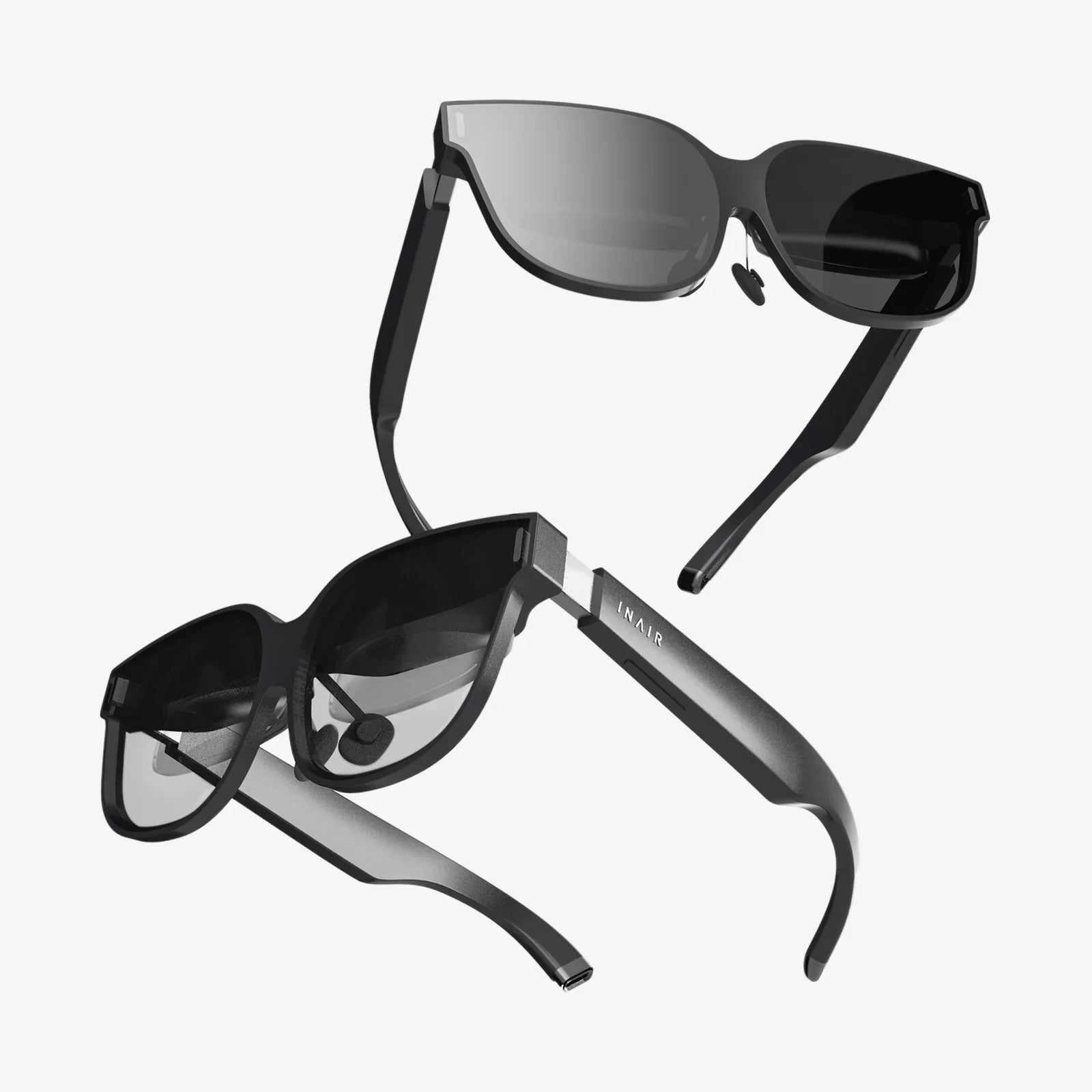
You’ve perfected your talking points, tested your audio, and ensured your internet connection is rock-solid. But as you click ‘Join Meeting,’ a sudden wave of self-consciousness hits. What are they thinking about your appearance? Is your outfit sending the right message? In the hyper-visual world of remote work, your virtual meeting outfit has become the new first impression, a critical non-verbal cue that can amplify your authority or subtly undermine it before you even speak. This isn't about vanity; it's about visual communication. The right choices can project competence, attention to detail, and respect for your colleagues and clients, all through the lens of a camera. This ultimate guide will navigate the nuances of dressing for the digital realm, transforming your on-screen presence from an afterthought into a powerful asset.
The Psychology of Dressing for the Screen: More Than Just Clothes
The concept of "enclothed cognition"—the systematic influence that clothes have on the wearer's psychological processes—is never more relevant than when you are preparing for a high-stakes video call. The act of changing out of loungewear and into a purposefully chosen virtual meeting outfit does more than just change your look; it triggers a mental shift. It signals to your brain that it is time for work, for focus, and for professional engagement. This sartorial ritual helps create a crucial boundary between your personal and professional life, even when both exist within the same four walls.
Furthermore, your on-camera appearance is a direct reflection of your personal brand. In a physical office, your professionalism is communicated through a multitude of cues: a firm handshake, a confident posture, a well-organized desk. Online, those cues are drastically reduced, placing immense importance on the few that remain—primarily, your visual presentation. A polished and appropriate virtual meeting outfit acts as a non-verbal shorthand for reliability, diligence, and respect for the meeting's purpose. It tells your audience that you took the time to prepare, that you value their time, and that you are fully present.
The Foundation: Building a Versatile Virtual Meeting Wardrobe
You don’t need a closet full of clothes to excel in the virtual world. What you need is a curated collection of versatile, reliable, and camera-friendly pieces that can be mixed and matched to suit any meeting on your calendar. The goal is to eliminate daily guesswork and ensure you are always presentation-ready.
The Core Pieces
Start with a foundation of neutral, solid colors. These are the workhorses of your virtual meeting outfit.
- Tops: A few well-fitting button-down shirts in white, light blue, and subtle stripes are indispensable. For a more relaxed but still professional vibe, high-quality knit polo shirts and sophisticated sweaters (like a fine-gauge merino wool or cashmere blend) are excellent choices. For women, blouses with subtle detailing like tucks or pleats add interest without distraction.
- Blazers and Jackets: A blazer is the single most powerful item you can add to your virtual meeting outfit. Instantly, it elevates a simple top into a look of authority and polish. Navy, charcoal grey, and black are universally flattering and professional. A smart cardigan can also serve a similar purpose for a slightly softer aesthetic.
Fabrics and Textures: What Works On Camera
The camera can be brutally honest, especially with modern HD webcams. Your choice of fabric is therefore paramount.
- Embrace: Natural, matte fabrics like cotton, wool, linen, and silk. These materials absorb light softly, look rich, and are less likely to create visual noise. Textures like a fine cable knit or a subtle herringbone weave add depth and interest to your look without being overwhelming.
- Avoid: Shiny fabrics like satin and cheap polyester, which can create glare and look inexpensive. Extremely tight weaves or small, intricate patterns (like fine pinstripes or houndstooth) can cause a distracting moiré effect on camera, where the pattern appears to vibrate or shimmer. Solid colors are almost always a safer bet.
The Science of Color and Fit: Optimizing Your On-Screen Image
Understanding how color and fit interact with your camera and lighting will dramatically improve your on-screen presence.
Choosing the Right Colors
Color conveys meaning and emotion, and it also has technical implications for video.
- Best Colors: Jewel tones like sapphire blue, emerald green, and burgundy are phenomenal on camera. They are saturated and convey confidence without being loud. Muted shades like dusty rose, olive green, and lavender are also sophisticated choices. These colors tend to flatter a wide range of skin tones and look professional and intentional.
- Colors to Use cautiously: Stark white can often be too bright and cause blown-out exposure, making it hard for the camera to focus on your face. If you love white, choose an off-white or ivory. Similarly, solid black can sometimes lack dimension and detail if your lighting isn't perfect. Bright, neon colors can be distracting and may not translate well on camera.
The Imperative of impeccable Fit
Ill-fitting clothing can ruin an otherwise perfect virtual meeting outfit. Since the camera frame is typically from the chest up, the fit of your collar and shoulders is especially important.
- Shirts and Blouses: The collar should lie flat against your neck and allow for one to two fingers to fit comfortably between your neck and the collar. Shoulder seams should sit right at the edge of your shoulder bone.
- Blazers and Jackets: Similarly, the shoulder seam of a blazer should align with your natural shoulder. Avoid anything too boxy or overly tight, as it will be instantly noticeable, even on a small screen.
The "From the Waist Up" Myth and Why It's a Trap
The old adage to only dress professionally "from the waist up" is perhaps the most dangerous myth in remote work culture. While it may be tempting to pair a blazer with sweatpants, this strategy is fraught with risk.
First, the practical danger: you never know when you might have to stand up during a call. An unexpected doorbell, a pet darting into the room, or a need to grab a document could reveal your casual lower half to all your colleagues in an instant, undermining your professional image in a single, awkward moment.
Second, and more importantly, is the psychological impact. Dressing fully the part completes the mental shift into work mode. It affects your posture, how you sit, and how you carry yourself. You will feel more professional, and that confidence will be subconsciously communicated through the screen. You don’t need to wear uncomfortable suit trousers all day, but opting for smart chinos, dark jeans, or a presentable skirt ensures you are prepared for anything and fully embody your professional role.
Accessorizing and Grooming: The Finishing Touches
The details are what separate a good virtual meeting outfit from a great one. They show a next-level attention to detail.
- Jewelry: Keep it simple and minimal. A classic watch, small stud earrings, or a simple necklace are perfect. Avoid large, jangly, or reflective jewelry that can catch the light and create distracting glints or noise on your audio.
- Glasses: If you wear glasses, be mindful of glare from your lighting. A slight adjustment to your light source or your angle to the camera can often eliminate distracting reflections. Anti-glare coating on your lenses is a worthwhile investment for the remote worker.
- Grooming: Neatly styled hair and clean, well-maintained grooming are essential. They complete a polished look and show you've taken care with your entire presentation.
Adapting Your Outfit to Different Meeting Contexts
Not all virtual meetings are created equal. Your outfit should be tailored to the specific context and audience.
- The Internal Team Check-In: For a casual, daily stand-up with close colleagues, a company polo shirt or a clean, solid-colored sweater is perfectly appropriate. The goal is to look put-together and focused, but the formality can be dialed down.
- The Client Presentation or External Meeting: This is when you bring out the power players. A blazer over a button-down shirt is the gold standard. It projects authority, credibility, and the highest level of respect for the client and the business at hand.
- The Job Interview: Treat this exactly as you would an in-person interview. A full business professional outfit is non-negotiable. This is not the time for experimentation; it is the time to demonstrate your understanding of professional norms and your seriousness about the role.
Your virtual meeting outfit is a key piece of your professional toolkit, a silent partner in your quest to communicate effectively and build your career in a digital-first world. It’s the armor you wear to command respect, the uniform that puts you in a focused mindset, and the visual handshake that starts every conversation on the right note. By mastering the art of the on-camera wardrobe, you ensure that your appearance is always working for you, never against you, leaving you free to focus on what truly matters: delivering your message with clarity and confidence. The next time you get ready to join a call, remember that the camera is on—make sure your outfit is ready for its close-up.
Share:
Virtual Office Safety: The Ultimate Guide to Securing Your Remote Workforce
Digital Content Directive: Navigating the New Rules of the Online World