


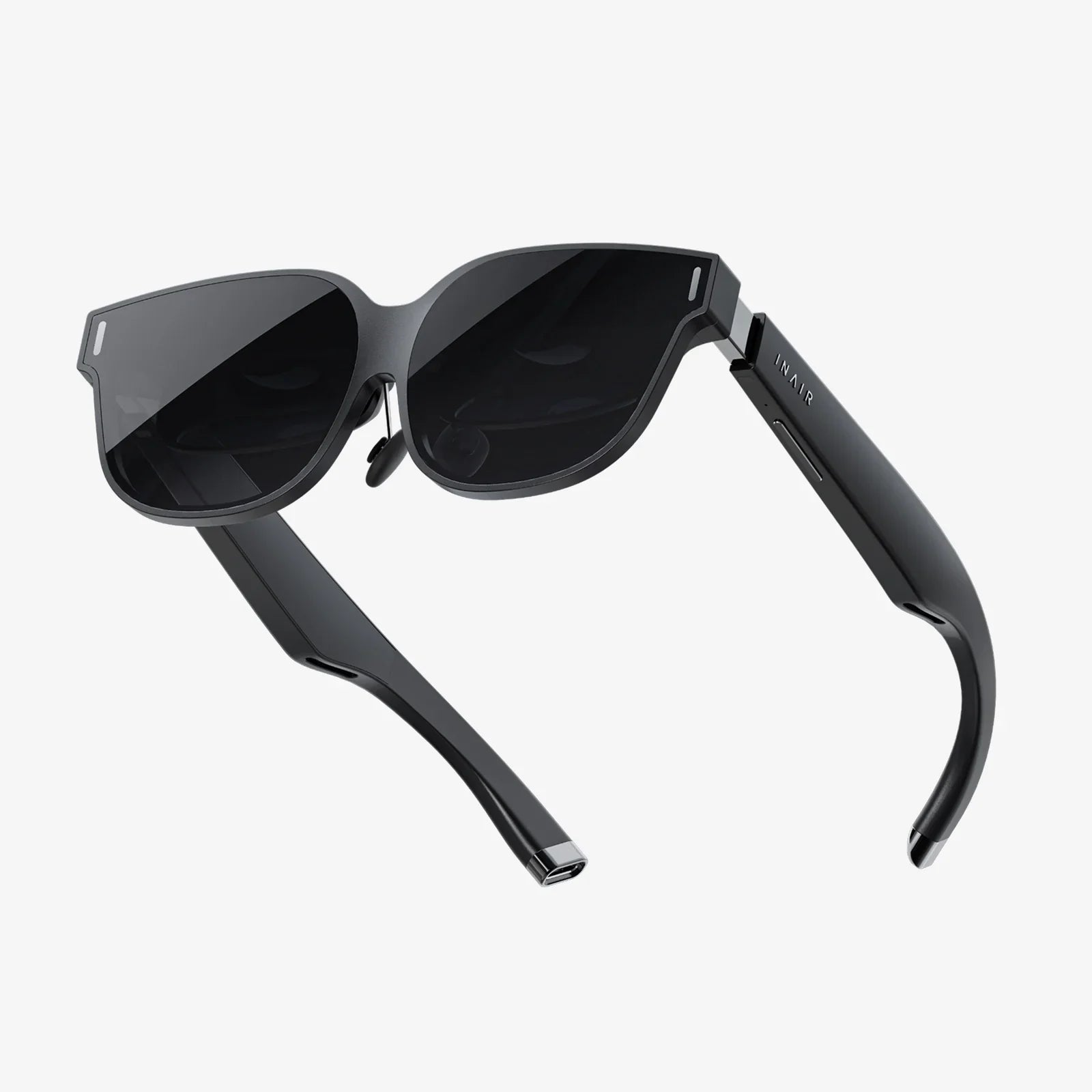
Imagine stepping into your office, greeting colleagues from across the globe with a natural nod, brainstorming on a virtual whiteboard that feels tangibly real, and then, with a flick of a wrist, transporting your entire workspace to a serene mountaintop. This isn't a scene from a science fiction novel; it is the emerging, thrilling reality of Virtual Office Space VR, a technological revolution poised to dismantle the traditional confines of the workplace and unlock unprecedented levels of human connection and productivity. The era of the flat, often isolating, video call grid is fading, making way for immersive, three-dimensional environments that promise to redefine what it means to ‘go to work’.
The Foundation: What Exactly is a VR Office?
At its core, a Virtual Office Space in VR is a simulated, three-dimensional environment designed to facilitate professional activities. Users, represented by digital avatars, don a headset and use motion controllers to interact with this space and with each other. Unlike video conferencing, which merely projects faces onto a screen, VR offices create a profound sense of ‘presence’—the psychological feeling of actually being in a place with other people, despite physical separation. This is the fundamental magic ingredient. These spaces are not monolithic; they can be meticulously designed to mirror a corporate headquarters, evoke the creativity of an artist's loft, or function as a minimalist, distraction-free pod for deep work. The environment itself becomes a tool for shaping culture and workflow.
Beyond the Novelty: The Tangible Benefits of Immersive Work
The shift to VR is driven by more than just technological coolness; it addresses critical pain points of remote and hybrid work models.
Supercharged Collaboration and Communication
Traditional video calls are plagued by conversational awkwardness, lack of non-verbal cues, and the infamous ‘talk-over-each-other’ problem. VR solves this through spatial audio. Just like in the real world, a colleague's voice grows louder and clearer as you move your avatar closer to them, allowing for natural side conversations and effortless group discussions. Collaborating on a 3D model, architectural blueprint, or complex data visualization becomes an intuitive, hands-on experience. Teams can gather around a virtual object, manipulate it together, and gain insights that are impossible to achieve on a 2D screen.
The Death of Proximity Bias and a Boost for Culture
In hybrid setups, a two-tier system often emerges: those physically in the office enjoy casual ‘watercooler’ moments and visibility to leadership, while remote employees can feel like second-class citizens. A VR office levels the playing field. When everyone joins as an avatar, there is no physical office. Spontaneous interactions happen naturally—you can ‘bump into’ a coworker in a virtual hallway or join an impromptu meeting happening in a digital courtyard. This fosters a stronger, more inclusive company culture and helps integrate distributed teams, mitigating the isolation that can plague remote workers.
Radical Focus and Customizable Workscapes
VR offers the ultimate controlled environment. With a headset on, external distractions—from laundry piles to noisy neighbors—simply vanish. Users can create personalized workspaces tailored to specific tasks: a vast, empty library for writing, a sound-proofed chamber for coding, or a vibrant, inspiring landscape for creative brainstorming. The ability to ‘change your scenery’ on demand can dramatically enhance focus, reduce context-switching, and combat burnout.
Architecting the Virtual Workspace: Design and Psychology
The design of these virtual environments is a new discipline, merging architecture, game design, and organizational psychology. Effective VR office design is not about replicating a dull cubicle farm in digital form. It is about understanding how space influences human behavior and productivity.
- Zoning: Successful virtual offices feature clear zones—open collaboration plazas, private meeting rooms, silent work libraries, and social lounges—that intuitively guide interaction and set behavioral expectations.
- Scale and Avatar Fidelity: The size of spaces and the realism of avatars are crucial. Uncanny or poorly designed avatars can hinder communication, while spaces that feel too vast or too cramped can be uncomfortable. The goal is ‘emotional bandwidth’—conveying enough non-verbal cue through avatar movement to make interaction feel genuine.
- Tools and Interfaces: The virtual toolkit—whiteboards, sticky notes, presentation screens, file sharing systems—must be seamlessly integrated and incredibly intuitive to use, feeling like a natural extension of the user's intent rather than a clunky software overlay.
Navigating the Challenges and Ethical Considerations
This new frontier is not without its significant hurdles and questions that society must grapple with.
Technological and Physical Barriers
The need for specialized hardware remains a barrier to universal adoption. Concerns around cost, accessibility, and the physical comfort of wearing a headset for extended periods (often called ‘VR fatigue’) are real. Network infrastructure must also be robust enough to support high-fidelity, low-latency multi-user experiences without lag or glitches that break immersion.
The Privacy Paradox
Immersive technology raises profound privacy questions. In a VR office, could an employer theoretically measure how long an employee looks at a presentation, how close they stand to colleagues, or how much time they spend in a ‘focus zone’? Establishing clear ethical guidelines and data privacy frameworks is paramount to prevent a dystopian future of constant virtual surveillance and productivity monitoring.
Digital Burnout and the Blurring of Boundaries
If your office is a headset you can wear anywhere, does the workday ever truly end? The potential for always-on culture and increased digital exhaustion is a serious risk. Companies and individuals will need to consciously establish new norms and digital boundaries to ensure health and well-being in an ‘always-accessible’ virtual workplace.
The Horizon: Where is This All Heading?
The current state of Virtual Office Space VR is just the beginning. The trajectory points towards a future even more integrated with our professional lives.
The next evolution will be the fusion of VR and AR (Augmented Reality), where digital interfaces and colleagues can be projected onto our physical surroundings, allowing for a blended reality. Haptic feedback technology will advance to let us ‘feel’ a virtual handshake or the texture of a digital model. Furthermore, the integration of AI-powered assistants within these spaces will be transformative. Imagine an AI agent that joins your meeting, transcribes notes, pulls up relevant files on the virtual screen, and provides real-time data analysis—all as a natural participant in the room.
This will ultimately catalyze a true democratization of opportunity. Talent will be valued purely on skill and contribution, utterly decoupled from geographic location. A brilliant designer in a rural town will have the same access to collaborative tools and team integration as one in a metropolitan hub. Companies will be able to build truly global, diverse teams unhindered by the constraints of physical relocation.
The journey into the virtual office is not about replacing human connection with digital simulacra; it is about using powerful new technology to overcome the limitations of distance and forge stronger, more meaningful, and more productive human collaborations. The screen that once separated us is transforming into a portal, and on the other side lies a world of work limited only by our collective imagination.
Share:
Your Smart Virtual Office: The Future of Work is Here and It's Intelligent
Virtual Reality Desktop Monitor: The Ultimate Guide to Immersive Computing