


The traditional office, with its cubicles, water coolers, and nine-to-five grind, is no longer the default center of the professional universe. In its place, a new paradigm has emerged, not built with steel and glass, but with code and connectivity: the virtual office. This isn't a temporary fix or a pandemic-induced anomaly; it's a fundamental and permanent reshaping of the world of work. Driven by technological leaps and a profound cultural shift in attitudes toward flexibility, virtual offices are evolving at a breathtaking pace. To stay competitive and attract top talent, businesses must understand and embrace the trends that are defining this new frontier.
The Foundational Shift: From Physical Place to Digital Experience
The most significant trend is the conceptual change itself. A virtual office is no longer just a fancy term for remote work or a simple suite of communication tools. It has matured into a comprehensive, integrated digital ecosystem designed to replicate and enhance the functions of a physical office. This ecosystem is built on several core pillars: a robust technological infrastructure, a strong, intentional culture, and clear operational protocols. Companies are now investing heavily in creating seamless digital experiences that foster collaboration, maintain security, and support employee well-being, recognizing that the quality of this virtual environment is directly linked to productivity and retention.
The Rise of the Hybrid-Hybrid Model
While fully remote companies exist, the dominant model settling in is a nuanced, flexible hybrid approach. However, the trend is moving beyond the basic "three days in, two days out" mandate. The new hybrid model is characterized by intentionality and choice. Companies are designing offices as destinations for specific purposes—collaboration, team-building, and mentoring—rather than mandatory attendance centers. The "office" becomes one node in a network, with the home, co-working spaces, and even coffee shops serving as other equally valid hubs. This trend demands a more sophisticated approach to scheduling, space management, and ensuring equity between remote and in-office employees to prevent a two-tier culture from developing.
Artificial Intelligence as the Ultimate Productivity Partner
Artificial Intelligence is rapidly becoming the backbone of the efficient virtual office, automating mundane tasks and providing intelligent insights. We are seeing AI integration in several key areas:
- Meeting Assistance: AI-powered tools now offer real-time transcription, translation, and summarization, making meetings more accessible and actionable. They can automatically highlight action items and decisions, ensuring nothing gets lost.
- Workflow Automation: From sorting emails and scheduling cross-time-zone meetings to automating data entry and generating reports, AI is taking over repetitive tasks, freeing up human employees for strategic, creative work.
- Predictive Analytics: AI can analyze communication patterns and project management data to identify potential bottlenecks, predict deadlines, and even flag teams that might be experiencing burnout or miscommunication, allowing for proactive management.
Asynchronous Communication as a Core Tenet
The tyranny of the synchronous meeting—where everyone must be available at the same time—is breaking down. As global hiring becomes standard, the 9-to-5 workday is becoming obsolete. The trend is toward mastering asynchronous (async) communication. This involves using tools like detailed project management platforms, video message recordings, and collaborative documents that allow team members to contribute at their most productive hours, regardless of their time zone. This shift requires a greater emphasis on written clarity, documentation, and trust, moving away from a culture of immediate responses and toward a culture of deep, focused work.
Cybersecurity: The Non-Negotiable Priority
With a distributed workforce accessing sensitive company data from various networks and devices, the attack surface for cybercriminals has exploded. Consequently, cybersecurity is no longer just an IT concern; it is a central business imperative and a leading trend in virtual office management. Companies are implementing Zero Trust security models, which verify every user and device attempting to connect to resources, regardless of location. Mandatory multi-factor authentication (MFA), advanced endpoint protection for all devices, and comprehensive cybersecurity training for all employees are becoming standard practice. The virtual office is only as strong as its most vulnerable login.
Digital Employee Experience (DEX) and Well-being
Companies are finally recognizing that employee well-being and digital experience are inextricably linked. The trend is to move beyond providing tools to actively curating a healthy digital environment. This includes initiatives to combat digital fatigue, such as promoting "no-meeting" days, encouraging camera-off options, and integrating wellness breaks into the workflow. Monitoring tools are being used to analyze patterns of after-hours work to discourage burnout. The focus is on creating a sustainable digital work culture that supports mental health, prevents isolation, and fosters a sense of belonging and community among distributed team members.
The Metaverse and Immersive Technologies
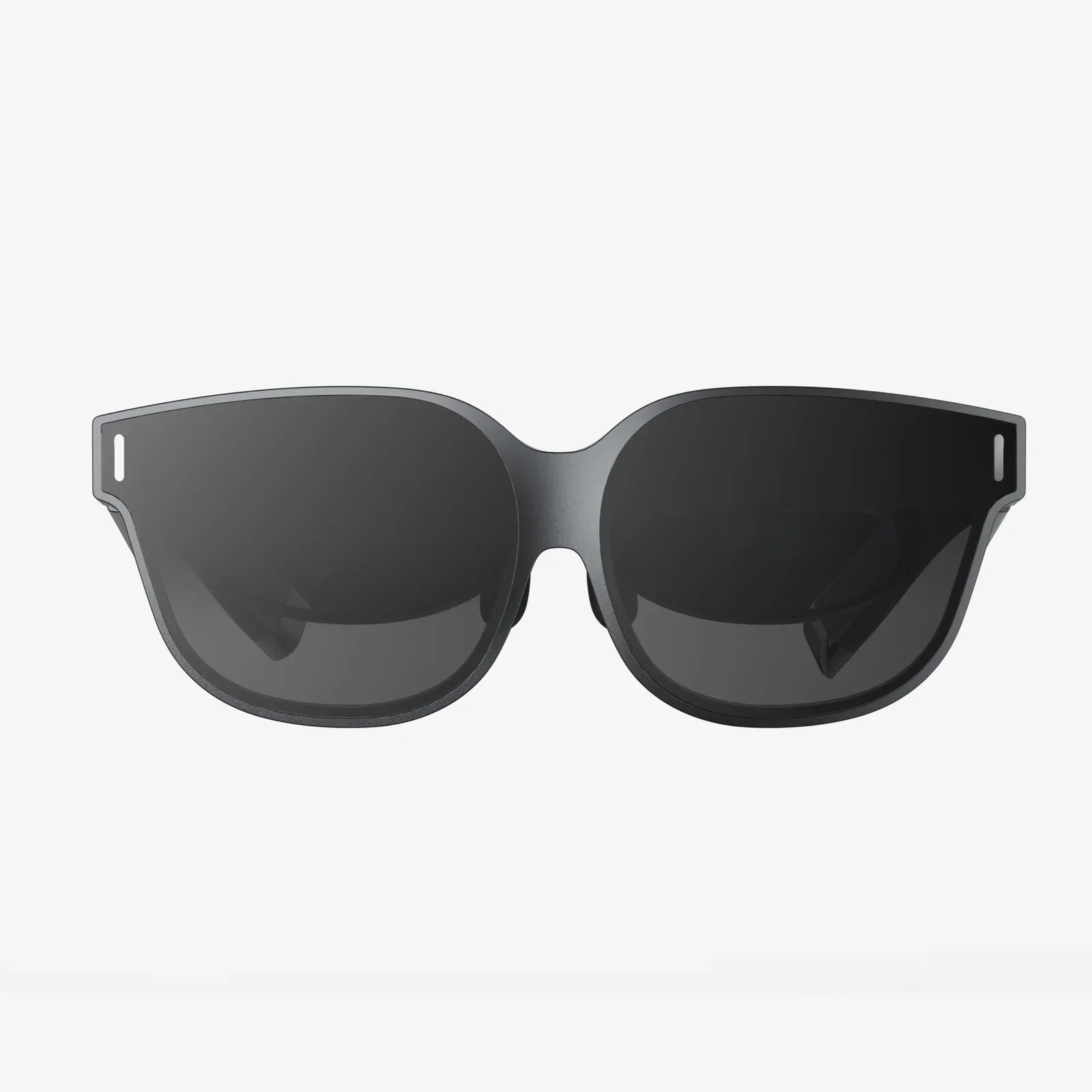
While still emerging, the exploration of immersive technologies for the virtual office is a trend garnering significant investment and experimentation. Platforms offering persistent 3D virtual spaces aim to solve the serendipity and social connection missing from traditional video calls. Imagine walking your avatar through a virtual office to "bump into" a colleague for an impromptu chat or hosting a product launch in a custom-built digital auditorium. These technologies promise to add a layer of spatial presence and engagement that flat screens cannot, potentially revolutionizing training, collaboration, and corporate events in the years to come.
Data-Driven Decision Making for the Distributed Workforce
Gut feelings about productivity are being replaced by data. The trend is toward using analytics to understand how work actually gets done in a virtual setting. Tools can measure engagement patterns, collaboration network maps, and workflow efficiency. This data helps leaders make informed decisions about everything from tooling and resource allocation to identifying top performers and improving training programs. Crucially, this must be balanced with a strong ethical framework to ensure employee privacy is respected and monitoring does not devolve into surveillance, which erodes trust.
The Evolving Role of Leadership and Management
The command-and-control style of management is ineffective and obsolete in a virtual setting. The trend is toward leadership based on outcomes, not activity. Managers are becoming coaches and facilitators, focused on empowering their teams with clear goals, the right resources, and unwavering trust. This requires a new skill set centered on emotional intelligence, proactive and clear communication, and the ability to build cohesion and culture from a distance. Success is measured by deliverables and results, not by hours spent logged into a system or seen at a desk.
The Globalization of Talent and the Focus on Inclusivity
The virtual office demolishes geographic barriers, allowing companies to tap into a truly global talent pool. This trend is forcing a greater focus on inclusivity and cultural competency. Building a cohesive team from dozens of different countries and backgrounds requires intentional effort. Companies must develop inclusive communication practices, be mindful of various cultural norms and holidays, and ensure that all voices are heard and valued, regardless of location. This leads to more diverse, innovative, and resilient organizations.
The question is no longer if your company will adopt a virtual model, but how effectively you can adapt to its relentless evolution. The trends shaping the virtual office are painting a picture of a future that is more flexible, intelligent, and human-centric than the rigid structures of the past. This isn't just about technology; it's a complete reimagining of organizational culture, leadership, and the very definition of productivity. The businesses that thrive will be those that see these trends not as challenges to overcome, but as opportunities to build a smarter, more resilient, and truly borderless enterprise.
Share:
What Are the Advantages of a Virtual Office: A Complete Guide to Modern Business Flexibility
When Is a Virtual Meeting Appropriate? The Ultimate Guide to Digital Collaboration