


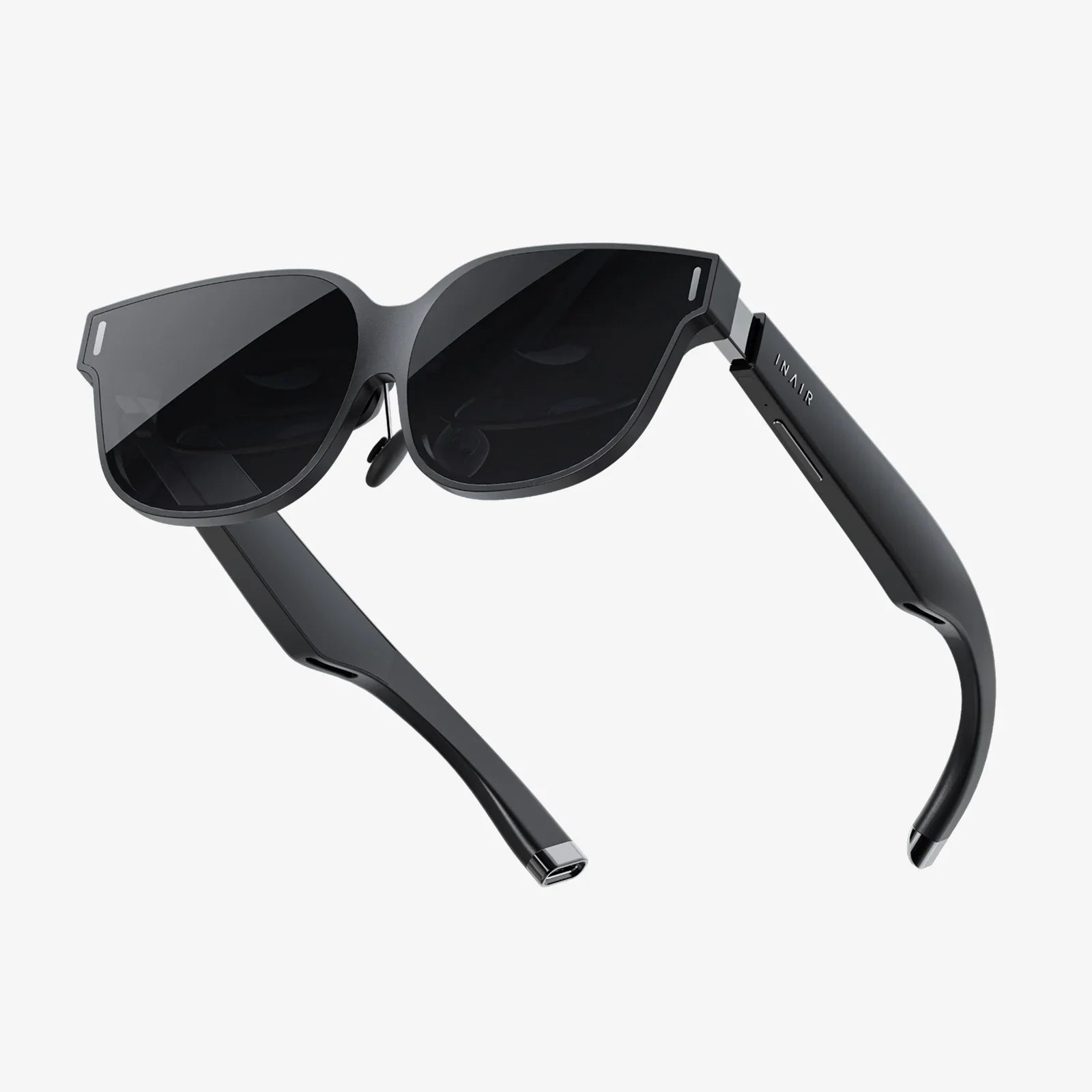
Imagine stepping into your morning meeting not by clicking a link on a flat screen, but by virtually transporting yourself to a sun-drenched conference room high above a digital cityscape, shaking hands with a colleague's lifelike avatar, and manipulating 3D prototypes as if they were physically in front of you. This is the tantalizing promise of the virtual reality office meeting, a technological leap that is rapidly shifting from science fiction to tangible reality, fundamentally redefining what it means to connect and collaborate from anywhere in the world.
Beyond the Grid: Transcending the Limitations of Video Conferencing
For years, the primary tool for remote collaboration has been the video conference. While revolutionary in its own right, this technology comes with inherent and well-documented limitations. The experience is often characterized by the dreaded "zoom fatigue," a state of mental exhaustion stemming from intense, sustained eye contact, a lack of non-verbal cues, and the cognitive strain of interpreting communication from a grid of static faces on a screen. Collaboration is largely confined to shared documents and screens, a two-dimensional experience that struggles to replicate the dynamism of an in-person whiteboard session or product demo.
Virtual reality office meetings seek to shatter these constraints. Instead of looking at a screen, participants are immersed in an environment. Spatial audio allows conversations to flow naturally; you can hear the person to your left speaking, and if you turn to address someone across the virtual table, your voice directionally follows. This recreates the subtle, yet critical, experience of side conversations and the ability to focus on a single speaker amidst a murmur of background discussion, something completely lost in traditional audio calls.
The Architecture of Presence: Building Worlds for Work
The core magic of a VR meeting lies in its ability to generate a profound sense of "presence"—the convincing feeling of being in a place other than your physical location, and of sharing that space with others. This is achieved through a combination of sophisticated hardware and software.
Headsets track your head and hand movements with remarkable precision, translating your real-world gestures into your digital avatar. This allows for a rich layer of non-verbal communication: a nod of agreement, an enthusiastic thumbs-up, or even a pointed finger to emphasize a key point on a virtual object. This physicality is the antithesis of the static video feed, reintroducing the human element that is so crucial for building trust and rapport within a team.
The environments themselves are a key part of the experience. They can range from hyper-realistic recreations of corporate boardrooms to fantastical, impossible spaces like the surface of Mars or a serene underwater dome. The choice of environment is not merely aesthetic; it can be strategically selected to suit the meeting's purpose. A standard team sync might happen in a familiar office setting, while a creative brainstorming session could be energized by a vibrant, abstract space designed to spark innovation.
Transforming Collaboration: From Abstract to Tangible
The true power of virtual reality office meetings is unlocked not just through conversation, but through collaborative action. The virtual workspace becomes a malleable canvas for ideas.
- 3D Modeling and Design Review: Architects, engineers, and product designers can import 3D models into the meeting space. Team members can then walk around a life-size prototype, inspect it from every angle, make annotations directly onto the model, and even disassemble it virtually to examine internal components. This transforms an abstract digital file into a shared, tangible object, drastically improving feedback quality and reducing costly errors late in the development cycle.
- Immersive Data Visualization: Data scientists and analysts can step inside their data. Complex datasets can be transformed into immersive 3D graphs, networks, and landscapes. Instead of staring at a spreadsheet, teams can literally walk through a visualization of sales funnels, network traffic, or genomic sequences, spotting patterns and correlations that would be invisible on a 2D screen.
- Interactive Whiteboards and Mind Mapping: Brainstorming sessions are supercharged. Virtual whiteboards are infinite canvases where teams can jot down ideas, draw diagrams, and create mind maps that sprawl across the virtual room. Sticky notes can be organized spatially, and ideas can be physically grouped and connected, creating a visceral and memorable map of the team's collective thinking.
The Human Element: Fostering Connection and Company Culture
One of the greatest challenges of the remote-work revolution has been the erosion of spontaneous social interaction and the difficulty of maintaining a strong, cohesive company culture. Virtual reality offers a novel solution to this human-centric problem.
VR meetings can include dedicated social spaces—virtual water coolers, coffee shops, or lounges—where employees can gather informally before or after a scheduled meeting. These interactions, though digital, feel significantly more authentic and meaningful than a Slack message or a brief chat in a video call waiting room. The shared experience of inhabiting a space together, complete with avatars that gesture and move, fosters a stronger sense of camaraderie and belonging.
Company-wide events like all-hands meetings, training seminars, and holiday parties can be reimagined in VR. Instead of a passive webinar experience, employees can become active participants in a shared event, feeling the energy of a crowd and the presence of leadership in a way that flat screens cannot convey. This is a powerful tool for aligning distributed teams and reinforcing cultural values.
Navigating the Challenges: Accessibility, Hardware, and the Uncanny Valley
Despite its immense potential, the path to widespread adoption of virtual reality office meetings is not without significant hurdles.
Accessibility and Cost: High-quality VR headsets and the powerful computers to run them represent a substantial investment for a company, especially when equipping an entire distributed workforce. There is a risk of creating a two-tier system between employees who have access to this advanced tool and those who do not.
Technical Barriers and Comfort: VR technology, while improving rapidly, can still be intimidating for non-technical users. Issues like motion sickness, the weight of the headset, and the setup process can be barriers to entry. Ensuring a smooth, comfortable, and intuitive user experience is paramount for adoption.
The Uncanny Valley and Avatar Design: Representing humans through avatars is a delicate art. Avatars that are overly cartoonish may feel unprofessional, while those that strive for hyper-realism can fall into the "uncanny valley," where slight imperfections create a sense of unease. The goal is to find a balance that conveys emotion and identity effectively without being distracting.
Privacy and Security: Immersive environments generate new forms of data, including detailed biometrics like eye-tracking, movement patterns, and even voice inflection. Companies must establish clear ethical guidelines and robust security protocols to protect this sensitive information and ensure meetings are private and secure.
The Hybrid Horizon: Integrating VR into the Future Workplace
The future of work is almost certainly hybrid, blending physical, remote, and virtual presence. Virtual reality office meetings will not replace all other forms of communication; rather, they will become a specialized tool in the collaboration arsenal.
We can expect a future where employees seamlessly move between modalities. A quick check-in might happen via a messaging app. A detailed project discussion might use a video call. But for a deep-dive creative session, a complex design review, or a critical strategic offsite, the team will "suit up" in VR for an hour of highly focused, immersive collaboration that delivers an ROI in clarity and outcomes that other mediums cannot match.
Interoperability will be key. The ability to bring 2D applications—web browsers, slideshows, code editors—into the 3D meeting space will be crucial for workflow integration. The virtual office shouldn't feel like a separate, walled-garden application, but an extension of the digital tools we use every day.
The day is approaching when the question won't be "Should we have a video call or a VR meeting?" but "What kind of meeting best serves our goal today?" This paradigm shift will empower teams to choose the most effective medium for the task at hand, leading to more productive, engaging, and human-centered collaboration, regardless of physical distance.
The clock is ticking on the era of static video grids and disembodied voices. A new dimension of work is opening up, one where your office is limited only by imagination, your whiteboard is infinite, and your colleagues from across the globe can stand right beside you, ready to build the future together. The door to the virtual conference room is now open; are you ready to step through?
Share:
Touch Sensor Information: The Invisible Language of Modern Technology
What Is Head Tracking Spatial Audio: The Ultimate Immersive Sound Experience