


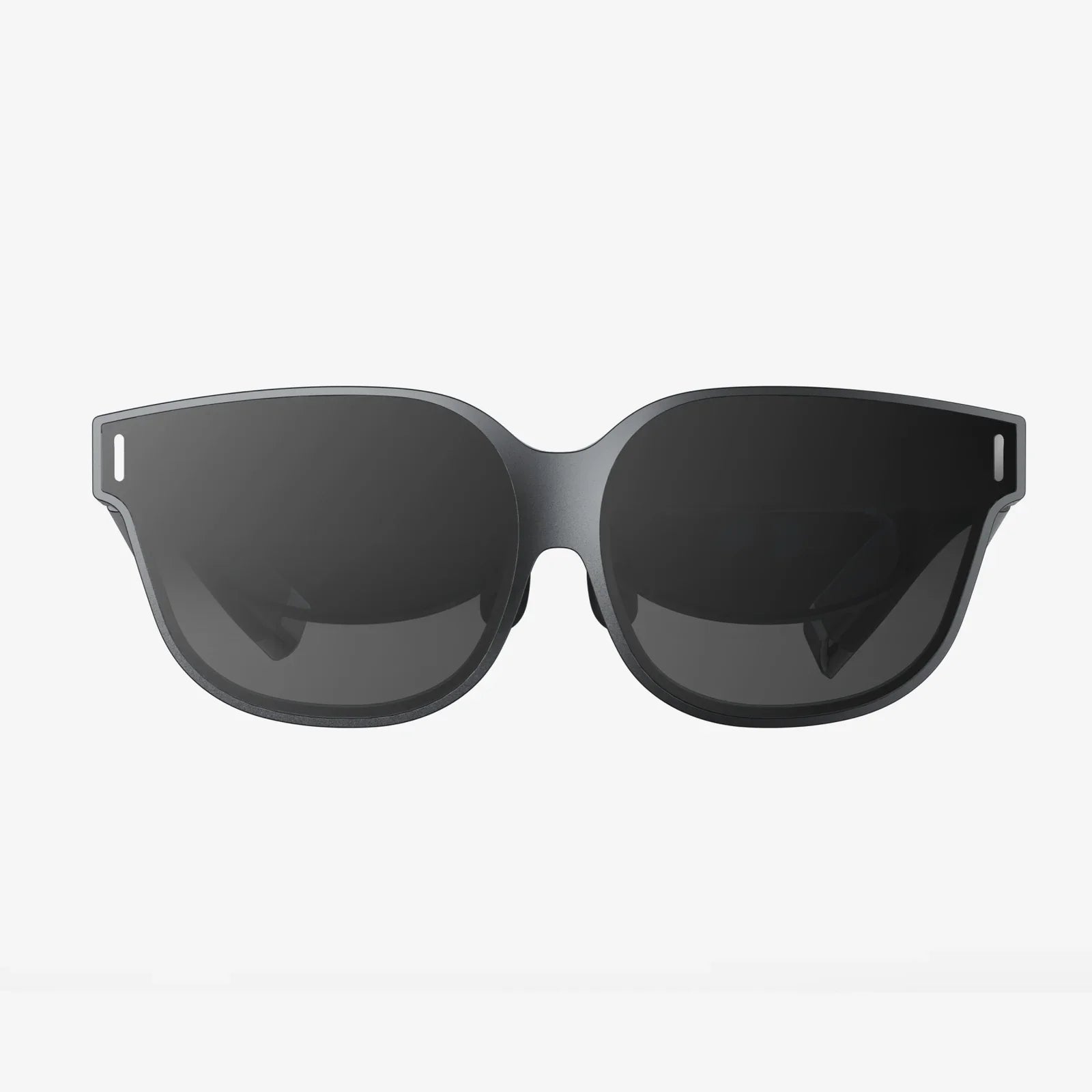
Imagine a world where your customers don't just see your product on a screen but can step inside it, interact with it, and feel a genuine emotional connection before they ever make a purchase. This is no longer the stuff of science fiction; it's the powerful, tangible reality of virtual reality (VR) marketing, a frontier that is fundamentally reshaping the relationship between brands and consumers. For forward-thinking marketers, the question is no longer if VR will become a staple in the toolkit, but how quickly they can harness its transformative potential to build deeper, more meaningful, and unforgettable brand experiences.
The Paradigm Shift: From Interruption to Immersion
Traditional marketing has long operated on a model of interruption. Commercials break into television programs, pop-up ads disrupt online reading, and billboards compete for a sliver of a driver's attention. This model is increasingly inefficient in a world of ad-blockers, subscription-based content, and consumer fatigue. Virtual reality marketing represents a seismic shift from this paradigm of interruption to one of complete immersion.
Instead of vying for a moment of a consumer's time, VR invites them into a meticulously crafted world built by the brand. It is a value-added experience, a gift of an adventure or a useful tool, rather than an unwelcome distraction. This shift places the consumer firmly in control, allowing them to explore a narrative or product on their own terms. This sense of agency is critical, fostering a positive brand association built on empowerment rather than annoyance. The brand becomes a facilitator of experience, not an interrupter of content.
Crafting the Ultimate Empathy Machine: Storytelling in 360 Degrees
At its core, marketing is about storytelling. VR marketing elevates this narrative to an entirely new level. It has been famously called "the ultimate empathy machine" because of its unique ability to transport a user into another person's shoes, or into a situation that would otherwise be impossible to experience.
Consider a non-profit organization aiming to raise awareness and funds for a remote community. A traditional video can be powerful, but a VR experience that places the donor directly in that village, allowing them to look around in 360 degrees at the living conditions, to meet the gaze of the people who live there, and to understand their challenges in a visceral, first-person way, is exponentially more compelling. The user doesn't just watch a story; they live it. This emotional resonance forges a neural connection that a two-dimensional ad can never achieve.
For commercial brands, this translates to powerful narrative-driven campaigns. A travel company can transport potential tourists to a sun-drenched beach, allowing them to hear the waves and look around the resort. An automotive brand can drop a user into the driver's seat of a new model on a breathtaking scenic route, conveying a sense of performance, luxury, and freedom far beyond a glossy magazine spread. The story is no longer told to the consumer; it unfolds around them.
Beyond Storytelling: Practical Applications and Virtual Commerce
While narrative immersion is a cornerstone, the practical applications of VR marketing extend into highly utilitarian and commercially lucrative territory. One of the most significant arenas is the virtual try-before-you-buy experience.
The fashion and home décor industries are prime beneficiaries. Imagine an application that allows a user to:
- Try on outfits in a virtual fitting room, seeing how garments drape and move from every angle without ever changing clothes.
- Visualize new furniture in their actual living space. Using passthrough VR technology or uploaded room dimensions, users can place true-to-scale 3D models of sofas, tables, and art into their room, walking around them to ensure the fit, style, and color work perfectly before committing to a purchase.
This functionality directly addresses major pain points in e-commerce—namely, product uncertainty and high return rates. By providing confidence and reducing the ambiguity of online shopping, VR experiences can significantly boost conversion rates and customer satisfaction. This is experiential marketing with a direct and measurable return on investment.
The Data Goldmine: Understanding Consumer Behavior in a Virtual World
A less obvious but immensely powerful aspect of VR marketing is its unparalleled capacity for data collection and consumer insight. In a traditional digital ad, metrics are limited to clicks, views, and time spent. In a virtual reality experience, the data is behavioral and incredibly rich.
Marketers can now analyze:
- Gaze Tracking: Where did the user look most? What captured their attention? What did they ignore? This reveals what is truly engaging within an experience.
- Interaction Heatmaps: Which virtual objects did they interact with? How long did they hold them? In a virtual car showcase, did they spend more time customizing the interior or exploring the engine specs?
- Movement Patterns: How did they navigate the virtual space? What path did they take?
- Biometric Feedback: Integrating with wearables, some advanced setups can even measure physiological responses like heart rate or galvanic skin response, providing a direct window into emotional engagement and excitement.
This data provides a profound understanding of user preferences and behaviors, moving beyond what people say in surveys to what they actually do in an unguarded, immersive environment. This intelligence is invaluable for refining product design, optimizing marketing messages, and creating even more effective future experiences.
Navigating the Challenges: Accessibility, Cost, and Content Quality
Despite its immense potential, VR marketing is not without its significant hurdles. The primary barrier to mass adoption has historically been accessibility and cost. High-quality VR headsets represented a substantial investment for consumers, limiting the potential reach of any campaign. However, this landscape is changing rapidly.
The rise of affordable standalone headsets has dramatically lowered the entry barrier for consumers. Furthermore, the proliferation of smartphone-powered VR viewers, while offering a more basic experience, can serve as an effective mass-distribution tool for 360-degree video content. For larger-scale campaigns, brands can also utilize controlled environments like in-store kiosks, trade show booths, or sponsored VR lounges to deliver high-fidelity experiences to a targeted audience without requiring individual ownership.
The other critical challenge is content quality. A poorly executed VR experience is worse than no experience at all. It can induce nausea (cybersickness) through laggy tracking or unnatural movement and can permanently damage a brand's perception if it feels gimmicky or low-resolution. Successful VR marketing requires a significant investment in high-quality 3D assets, intuitive user interface (UI) and user experience (UX) design, and a compelling narrative. It cannot be an afterthought; it must be a cornerstone of the campaign strategy.
The Future is Immersive: Integrating the Physical and Digital Realms
The future trajectory of VR marketing points toward even greater integration with other technologies, blurring the lines between the physical and digital worlds. The concept of the 'metaverse'—a persistent network of shared, virtual spaces—presents a new frontier for brands to establish a permanent presence, create virtual goods, and engage with communities in a sustained way.
We are also moving towards the fusion of VR with Augmented Reality (AR), where digital overlays enhance our physical world. This mixed reality (MR) will allow for marketing experiences that begin on a smartphone (pointing at a product to see AR information) and deepen into a full VR experience for a more comprehensive exploration. The customer journey will become a spectrum of immersion, with VR serving as the deepest and most engaging point on that spectrum.
Imagine touring a virtual open house from across the country, then using AR to see how your own furniture might look in the new master bedroom. This seamless integration provides utility and wonder at every touchpoint, building a holistic and powerful brand relationship.
The most successful brands of tomorrow will be those that stop thinking about VR as a mere advertising channel and start viewing it as an experiential platform. It is a tool for building empathy, solving practical problems, and gathering unprecedented intelligence. It offers a chance to move beyond telling customers a story and instead give them a story they can actively inhabit, a memory they can cherish, and a confidence in their purchasing decisions that was previously unimaginable. The door to these virtual worlds is now open, and the consumers ready to step through are waiting for brands bold enough to guide them.
Share:
Is Virtual Reality Safe for Eyes? An In-Depth Look at the Visual Impacts of Immersive Technology
Is Virtual Reality Safe for Eyes? An In-Depth Look at the Visual Impacts of Immersive Technology