


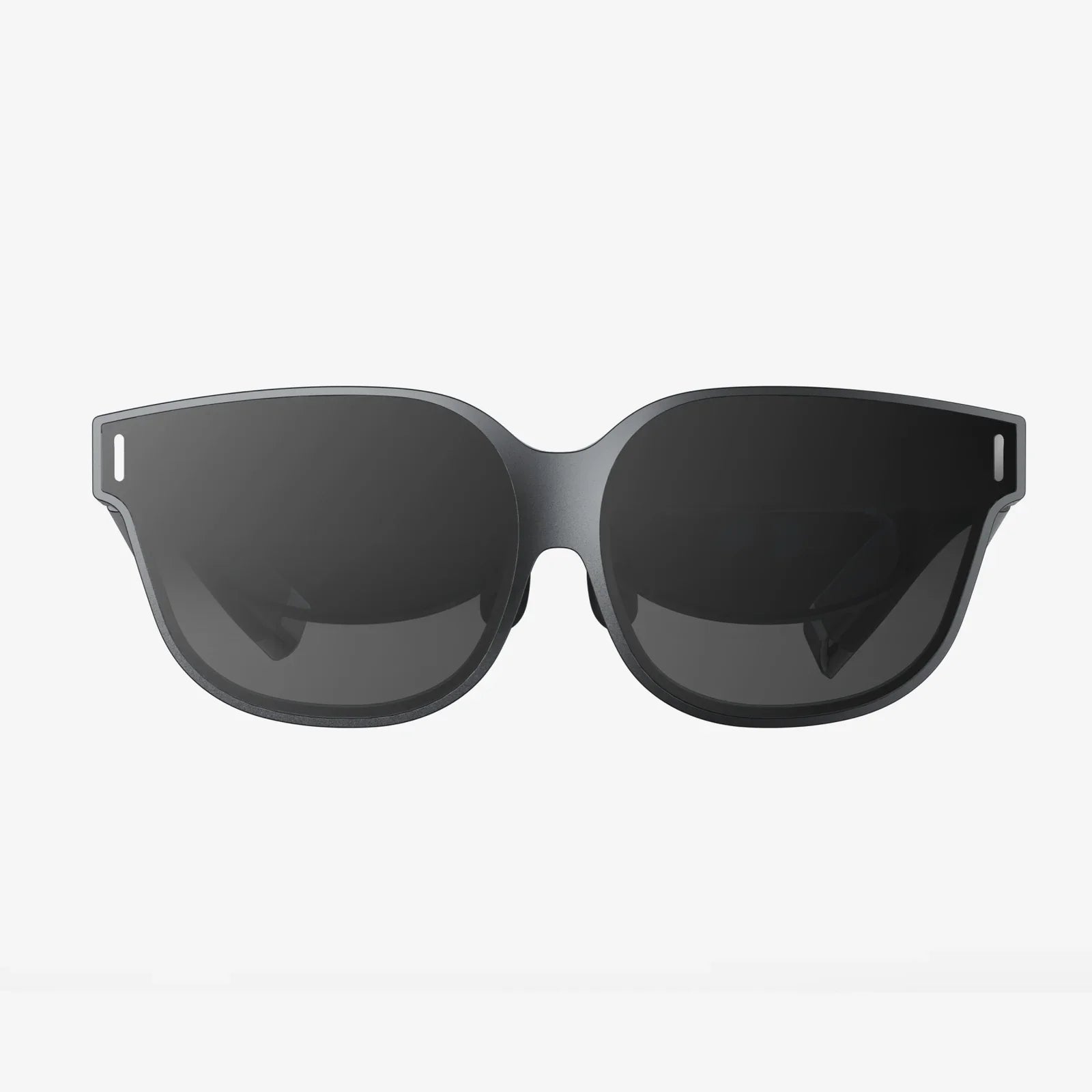
vr and ar are no longer futuristic buzzwords; they are quietly reshaping how you work, play, learn, and connect with others. What once sounded like science fiction is now slipping into everyday life, from virtual work meetings and immersive games to smart glasses that overlay information on the world around you. If you are not paying attention to how fast these technologies are evolving, you may soon find yourself struggling to keep up with a reality that blends physical and digital like never before.
Understanding the Difference Between VR and AR
Before exploring the impact of vr and ar, it helps to clearly understand what each term means and how they differ in practice.
Virtual Reality (VR) places you inside a fully digital environment. You typically wear a headset that covers your eyes and sometimes headphones for audio. The real world is blocked out and replaced with a computer-generated scene. You can look around in 360 degrees, and often move, interact, and explore as if you were physically there. VR is all about immersion.
Augmented Reality (AR) adds digital elements on top of the real world. Instead of blocking reality, AR enhances it. You might see virtual objects, labels, arrows, or characters overlaid on your surroundings through a phone screen, a tablet, or smart glasses. AR is about enhancement rather than replacement.
In simple terms, VR takes you out of the real world and into a virtual one, while AR brings digital content into your real environment. Both approaches have unique strengths, and together they are redefining what it means to experience information and entertainment.
Core Technologies Powering VR and AR
vr and ar rely on a set of hardware and software technologies working together to create convincing, responsive experiences. Understanding these foundations reveals why the field is advancing so rapidly.
1. Displays and Optics
- VR headsets use high-resolution displays and lenses positioned close to your eyes to create a wide field of view. The goal is to make the virtual world feel natural and reduce visible pixels or screen-door effects.
- AR devices often use see-through lenses or waveguides that project digital images into your line of sight. The challenge is ensuring that virtual elements appear solid, bright, and correctly anchored in the real world.
2. Motion Tracking and Sensors
- Head tracking follows the orientation and position of your head so the virtual scene responds instantly when you look around.
- Hand and controller tracking lets you interact with virtual objects, press buttons, grab items, and point naturally.
- Inside-out tracking uses cameras on the device to map the environment, eliminating the need for external sensors in many systems.
3. Spatial Mapping and Computer Vision
- AR systems use cameras and depth sensors to build a 3D map of your surroundings.
- Computer vision algorithms detect surfaces, edges, and objects so that digital content can be placed and anchored realistically in the environment.
- This spatial understanding is crucial for making AR feel stable rather than floating or sliding unnaturally.
4. Graphics and Rendering Engines
- Real-time 3D engines render virtual worlds at high frame rates to prevent motion sickness and maintain immersion.
- Lighting, shadows, reflections, and physics simulations help digital objects look and behave realistically.
- Optimized rendering techniques are essential to deliver smooth experiences on mobile and standalone devices.
5. Networking and Cloud Services
- Online multiplayer experiences, remote collaboration, and shared AR spaces depend on low-latency networking.
- Cloud processing can offload heavy computation, enabling smaller devices to access powerful graphics and AI models.
- Edge computing helps reduce lag by processing data closer to the user.
How VR and AR Are Transforming Entertainment and Gaming
One of the most visible impacts of vr and ar is in entertainment and gaming, where immersive experiences are redefining what audiences expect.
Immersive Gaming Worlds
VR enables players to step inside game worlds instead of just viewing them on a screen. You can physically turn your head, duck, reach, and walk, making gameplay more intuitive and engaging. Game genres that benefit include:
- Adventure and exploration games where you wander through detailed environments and discover secrets.
- Simulation experiences that let you fly, drive, or operate complex machinery from a first-person perspective.
- Fitness and rhythm games that transform exercise into an interactive challenge, tracking your movements.
Cinematic VR Experiences
Storytelling is also evolving. Instead of passively watching a movie, VR allows you to be present inside a scene. You can look around as events unfold, feel the scale of environments, and sometimes influence the narrative. Directors and creators are experimenting with new techniques to guide attention and emotion in a 360-degree space.
AR in Everyday Play and Live Events
AR brings playful experiences into the real world. Games can overlay characters, items, or puzzles onto streets, parks, and living rooms. This creates a blend of physical activity and digital interaction that appeals to a wide audience.
Live events are also changing. AR can enhance concerts, sports, and performances with real-time stats, visual effects, or interactive elements visible through phones or AR glasses. Spectators can access multiple camera angles, player information, or virtual replays layered on top of the action.
VR and AR in Education and Training
One of the most promising uses of vr and ar lies in education and professional training. These technologies turn abstract concepts into tangible experiences and allow safe practice in realistic scenarios.
Immersive Classrooms
VR can transport students to historical events, distant planets, or inside the human body. Instead of reading about a topic, learners can explore it. For example:
- History lessons can place students inside ancient cities or important moments in time.
- Science classes can visualize molecules, ecosystems, or cosmic phenomena at different scales.
- Language learning can occur inside virtual marketplaces or cafes where students practice conversation with virtual characters.
This kind of immersion tends to increase engagement and retention, especially for visual and experiential learners.
AR as a Learning Companion
AR can overlay instructions, diagrams, and translations on textbooks, lab equipment, or real-world objects. A student might point a tablet at a piece of machinery and see labels for each component, or view step-by-step instructions for a lab experiment floating above the workspace.
Because AR can be accessed with devices students already own, such as smartphones, it offers a practical path to enhancing learning without completely redesigning classrooms.
Professional Training and Simulation
vr and ar are revolutionizing training in fields where mistakes are costly or dangerous. Examples include:
- Medical training where learners practice procedures on realistic virtual patients, repeating steps until they build confidence.
- Industrial and technical roles where workers rehearse tasks in virtual replicas of equipment before handling the real thing.
- Emergency response and safety drills that simulate disasters, accidents, or hazardous conditions without putting anyone at risk.
By combining repetition, realism, and immediate feedback, these tools reduce training costs and improve skill development.
Impact of VR and AR on Work and Collaboration
Workplaces are being reshaped as vr and ar introduce new ways to collaborate, visualize data, and interact with digital tools.
Virtual Offices and Remote Collaboration
VR can create shared virtual offices where remote colleagues meet as avatars. Instead of staring at a grid of video windows, participants gather around virtual tables, share 3D models, and use spatial audio to talk naturally in groups. This can make remote collaboration feel more human and less draining than traditional video calls.
AR for On-Site Support and Guidance
AR is particularly valuable for workers who need their hands free while accessing information. For example:
- Technicians can see overlayed instructions while repairing equipment, reducing errors and training time.
- Remote experts can view what a field worker sees through an AR device and draw annotations directly into their view.
- Warehouse staff can follow AR arrows and labels to locate items quickly and accurately.
Design, Engineering, and Architecture
Designers and engineers use VR to step inside prototypes at full scale, walking around models of vehicles, buildings, or products long before they are built. This makes it easier to spot design flaws, test ergonomics, and communicate ideas to clients.
AR helps by placing digital designs into real environments. An architect can overlay a proposed structure onto an empty lot, or an interior designer can preview furniture arrangements inside an existing room. This blending of real and virtual speeds up decisions and reduces costly changes later in the process.
Healthcare and Therapy Applications
Healthcare is another field where vr and ar are making a meaningful difference, both for professionals and patients.
Surgical Planning and Visualization
Surgeons can use VR to view 3D reconstructions of a patient’s anatomy based on medical imaging. By exploring these models in detail, they can plan complex procedures more effectively.
AR can then assist during surgery by overlaying guidance, anatomical references, or instrument positions onto the surgeon’s field of view. This helps improve precision and reduce the risk of complications.
Pain Management and Rehabilitation
VR experiences are being used as a form of distraction therapy, helping patients manage pain and anxiety during treatments. Immersive environments can draw attention away from discomfort and reduce stress.
For rehabilitation, VR and AR can gamify exercises, turning repetitive movements into engaging challenges. Patients receive real-time feedback on their performance, encouraging consistent effort and tracking progress over time.
Mental Health and Exposure Therapy
VR is increasingly used in mental health treatment, especially for exposure therapy. Patients can gradually face fears or triggers in controlled virtual settings, guided by a therapist. This approach can be applied to phobias, social anxiety, and post-traumatic stress, among other conditions.
Retail, Commerce, and the Future of Shopping
Shopping is being reshaped as vr and ar offer new ways to browse, test, and personalize products.
Virtual Showrooms and Try-Ons
VR allows customers to explore virtual stores, showrooms, or galleries from anywhere. They can walk through aisles, view items at full scale, and interact with displays without traveling to a physical location.
AR helps shoppers visualize products in their own environment. For example, a customer can place a virtual sofa in their living room to check size and style, or try on virtual clothing and accessories to see how they might look. This reduces uncertainty and returns, while making the shopping experience more interactive.
Information-Rich In-Store Experiences
In physical stores, AR can provide extra information about products when scanned with a phone or viewed through AR glasses. Customers might see reviews, specifications, or complementary items appear near the product. This bridges the gap between online research and in-store browsing.
Social Interaction and the Emerging Metaverse
vr and ar are giving rise to new forms of social interaction that blend communication, entertainment, and self-expression.
Virtual Social Spaces
VR platforms host social environments where people meet as avatars to chat, play games, attend events, or simply hang out. These spaces can range from realistic rooms to fantastical worlds that defy physics. The sense of presence and shared space can make online interactions feel more natural than text or video alone.
AR Filters and Shared Experiences
AR is already woven into daily communication through filters, lenses, and effects that modify faces or surroundings in real time. Beyond playful effects, AR can support shared experiences like watching a performance with friends while seeing synchronized virtual elements layered on the real world.
Toward Persistent Mixed Reality Worlds
As technologies mature, the idea of a persistent layer of digital content anchored to physical locations becomes more realistic. Imagine walking through a city where historical information, art, games, and navigation cues are visible through AR devices. This vision of a blended digital-physical space is often associated with the broader concept of a connected, immersive internet.
Design Principles for Effective VR and AR Experiences
Creating compelling vr and ar experiences requires careful design choices that respect human perception and comfort.
Comfort and Motion Sickness
- Maintaining high frame rates and low latency is essential to prevent motion sickness.
- Designers avoid sudden, uncontrolled camera movements and prefer locomotion methods that align with user expectations.
- Comfort settings, such as teleportation movement and vignette effects, help accommodate different sensitivity levels.
Intuitive Interaction
- Hand tracking, natural gestures, and gaze-based selection can make interactions feel more intuitive than traditional buttons and menus.
- Clear visual and audio feedback helps users understand what actions are possible and what their inputs accomplish.
- Interfaces should minimize complexity and avoid cluttering the user’s view.
Anchoring and Realism in AR
- Virtual objects must stay firmly anchored to real-world surfaces to maintain believability.
- Lighting and shadows should match the environment as closely as possible.
- Designers must consider occlusion: how real and virtual objects block one another from view.
Ethical, Social, and Privacy Considerations
As vr and ar become more common, they raise important questions about ethics, privacy, and social impact.
Data Collection and Surveillance
VR and AR devices can collect sensitive data, including eye movements, gestures, voice, and detailed maps of personal spaces. This information can reveal habits, preferences, and even emotional states. Responsible handling of this data is crucial to protect user privacy.
Clear policies, user control over data, and robust security are essential to build trust in these technologies.
Psychological Effects and Well-Being
Highly immersive experiences can be powerful, which brings both benefits and risks. Extended time in virtual environments may affect perception, mood, and social behavior. Designers and users alike need to consider:
- Healthy usage patterns and breaks.
- Content warnings for intense or potentially distressing experiences.
- Supportive environments that encourage positive interactions rather than harassment or abuse.
Accessibility and Inclusion
Ensuring that vr and ar are accessible to people with different abilities is a key challenge. Considerations include:
- Alternative input methods for users who cannot rely on standard controllers or gestures.
- Adjustable text size, color contrast, and audio options.
- Designing content that respects diverse cultures, identities, and needs.
Skills and Careers Emerging Around VR and AR
The growth of vr and ar is creating new career paths and transforming existing roles across industries.
Content Creation and Development
Developers, 3D artists, animators, and interaction designers are in demand to build immersive applications and assets. Skills in real-time 3D engines, user experience design, and spatial storytelling are especially valuable.
Research and Human-Computer Interaction
Researchers study how people perceive and interact with virtual and augmented environments, helping refine best practices and uncover new applications. Human-computer interaction specialists bridge technical capabilities with human needs.
Industry-Specific Roles
Many sectors are creating specialized positions focused on vr and ar, such as training designers in healthcare, simulation experts in manufacturing, and immersive experience planners in marketing and events.
What the Future of VR and AR Might Look Like
Looking ahead, several trends suggest how vr and ar could evolve over the coming years.
Smaller, More Comfortable Devices
Advances in optics, batteries, and processors are leading to lighter, more comfortable headsets and glasses. As devices become less bulky and more stylish, they will be easier to wear for longer periods and in more situations.
Better Integration with Everyday Life
AR in particular is poised to blend into daily routines. Navigation, translation, notifications, and contextual information could appear seamlessly in your field of view, reducing the need to constantly check a phone.
More Natural Input and Interaction
Hand tracking, voice commands, eye tracking, and even subtle facial expressions may become standard inputs. This will make interactions with digital content feel more like interacting with the physical world.
Shared Persistent Worlds
As multiple users view and interact with the same AR content anchored to real locations, a shared digital layer will emerge. Combined with VR spaces that connect people globally, this could reshape how communities form, work, and socialize.
How You Can Prepare and Get Involved
vr and ar are not just for specialists or enthusiasts anymore. There are practical ways for almost anyone to explore and benefit from these technologies.
Explore Consumer Experiences
If you have access to a VR headset or AR-capable smartphone, start by trying a range of experiences: educational tours, simple games, virtual meetings, and creative tools. This hands-on exposure will help you understand the strengths and limitations of each medium.
Learn the Basics of 3D and Interaction Design
Even a basic understanding of 3D modeling, game engines, or user experience principles can open doors. Many online resources and communities focus on teaching immersive design, from simple prototypes to complex applications.
Consider Use Cases in Your Field
Think about how vr and ar might solve problems or create new opportunities in your area of work or study. Could training be improved with simulations? Could customers benefit from visualizing products in context? Could collaboration be enhanced through shared virtual spaces?
Stay Informed About Ethics and Policy
As these technologies spread, debates about privacy, safety, and regulation will intensify. Staying informed helps you make better choices as a user, creator, or decision-maker, and encourages responsible development.
The most important thing to understand about vr and ar is that they are not just another set of gadgets; they represent a new way of experiencing information, space, and connection. Whether you are an early adopter or a cautious observer, the line between digital and physical will keep fading, and the choices you make now will shape how comfortably you navigate that blended reality in the years ahead.
Share:
vr goggles and the Future of Immersive Digital Experiences
Connected Glasses And The Future Of Seamless Digital Living