


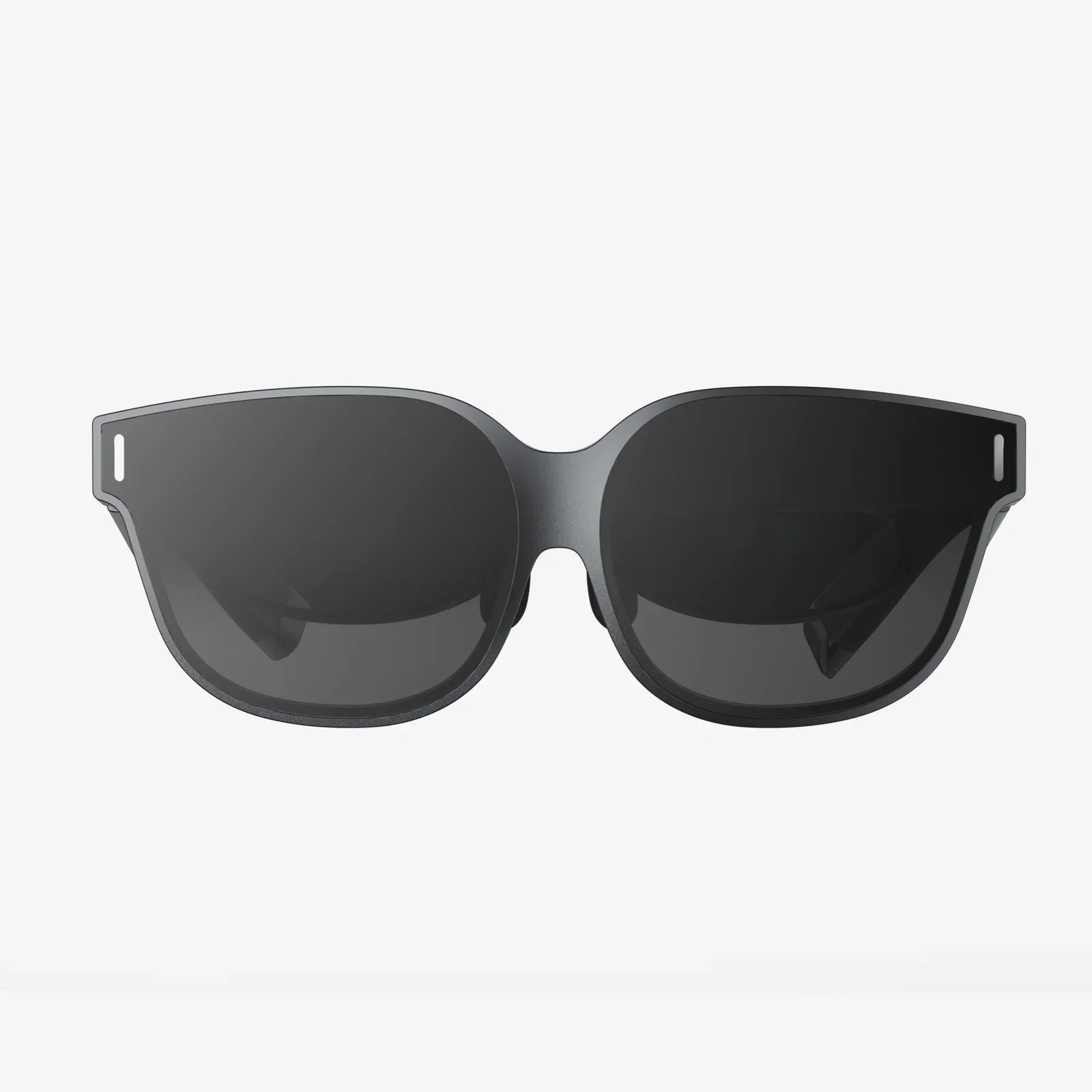
If you are hunting for a vr capable gaming laptop, you are probably imagining yourself stepping straight into your favorite worlds, dodging enemies, wielding magic, or racing at insane speeds as if you were really there. But nothing kills that dream faster than motion sickness, lag, or a laptop that sounds like it is about to take off every time you load a VR title. Choosing the right machine is the difference between a smooth, immersive experience and a frustrating, unplayable mess.
This guide breaks down exactly what makes a laptop truly VR ready, not just on paper but in real-world use. We will walk through graphics performance, processors, RAM, storage, ports, cooling, displays, and future-proofing, all in clear, practical language. By the time you reach the end, you will know what to look for, what to avoid, and how to balance performance, price, and portability so you can enjoy virtual reality the way it is meant to be played.
Why a vr capable gaming laptop is different from a normal laptop
Not every gaming laptop can handle virtual reality smoothly, even if it runs regular games well. VR is more demanding because it has to render two images at once (one for each eye) at high frame rates, with low latency and precise tracking. Any stutter, drop in frame rate, or delay between your movement and what you see can cause discomfort or motion sickness.
A vr capable gaming laptop must therefore meet stricter requirements than a typical gaming machine. These include:
- Stronger graphics performance to maintain high frame rates in VR
- A powerful CPU that can keep up with tracking, physics, and game logic
- Sufficient RAM to handle large VR worlds and background tasks
- Fast storage for quick loading of complex environments
- Reliable ports and connectivity to support VR headsets and accessories
- Effective cooling so performance does not throttle during long sessions
Understanding each of these areas will help you avoid paying for the wrong features and instead focus on what actually matters for VR.
Graphics card: the heart of a vr capable gaming laptop
The graphics processing unit (GPU) is the single most important component of a vr capable gaming laptop. VR headsets typically target high refresh rates, such as 90 Hz or more, at relatively high resolutions. The GPU has to render two separate views simultaneously and keep the frame rate stable. If the GPU is too weak, you will see stuttering, blurring, or dropped frames.
Why VR demands more from the GPU
Traditional gaming on a laptop display can often feel fine even when frame rates dip into the 40–60 frames per second range. VR is much less forgiving. To feel natural and comfortable, VR needs:
- High frame rates: Ideally 90 frames per second or higher
- Low latency: Minimal delay between your head movement and the updated image
- Consistent performance: Sudden drops in frame rate are more noticeable in VR
These demands mean you should always prioritize a strong dedicated GPU when shopping for a vr capable gaming laptop.
Dedicated vs integrated graphics
A vr capable gaming laptop must use a dedicated GPU. Integrated graphics, which are built into the CPU and share system memory, are not designed to handle the high, sustained loads of VR gaming. Even if integrated graphics can run some lightweight games, they will struggle badly with modern VR titles.
Choosing the right performance level
When evaluating GPUs for VR, look for mid-range to high-end dedicated graphics chips that are explicitly listed as suitable for VR in their specifications. You should:
- Avoid entry-level gaming GPUs, which may only meet minimum requirements at low settings.
- Target mid-range or better GPUs that can maintain high frame rates in demanding titles.
- Consider higher-end GPUs if you want to play the latest VR games at high detail levels or use higher-resolution headsets.
It is wise to check the recommended VR specifications for the headset you plan to use and aim for a GPU that comfortably exceeds those minimums. This gives you a buffer for future games and software updates.
CPU: the brain behind your VR experience
While the GPU handles the visuals, the central processing unit (CPU) manages game logic, physics, AI, tracking, and other background tasks. In a vr capable gaming laptop, the CPU and GPU must work together smoothly to deliver a responsive, immersive experience.
Core count and clock speed
Modern VR games tend to benefit from multiple cores and high clock speeds. When comparing CPUs, look for:
- At least 6 cores for a balanced VR experience
- 8 or more cores if you also stream, record, or run heavy multitasking while in VR
- High boost clock speeds to handle demanding single-threaded tasks
Do not choose a vr capable gaming laptop with a very low-power CPU just to save battery life. VR is usually played while plugged in, and you need a processor that can sustain performance under load.
Balancing CPU and GPU
A common mistake is overspending on a powerful CPU while skimping on the GPU. For VR gaming, the GPU usually has a bigger impact on performance. Aim for a balanced system where the CPU is strong enough not to bottleneck the GPU, but not so overpowered that you waste budget that could have gone into a better graphics card.
RAM: how much memory does a vr capable gaming laptop need?
Random access memory (RAM) keeps active data ready for quick access by the CPU and GPU. In VR, large textures, complex environments, and background services can consume a significant amount of memory.
Minimum and recommended RAM
For a vr capable gaming laptop, consider the following guidelines:
- 16 GB of RAM is the practical minimum for modern VR gaming.
- 32 GB of RAM is recommended if you plan to multitask, run demanding non-gaming applications, or future-proof your system.
While some laptops may ship with 8 GB, this is increasingly limiting for VR. If you buy a system with less than 16 GB, ensure that it is easily upgradable so you can add more memory later.
Speed and dual-channel configuration
RAM speed and configuration can also influence performance. A vr capable gaming laptop benefits from:
- Dual-channel memory, which allows two sticks of RAM to work together for higher bandwidth.
- Reasonably fast memory speeds, which can improve minimum frame rates and overall responsiveness.
While RAM speed is not as critical as GPU performance, it can contribute to smoother gameplay, especially in complex VR titles.
Storage: fast, spacious drives for VR games
VR games and experiences are often large, with high-resolution textures and detailed environments. A vr capable gaming laptop needs both speed and capacity in its storage system.
SSD vs HDD
For VR, a solid-state drive (SSD) is essential. Compared to traditional hard disk drives (HDDs), SSDs offer:
- Much faster load times
- Quicker level transitions and asset streaming
- More responsive system performance overall
An HDD can be used as secondary storage for media or non-critical files, but your operating system and VR games should reside on an SSD.
Capacity considerations
VR titles can easily consume tens of gigabytes each. When choosing a vr capable gaming laptop, consider:
- At least 512 GB of SSD storage for a basic VR library.
- 1 TB or more if you plan to install many large games and applications.
Also check whether the laptop allows storage upgrades. The ability to add a second SSD later can extend the long-term usefulness of your system.
Display: what matters on the laptop screen for a VR-focused machine
Since you will be wearing a headset during VR sessions, the laptop display might seem less important. However, for non-VR gaming, content creation, and general use, the screen still plays a major role in your overall experience.
Resolution and refresh rate
For a vr capable gaming laptop, a good display can make the system more versatile. Consider:
- Full HD (1920x1080) as a solid baseline resolution that balances clarity and performance.
- Higher resolutions such as 1440p or 4K for sharper visuals, especially if you also use the laptop for creative work.
- High refresh rates (120 Hz, 144 Hz, or higher) for smoother non-VR gaming.
Remember that driving high resolutions on the laptop display can demand more from the GPU. If your main focus is VR, you might prioritize GPU power over a very high-resolution built-in screen.
Panel quality and color accuracy
If you plan to use your vr capable gaming laptop for video editing, design, or other visual work, pay attention to:
- Color accuracy and coverage of common color spaces
- Brightness levels for comfortable use in different environments
- Viewing angles and overall image quality
These factors do not directly impact VR performance but can significantly improve your day-to-day experience outside of the headset.
Ports and connectivity: making sure your VR headset fits
A vr capable gaming laptop must physically connect to your VR headset and any additional accessories. Different headsets have different requirements, but there are some common needs you should account for.
Video outputs
Most PC VR headsets require a high-bandwidth video connection. Look for laptops that include:
- At least one modern digital video output capable of handling high resolutions and refresh rates.
- Ports that match or can be adapted to your headset's connection standard.
Some newer headsets may use a single cable solution over a high-speed port, while others rely on a combination of video and USB connections. Check your headset's requirements and ensure the laptop can support them without unreliable adapters.
USB ports and bandwidth
VR headsets often need multiple USB connections for tracking, controllers, and sensors. A vr capable gaming laptop should offer:
- Several high-speed USB ports for the headset and accessories.
- At least one port that supports high data throughput for demanding connections.
Having extra ports is helpful if you plan to connect external drives, audio devices, or other peripherals alongside your VR setup.
Wireless connectivity
Some VR experiences rely on fast wireless networking, especially if you use streaming solutions from the laptop to a wireless headset. Look for:
- Modern Wi-Fi standards for high throughput and low latency.
- Stable wireless performance for smooth streaming.
While wired connections are still preferred for the most consistent results, strong wireless capabilities give you more flexibility in how you use your vr capable gaming laptop.
Cooling and thermals: keeping performance stable in VR
VR gaming puts sustained load on both the CPU and GPU. If a laptop's cooling system cannot keep temperatures under control, the components may throttle, reducing performance to avoid overheating. This can cause frame drops and stutter, which are especially noticeable and uncomfortable in VR.
Why cooling matters more for VR
Unlike short gaming sessions or lighter workloads, VR often involves extended periods of high-intensity use. A vr capable gaming laptop should be designed to handle:
- Long gaming sessions without significant performance degradation.
- High combined CPU and GPU usage, which generates more heat.
Thermal throttling can turn a powerful laptop on paper into a mediocre performer in practice, so cooling is not a detail to ignore.
What to look for in cooling design
When evaluating cooling, consider:
- The number and size of fans.
- The number of heat pipes and how they are arranged.
- Vent placement for efficient airflow.
- User reviews or professional tests that mention temperature and noise levels.
Some laptops offer performance or cooling modes you can adjust. A vr capable gaming laptop that lets you prioritize cooling and performance over noise can be helpful when you are wearing a headset and less likely to notice fan sound.
Battery life vs performance: what matters for VR
VR gaming is almost always done while plugged into power. Running VR on battery alone will drain the charge quickly and may limit performance to preserve power. For a vr capable gaming laptop, battery life is less critical for VR sessions but still relevant for everyday portability.
Understanding power limits
Many gaming laptops reduce CPU and GPU performance when running on battery to prevent overheating and extend runtime. This is not ideal for VR, where you need consistent, full performance. As a result:
- Expect to use your laptop plugged in for VR gaming.
- View battery life as a convenience for non-VR tasks such as browsing, work, or light gaming.
When comparing models, do not sacrifice essential VR performance for slightly better battery life. If VR is your priority, focus on power delivery and cooling instead.
Portability: can a vr capable gaming laptop travel well?
One of the key advantages of a vr capable gaming laptop over a desktop is mobility. You can bring your VR setup to a friend's house, a dorm room, or even on trips. However, there are trade-offs between portability and performance.
Size and weight
High-performance gaming laptops with strong cooling and powerful GPUs tend to be thicker and heavier. When deciding how portable you need your vr capable gaming laptop to be, consider:
- Whether you will move it frequently or mostly keep it in one place.
- How much weight you are comfortable carrying in a backpack.
- The size of your VR play area and how much space the laptop can occupy.
Thin and light gaming laptops exist, but they often have more limited cooling, which can affect sustained VR performance. If VR is your main focus, you may accept a slightly heavier machine in exchange for better thermals and stability.
Build quality and durability
A vr capable gaming laptop that travels with you should be sturdy enough to handle regular transport. Look for:
- Solid chassis construction with minimal flex.
- Reliable hinges for the display.
- Good quality ports that can withstand frequent plugging and unplugging of VR cables.
Durability helps ensure that your investment lasts through years of VR sessions and travel.
Audio: hearing your virtual world clearly
Immersive sound is a big part of virtual reality. While many VR headsets have built-in audio, the laptop's audio capabilities still matter for times when you are not in VR or when you choose to use external speakers or headphones.
Built-in speakers vs headphones
Most vr capable gaming laptop users rely on headphones during VR sessions, either through the headset or connected to the laptop. However, good built-in speakers can improve your experience when:
- Watching videos or streams.
- Playing non-VR games without a headset.
- Listening to music while working.
While audio quality does not determine VR readiness, it contributes to the overall value of the laptop.
Audio ports and latency
For VR, audio latency should be low so that sounds match your actions and the virtual environment. A vr capable gaming laptop should provide:
- A standard headphone jack for wired audio.
- Support for low-latency Bluetooth if you use wireless audio devices, though wired remains more reliable for VR.
If you are sensitive to audio delay, prioritize wired audio solutions during VR gameplay.
Keyboard, touchpad, and input devices
While VR gaming relies primarily on motion controllers or specialized input devices, you will still use the laptop's keyboard and touchpad for setup, configuration, and non-VR tasks. A vr capable gaming laptop should not neglect these basics.
Keyboard considerations
Look for a keyboard that offers:
- Comfortable key travel and feedback for long typing sessions.
- Backlighting to see keys in dim environments, which is helpful when setting up VR.
- A layout that suits your preferences, including arrow keys and function keys.
While keyboard features like customizable lighting are mostly cosmetic, they can add to the overall enjoyment of using your laptop.
External peripherals
Many VR enthusiasts pair their vr capable gaming laptop with external devices such as:
- Gaming mice or controllers for non-VR games.
- External keyboards for desk setups.
- USB hubs or docking stations for managing multiple connections.
Ensure your laptop has enough ports and power to support the peripherals you plan to use alongside your VR headset.
Software, drivers, and VR platform compatibility
A vr capable gaming laptop is only as good as its software support. Proper drivers, operating system updates, and compatibility with VR platforms are essential for a smooth experience.
Operating system and updates
Most PC VR platforms are designed for specific operating systems. Make sure your laptop runs a compatible version and that you keep it updated. Regular updates can:
- Improve performance and stability.
- Fix bugs and compatibility issues.
- Add support for new features and headsets.
Before buying, confirm that your chosen VR platform fully supports your operating system and hardware.
Graphics and VR drivers
Installing and maintaining up-to-date graphics drivers is crucial. A vr capable gaming laptop should be able to run the latest drivers provided for its GPU. Updated drivers often include:
- Performance optimizations for new games.
- Bug fixes for VR-specific issues.
- Improved support for new headset models.
Some VR platforms also require specific runtime software. Follow the setup instructions carefully to ensure everything is installed correctly before you put on the headset.
Future-proofing your vr capable gaming laptop
VR technology evolves quickly. New headsets bring higher resolutions, wider fields of view, and more advanced tracking systems. Games become more detailed and demanding over time. When choosing a vr capable gaming laptop, it is wise to think not just about what you can play today, but what you want to run a few years from now.
Planning for more demanding VR titles
To future-proof your purchase:
- Choose a GPU that exceeds current minimum VR requirements.
- Opt for more RAM if your budget allows.
- Prefer laptops with upgradeable storage and memory.
A system that barely meets today's minimums may struggle with tomorrow's games, forcing you to lower settings or skip newer experiences.
Upgradability
Many laptops allow upgrades to certain components. A vr capable gaming laptop with user-accessible RAM and storage can extend its useful life. Consider:
- Whether you can add more RAM later.
- Whether there is an extra slot for another SSD.
- Ease of opening the chassis without damaging it.
While you typically cannot upgrade the GPU or CPU in most laptops, being able to expand memory and storage can keep your system relevant longer.
Balancing budget and performance
VR-ready hardware is more expensive than standard laptops, but you do not have to spend the maximum to get a good experience. The key is to prioritize the components that matter most for VR and compromise on less critical features.
Where to spend more
For a vr capable gaming laptop, allocate more of your budget to:
- A strong dedicated GPU.
- A capable CPU that will not bottleneck the graphics card.
- At least 16 GB of RAM.
- A fast SSD with enough capacity for your VR library.
These elements directly impact your VR performance and comfort.
Where you can save
You can often save money by being flexible on:
- Ultra-high-resolution laptop displays, if VR is your main focus.
- Fancy lighting effects or purely cosmetic design features.
- Very thin and light designs, if you do not need maximum portability.
By focusing on performance essentials and trimming non-critical extras, you can find a vr capable gaming laptop that fits your budget without sacrificing the VR experience.
Practical checklist before you buy
To make your decision simpler, here is a practical checklist you can use when evaluating any vr capable gaming laptop:
- GPU: Dedicated, mid-range or higher, explicitly suitable for VR workloads.
- CPU: At least 6 cores with strong single-core performance.
- RAM: 16 GB minimum, 32 GB preferred for heavy use.
- Storage: SSD with at least 512 GB; more if you have a large game library.
- Ports: Proper video output and multiple USB ports matching your headset requirements.
- Cooling: Proven ability to sustain performance under load without excessive throttling.
- Display: At least Full HD with a decent refresh rate; higher specs if you also value non-VR visuals.
- Wireless: Modern Wi-Fi for optional wireless streaming and online gaming.
- Upgradability: Room to expand RAM or storage in the future.
- Build quality: Sturdy enough for travel and frequent use.
Comparing different models against this checklist will quickly reveal which ones are truly ready for VR and which only look powerful at a glance.
Turning your vr capable gaming laptop into a complete VR setup
Once you have chosen your laptop, the next step is building a comfortable, reliable VR setup around it. A vr capable gaming laptop is the core, but a few extra considerations will help you get the most out of it.
Preparing your play area
VR gaming requires enough space to move safely. Before you start, make sure you have:
- A clear area free of obstacles such as chairs, cables, or fragile items.
- Good lighting conditions if your headset relies on cameras for tracking.
- A stable surface for your laptop where it can breathe and stay cool.
Using a laptop stand or cooling pad can help maintain airflow during long sessions.
Cable management
Cables can easily become a tripping hazard in VR. To minimize this:
- Route headset cables behind you when possible.
- Use cable clips or simple organizers to keep wires neat.
- Position the laptop in a way that reduces cable tension.
Good cable management not only improves safety but also reduces the chance of accidentally unplugging something mid-game.
Optimizing performance settings
Even with powerful hardware, you may need to adjust settings for the best balance between visuals and smoothness. On your vr capable gaming laptop:
- Use performance or high-power modes when plugged in.
- Update graphics drivers and VR software regularly.
- Adjust in-game graphics settings to maintain stable high frame rates.
- Close unnecessary background applications that consume CPU, GPU, or RAM.
A few minutes of tuning can dramatically improve comfort and immersion in VR.
Ready to step into VR with the right laptop?
A well-chosen vr capable gaming laptop is more than just a portable computer; it is a doorway into worlds that feel close enough to touch. When you match a strong GPU, capable CPU, ample RAM, and fast storage with the right ports and cooling, you get a machine that can keep pace with your imagination instead of holding it back. The difference shows up in every smooth head turn, every responsive controller movement, and every detailed environment that loads without a hitch.
Instead of guessing or relying on vague marketing terms, use the criteria in this guide to evaluate your options. Focus on real VR performance, not just flashy designs or inflated specifications. When you finally connect your headset, launch your first VR title, and feel the world around you shift into something new and alive, you will know that choosing the right vr capable gaming laptop was the smartest move you could have made for your virtual adventures.
Share:
Computer Glasses 2.0: The New Rules Of Digital Eye Protection
Touch Screen Aquarium Controller Guide for Smarter Reef and Freshwater Tanks