


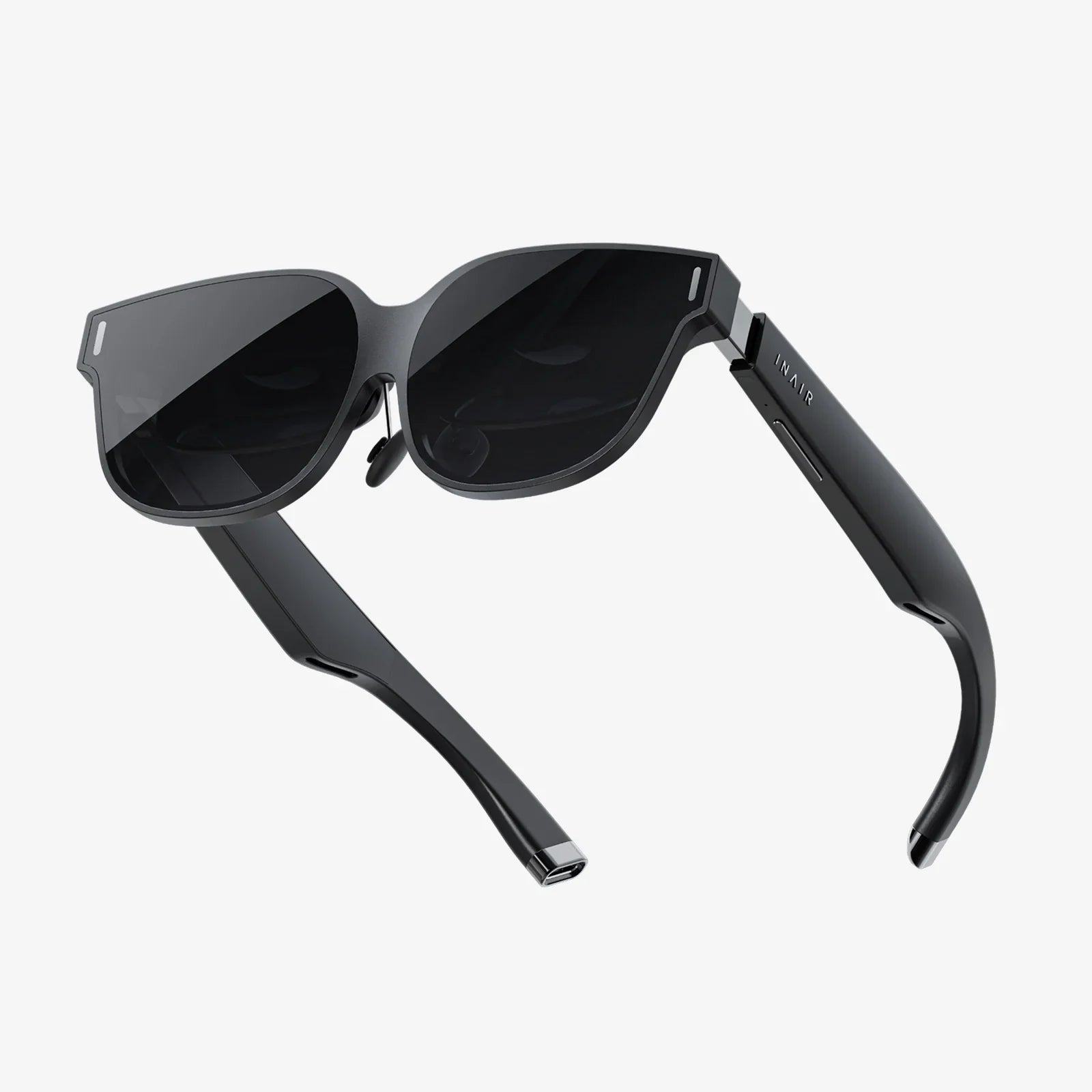
Imagine stepping onto the red carpet at a premier, navigating a sprawling expo hall from your living room, or feeling the thunderous applause of a global audience—all without ever leaving your home. This is no longer the stuff of science fiction; it's the powerful new reality forged by VR content for events. The event industry is undergoing a seismic shift, moving beyond the flat screen and into the three-dimensional, interactive realm of virtual reality. This technology is not merely a novelty or a stopgap solution for remote attendance; it is rapidly becoming an essential tool for creating deeper, more meaningful, and more accessible connections between brands, speakers, and audiences worldwide. The potential is limitless, and we are only just beginning to scratch the surface of what is possible when events are unshackled from physical constraints and reimagined in immersive digital spaces.
The Evolution of Event Experiences: From Physical to Digital to Immersive
The journey of corporate and large-scale events has been a story of gradual digitization. We began with entirely in-person gatherings, where the value was inextricably linked to physical presence. The rise of the internet brought webinars and live streams, democratizing access to information but often sacrificing the engagement and networking that made live events so valuable. These 2D experiences, while convenient, created a passive audience, prone to distraction and devoid of the serendipitous interactions that fuel innovation and community.
The pandemic acted as a brutal but effective catalyst, forcing a rapid acceleration into the digital event space. However, the Zoom fatigue that quickly set in revealed a critical flaw: traditional video conferencing and streaming platforms could replicate information dissemination but failed miserably at replicating experience. They lacked presence, the visceral feeling of “being there.”
This is the gap that VR content expertly fills. Virtual reality represents the next logical—and revolutionary—step in this evolution. It moves beyond simply watching an event to actually experiencing it. By leveraging VR, event organizers are no longer limited by venue capacity, travel budgets, or geographical borders. They can construct worlds tailored to their message, foster genuine human connection through spatialized avatars, and create memories that stick with attendees long after the headset comes off. We are transitioning from event attendance to event immersion.
Unpacking the VR Event Toolkit: A Spectrum of Immersion
Not all VR content for events is created equal, and the term itself encompasses a wide spectrum of experiences, from simple 360-degree video to fully interactive, computer-generated worlds. Understanding these formats is key to selecting the right approach for your event goals.
360-Degree Video Live Streams
This is often the most accessible entry point into VR events. Using a special omnidirectional camera, an event is filmed and live-streamed, allowing viewers with a mobile VR headset or even just a smartphone to look around the venue in 360 degrees. It’s a powerful tool for granting a front-row seat to a keynote speech, a product launch on a stage, or a live musical performance. The audience is a passive observer, but they control their perspective, creating a much more engaging experience than a fixed camera feed.
Interactive Virtual Venues
This is where the true magic of VR events unfolds. Instead of streaming a physical place, organizers build a completely custom digital environment—a conference center, a futuristic museum, a tranquil beach, or anything the imagination can conjure. Attendees, represented by customizable avatars, navigate these spaces freely. They can:
- Walk up to virtual booths and interact with products in 3D.
- Attend sessions in auditoriums, raising their virtual hand to ask questions.
- Network with other attendees in lounges, having spontaneous conversations that mimic real-life chatter.
- Collaborate on virtual whiteboards in breakout rooms.
This format replicates the entire ecosystem of an event, not just the content on stage.
Augmented Reality (AR) Add-Ons
While not pure VR, AR content is increasingly being woven into hybrid event strategies. Imagine pointing a smartphone or AR glasses at a physical event brochure and watching a 3D model of the product erupt from the page, or having speaker bios and session times overlay your view of the actual conference hall. AR enhances the physical event experience, while VR can replace or extend it.
The Unmatched Benefits: Why VR is a Game-Changer
The investment in developing high-quality VR content for an event is significant, but the returns are transformative and multifaceted.
Global Accessibility and Inclusivity
This is arguably the most profound advantage. VR events shatter barriers. Attendees from across the globe can participate on a level playing field, eliminating the need for expensive and time-consuming travel, securing visas, or dealing with the physical accessibility challenges of a traditional venue. This opens up your event to a vastly larger and more diverse audience, fostering a truly global community.
Unparalleled Engagement and Memorability
In a VR environment, distractions are minimized. Unlike watching a webinar with a dozen browser tabs open, attendees are visually and audibly immersed. This focused attention leads to significantly higher retention rates. Furthermore, the experience of learning by doing—manipulating a virtual product, writing on a virtual wall, or having a face-to-avatar-face conversation—creates stronger neural pathways than passive listening. People remember what they experience far more than what they are told.
Data and Analytics Reimagined
Physical events offer limited data: registration numbers, session attendance, and perhaps booth traffic. A virtual event in a built environment is a data goldmine. Organizers can track not just which sessions were attended, but which exhibitor booths were visited longest, which products were interacted with most, and even map the flow of attendee traffic through the virtual space. This provides incredibly rich, actionable insights into audience behavior and content performance.
Sustainability and Reduced Carbon Footprint
By removing the need for thousands of people to travel by air and car, a large-scale VR event can have a dramatically lower environmental impact. This is a powerful ESG (Environmental, Social, and Governance) benefit that resonates strongly with modern consumers and partners.
Monetization and New Revenue Streams
Virtual events allow for innovative monetization strategies beyond ticket sales. This includes selling virtual “booth” space to sponsors, offering premium avatar customizations or virtual “swag,” and creating tiered access passes for different experience levels. Digital products can also be sold directly within the environment.
Strategic Implementation: Crafting Your VR Event
Success in the virtual realm requires a different approach than planning a physical event. It’s less about logistics and more about experience design.
Define Your Objectives and Audience
Start by asking “why VR?” Is your primary goal lead generation, brand awareness, training, or community building? Your objective will dictate the format. Similarly, understand your audience’s tech comfort level. A highly sophisticated VR experience might be perfect for a tech conference but overwhelming for a broader audience.
Choose the Right Platform and Partner
Selecting a platform is crucial. Key considerations include the maximum number of concurrent users, the quality of avatar interaction, customization options, and integration capabilities with existing registration and CRM systems. Partnering with an experienced VR development studio is highly recommended to navigate the technical complexities.
Design for Interaction, Not Just Presentation
The biggest mistake is to take a physical event agenda and dump it into a virtual space. Rethink everything. Shorter, more dynamic sessions are better. Build in constant opportunities for interaction: polls, Q&As, gamification (scavenger hunts, leaderboards), and structured networking sessions. The environment itself should be explorable and rewarding.
Onboard Your Attendees
Assume that a portion of your audience will be new to VR. Provide clear instructions well in advance on the hardware required (whether a full headset or a simple mobile option), how to download the necessary software, and how to navigate the virtual environment. Consider hosting optional “orientation” sessions before the main event.
Blend the Physical and Virtual: The Hybrid Horizon
The most powerful model emerging is the hybrid event, which seamlessly integrates a physical event with a rich virtual counterpart. Speakers can present to a live audience while also engaging with avatars in the front row of the virtual space. Physical attendees can use AR to enhance their experience, while virtual attendees can send questions to the stage. This approach captures the energy of a live gathering while extending its reach globally.
Navigating the Challenges and Considerations
While the future is bright, there are hurdles to overcome.
- Technology Access and Cost: High-end VR headsets represent an investment for users. While mobile VR is more accessible, it offers a reduced experience. The cost of developing bespoke VR content can also be high, though prices are falling as the technology matures.
- The “Hardware Hurdle”: Requiring attendees to wear a headset is still a barrier to mass adoption. The experience must be compelling enough to justify the effort.
- Digital Fatigue: Even in an immersive environment, attendees can experience a new form of fatigue. Event design must be mindful of session length and include ample breaks.
- Creating Authentic Connection: Even with advanced avatars, replicating the subtle nuance of a real-life handshake or coffee break conversation remains a challenge that developers are continuously working to solve.
Glimpsing the Future: What Lies Beyond the Horizon
The technology underpinning VR events is advancing at a breathtaking pace. We are moving towards a future where the line between physical and virtual will blur into irrelevance.
- Photorealistic Avatars and Haptics: Soon, avatars will be near-photorealistic, driven by eye-tracking and facial expression capture, conveying emotion with stunning accuracy. Combined with haptic feedback suits and gloves, the sensation of touch in virtual spaces will become a reality.
- The Metaverse: Events will increasingly take place in persistent virtual worlds—the metaverse. Instead of a conference center that disappears after the event, your brand could own a permanent virtual venue that hosts year-round community activities, product showcases, and training, forever changing the customer journey.
- AI-Powered Personalization: Artificial intelligence will curate unique event experiences for each attendee, guiding them to sessions and connections most relevant to them and even generating custom content on the fly.
The era of passive event attendance is over. We are standing at the precipice of a new age of experience, one defined by active participation, global community, and limitless creativity. VR content for events is the key that unlocks this door, offering a glimpse into a future where gathering together is no longer limited by geography, but only by the bounds of our collective imagination. The virtual stage is set, and the audience is waiting. The only question that remains is what incredible experience you will create for them.
Share:
Computer Glasses: The Essential Guide to Protecting Your Eyes in the Digital Age
How AI Is Transforming Business: A New Era of Intelligence and Efficiency