


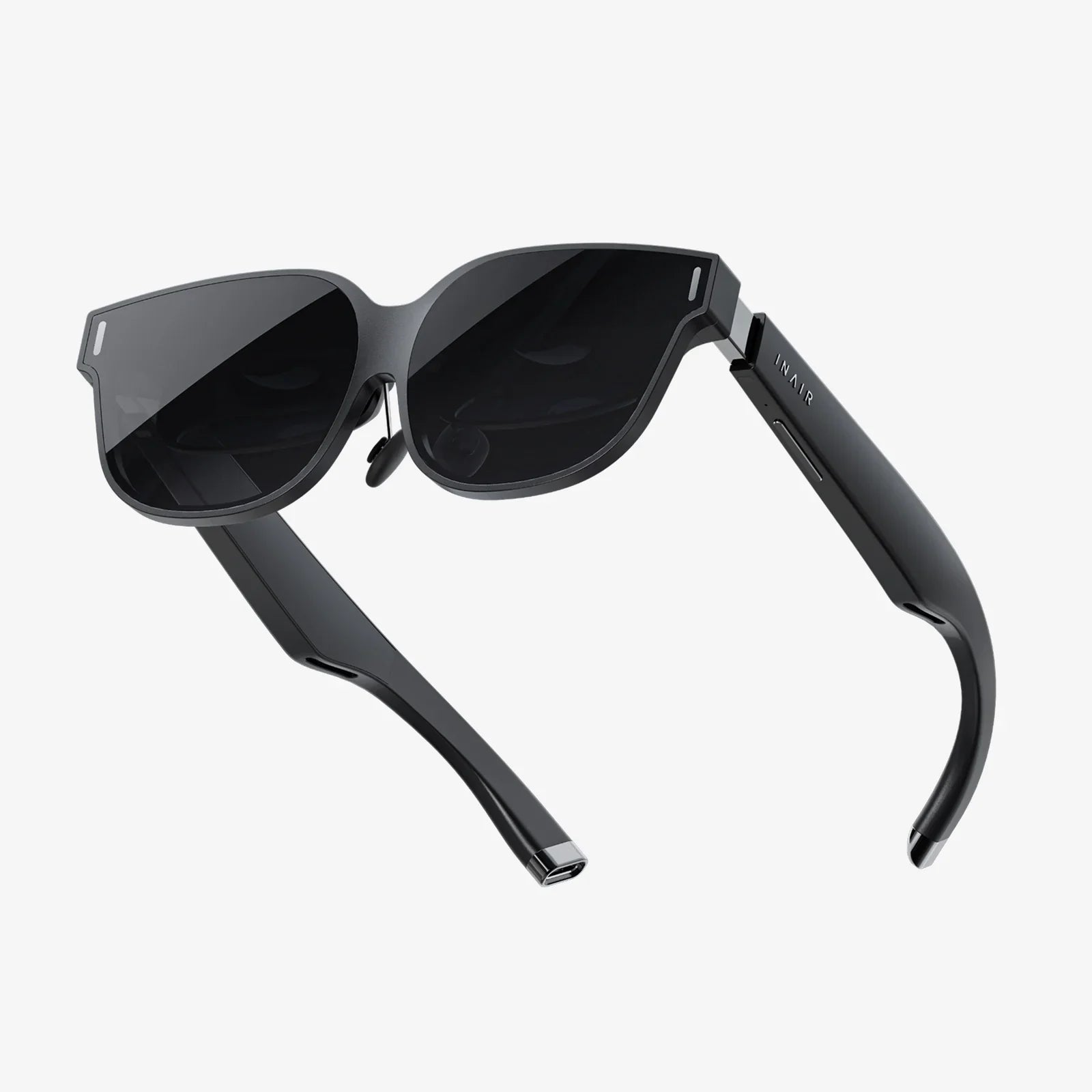
Imagine stepping through a portal not just into a game, but into an entirely new reality. This is the promise, the siren's call, of modern VR gaming devices—a promise that is no longer science fiction but a breathtaking, tangible experience available right in your living room. The journey from clunky prototypes to sleek, powerful headsets has been nothing short of revolutionary, and we stand now on the precipice of a new era in interactive entertainment. The headset is your ticket; all you have to do is put it on.
The Meteoric Ascent: A Brief History of Immersive Tech
The concept of virtual reality is far older than most realize, with roots stretching back to the Sensorama of the 1960s. However, the story of consumer VR gaming devices truly began in the early 2010s. A pivotal moment arrived with the proliferation of smartphone technology, which provided the essential components—high-resolution displays, motion sensors, and powerful processors—that could be repurposed for immersive experiences. This led to the advent of accessible, head-mounted displays that used a mobile phone as the screen and brain. While these early entries were limited in processing power and interactivity, they democratized VR, introducing millions to the concept and proving there was a massive, hungry market for deeper immersion.
Deconstructing the Dream: Core Components of a VR System
Today's sophisticated VR gaming devices are marvels of engineering, comprising several integrated systems that work in concert to create a convincing illusion.
The Head-Mounted Display (HMD)
The HMD is the heart of the experience. Its key components include:
- High-Resolution Displays: Modern headsets feature dual LCD or OLED screens with incredibly high pixel density, often exceeding 4K resolution combined. This drastically reduces the "screen door effect" (the visible grid between pixels), making the virtual world appear solid and real.
- Lenses: Custom-fresnel or pancake lenses sit between the eyes and the screens, focusing and reshaping the image to fill your peripheral vision, creating a wide field of view (FOV) that enhances immersion.
- Precise Tracking: Inside-out tracking uses multiple wide-angle cameras embedded on the headset itself to constantly map your physical environment and track the position of your controllers without the need for external sensors. This allows for full six degrees of freedom (6DoF), meaning you can not only look around (rotation) but also lean, crouch, and move through space (translation).
- Integrated Audio: Spatial audio technology is crucial. Built-in headphones or off-ear speakers deliver 3D sound that changes dynamically as you move your head, allowing you to hear the direction of footsteps, the whisper of the wind, or the roar of an engine behind you.
The Controllers: Your Hands in the Virtual World
If the HMD is your eyes, the controllers are your hands. They are ergonomic, wireless, and packed with technology:
- Haptic Feedback: Advanced rumble motors provide nuanced tactile sensations, from the gentle recoil of a bowstring to the jarring impact of a punch.
- Capacitive Sensing: Sensors can detect finger placement, allowing for natural gestures like pointing, thumbs-up, or making a fist. This level of expression is key to social presence and intuitive interaction.
- Precision Tracking: Tracked by the HMD's cameras via infrared LEDs, the controllers are mapped into the virtual world with millimeter accuracy, making complex actions like reloading a weapon or playing a virtual piano feel natural.
Beyond the Hardware: The Software That Breathes Life into VR
Powerful hardware is meaningless without compelling software. The ecosystem of VR content has exploded, offering experiences for every type of user.
The Power of Presence and Game Design
VR game design is fundamentally different from traditional flat-screen gaming. The core principle is "presence"—the undeniable feeling of being somewhere else. Developers achieve this through:
- Intuitive Interaction: Worlds are designed to be manipulated directly. You open a drawer by grabbing the handle, you shield yourself by physically raising your arm, and you climb a cliff by reaching out and pulling yourself up.
- Environmental Storytelling: The sense of scale and depth allows for powerful narrative techniques. A towering giant feels genuinely terrifying; exploring a abandoned spaceship feels isolating and intimate.
- Genre Innovation: While first-person shooters and rhythm games are incredibly popular, VR has spawned entirely new genres. Physics-based sandboxes, social hubs, meditative experiences, and immersive simulations are redefining what a video game can be.
A Universe of Experiences
The software library is vast and varied. Players can:
- Wield lightsabers in intense combat simulations. >li>Solve intricate puzzles by manipulating time and gravity.
- Collaborate with friends from across the globe in cooperative adventures or social spaces.
- Create stunning sculptures and paintings in 3D space.
- Experience breathtaking documentaries and journeys to places otherwise impossible to visit.
Challenges and Considerations on the Road to Mainstream Adoption
Despite incredible progress, VR gaming devices still face hurdles before they become as ubiquitous as game consoles.
Technical and Physical Hurdles
- Accessibility and Cost: High-end systems require a significant financial investment, both for the headset and the powerful computing hardware needed to run it. Standalone devices have lowered this barrier, but cost remains a factor.
- Comfort and Form Factor: Headsets are lighter and more balanced than ever, but extended play sessions can still cause pressure on the face and neck. Achieving a perfect blend of power, comfort, and affordability is an ongoing challenge for engineers.
- VR Sickness: A subset of users experiences motion sickness when there is a disconnect between what their eyes see (movement) and what their inner ear feels (stationary). Developers combat this with clever design choices like teleportation movement, comfort vignettes, and stable virtual horizons.
The Social and Ethical Dimension
- The Isolation Paradox: While VR can connect people in profound ways, the act of wearing a headset is physically isolating. Balancing immersive solitude with rich social interaction is a key focus for platform holders.
- Safety and Moderation: As with any online space, ensuring user safety from harassment and developing effective moderation tools for social VR is critical for its long-term health.
- The Blurring of Reality: As experiences become more realistic, questions about psychological impact, data privacy, and the long-term effects of prolonged use in synthetic environments are areas of active research and discussion.
The Future is Virtual: What Lies on the Horizon
The evolution of VR gaming devices is accelerating at a breakneck pace. Several emerging technologies promise to shatter the remaining limitations.
Next-Generation Technological Leaps
- Varifocal and Eye-Tracking: Future headsets will track your eyes to know precisely where you are looking. This enables two revolutionary features: foveated rendering (drastically increasing performance by rendering only the spot you're looking at in full detail) and dynamic focus adjustment, which mimics how our eyes naturally focus on near and far objects, eliminating visual fatigue.
- Haptic Suits and Gloves: The next frontier of immersion is full-body haptics. Gloves that provide resistance when you grab an object and suits that let you feel rain, impacts, and temperature changes will complete the sensory illusion, making the virtual world truly tangible.
- Brain-Computer Interfaces (BCI): Looking further ahead, research into BCIs aims to allow control through thought alone. Imagine wanting to push a virtual object and simply having it move. This technology, while in its infancy, represents the ultimate destination for seamless interaction.
The Convergence with Augmented Reality (AR)
The line between VR (fully virtual) and AR (digital overlays on the real world) is beginning to blur. Passthrough technology, which uses headset cameras to show you your physical surroundings in black-and-white or full color, is already a standard feature. This allows for mixed-reality experiences where virtual objects and characters can interact with your real-world environment. The ultimate goal is a single, lightweight device that can switch seamlessly between fully immersive virtual worlds and contextually aware augmented realities, transforming not just gaming but work, communication, and daily life.
The door to these uncharted digital realities is now open, wider and more inviting than ever before. With each technological leap, the line between the world we inhabit and the worlds we create continues to fade. This isn't just about playing a game; it's about experiencing the impossible, connecting in profound new ways, and fundamentally expanding human perception. The next great adventure doesn't require a plane ticket—it requires a headset. Your journey awaits.
Share:
WiFi Sunglasses Are the Pinnacle of Wearable Tech and Digital Freedom
Web Based AR Experience: The Future of Digital Interaction is Here and Accessible to All