


Imagine a world where the boundary between the digital and the physical isn't just blurred—it's functionally nonexistent, a world where your workspace, your social club, your classroom, and your playground are limited only by your imagination, all accessible through a sleek device perched on your nose. This is the future being forged today, and by 2025, the virtual reality headset market is poised to deliver experiences that will fundamentally reshape how we interact with technology and with each other. The journey from niche curiosity to mainstream powerhouse is accelerating, driven by a convergence of technological innovation, evolving content ecosystems, and a paradigm shift in global digital behavior. The trends emerging today are not merely incremental improvements; they are the foundational pillars of the next computing platform.
The Technological Vanguard: Beyond Resolution and Refresh Rates
While high-resolution displays and smooth refresh rates were the primary battlegrounds of the past, the trends leading to 2025 are focused on creating a seamless, intuitive, and truly immersive experience. The technology is evolving from being something you see to something you feel and inhabit.
Visual Fidelity and Varifocal Displays
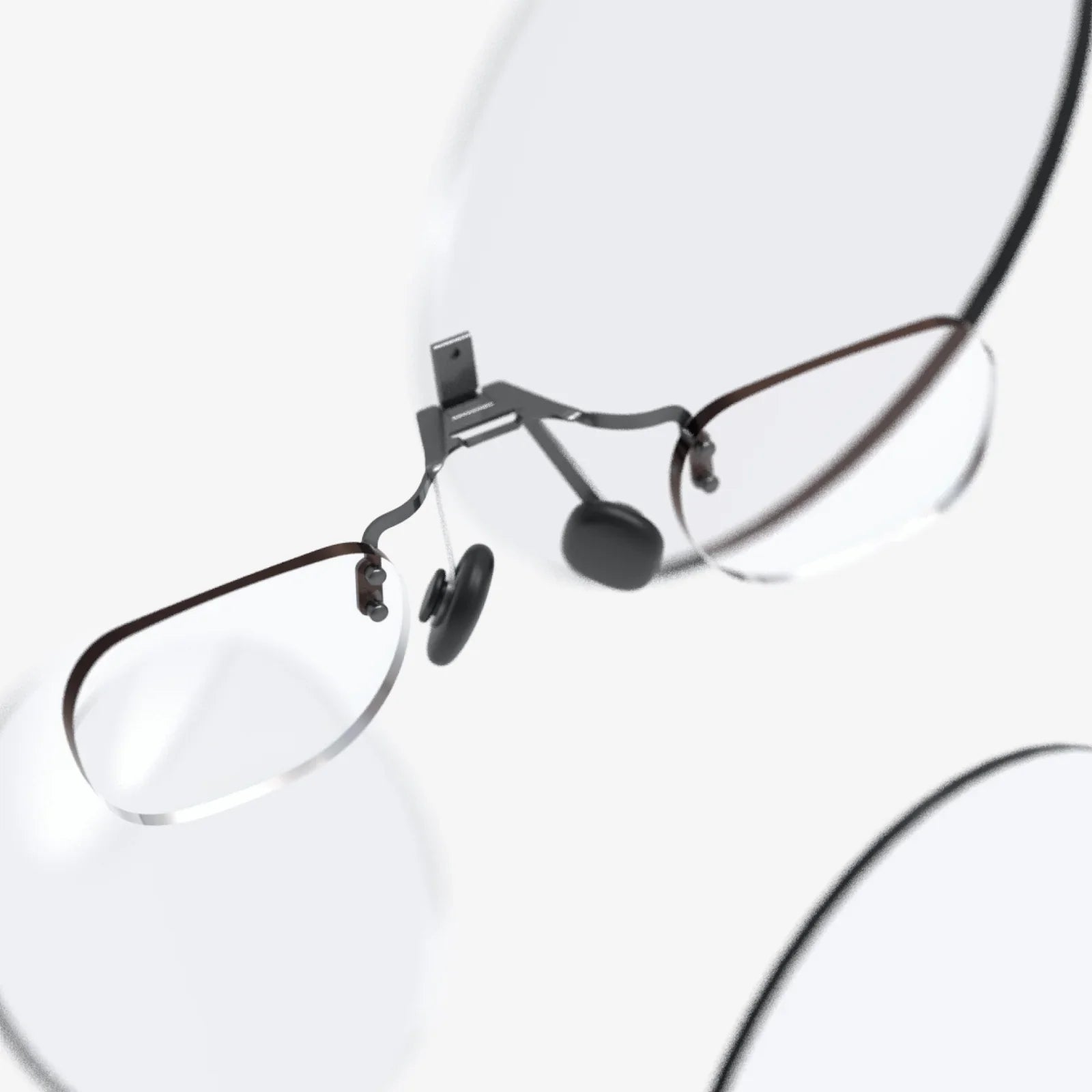
The relentless pursuit of the "retina" display in VR continues. By 2025, expect mainstream consumer headsets to feature micro-OLED and mini-LED displays pushing pixel densities well beyond the current standard, drastically reducing the screen-door effect and making text as crisp as on a high-end monitor. However, the true leap will come from solving the vergence-accommodation conflict—a physiological issue where your eyes struggle to focus on virtual objects at different distances. The adoption of varifocal displays, which dynamically adjust focus based on where you are looking, will be a game-changer. This technology, combined with advanced eye-tracking, will not only enhance comfort during prolonged use but also enable powerful features like foveated rendering. This technique renders only the area you are directly looking at in full detail, dramatically reducing the computational power required and paving the way for more complex and realistic virtual worlds on smaller, more efficient chipsets.
The Rise of Standalone and Wireless Dominance
The tether to a high-powered computer is becoming a relic of the past. The trend toward standalone, all-in-one (AIO) devices is arguably the most significant driver of mass adoption. By 2025, the market will be overwhelmingly dominated by wireless headsets. These devices will be powered by a new generation of dedicated XR chipsets designed from the ground up for spatial computing, offering a balance of immense processing power and exceptional battery efficiency. This wireless freedom is crucial for unlocking the full potential of VR for social, fitness, and enterprise applications, allowing users to move naturally and without constraint. The development of faster, more reliable wireless protocols will further enhance the experience, making latency virtually undetectable.
Haptics and Sensory Immersion
Visual and auditory immersion is no longer enough. The next frontier is touch. The integration of sophisticated haptic feedback systems is a key trend for 2025. This goes beyond simple controller rumble. We are moving toward advanced actuators in controllers, gloves, and even within the headset itself that can simulate the texture of a surface, the recoil of a tool, or the pressure of a virtual handshake. Research into ultrasonic and thermal feedback systems promises to add even more layers of sensory information, making digital objects feel tangible and real. This full-body sensory engagement is critical for applications ranging from high-fidelity training simulations to deeply immersive social and gaming experiences.
The Content Ecosystem: From Games to a Platform for Everything
A device is only as valuable as the software it runs. The content landscape for VR is undergoing a dramatic expansion, moving far beyond its gaming roots to become a comprehensive platform for work, creativity, and connection.
The Metaverse and Social VR
While the term "metaverse" has been subject to hype and skepticism, the underlying trend is real and accelerating. By 2025, social VR platforms will have evolved into persistent, interoperable digital spaces where people gather for concerts, conferences, classes, and casual hangouts. The focus will be on avatar expressiveness, driven by improved eye, face, and full-body tracking, allowing for nuanced non-verbal communication that rivals physical presence. The trend is toward a hybrid future where 2D screens and 3D immersive spaces coexist, with users fluidly moving between them based on their needs. Businesses will establish a presence in these spaces not just for marketing, but for holding global all-hands meetings, conducting virtual product design reviews, and offering remote customer service in a more personal way.
Enterprise and Productivity: The Silent Revolution
While consumer applications capture headlines, the enterprise sector is where VR is demonstrating immense and immediate ROI. The trends point toward VR becoming a standard tool in corporate toolkits by 2025. Key applications include:
- Design and Prototyping: Automotive, aerospace, and architecture firms are using VR to create and iterate on 3D models in real-time, collaborating with teams across the globe and saving millions on physical prototypes.
- Training and Simulation: From training surgeons for complex procedures to preparing emergency responders for crisis scenarios, VR provides a safe, repeatable, and cost-effective training environment. The ability to practice high-stakes tasks without real-world consequences is invaluable.
- Remote Assistance and Collaboration: A field technician wearing a VR headset can receive expert guidance from an engineer thousands of miles away, who can literally draw annotations into the technician's field of view, overlaying instructions onto the real-world machinery.
This enterprise adoption is creating a stable and lucrative market segment that fuels further hardware and software development.
Health, Wellness, and Fitness
The VR fitness trend, popularized by rhythm games, is maturing into a full-blown wellness category. By 2025, expect a proliferation of apps specifically designed for guided meditation in serene virtual environments, cognitive behavioral therapy for treating anxiety and phobias, and physical rehabilitation programs that use motion tracking to ensure exercises are performed correctly. These applications leverage VR's unique ability to control an environment and focus the user's mind, offering tangible health benefits that extend far beyond entertainment.
Market Dynamics and Evolving Consumer Profiles
The structure of the market itself is shifting, influenced by technological capabilities, pricing strategies, and a broader understanding of the target audience.
The Specter of the AR/VR Convergence
The line between Virtual Reality (fully immersive) and Augmented Reality (digital overlays on the real world) is beginning to blur. The trend toward passthrough AR is a critical one. Modern VR headsets feature high-resolution cameras that can feed a live video feed of your surroundings into the headset, allowing digital objects to be placed convincingly in your physical space. By 2025, this technology will be so advanced and low-latency that high-end headsets will function as capable AR devices as well, creating a hybrid device often referred to as Mixed Reality (MR). This convergence eliminates the need for consumers to choose between an AR or VR device, instead offering a single platform for a spectrum of experiences.
Pricing Tiers and Market Segmentation
The market is stratifying into distinct tiers. On one end, a premium segment will offer cutting-edge features like ultra-high resolution, full-face tracking, and advanced haptics for professionals and enthusiasts. On the other end, a highly competitive budget segment will offer capable, accessible entry points to bring first-time users into the ecosystem. This is similar to the smartphone market, with a range of devices catering to different needs and budgets. Furthermore, the proliferation of subscription services for content and cloud-based processing power could change the economic model, reducing upfront costs and creating recurring revenue streams for platforms.
The Professional Creator Economy
As the tools for creating VR content become more powerful and user-friendly, a new class of professional creators is emerging. These are not just game developers, but architects, filmmakers, artists, and educators who are building immersive experiences for their respective fields. This trend is democratizing content creation, ensuring that the software available in 2025 is diverse, innovative, and tailored to a million different use cases, rather than being dominated by a few large studios.
Challenges on the Horizon
Despite the optimistic trends, significant hurdles remain to be overcome on the path to 2025.
- Comfort and Form Factor: Headsets must become lighter, more comfortable, and less socially isolating. The trend is toward sleek, glasses-like form factors, but achieving this while packing in high-end compute power, batteries, and sensors is a monumental engineering challenge.
- Battery Life: For standalone devices to be truly all-day productivity tools, battery life must extend well beyond the current two-to-three-hour standard without adding significant weight.
- Privacy, Security, and Ethics: Headsets with always-on cameras and microphones, combined with eye-tracking data that reveals user attention and emotion, represent a privacy challenge of unprecedented scale. Establishing clear ethical guidelines and robust security protocols is paramount for earning public trust.
- The Killer App: While many compelling applications exist, the search for a true "killer app"—an experience so compelling it drives mass adoption on its own—continues. It may be a revolutionary game, a transformative social platform, or an indispensable enterprise tool that finally tips the scales.
The trajectory is clear: the VR headset market of 2025 will be virtually unrecognizable from its earlier iterations. It will be defined not by clunky peripherals for playing games, but by sophisticated, accessible, and indispensable portals to a new layer of human experience. The devices will be more powerful, intuitive, and integrated into our daily lives for work, learning, and play. The businesses, developers, and policymakers who understand and adapt to these trends today will be the ones shaping the reality of tomorrow. The door to the virtual world is opening wider than ever before—are you ready to step through?
Share:
1000 Dollar VR Headset: Is Premium Virtual Reality Worth the Investment?
Best VR Headset for Office Work: Transforming Your 9-to-5 with Immersive Technology