


Have you ever found yourself lost in a sea of letters and numbers, trying to decipher the difference between one virtual reality device and another? The world of VR headset names can feel like an arcane language, a cryptic code designed to confuse rather than clarify. But what if you could crack that code? Understanding the stories behind these names isn't just for tech enthusiasts; it's a gateway to comprehending the entire philosophy and trajectory of the virtual reality industry. From grandiose mythological references to sterile, technical alphanumeric sequences, each name is a carefully chosen flag planted in the rapidly expanding territory of the metaverse. This deep dive will unravel the mysteries, revealing the marketing genius, historical nods, and technological promises embedded in the names of the devices that are building our digital futures.
The Foundational Titans: Setting the Precedent
The modern VR renaissance didn't start with a whimper but with names that evoked power, vision, and revolution. Early entrants understood they were selling a concept as much as a product, and their names reflected this ambitious scope. These initial titles were less about specifications and more about aspiration, aiming to capture the public's imagination and define an entirely new category of consumer electronics.
One of the most influential early names drew directly from the realm of science fiction and fantasy, evoking a sense of powerful, otherworldly technology. It suggested a device that was not just a screen for your eyes but a gateway to another universe, a piece of kit that felt both futuristic and magical. This naming strategy was crucial for crowdfunding campaigns and early adopter marketing, where generating excitement and a sense of being part of a movement was paramount.
Another pivotal name came from a tech giant and took a different approach. It combined a simple, established brand name with a word denoting a new beginning or a fresh perspective. This was a strategic move to leverage existing brand trust while clearly signaling a venture into a new product category. The name was clean, professional, and hinted at productivity and development, appealing to a different segment than the gaming-focused monikers of its competitors. These foundational names created two distinct naming archetypes: the fantastical and the functional, a dichotomy that continues to influence naming conventions today.
The Alphabet Soup: Decoding Series and Generations
As the market matured and companies transitioned from launching a single revolutionary product to building an ongoing product line, a new naming trend emerged: the alphanumeric series. This is where VR headset names often become most confusing for the average consumer. A letter or word followed by a number signifies iteration and evolution, but the logic behind the numbering isn't always consistent.
Some manufacturers employ sequential numbering (1, 2, 3, etc.), which offers a clear, linear progression of generations. This is a classic and understandable approach, telling the user that this is the third major version of a product, presumably with significant improvements over the second. However, other companies skip numbers, perhaps to align with other products in their portfolio or to suggest a more dramatic leap forward than a simple sequential number might imply. Jumping from a first-generation device to a name that implies a fourth generation can be a marketing tactic to create distance from earlier, less refined versions.
The prefixes and suffixes are another layer of the puzzle. You might see terms like "Pro," "Elite," "Plus," or "S" appended to a base name. Typically, these denote a mid-generation refresh rather than a full sequel. A "Pro" model might feature higher-resolution displays, better controllers, and improved tracking over the standard version released the same year. An "S" edition often indicates a silent upgrade—better internal components, a slightly redesigned form factor, or quality-of-life improvements—without altering the core product identity. Understanding this hierarchy is key to knowing whether a headset is a whole new generation or an enhanced version of the current one.
Standalone vs. Tethered: The Name's Hidden Clue
Perhaps one of the most significant differentiators in VR hardware is whether a device is a standalone headset, operating with its own internal computer and battery, or a tethered headset, which must be connected to a powerful external computer to function. Interestingly, this critical technical distinction is often subtly encoded in the product's name itself.
Standalone headsets, which prioritize accessibility and wireless freedom, often have names that reflect these qualities. Their names might be more approachable, consumer-friendly, and less technical. They may use words that evoke ideas of quests, journeys, or all-in-one entertainment. The names are designed to appeal to a broad audience looking for a convenient, plug-and-play experience without the need for a expensive gaming computer.
In contrast, tethered PC-based headsets, which cater to enthusiasts and professionals seeking the highest possible fidelity and performance, often lean into more technical-sounding names. They might feature alphanumeric codes that sound like precision instruments (e.g., Reverb G2, Index). Their names can feel more serious, emphasizing their role as a high-end peripheral or a professional tool for enterprise, simulation, and hardcore gaming. The name acts as a filter, signaling to the core audience that this is a device designed for them.
The Enterprise Divide: When Names Get Serious
The VR market isn't just split between standalone and tethered; it's also divided between consumer and enterprise applications. Enterprise-grade VR headsets are built for durability, security, and specific professional use cases like medical training, architectural visualization, or virtual prototyping. Their names frequently diverge sharply from their consumer-facing cousins.
Enterprise VR headset names often shed any whimsy or gaming connotations entirely. They are frequently stark, professional, and descriptive. You might see names that simply combine the company's brand with a clear descriptor of the product's purpose, such as "[Brand] Professional Edition" or "[Brand] Enterprise." Alternatively, they might adopt a completely distinct naming series, using letters like "P" for professional or "X" for experimental/advanced. The goal is to project reliability, support, and a tool-like seriousness. A business procurement manager is more likely to approve a purchase order for a device that sounds like a piece of industrial equipment rather than a toy inspired by a video game. This naming strategy creates a clear brand architecture, allowing a single company to target two vastly different markets without confusion.
Looking to the Horizon: The Future of VR Nomenclature
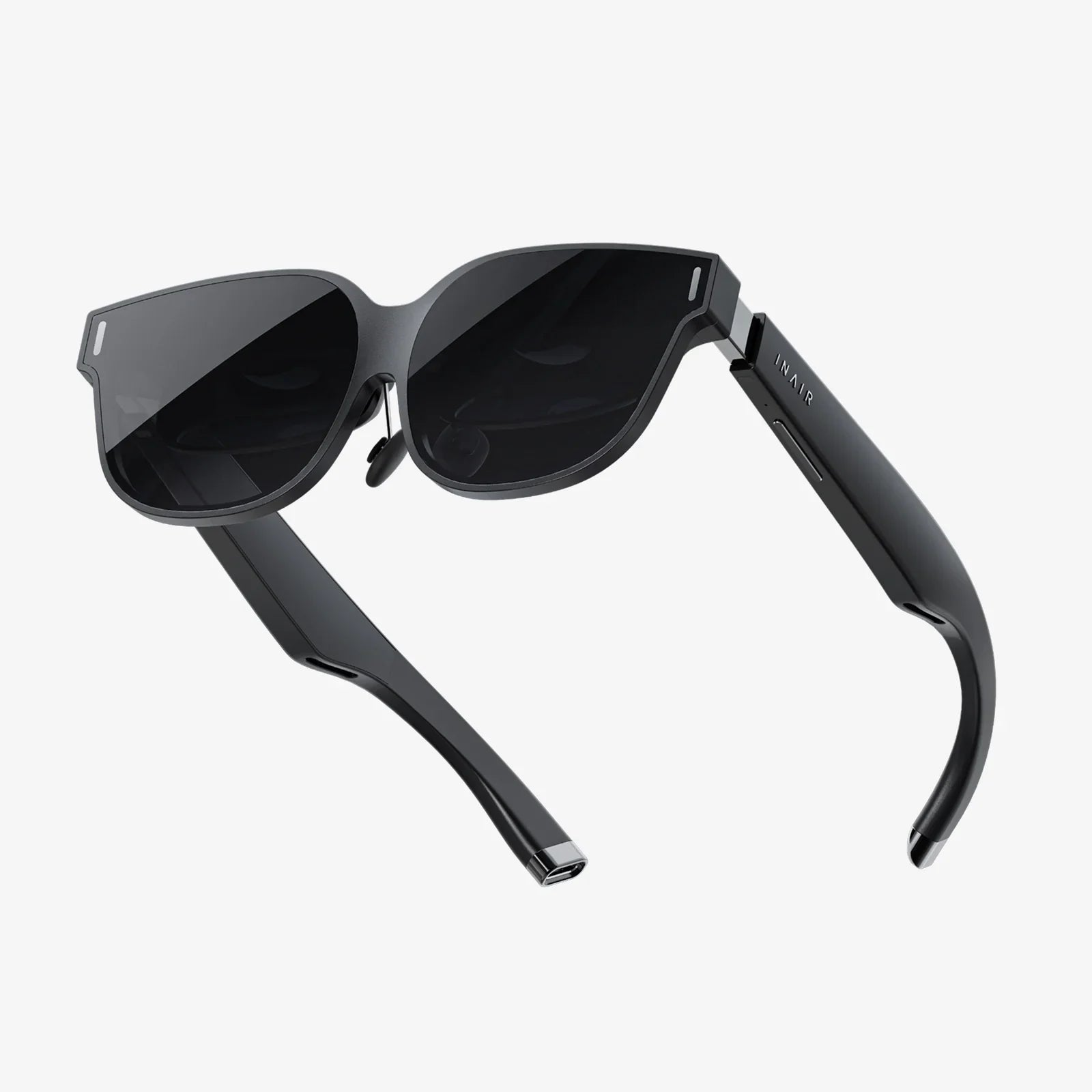
As technology evolves, so too will the names we give it. The next frontier for VR and AR is increasingly focused on glasses-like form factors—normalized, wearable technology that aims for social acceptance rather than immersive isolation. The names for these emerging devices are already hinting at this shift.
We are seeing a move away from the term "headset" altogether in favor of "glasses" or some new, yet-to-be-coined term. The names are becoming simpler, more elegant, and more evocative of vision and clarity. They might use words that suggest a layer of digital information seamlessly added to your real world. The aggressive, technical, or gaming-associated names of the past may give way to softer, more integrated brand names that prioritize fashion and everyday use.
Furthermore, as the concept of the "metaverse" develops, device names may begin to reflect interoperability and ecosystem lock-in. A name might not just describe the hardware but also its primary gateway to a specific digital world or social platform. The name could become less about the physical specs and more about the experiential and social promise of the device, signaling which walled garden—or open park—it provides the key to.
Ultimately, a VR headset's name is its first and most lasting impression. It's a capsule containing a company's ambition, its target audience, and its technological ethos. From the mythic and revolutionary to the sleek and professional, these names map the industry's journey from a wild frontier of experimentation to a maturing landscape of distinct product categories and clear consumer choices. The next time you see a new VR headset announced, don't just look at the specs—listen to its name. It's telling you a story about where it came from and, more importantly, where it believes it's going. The name is the key that unlocks not just the product, but the entire philosophy behind the reality it aims to create.
Share:
Man Wearing VR Headset: The Unseen Revolution Reshaping Our Reality
Germany Extended Reality Market: A Deep Dive into Innovation and Industrial Transformation