


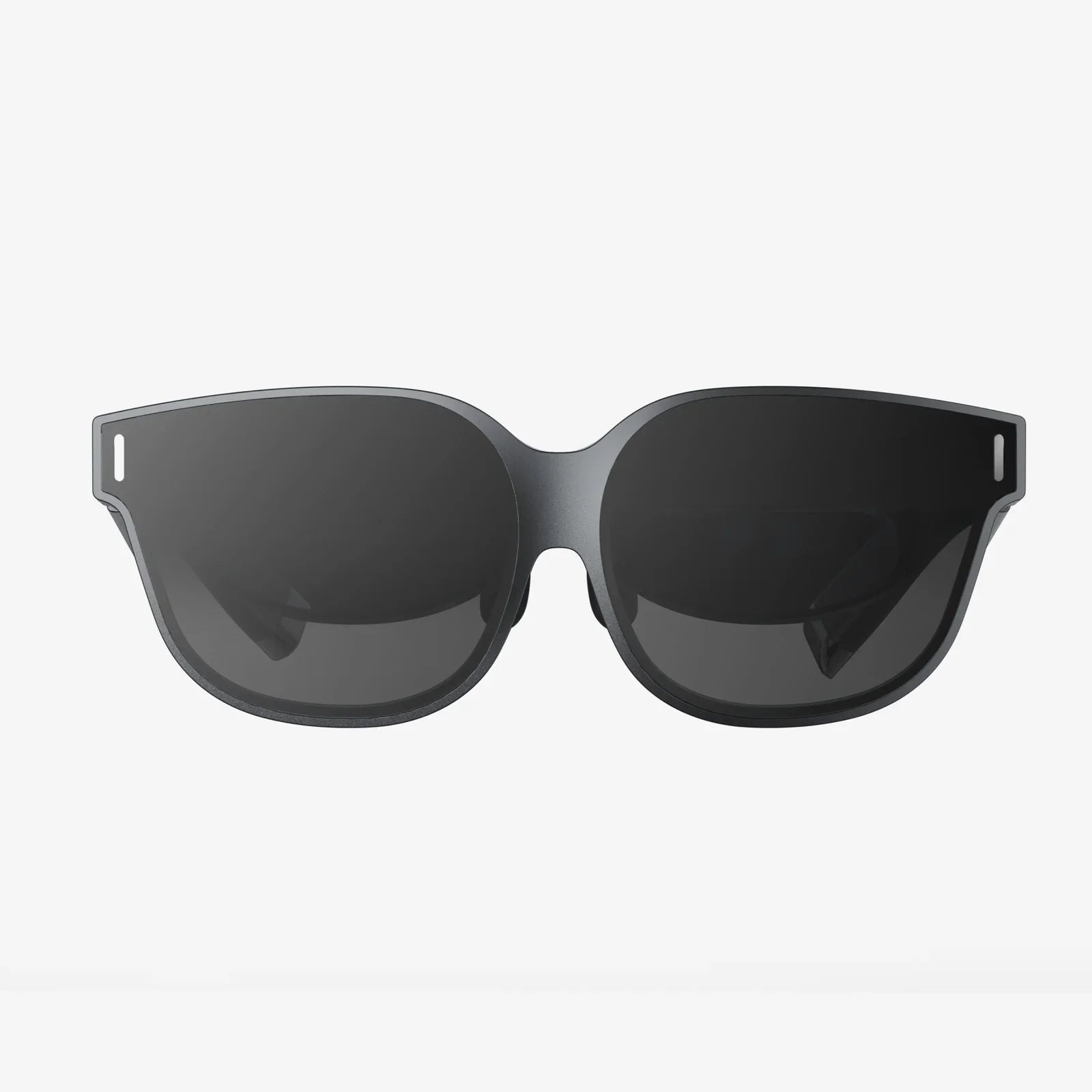
Imagine slipping on a device and instantly stepping into a new reality—your living room transforms into a deep-space observatory, a master sculptor's studio, or a front-row seat at a concert happening across the globe. This is the promise of 2025's virtual reality landscape, a thrilling and rapidly evolving frontier that beckons with unparalleled immersion. But with so many incredible options now available, choosing the right portal to these digital dimensions can feel overwhelming. Fear not, for this definitive guide is your trusted map to the best VR headset recommendations for 2025, cutting through the hype to help you find the perfect device for your dreams.
The VR market has matured dramatically, moving beyond a one-size-fits-all approach to cater to a diverse spectrum of users. The cutting edge is no longer defined by a single metric, like raw resolution, but by a harmonious blend of display technology, processing power, ergonomics, and ecosystem. This year, we see a clear stratification between incredible standalone devices that offer complete freedom, powerful PC-connected beasts that deliver the absolute pinnacle of fidelity, and a growing niche of ultra-high-end professional systems. Understanding your primary use case—be it gaming, fitness, social connection, or creative work—is the first and most crucial step in your decision-making journey.
The Core Technologies Defining 2025's VR Experience
To make an informed choice, you need to speak the language of modern VR. Here are the key technological differentiators that separate the good from the truly groundbreaking in this generation of hardware.
Pancake Lenses: A Revolution in Clarity and Comfort
Once a premium feature, pancake lenses have become the new standard for high-quality headsets in 2025. Unlike the older Fresnel lenses, which were bulky and prone to god rays and glare, pancake lenses use a compact, folded optics design. This allows for a significantly slimmer and lighter headset profile, moving weight away from your face and improving comfort during long sessions. More importantly, they provide a much larger "sweet spot," meaning the image remains clear and sharp even if the headset shifts slightly on your head. The visual clarity and edge-to-edge sharpness offered by modern pancake optics are arguably the single biggest leap in consumer VR comfort and quality.
Resolution and PPD: Beyond the Megapixel Race
While manufacturers love to tout high "per-eye" resolutions, a more meaningful metric is Pixels Per Degree (PPD). PPD measures how many pixels are packed into each degree of your field of view; a higher PPD directly translates to a sharper, more lifelike image where the dreaded "screen door effect" is eliminated. In 2025, leading headsets are pushing well past 25 PPD, delivering stunning clarity that makes reading text, admiring distant landscapes, and perceiving fine details not just possible, but effortless. This focus on visual fidelity is crucial for productivity applications and for achieving true immersion.
Inside-Out Tracking: The Untethered Standard
The days of setting up external base stations around your room are over for the vast majority of users. Inside-Out Tracking, where cameras on the headset itself monitor your controllers and the environment, has been perfected. The latest systems use a combination of wide-field-of-view cameras, advanced algorithms, and often depth sensors to create a highly accurate and robust understanding of your play space. This means quicker setup, incredible portability, and reliable tracking that works in almost any environment. For mixed reality applications, which blend the real world with the virtual, these high-fidelity cameras are absolutely essential.
Eye-Tracking and Foveated Rendering: The Performance Multiplier
Once a exotic, high-end feature, eye-tracking is now a critical component in many 2025 headsets. This technology does two revolutionary things. First, it enables intuitive social interaction in virtual spaces—your avatar's eyes can naturally look at who it's speaking to. Second, and more importantly, it unlocks Dynamic Foveated Rendering. Our eyes only see high detail in a very small central area (the fovea). Eye-tracking allows the headset to know exactly where you are looking and then renders only that small area at full resolution, while intelligently reducing the rendering load on your peripheral vision. This massive reduction in processing demand allows for vastly improved graphics, higher frame rates, and more complex virtual worlds without requiring a correspondingly monstrous increase in computing power.
Haptics and Ergonomics: Feeling the Virtual
Immersion isn't just visual and auditory. The best VR experiences engage your sense of touch. Advanced haptic feedback in controllers is now commonplace, providing nuanced vibrations that can simulate the recoil of a weapon, the pluck of a guitar string, or the texture of a virtual object. We're also seeing innovation in headset haptics, with subtle rumble modules that can amplify the roar of an engine or the impact of a punch. Furthermore, ergonomics have taken center stage. Modular facial interfaces, adjustable top straps, and better weight distribution are all focused on one goal: making the technology disappear so you can forget you're wearing a device and simply exist in the experience.
Matching a Headset to Your Virtual Life
With the technological landscape mapped, the next step is to find the headset that aligns with how you plan to use it. We've categorized the top recommendations for 2025 based on primary user profiles.
The Standalone All-Rounder: For Gaming, Fitness, and Socializing
This category represents the heart of the VR market—wireless, self-contained headsets that require no external PC or console. They are the ultimate convenience kings, perfect for anyone who values ease of use, portability, and access to a vast library of curated content.
Ideal User: The everyday adventurer, the fitness enthusiast, the social butterfly, and families. If you want to play popular games, join a VR fitness class, watch immersive movies, or hang out with friends in virtual spaces with zero setup friction, this is your category.
Key Features to Look For: A high-resolution display with pancake lenses, a powerful onboard processor that can handle graphically intensive games, a long-lasting battery (often with optional external battery packs), and a robust, content-rich ecosystem. Advanced inside-out tracking and a good passthrough MR mode are now expected standards.
2025's Standout Choice: The top contender in this space remains the one that offers the best balance of performance, software library, and social integration. Its ecosystem is unparalleled, offering exclusive titles and a seamless experience that keeps users engaged. With continued refinements in comfort and a processor capable of pushing the boundaries of standalone VR, it sets the benchmark that all others are measured against.
The PC VR Powerhouse: For Uncompromised Fidelity and Simulators
For those who demand the absolute highest fidelity, the lowest latency, and the most graphically demanding experiences, the PC-connected headset remains the undisputed champion. These devices act as a high-resolution window into the raw power of a gaming computer, delivering visuals and performance that standalone systems cannot yet match.
Ideal User: The hardcore gamer, the flight and racing simulator enthusiast, and the VR developer. If your priority is crystal-clear imagery, buttery-smooth frame rates in the most demanding titles, and access to modded and niche PC VR content, you belong here.
Key Features to Look For: The highest possible resolution and PPD, a wide field of view to enhance peripheral immersion, support for high refresh rates (120Hz+), and premium comfort features for long play sessions. Many high-end PC VR headsets also feature built-in eye-tracking for foveated rendering and optional inside-out or external lighthouse tracking for ultimate precision.
2025's Standout Choice: The leading device in this category is a marvel of engineering, often boasting dual 4K+ mini-LED displays, an exceptionally wide field of view, and exquisite comfort. It's designed from the ground up to be the ultimate peripheral for a high-end gaming PC, leveraging eye-tracking to maximize performance and deliver a visual experience that is quite simply, breathtaking. It represents the peak of consumer VR technology in 2025.
The Professional and Enterprise Workstation: For Design and Collaboration
Beyond entertainment, VR has become an indispensable tool in architecture, engineering, design, and corporate training. Headsets in this category are built for precision, collaboration, and all-day comfort, with a focus on enterprise-grade software and support.
Ideal User: Architects visualizing new buildings, engineers prototyping mechanical designs, medical professionals training for procedures, and remote teams collaborating in shared 3D spaces.
Key Features to Look For: Ultra-high resolution displays are non-negotiable for examining fine details. Accurate and robust inside-out tracking is essential for manipulating 3D models. Advanced eye and face tracking create expressive and natural avatars for meetings. Enterprise-grade security, manageability features, and dedicated professional software support are critical differentiators from consumer gear.
2025's Standout Choice: The premier enterprise headset is more of a spatial computing platform than a gaming device. It excels in mixed reality, allowing digital models to be perfectly anchored in physical space. With stunning clarity, precise hand-tracking that eliminates the need for controllers in many workflows, and a suite of professional applications, it is the tool of choice for those using VR to create, design, and innovate.
Future-Proofing Your Purchase and Final Considerations
VR technology continues to advance at a rapid pace, but a headset purchased in 2025 can still offer years of incredible experiences. To future-proof your investment, prioritize a headset with a strong and active ecosystem. A healthy content library with regular new releases is more important than any single hardware spec. Consider the ergonomics and accessory ecosystem—can you upgrade the comfort or battery life later? Finally, think about the roadmap of the company behind the headset. Are they committed to long-term support and software updates?
Remember, the best VR headset is not the one with the longest spec sheet, but the one that you will use regularly and that brings you the most joy. It's the gateway to experiences that were once the stuff of science fiction. Whether you're scaling mountains, creating art, or simply watching a movie on a virtual IMAX screen, the right headset can redefine your relationship with technology and entertainment.
The virtual realms of 2025 are richer, more vivid, and more accessible than ever before, waiting for you to take the first step. Your perfect headset is out there, a sleek conduit to adventures limited only by your imagination—dive in, the future is waiting to be played.
Share:
Most Sold VR Headset: The Unseen Revolution Reshaping Our Digital World
Most Sold VR Headset: The Unseen Revolution Reshaping Our Digital World