


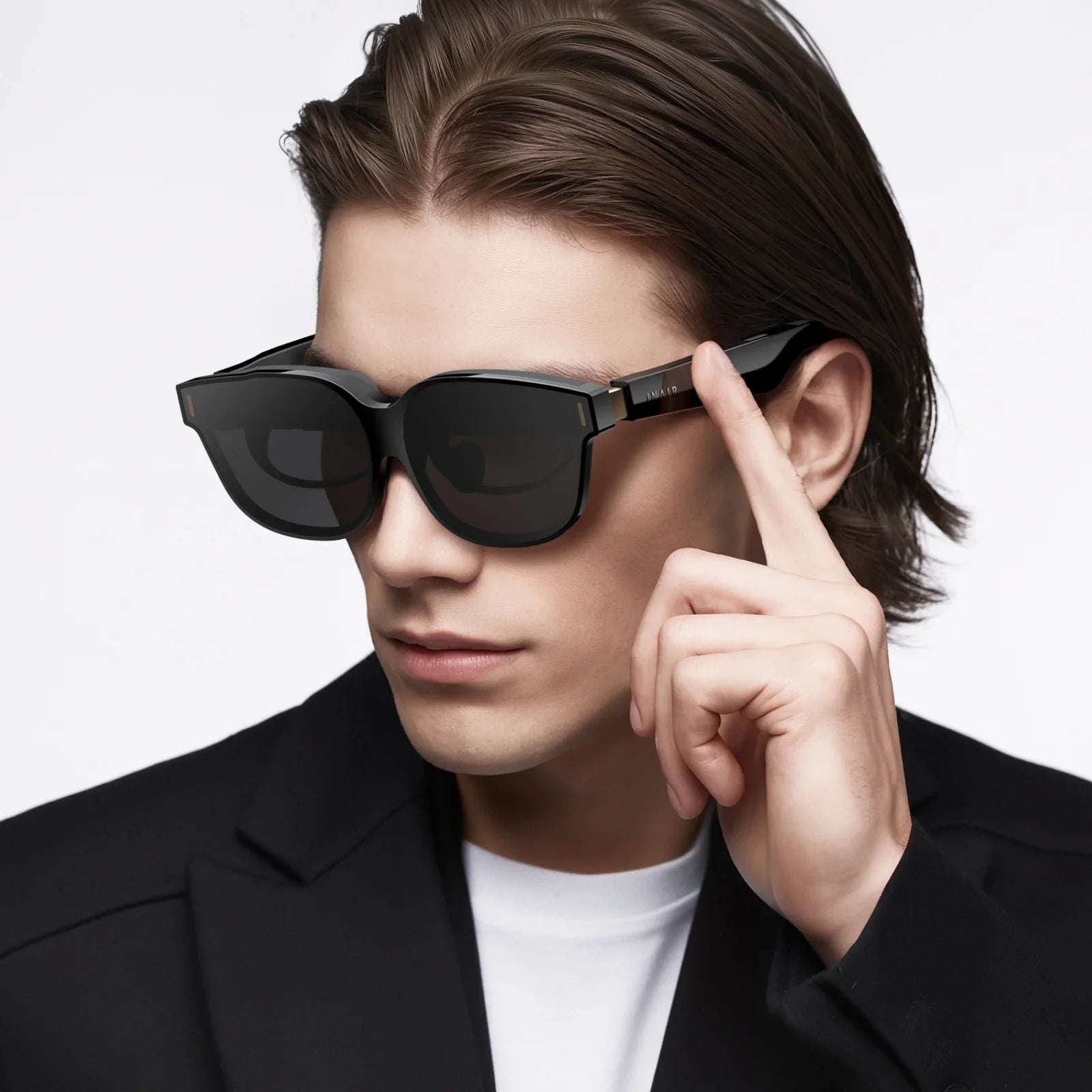
You’ve just experienced it: the breathtaking plunge into a virtual canyon, the awe of standing on a digital Mars, or the simple joy of a 360-degree video. But as the headset comes off, a slight blurriness or a nagging question remains—is this incredible technology safe for my eyes? The allure of virtual worlds is undeniable, yet the paramount concern for any user, especially parents, is the long-term impact on our most precious sensory organ. This isn't just about avoiding discomfort; it's about understanding the sophisticated engineering and biological principles that make modern immersive technology a viable, and increasingly safe, window to new realities. The journey from pixelated novelty to a visually comfortable platform is one of the most critical evolutions in the industry.
The Core Concern: Vergence-Accommodation Conflict
To understand how a VR headset can be made safe for the eyes, we must first grapple with the primary visual challenge it presents: the Vergence-Accommodation Conflict (VAC). This is the fundamental hurdle that early VR technology faced and that modern engineers have worked tirelessly to solve.
In the real world, our eyes perform a delicate, synchronized dance. Vergence is the movement of our eyes inward or outward to point at the same object. When an object is close, our eyes cross slightly; when it's far away, they become parallel. Accommodation is the change in the focus of the lens inside each eye. To see a near object clearly, our eye muscles contract to thicken the lens; for distant objects, they relax to flatten it. In natural vision, these two processes are perfectly linked—your eyes converge and focus at the same distance.
A traditional VR headset breaks this innate link. The screens are physically fixed mere inches from your eyes. Your eyes must accommodate, or focus, on these close-up screens. However, the stereoscopic 3D imagery tricks your brain into perceiving objects at various depths—a virtual character might appear ten feet away. Your eyes must verge to that perceived distance while still physically focused on the fixed screen. This mismatch between where the eyes point and where they focus forces the visual system into an unnatural state, which can cause eye strain, headaches, and visual fatigue, especially during prolonged use.
Engineering Solutions for Visual Comfort
Recognizing VAC as the main source of discomfort, developers have integrated several key technologies to mitigate its effects and create a VR headset safe for eyes.
High-Resolution Displays and Pixel Density
The era of the glaring, pixelated screen-door effect is largely over. Modern headsets boast high-resolution displays with incredibly high pixel-per-degree (PPD) density. A higher PPD means sharper images and smoother edges, reducing the effort required for your eyes to resolve shapes and text. This clarity minimizes the strain of trying to focus on a blurry image, allowing for more comfortable and extended viewing sessions. It’s the difference between squinting at a low-resolution image and gazing comfortably at a high-definition one.
Advanced Optical Systems: Pancake Lenses
The shift from traditional Fresnel lenses to Pancake optics represents a monumental leap forward. Fresnel lenses were bulky and caused issues like god rays and glare, which could be harsh on the eyes. Pancake lenses use a complex polarization-folding design to create a much longer optical path in a significantly slimmer physical package. This allows for:
- Improved Sharpness and Clarity: A larger "sweet spot" where the image remains in focus, reducing the need to constantly readjust the headset.
- Reduced Glare and Optical Artifacts: By minimizing internal reflections, these lenses provide a cleaner, more comfortable image that doesn't force the eye to struggle with visual noise.
Eye-Tracking and Dynamic Focus (VAC Mitigation)
This is the cutting edge of creating a truly eye-safe VR experience. Headsets equipped with high-speed, infrared eye-tracking cameras can precisely measure where a user is looking in the virtual space. This data can then be used to drive two revolutionary features:
- Foveated Rendering: The human eye only sees in high detail in the very center of its vision (the fovea). Eye-tracking allows the system to render the area you're directly looking at in full resolution, while intelligently reducing the rendering load on the peripheral vision. This not only boosts performance but also creates a more natural visual experience that aligns with human biology.
- Varifocal and Depth-of-Field Effects: The holy grail for solving VAC. By knowing exactly where your eyes are converging, the system can physically or digitally adjust the focal plane of the image. If you look at a virtual object up close, the lenses can dynamically adjust to bring that focal plane closer, matching your accommodation to your vergence. This effectively tricks the eye into behaving more naturally, dramatically reducing strain.
Adjustable Hardware Features
Safety begins with a proper fit. Key adjustable features include:
- Interpupillary Distance (IPD) Adjustment: Physical or software-based sliders that allow users to match the distance between the headset's lenses to the distance between their own pupils. Correct IPD alignment is crucial for maintaining stereoscopic 3D vision and avoiding double images or strain.
- Diopter Adjustment: Some headsets now offer built-in diopter wheels, similar to binoculars, allowing users with mild near- or farsightedness to use the headset comfortably without needing to wear their glasses, which may not fit well inside the headset and can cause additional distortions.
User Best Practices: Your Role in Safe VR Use
Technology can only do so much; responsible usage is the other half of the equation. Adopting healthy habits is essential for ensuring your VR headset remains safe for your eyes.
The 20-20-20 Rule is Your Best Friend
Adopted from standard digital eye strain advice, this rule is especially important in VR. For every 20 minutes of use, take a 20-second break and look at something at least 20 feet away. This forces your eyes to change their focal and vergence distance, giving the muscles a chance to relax and reset, breaking the cycle of strain caused by VAC.
Calibrate and Configure Meticulously
Never skip the initial setup process. Take the time to correctly measure and set your IPD. Adjust the headset's strap so the image is clear and the headset is comfortable without being overly tight. A poorly fitted headset is a direct path to discomfort.
Limit Session Lengths, Especially for Children
While research is ongoing, most manufacturers provide age guidelines and recommend limiting continuous use for younger users. Their visual systems are still developing, making breaks even more critical. Encourage shorter, more focused play sessions rather than marathon immersions.
Optimize Your Virtual Environment
Use in-game comfort settings whenever available. Many applications offer options to reduce artificial movement, provide static visual reference points (like a cockpit in a flight sim), or adjust brightness levels to suit your personal comfort.
Addressing Common Myths and Concerns
Myth: VR Will Permanently Damage Your Eyesight
There is no scientific evidence to suggest that using a properly configured modern VR headset causes permanent damage to adult eyes. The discomfort experienced is typically temporary eye strain or fatigue, similar to what one might feel after a long day working on a computer. The effects of VAC are uncomfortable but not destructive.
Myth: VR Is Inherently Bad for Children's Eyes
This is a area of cautious optimism. The primary concern for children is their still-developing visual system. However, with strict time limits, parental supervision, and proper headset fit, many experts believe the risks can be well-managed. Some research is even exploring the use of VR for vision therapy to treat conditions like amblyopia (lazy eye). The key, as with all technology, is moderation and supervision.
Concern: Blue Light Exposure
VR displays, like all digital screens, emit blue light. While overexposure to blue light before bed can disrupt sleep patterns, the amount emitted by VR headsets is not significantly different from that of a tablet or computer monitor. The closer proximity is offset by the fact that the screens are not directly illuminating the entire retina in the same way. Using the headset in a well-lit room and avoiding use right before bedtime are good practices to mitigate any potential effects.
The Future of Visual Comfort in VR
The trajectory of VR technology is pointed firmly towards greater visual fidelity and comfort. We are moving towards displays with such high resolution that they will be indistinguishable from real-life visual acuity. Lightfield technology, which aims to replicate the way light behaves in the real world, promises to entirely eliminate the Vergence-Accommodation Conflict by allowing the eyes to focus naturally at different depths. As these technologies mature, the very question of whether a VR headset is safe for eyes will likely become obsolete, as the experience will be designed from the ground up to be perfectly aligned with human vision.
The shimmering promise of the metaverse no longer has to be a blurry one. Armed with a deeper understanding of the science of sight and the engineering marvels that counteract potential strain, you can confidently step into virtual worlds. By choosing a headset built with advanced optics and committing to mindful usage habits, you transform a cutting-edge gadget into a sustainable portal for exploration, creativity, and connection. The future of VR is not just brighter; it’s clearer, sharper, and designed for the long-term health of your vision, inviting you to look further than ever before.
Share:
Smart Goggles for Men: The Ultimate Fusion of Vision, Tech, and Style
VR Headset: Is It Worth It? The Ultimate Guide to Virtual Reality in Your Home