


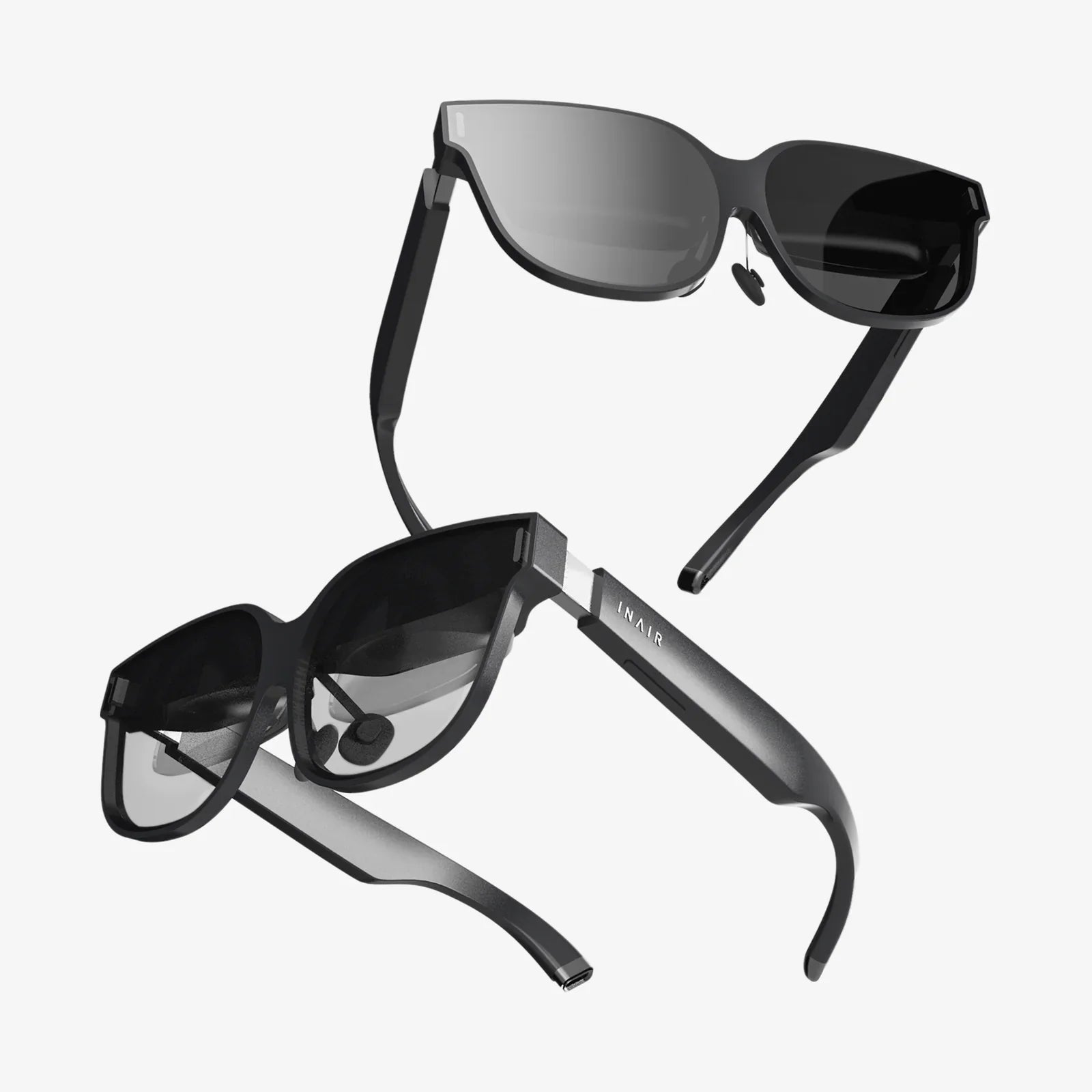
Imagine stepping into a world limited only by the imagination, where the digital and physical seamlessly blend, and every interaction feels instinctive. This isn't just a dream of advanced headsets; it's the silent promise of the software at its core, the unsung hero making it all possible. The gateway to these boundless experiences isn't a piece of hardware you hold, but an environment you inhabit, all orchestrated by a sophisticated and often overlooked foundation.
The Bedrock of Immersion: Defining the Virtual Reality Operating System
At its essence, a Virtual Reality Operating System (VR OS) is the fundamental software platform that manages a headset's hardware and software resources, providing the essential services and frameworks needed to create and run immersive applications. Think of it as the central nervous system of a virtual reality ecosystem. While a traditional operating system manages a flat, two-dimensional desktop, a VR OS is tasked with a far more complex job: orchestrating a 360-degree, three-dimensional, and interactive universe.
Its primary mission is to create and maintain the critical illusion of presence—the undeniable sensation of being somewhere else. This goes far beyond simply displaying images. A robust VR OS must perform a symphony of tasks with flawless timing and precision, handling everything from ultra-low-latency sensor fusion and spatial audio rendering to sophisticated environment tracking and intuitive user interface management. It is the invisible hand that guides the user, empowers the developer, and unlocks the full potential of the hardware, transforming silicon and sensors into portals to new realities.
Beyond the Flat Screen: Core Functions of a Modern VR OS
The responsibilities of a VR OS extend far beyond those of its traditional counterparts. It operates in a realm where milliseconds matter and user comfort is paramount. Its architecture is built around several core pillars that define the quality of the virtual experience.
Precise Spatial Mapping and Environmental Understanding
One of the most critical functions is understanding the physical world to safely and effectively overlay the digital one. Advanced VR OS platforms employ a combination of inside-out tracking cameras, LiDAR, infrared sensors, and inertial measurement units (IMUs) to create a real-time, three-dimensional map of the user's surroundings. This isn't just about avoiding walls; it's about recognizing desks, chairs, and other objects, allowing for persistent digital content that interacts meaningfully with the real environment. This capability is the foundation for mixed reality and passthrough experiences, blurring the lines between worlds.
Unwavering Low-Latency Performance
In virtual reality, latency is the enemy of immersion. The dreaded phenomenon of simulator sickness is directly linked to a lag between a user's physical movement and the visual response on the display. A high-performance VR OS is engineered from the ground up to minimize this delay. It prioritizes processes ruthlessly, ensuring that tracking data is processed and rendered to the display in a timeframe often under 20 milliseconds. This requires deep optimization at the kernel level, direct access to hardware resources, and predictive algorithms that anticipate motion to stay one step ahead.
Intuitive and Immersive User Interaction
How does one navigate a menu when there is no mouse or keyboard? The VR OS must invent new paradigms for interaction. This involves rendering system-level user interfaces in three-dimensional space—often referred to as "shells" or "dashboards"—that are manipulated using hand-tracking controllers, eye-tracking, or even voice commands. These interfaces must feel natural and responsive, adhering to ergonomic principles for virtual spaces and reducing cognitive load so the user remains focused on the experience, not the tool.
Robust Resource and Application Management
Just like a desktop OS, a VR OS must juggle multiple applications, system services, and background tasks. However, it must do so while guaranteeing a consistent frame rate, often 90Hz or higher, to maintain visual smoothness. Sophisticated resource management is key, dynamically allocating CPU, GPU, and memory to ensure the foreground experience remains buttery smooth, even if background downloads or social notifications are occurring. It also provides a secure sandboxed environment for applications to run, protecting the system's integrity.
The Architectural Divide: Monolithic, Modular, and Hybrid Designs
Not all VR operating systems are built the same. The industry is currently experimenting with different architectural approaches, each with its own advantages and trade-offs, shaping the philosophy of the virtual platforms they power.
The Monolithic Integrated Model
This approach involves a tightly integrated stack where the VR OS, the hardware drivers, the application runtime, and the core system services are all developed in unison by a single entity. The primary advantage of this model is exceptional optimization. By controlling the entire pipeline from the silicon to the user interface, developers can squeeze every ounce of performance out of the hardware, achieving the lowest possible latency and the highest visual fidelity. This deep integration allows for unique, hardware-specific features that can be difficult to replicate on a more open platform. The trade-off, however, is often a more closed ecosystem with stricter control over software distribution and hardware compatibility.
The Modular and Open Framework
In contrast, a modular VR OS is designed to function more like a traditional operating system, potentially running on hardware from multiple manufacturers. It provides a standardized set of APIs and services that application developers can target, promising a degree of hardware agnosticism. This model fosters a broader, more open ecosystem, encouraging wider adoption and innovation across the industry. It allows users more choice in their hardware. The challenge lies in achieving the same level of fine-tuned performance and seamless integration as a monolithic system, as the OS cannot be perfectly optimized for every possible hardware configuration.
The Hybrid Approach
Many modern platforms are adopting a hybrid strategy. They maintain a highly optimized core for critical functions like compositing, tracking, and display management—areas where performance is non-negotiable. However, they layer more open, standardized APIs on top of this core for application development, social features, and cloud services. This attempts to offer the best of both worlds: rock-solid performance for the base experience with the flexibility and breadth of an open ecosystem for software and services.
The Developer's Canvas: SDKs, APIs, and the Tools for Creation
A VR OS is meaningless without a rich library of applications and experiences. Its success is directly tied to its ability to attract and empower developers. This is achieved through Software Development Kits (SDKs) and Application Programming Interfaces (APIs) that abstract the immense complexity of the underlying system.
A comprehensive SDK provides the tools, libraries, and documentation needed to build for the platform. This includes engines for physics simulation, spatial audio, and hand-tracking data. Key APIs often cover:
- Tracking APIs: Providing access to headset, controller, and hand pose data.
- Spatial Anchor APIs: Allowing developers to pin digital objects to specific locations in the real world, making them persistent across sessions.
- Compositor API: The critical interface that hands the final rendered frames to the VR OS for display, ensuring proper timing and distortion correction.
- Social API: Enabling features like avatars, shared virtual spaces, and cross-platform presence.
The power and accessibility of these tools directly influence the rate of innovation and the diversity of content available on the platform, making the developer environment a core component of the VR OS itself.
Forging the Metaverse: The VR OS as the Interoperability Layer
The concept of a persistent, interconnected network of virtual spaces—often called the metaverse—places new and immense demands on the VR OS. It can no longer be an isolated platform running solitary applications. It must evolve into a connective layer that enables seamless interoperability.
The future VR OS will need to function as a client for cloud-streamed experiences, reducing the local hardware requirements. It will need to manage a user's universal identity, digital assets, and social graph across different applications and worlds. It will be responsible for standardizing protocols for avatar systems, object persistence, and virtual economy, allowing a digital item purchased in one experience to be used in another. This transforms the VR OS from a device manager into a gateway to a broader digital continent, making the dream of a unified metaverse technically feasible.
Challenges on the Horizon: Security, Privacy, and Accessibility
As these platforms become more powerful and central to our digital lives, they also inherit significant challenges. The always-on sensors—cameras and microphones—that map our living rooms raise profound privacy questions. A VR OS must be architected with privacy-first principles, giving users transparent control over their data and ensuring sensitive environmental information is processed securely, often on-device rather than in the cloud.
Security is another major concern. A compromised VR OS could lead to entirely new forms of harassment and intrusion in immersive spaces. Furthermore, the industry must grapple with accessibility, ensuring that these new interfaces can be used by people with a wide range of physical abilities, avoiding the creation of a new digital divide.
The Invisible Horizon: What the Future Holds
The evolution of the VR OS is moving towards greater transparency and integration. We are heading towards systems with advanced contextual awareness that understand user intent, using AI to predict actions and streamline workflows. We will see the rise of cross-platform frameworks that allow a VR OS to function across AR glasses, VR headsets, and even traditional screens, providing a consistent user experience. The ultimate goal is for the technology to fade away entirely, leaving only the experience—a goal that can only be achieved through a smarter, more capable, and more intuitive operating system.
This hidden layer of software is the true differentiator in the race for virtual reality. While hardware specs capture headlines, it is the elegance, efficiency, and vision of the VR OS that ultimately determines whether we are merely using a device or truly visiting another world. The next time you don a headset, take a moment to appreciate the immense complexity of the digital maestro working behind the scenes, tirelessly orchestrating every element to craft your reality.
Share:
New AI Devices Are Redefining Our Daily Lives and Challenging Our Future
First Android XR Headset: The Dawn of a New Open Ecosystem