


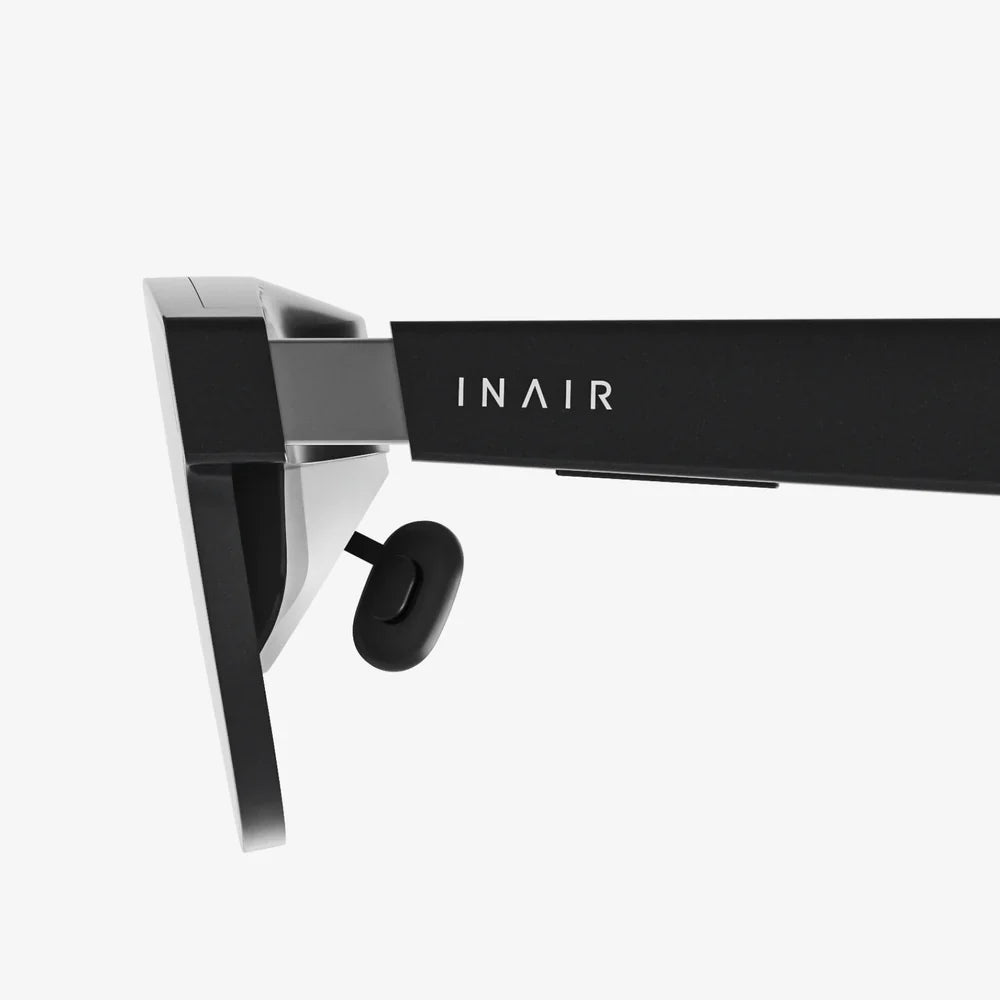
vr smart glasses are quietly becoming the next big leap in personal technology, promising to turn everything you see into a dynamic, interactive canvas. From immersive workspaces that float in mid-air to fitness coaching that literally appears in front of your eyes, these devices are moving far beyond gaming. If you have ever wondered when science fiction-style eyewear would finally arrive, the answer is: it is already here, and it is evolving faster than most people realize.
At their core, vr smart glasses blend visual immersion with real-time computing. They sit on your face like regular glasses or a compact headset, but instead of just correcting your vision, they augment it. Screens, sensors, and intelligent software work together to generate virtual environments, 3D objects, and interactive interfaces that respond to your head movements, gaze, and gestures. To understand where this technology is heading, it helps to break down how it works, what it can do today, and how it may reshape everyday life in the years ahead.
What Are vr smart glasses?
vr smart glasses are wearable devices that combine visual displays, sensors, and onboard computing to create immersive virtual experiences. Unlike traditional monitors or handheld devices, they place digital content directly in your field of view. In many designs, the glasses fully or partially block the real world, replacing it with a virtual environment that you can explore by moving your head and body.
These glasses typically include the following core elements:
- Displays: Small high-resolution screens or microdisplays positioned near the eyes, often using lenses to focus and expand the image.
- Lenses and optics: Specialized optics that magnify the display and adjust it to match the user’s vision and field of view.
- Sensors: Gyroscopes, accelerometers, and sometimes external trackers that detect head orientation and movement.
- Computing hardware: Onboard processors or a connected device that renders 3D graphics, tracks motion, and runs applications.
- Audio: Built-in speakers or earbuds that provide spatial sound and voice feedback.
- Input methods: Controllers, hand tracking, voice commands, or even eye tracking to interact with virtual content.
The goal is to make the digital world feel as natural and responsive as the physical one. When done well, vr smart glasses can trick your brain into believing that virtual environments are real enough to walk through, touch, and remember as if they were physical places.
How vr smart glasses Work Behind The Scenes
While the hardware may look sleek and minimal, the technology inside vr smart glasses is complex. Several components must work together in real time to create a convincing sense of presence.
Display And Optics
The displays in vr smart glasses need to be bright, sharp, and close to the eyes without causing strain. To achieve this, manufacturers use compact displays paired with lenses that bend and magnify the image. This creates a wide field of view, making the virtual world feel expansive rather than like a small screen floating in front of you.
Some devices use separate displays for each eye, allowing for stereoscopic 3D. By rendering slightly different images for the left and right eyes, the brain perceives depth, making virtual objects appear closer or farther away.
Motion Tracking
Motion tracking is what makes vr smart glasses feel responsive. Sensors track how your head moves and update the image accordingly. Turn your head to the right, and your view of the virtual environment shifts to match that movement. This constant updating must happen with minimal delay, or you may feel disoriented or nauseated.
More advanced systems use inside-out tracking, where cameras on the glasses scan the surrounding space to track your position in a room. This enables room-scale experiences, letting you walk around a virtual environment instead of just rotating in place.
Rendering And Performance
To maintain immersion, vr smart glasses must render graphics at high frame rates with low latency. Smooth motion reduces motion sickness and makes interactions feel natural. This demands efficient hardware and software optimization, especially for standalone devices that run on battery power.
Many applications use techniques such as foveated rendering, where the highest detail is rendered only where the user is looking. This reduces processing demands while preserving perceived visual quality.
User Interaction
Interacting with virtual environments is a key part of the experience. vr smart glasses can use a variety of input methods, including:
- Handheld controllers with buttons, triggers, and motion tracking.
- Hand tracking, where cameras detect and interpret your finger and hand movements.
- Voice commands to launch apps, control settings, or interact with virtual assistants.
- Eye tracking to select objects or navigate menus simply by looking at them.
The most effective systems combine several of these methods, letting users choose what feels most natural for each task.
Key Features To Look For In vr smart glasses
Not all vr smart glasses are created equal. When comparing devices or imagining what you might want in a future pair, several features stand out as especially important.
Comfort And Ergonomics
Even the most advanced features will not matter if the glasses are uncomfortable to wear. Weight distribution, padding, strap design, and ventilation all affect how long you can use them without fatigue. Devices that are front-heavy or press too tightly on the face can be distracting and unpleasant.
Adjustable straps, interchangeable cushions, and options for different head sizes help make vr smart glasses more inclusive. Some designs also accommodate prescription lenses, which is essential for users with vision correction needs.
Visual Quality
Visual quality is a combination of resolution, refresh rate, field of view, and lens clarity. Higher resolution reduces the “screen door” effect, where pixels are visible. A higher refresh rate makes motion smoother, while a wide field of view increases immersion.
Lens quality affects sharpness and can reduce distortions or color fringing at the edges of the image. Many devices include software-based distortion correction, but good optics are still crucial.
Tracking Accuracy
Accurate tracking is essential for comfort and realism. Poor tracking can cause lag, jitter, or drift, making objects appear to move unnaturally. Look for systems that support full six degrees of freedom (6DoF) tracking, which captures both rotation and position in 3D space.
Standalone Versus Tethered
Some vr smart glasses are standalone devices with built-in processors and storage. Others rely on a cable connection to a computer or console. Standalone devices offer mobility and convenience, while tethered solutions can harness more powerful hardware for higher-end graphics and complex simulations.
Your choice depends on your priorities: portability and ease of use, or maximum performance for demanding applications.
Battery Life And Connectivity
Battery life determines how long you can use vr smart glasses without interruption. Intensive applications like 3D gaming or simulations can drain power quickly, so efficient hardware and intelligent power management are important.
Connectivity options such as Wi-Fi, Bluetooth, and sometimes wired links support streaming content, syncing data, or connecting peripherals. Low-latency wireless streaming can even allow high-end graphics from a separate device while keeping the glasses untethered.
Everyday Uses Of vr smart glasses
vr smart glasses are often associated with gaming, but their potential extends far beyond entertainment. As the technology matures, it is increasingly being used in work, education, healthcare, and daily life.
Immersive Entertainment And Gaming
Gaming remains one of the most compelling use cases. vr smart glasses can transport players into fully realized virtual worlds where they can look around naturally, interact with objects, and experience stories from a first-person perspective. Genres such as simulation, adventure, and fitness games particularly benefit from immersion.
Beyond traditional games, users can enjoy virtual cinemas, concerts, and interactive performances. Instead of watching a flat screen, you can sit in a virtual theater, stand in the crowd at a digital festival, or move through an interactive narrative as if you were part of it.
Remote Work And Virtual Collaboration
As remote work becomes more common, vr smart glasses offer new ways to collaborate. Virtual meeting rooms can host lifelike avatars, shared 3D models, and interactive whiteboards. Colleagues from around the world can gather in the same virtual space, walk around a prototype, or brainstorm ideas as if they were in the same physical room.
This immersive approach can reduce video call fatigue and make complex discussions more engaging. For industries such as architecture, engineering, and design, the ability to inspect and manipulate 3D objects at scale is especially valuable.
Education And Training
Education is another area where vr smart glasses are gaining traction. Students can explore historical sites, dissect virtual organisms, or practice language skills in simulated environments. Instead of learning from static images, they can interact with dynamic models and scenarios.
Professional training benefits as well. Pilots, surgeons, technicians, and emergency responders can practice high-risk tasks in safe virtual environments. Mistakes become learning opportunities rather than costly or dangerous errors.
Health, Wellness, And Therapy
vr smart glasses are increasingly used in healthcare and wellness. They can support guided meditation, virtual nature experiences, and immersive workouts that make exercise more engaging. By gamifying fitness and relaxation, these devices can help users build healthier habits.
Therapeutic applications include exposure therapy for phobias, pain distraction during procedures, and rehabilitation exercises that encourage patients to move and interact with virtual objects. The controlled nature of virtual environments allows therapists to adjust intensity and track progress over time.
Creative Work And Design
Artists, designers, and engineers can use vr smart glasses as powerful creative tools. Sculpting in 3D space, painting with virtual brushes, or assembling complex mechanical systems becomes more intuitive when you can move around and interact with your work at full scale.
Instead of relying solely on flat sketches or models, creators can step inside their designs, identify issues early, and iterate more quickly. This can shorten development cycles and improve the final quality of products and experiences.
Benefits Of vr smart glasses For Users
As the capabilities of vr smart glasses expand, they bring several tangible benefits to everyday users.
Deeper Immersion
Immersion is the defining strength of vr smart glasses. By surrounding you with a virtual environment, they can capture your attention more fully than traditional screens. This can make experiences more memorable, engaging, and emotionally impactful.
For learning and training, immersion can improve retention and understanding. For entertainment, it can make stories and games feel more personal and intense.
Spatial Understanding
Many tasks involve understanding spatial relationships: how objects fit together, how spaces flow, or how systems connect. vr smart glasses make it easier to visualize and manipulate 3D structures, which can enhance problem-solving and creativity.
Whether you are planning a room layout, studying anatomy, or analyzing complex data, seeing it in 3D space can reveal insights that might be missed on a flat screen.
Enhanced Focus
By blocking out distractions from the physical environment, vr smart glasses can help users focus on specific tasks. A virtual workspace can be customized with only the tools and information you need, reducing clutter and interruptions.
This focused environment can be particularly useful for deep work, learning, or mindfulness practices where attention is crucial.
Accessibility And Inclusion
vr smart glasses can also support accessibility. For users with mobility challenges, virtual environments can provide experiences that might be difficult or impossible in the physical world. Virtual travel, social gatherings, and educational experiences become more accessible through immersive interfaces.
Customizable interfaces, voice control, and adaptable visuals can further support users with different needs, making digital content more inclusive.
Challenges And Risks Of vr smart glasses
Despite their promise, vr smart glasses come with challenges that users, developers, and policymakers must address. Understanding these issues is critical to adopting the technology responsibly.
Motion Sickness And Physical Discomfort
One of the most common concerns is motion sickness, often caused by a mismatch between visual motion and physical movement. If the virtual environment moves in ways that do not align with your body’s expectations, nausea or dizziness can result.
Improved tracking, higher frame rates, and better design practices can reduce these effects, but some users remain sensitive. Taking regular breaks and adjusting settings can help manage discomfort.
Eye Strain And Fatigue
Extended use of vr smart glasses can lead to eye strain, especially if the device is not properly adjusted. The eyes must focus on a fixed distance while converging on virtual objects at varying depths, which can be tiring over time.
Modern devices often include settings for interpupillary distance, brightness, and text size to reduce strain. Users should also limit continuous sessions and pay attention to their own comfort thresholds.
Privacy And Data Security
vr smart glasses gather a significant amount of data, including head movements, hand gestures, and potentially eye tracking information. Some devices also use cameras and microphones to capture the surrounding environment. This raises important questions about privacy and data security.
Who owns this data? How is it stored, processed, and shared? Clear policies, strong encryption, and transparent user controls are essential to prevent misuse and ensure trust.
Social And Psychological Effects
Immersive technology can blur the boundaries between virtual and physical experiences. While this can be beneficial, it also introduces risks, such as overuse, social isolation, or difficulty balancing virtual and real-world responsibilities.
Healthy usage habits, parental guidance for younger users, and thoughtful content design can mitigate some of these risks. Awareness is key: users should understand how vr experiences affect their mood, behavior, and time management.
Cost And Accessibility Barriers
High-quality vr smart glasses can be expensive, especially when combined with powerful hardware for advanced applications. This can create barriers for individuals, schools, or organizations with limited budgets.
As the technology matures, costs are likely to decrease, but bridging the gap will require conscious efforts to make devices and content more affordable and accessible.
The Future Of vr smart glasses
vr smart glasses are still in a relatively early stage compared to smartphones or laptops, but the trajectory is clear: devices are becoming smaller, more comfortable, and more capable. Several trends are shaping the next generation of this technology.
Lighter, More Stylish Designs
Future vr smart glasses are likely to look more like regular eyewear, with thinner frames and less bulk. Advances in optics, display technology, and battery efficiency will enable more compact designs without sacrificing performance.
As the form factor improves, wearing vr smart glasses in public or for extended periods will feel more natural and socially acceptable.
Blending VR And AR
The boundary between virtual reality and augmented reality is gradually fading. Some devices already support both fully immersive and pass-through modes, where cameras show the real world with digital overlays. This hybrid approach allows users to switch between isolation and integration with their surroundings.
In the future, vr smart glasses may seamlessly transition from a fully virtual workspace to an augmented view of your living room, depending on your needs and context.
Smarter, More Personalized Experiences
As software becomes more intelligent, vr smart glasses will be able to adapt to individual users. Personalized environments, optimized interfaces, and context-aware assistance will make interactions smoother and more intuitive.
For example, your glasses could automatically adjust lighting and layout for reading, switch to a distraction-free mode for focused work, or highlight important information during a meeting.
Deeper Integration With Everyday Devices
vr smart glasses will not exist in isolation. They will integrate with phones, computers, smart home systems, and cloud services. Notifications, messages, and media from other devices will appear in your virtual environment, and actions you take in VR will sync across your digital ecosystem.
This integration will help vr smart glasses become a natural extension of your existing tools rather than a separate, isolated gadget.
How To Prepare For The Era Of vr smart glasses
As vr smart glasses become more capable and accessible, individuals and organizations can take steps to prepare for their broader adoption.
For Individuals
- Stay informed: Follow developments in vr hardware, software, and standards so you can make informed choices when you decide to adopt.
- Clarify your goals: Think about what you want from vr smart glasses: entertainment, learning, productivity, fitness, or creative work. Your goals will shape which features matter most.
- Experiment gradually: Start with short sessions and simple applications to learn how your body and mind respond to immersive experiences.
- Set healthy boundaries: Establish time limits and usage habits that keep VR as a positive addition to your life rather than a replacement for real-world interactions.
For Educators And Organizations
- Explore pilot projects: Test vr smart glasses in limited, well-defined scenarios such as training modules or virtual field trips.
- Focus on meaningful use cases: Choose applications where immersion adds clear value, such as complex simulations or collaborative design.
- Plan for accessibility: Consider how to make vr experiences inclusive for users with different abilities and comfort levels.
- Address privacy and ethics: Develop policies for data handling, consent, and appropriate content to protect users and maintain trust.
Why vr smart glasses Are Worth Watching Now
vr smart glasses are moving from experimental gadgets to serious tools that can reshape how people work, learn, and relax. The combination of immersion, interactivity, and personalization offers possibilities that flat screens simply cannot match. While challenges remain, the pace of progress suggests that these devices will become increasingly common in homes, classrooms, and workplaces.
Whether you are a curious consumer, a professional seeking new ways to collaborate, or a creator looking for fresh mediums of expression, now is the time to pay attention. Understanding how vr smart glasses work, what they can offer, and what risks they pose will help you decide when and how to bring them into your life. As the virtual and physical worlds continue to converge, those who learn to navigate both will be best positioned to thrive in the next era of digital experiences.
Share:
AR optimization strategies to build immersive and high-performance experiences
Projector Glasses And The Future Of Immersive Visual Experiences