


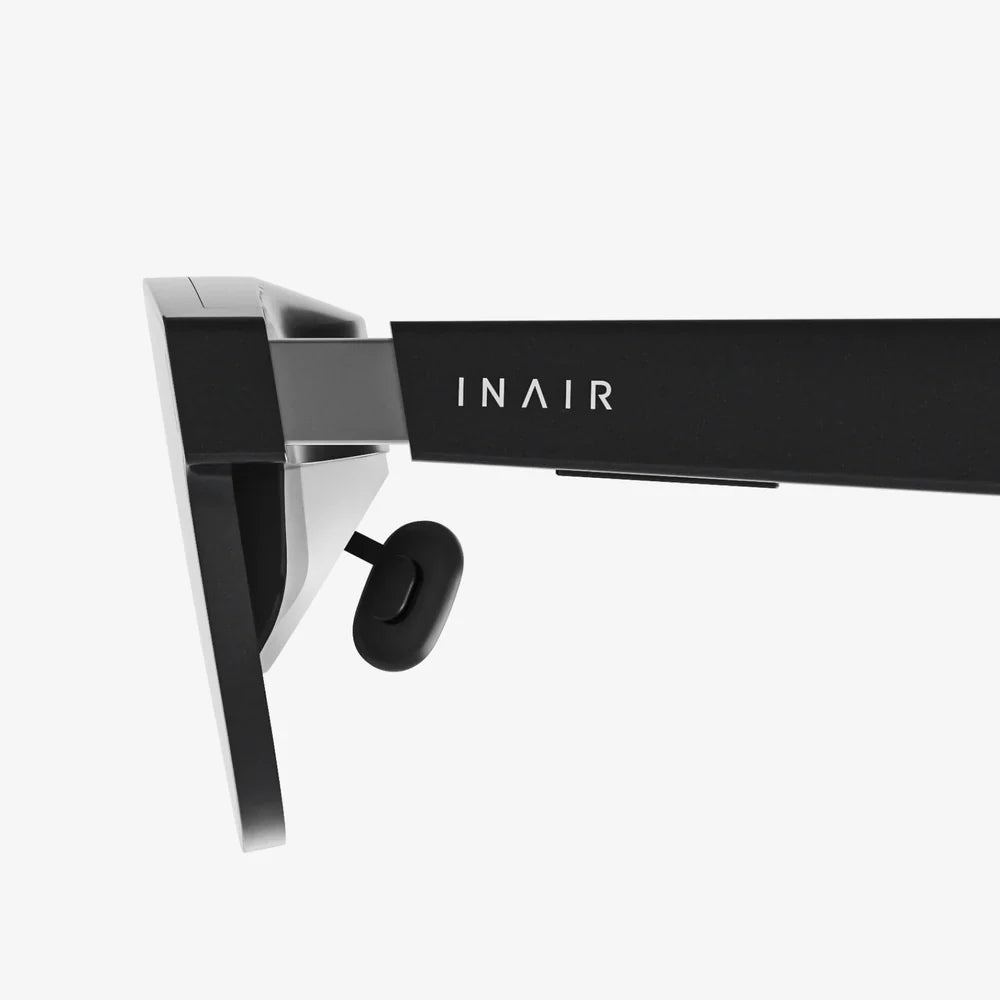
Imagine not just stepping into another world, but having the power to stand at its very crossroads, to witness multiple realities simultaneously, to be the director of your own immersive narrative. This is no longer the stuff of science fiction; it's the breathtaking reality being unlocked by the convergence of two powerful technologies: VR videos and 360 split screen. This fusion is more than a feature; it's a fundamental shift in how we consume, create, and connect within digital spaces, promising an unparalleled depth of experience that is set to redefine immersion itself.
The Foundation: Understanding the Core Technologies
Before we delve into the synergy of their combination, it's crucial to understand the distinct magic each technology brings to the table.
The All-Encompassing World of VR Videos
Virtual Reality videos, particularly those filmed in 360 degrees, are portals. Unlike traditional flat-screen media, they capture an entire spherical environment. When viewed through a headset, this grants the user an unparalleled sense of presence—the visceral feeling of actually being there. You are no longer a passive observer confined to a director's framed shot; you are an active participant within the scene. You can look up at the soaring ceiling of a cathedral, down at the intricate patterns on the floor, and behind you to see what might be lurking in the shadows. This freedom is the cornerstone of immersive media, placing the power of perspective squarely in the hands of the viewer.
The Art of Comparison: What is Split Screen?
Split screen is a classic cinematic and broadcasting technique that divides a single display into multiple discrete sections, each showing a different video feed or perspective. We've seen it for decades in sports broadcasts (showing a wide shot and a close-up replay simultaneously), in video games (for local multiplayer sessions), and in films to build tension by showing multiple characters' reactions at once. Its primary function is comparative viewing. It allows the human brain to process and correlate information from different sources in real-time, creating a richer, more complex understanding of an event or narrative than a single stream could ever provide.
The Revolutionary Fusion: VR Videos Meet 360 Split Screen
Now, imagine taking the immersive, first-person power of a 360-degree VR video and combining it with the analytical, multi-perspective capability of split screen. The result is nothing short of revolutionary.
This technology allows a user inside a VR headset to view not one, but multiple 360-degree environments at the same time. Your field of view within the headset is divided—perhaps into two halves, four quadrants, or a more complex layout. Each segment is a live, fully navigable VR video. You can be standing on the surface of Mars in one panel while simultaneously observing the NASA control room's reaction in another. You can watch a live concert from the perspective of the lead guitarist in one screen and the drummer in another, all while being able to look around each individual stage setup.
Technical Marvel: How Does It Work?
Delivering this seamless experience is a feat of software engineering and data handling. It involves:
- Advanced Media Players: Specialized players capable of decoding and rendering multiple high-resolution, spherical video streams concurrently without a drop in performance or frame rate.
- Synchronization: Keeping these multiple streams in perfect sync is paramount. A delay of even a few milliseconds between panels can break immersion and cause user discomfort. This requires precise clock synchronization and efficient data buffering.
- Resource Management: Processing and displaying multiple 360 videos is incredibly demanding on processing units (CPUs and GPUs). Efficient coding and rendering techniques, such as foveated rendering (which focuses detail only where the user is looking), are often employed to maintain a smooth experience.
- User Interface (UI) & Experience (UX): Designing intuitive controls for users to manage the streams—pausing one, switching audio focus, or resizing panels—is critical. This UI must exist comfortably within the immersive space without being intrusive.
A Universe of Applications: Where This Technology Transforms Experiences
The potential applications for VR videos with 360 split screen are vast, stretching across numerous industries and reshaping professional and recreational activities alike.
Education and Training: The Ultimate Learning Tool
This technology is a pedagogical game-changer. Imagine medical students observing a complex surgical procedure. One screen shows the surgeon's hands-on view of the operation, a second shows the anesthesiologist's vital signs monitor, a third shows a magnified 3D model of the relevant anatomy, and a fourth might show an instructor providing live commentary. The student can absorb the entire context of the procedure in a way that was previously impossible, understanding the interplay between different roles and data points in real-time.
Similarly, mechanics-in-training could see a diagnostic tool's output next to a view under the hood. Emergency response teams can run through multi-faceted disaster simulations where different panels show different crisis points. The depth of situational awareness it provides is unparalleled.
Live Events and Sports: Never Miss a Moment
The frustration of choosing a single camera angle at a live event vanishes. A fan at home with a VR headset could craft their own perfect view of the game. The main screen follows the ball, while smaller panels might be dedicated to their favorite player, the coach's reactions on the sideline, the overhead tactical view, and a live stats feed. For a music festival, you could have a front-row view of the main stage while keeping an eye on the second stage, all without leaving your spot. This puts the production control room in the hands of the viewer.
Social VR and Remote Collaboration
While current social VR platforms allow avatars to interact in a shared virtual space, integrating 360 split screen adds a powerful new layer. A remote design team could collaborate on a project: one screen shows a 3D model they are all manipulating, another shows a shared whiteboard, a third shows a video feed of a physical prototype from a teammate's location, and the fourth panels show the video feeds of all the participants themselves. It creates a holistic collaborative environment that bridges the gap between physical and digital workspaces, making remote interaction feel significantly more present and cohesive.
Storytelling and Cinematic Narratives
Filmmakers and artists are presented with a new, complex canvas. A narrative could unfold by showing the same moment from the perspectives of different characters, forcing the viewer to piece together the full story. A mystery could have clues hidden in different panels. It challenges the very definition of linear storytelling, offering a branching, parallel narrative structure where the audience controls where they focus their attention, potentially leading to different interpretations of the same film.
Challenges and Considerations on the Horizon
Despite its immense potential, the path forward for widespread adoption of VR videos with 360 split screen is not without its obstacles.
- Sensory Overload: The human brain has a limited capacity for attention. Presenting too many compelling visual stimuli at once can lead to fatigue, confusion, and the user missing key information in all panels. Content creators must learn the art of guiding attention effectively within this new medium.
- Technical Barriers: The requirement for high-end hardware to run these experiences smoothly creates a barrier to entry for many consumers. Furthermore, streaming the immense data load of multiple high-fidelity 360 videos demands robust and high-speed internet connections, which are not yet universally available.
- Content Creation Complexity: Producing content for this format is exponentially more complex than filming a single 360 video. It requires planning for multiple angles and narratives that work both independently and cohesively, a significant increase in production cost, time, and editorial skill.
- User Comfort: Any imperfection in synchronization or performance can quickly lead to simulator sickness, a major hurdle for VR in general that is amplified with multiple video streams.
The Future is Multi-Dimensional
As processing power continues to advance according to Moore's Law, and as connectivity leaps forward with the rollout of technologies like 5G and eventually 6G, the technical limitations will gradually recede. We can anticipate a future where this technology becomes more accessible and refined.
Future iterations may include AI-driven panels that automatically focus on the most relevant action or provide supplementary information based on what the user is looking at. We might see dynamic split screens that change layout based on the content's needs. The line between live-action VR video and real-time rendered virtual environments will continue to blur, creating hybrid experiences of unimaginable richness.
The fusion of VR videos and 360 split screen technology is not merely an incremental update; it's a leap into a new paradigm of digital experience. It transforms the user from a visitor in a single world into a god-like observer of multiple dimensions, a collaborator across vast distances, and a student with a front-row seat to every facet of complex operations. It challenges creators to think bigger and audiences to experience deeper. This is the next step in our journey to truly breaking the frame, offering a glimpse into a future where our digital horizons are not just expanded—they are multiplied.
Ready to command your own perspective and see the world from every angle at once? The era of passive viewing is over; the future of immersion demands your active participation, and it's waiting for you to take the helm and explore realities side-by-side in ways you've only ever dreamed possible.
Share:
Console VR: The Living Room Gateway to Virtual Worlds
Headset for Watching Movies: Your Ultimate Guide to Cinematic Audio at Home