


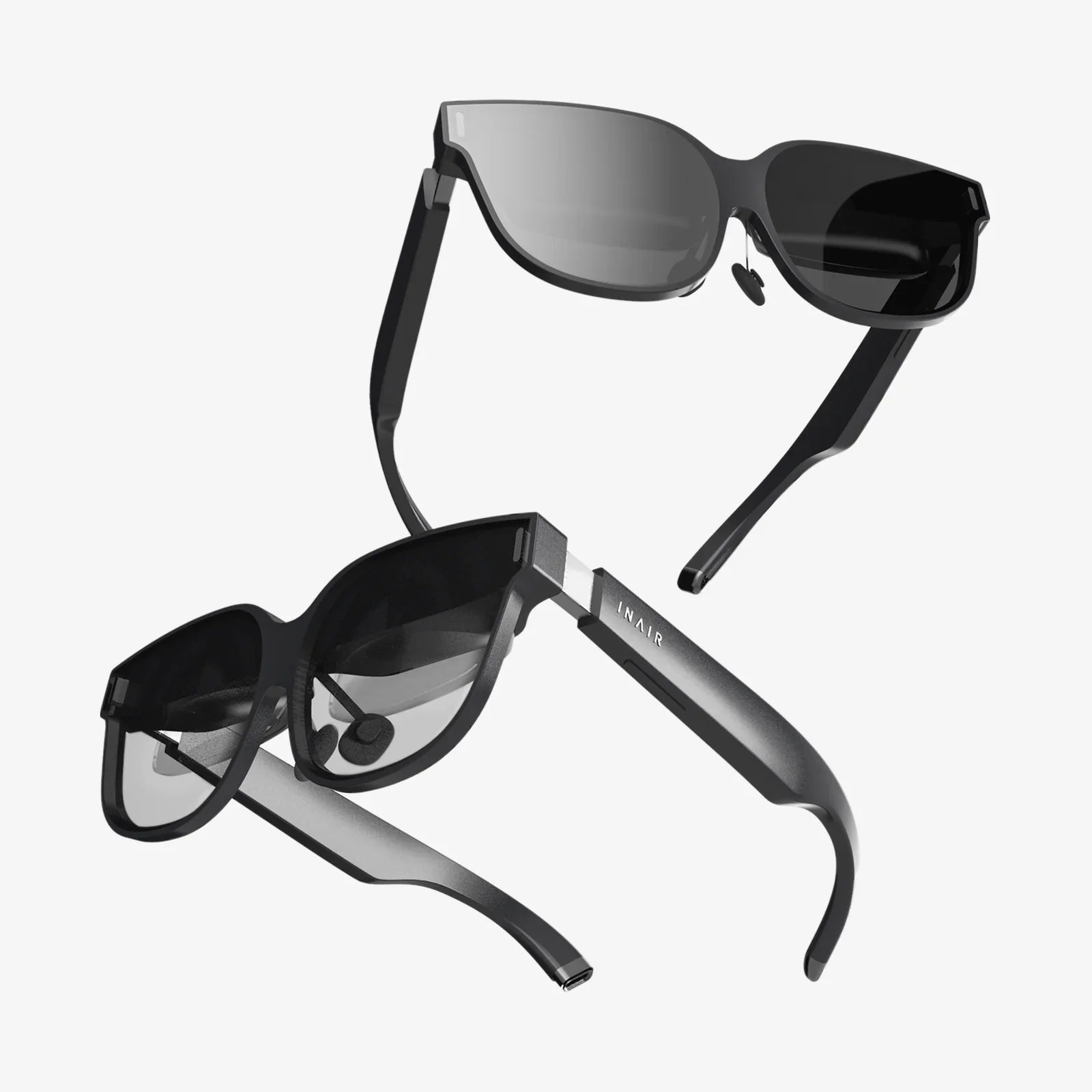
In a world increasingly driven by data and personalization, the buzz surrounding wearable device news today isn't just about the latest gadget; it's a glimpse into a future where technology seamlessly integrates with our very being, transforming how we understand our health, navigate our environments, and interact with the digital realm. The pace of innovation is staggering, moving far beyond simple step counting into a new era of predictive health and ambient computing. If you think you know what wearables are capable of, today's headlines are here to surprise you.
The Evolution Beyond the Wrist: Form Factors Redefining Wearability
For years, the wearable device market was synonymous with the wristwatch. While the wrist remains a dominant and highly accessible location, the most exciting wearable device news today revolves around the explosion of new form factors designed for specific purposes and improved comfort.
Smart Rings: Gaining significant traction, these discreet pieces of jewelry are packed with sensors for sleep tracking, heart rate monitoring, and activity tracking. Their appeal lies in their continuous wearability; unlike a watch, you can sleep, shower, and live with minimal interference. They represent a shift towards less obtrusive, always-on health monitoring.
Smart Clothing and Textiles: The integration of technology directly into fabrics is a monumental leap. We are seeing advancements in shirts that monitor respiratory rate and posture, socks that analyze running gait, and shorts that track muscle activity and fatigue. This embeds biometric sensing into our most natural interface: our clothing, enabling a truly seamless data collection experience.
Hearables: Once simple audio devices, advanced earbuds now incorporate accelerometers for head-tracking, heart rate sensors, and even temperature monitors. Their position in the ear provides a unique vantage point for collecting core body temperature and potentially even monitoring brain activity through novel sensing techniques.
Continuous Glucose Monitors (CGMs) for Wellness: While initially a medical device for diabetics, the conversation in wearable device news today increasingly includes the use of CGMs by biohackers and wellness enthusiasts seeking to understand how their diet and lifestyle affect blood sugar levels in real-time, paving the way for personalized nutrition.
The AI Revolution: From Data Collection to Predictive Insights
The hardware is only half the story. The real transformation in wearable device news today is powered by artificial intelligence and sophisticated algorithms. Raw sensor data—heartbeats, movement, temperature fluctuations—is meaningless without context. AI provides that context, turning numbers into narratives.
Modern wearables are moving from descriptive analytics ("You slept 7 hours last night") to diagnostic ("Your sleep was restless due to elevated nighttime heart rate") and, most importantly, predictive insights ("Based on your heart rate variability and sleep data, you are showing signs of elevated stress; consider a mindfulness session"). This shift is monumental. It empowers users with actionable information, potentially allowing for early intervention before a minor issue becomes a major health problem.
Machine learning models are being trained on vast, anonymized datasets to identify patterns that are invisible to the human eye. They can detect subtle variations in heart rhythm that might suggest the onset of atrial fibrillation, identify changes in skin temperature that correlate with illness, or analyze sleep stages to provide tailored advice for improvement. This is the core of the value proposition in today's wearable device news: intelligence.
The Unstoppable Convergence of Medical and Consumer Health
The line between clinical-grade medical devices and consumer wellness products is blurring at an accelerating rate. This is perhaps the most significant trend in wearable device news today. Regulatory bodies around the world are beginning to grant clearances and approvals for features that were once confined to a doctor's office.
We now have wearables with validated ECG apps that can detect AFib, sensors that measure blood oxygen saturation (SpO2), and devices working towards non-invasive blood pressure and blood glucose monitoring. This democratization of health data is empowering individuals to take a more proactive role in their well-being and providing clinicians with unprecedented longitudinal data from a patient's real life, rather than a single snapshot taken during an annual visit.
This convergence is creating a new category of "prescribable wearables," where a physician might recommend a specific device to a patient to remotely monitor a chronic condition. This has the potential to reduce hospital readmissions, improve patient outcomes, and lower healthcare costs by enabling more preventative and personalized care models.
Privacy, Security, and the Ethical Quandary
With great data comes great responsibility. The proliferation of highly sensitive biometric data collected by wearables raises critical questions that dominate the serious side of wearable device news today. This is no longer just about step counts; it's about your deepest health metrics.
Where is this data stored? Who owns it—you or the company? How is it being used? Could it be sold to third parties, such as insurers or employers? The potential for misuse is significant. There are legitimate concerns about insurance discrimination, data breaches, and the psychological impact of constant health monitoring, which can lead to anxiety or "cyberchondria."
Transparency from manufacturers is paramount. Users must be clearly informed about data practices and given robust controls over their information. Furthermore, as algorithms make more health predictions, questions of liability and accuracy arise. If a device fails to alert a user to a potential heart condition, who is responsible? The industry is grappling with these ethical and legal frameworks as it evolves.
The Future is Seamless and Integrated: A Glimpse on the Horizon
Looking beyond the immediate headlines, the future of wearables points towards even deeper integration. Research and development in wearable device news today hint at technologies that will make current devices seem primitive.
Non-Invasive Biomarker Tracking: The holy grail is a device that can continuously and non-invasively track a wide array of biomarkers—cortisol (stress hormone), lactate, hydration levels, and more. This would provide a incredibly comprehensive picture of a person's metabolic state in real-time.
Brain-Computer Interfaces (BCIs): While still in early stages, non-invasive BCIs, often in the form of headbands, are emerging to monitor focus, meditation states, and even allow for basic control of devices through thought. This could revolutionize fields from healthcare to gaming.
Ambient Computing and Invisible Technology: The ultimate goal is for the technology to fade into the background. This might involve advanced smart fabrics, subdermal implants, or epidermal electronics (ultra-thin electronic tattoos). The device itself becomes invisible, leaving only the benefit of a constant, ambient stream of information and assistance.
Sustainability and Circular Design: As the market grows, so does its environmental footprint. Future-focused wearable device news is starting to highlight efforts in using recycled materials, designing for repairability, and creating modular devices that can be upgraded without replacing the entire unit, moving towards a more sustainable model.
The conversation around wearable device news today is no longer a niche tech discussion; it's a central dialogue about the future of healthcare, personal autonomy, data sovereignty, and the very nature of human-technology symbiosis. The devices on the horizon promise not just to inform us, but to understand us, creating a feedback loop between our bodies and the digital world that could fundamentally enhance human potential. The next time you glance at your wrist, remember—you're just at the very beginning of this incredible journey.
Share:
Best Web AR Examples: A Deep Dive into the Future of Digital Interaction
Best Web AR Examples: A Deep Dive into the Future of Digital Interaction