


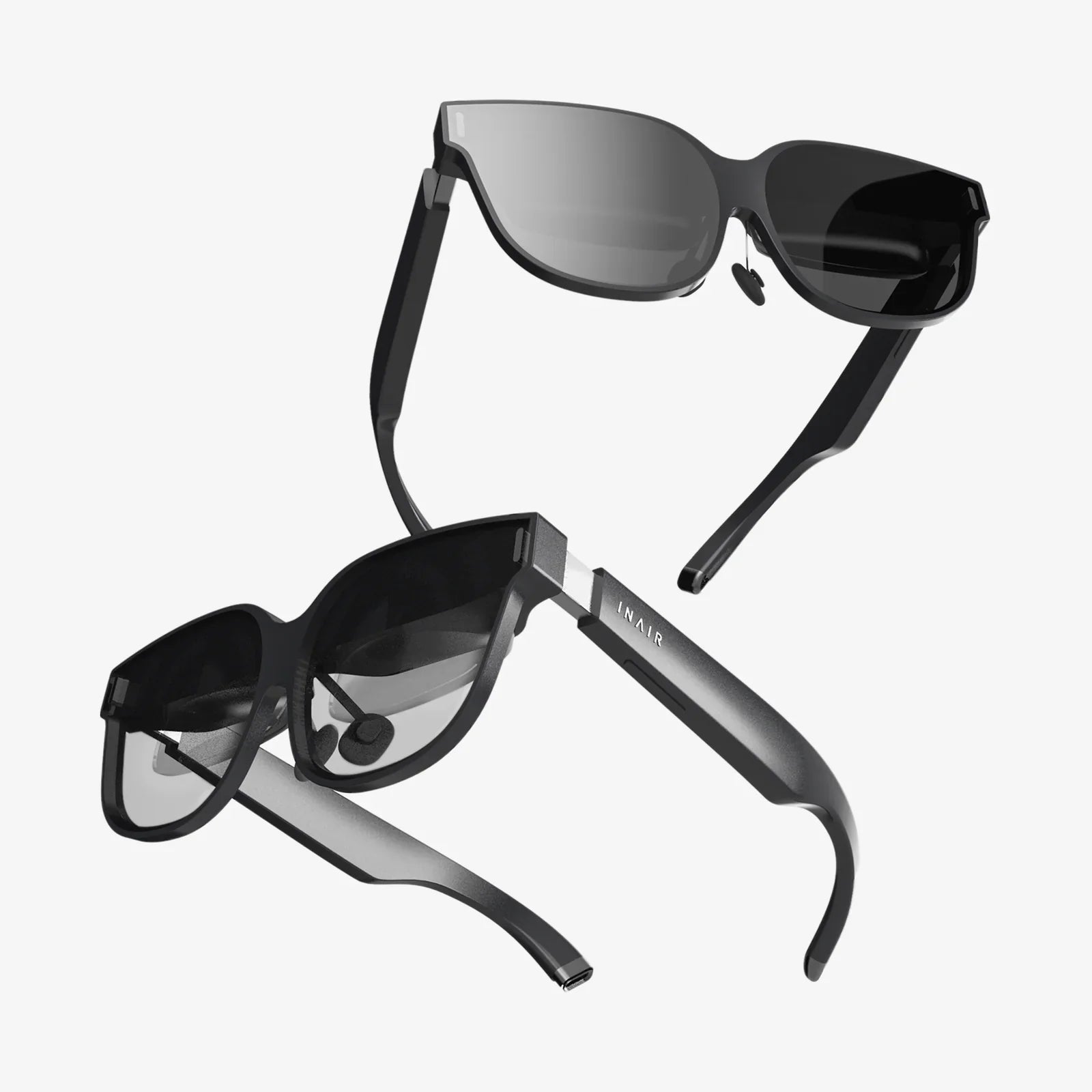
Imagine a world where a simple tap on your wrist or a discreet voice command could summon help, deter an attacker, or notify loved ones of your exact location during an emergency. This is no longer the realm of science fiction but the rapidly evolving reality driven by wearable safety device news. The market for personal security is undergoing a seismic shift, moving from reactive measures to proactive, intelligent, and interconnected systems that empower individuals like never before. The latest headlines aren't just about new gadgets; they signal a fundamental change in how we conceptualize and prioritize our personal safety in an increasingly unpredictable world.
The Expanding Universe of Wearable Safety
Gone are the days when personal safety devices were limited to loud, standalone panic alarms. Today's wearable safety ecosystem is diverse, sophisticated, and seamlessly integrated into our daily lives. The core categories dominating the current news cycle include discreet wearable tech, smart jewelry, and advanced location-based services. These devices are designed not to be obtrusive but to be a natural and constant part of an individual's wardrobe, offering peace of mind without sacrificing style or convenience.
Discreet wearables often take the form of compact keychain fobs, sleek wristbands, or clips that can be attached to clothing or bags. Their primary function is to provide a rapid and inconspicuous method of alerting pre-selected contacts or a monitoring center during a crisis. The news surrounding these devices frequently highlights their improved battery life, more robust connectivity options like LTE-M and NB-IoT for broader coverage, and enhanced durability to withstand everyday wear and tear.
Smart jewelry represents the most significant fusion of fashion and function. Rings, necklaces, and bracelets embedded with sophisticated safety technology are making headlines for their ability to conceal powerful features within aesthetically pleasing designs. This trend is crucial for market adoption, as it removes the stigma of wearing a obvious "safety device" and makes proactive protection a stylish choice. Recent innovations in this space include the use of precious metals, customizable designs, and touch-sensitive surfaces that can activate an alarm with a specific gesture.
Cutting-Edge Technology Driving Innovation
The most exciting wearable safety device news revolves around the integration of advanced technologies that transform simple alerts into intelligent protection systems. Artificial Intelligence (AI) and machine learning are at the forefront, enabling devices to learn from user behavior and potentially detect anomalies that suggest distress.
For instance, some of the latest prototypes feature fall detection algorithms that can discern between a simple trip and a serious collapse, automatically triggering an alert if the user is unresponsive. Other devices are experimenting with audio analytics; they can listen for specific keywords like "help" or detect aggressive tones and shouting, prompting the device to ask the user if they are okay or to initiate a call for assistance.
GPS and location technology have also seen dramatic improvements. Early devices struggled with accuracy, especially indoors. Modern wearables now combine GPS with Wi-Fi positioning, Bluetooth beacons, and even ultra-wideband (UWB) technology to provide location accuracy within a few feet. This is critical for emergency responders who need to find someone quickly inside a large building, parking garage, or dense urban area. Furthermore, the latest news often highlights the inclusion of multiple global navigation satellite systems (GNSS) like GLONASS and Galileo, ensuring reliable tracking anywhere on the globe.
Connectivity is the backbone of any safety device. The industry is rapidly moving away from a reliance solely on Bluetooth, which tethers a device to a smartphone. The new standard is independent cellular connectivity, often via low-power wide-area networks (LPWAN) that allow devices to operate for weeks or months on a single charge while maintaining a constant, standalone connection to the cloud. This ensures that the device functions even if a smartphone is broken, out of battery, or out of range.
Key Features Redefining User Expectations
As the technology matures, the benchmark for what constitutes a top-tier wearable safety device has been raised. Consumers now expect a suite of features that work in concert to provide comprehensive protection.
- One-Touch Emergency SOS: The fundamental feature remains the ability to instantly send an alert with your live location to emergency contacts and, in many premium services, a professional monitoring center that can assess the situation and dispatch the appropriate help.
- Geofencing and Safe Zones: Users can define geographical boundaries, such as their neighborhood or workplace. The device can then send alerts if the wearer enters or leaves these zones, a feature particularly popular for parents monitoring children or caregivers looking after elderly relatives with dementia.
- Discreet Activation: Recognizing that overtly reaching for a device can escalate a situation, manufacturers are implementing stealth modes and disguised activation methods. This can include squeezing a device, tapping it in a specific sequence, or using a voice command that appears innocuous.
- Two-Way Communication: High-end devices now incorporate built-in speakers and microphones, allowing a monitoring agent or emergency contact to listen to the surroundings and speak directly to the user (and any potential threat) without the need for the user to hold a phone.
- Wellness Checks and Routine Monitoring: Expanding beyond emergency response, many devices now offer daily check-in features. If a user doesn't confirm they are safe by a certain time, the device will automatically escalate to their emergency contacts.
The Critical Role of Software and Subscription Services
A recurring theme in wearable safety device news is the shift in business models. The hardware is often just the entry point. The true value and functionality are increasingly locked behind subscription-based software platforms. These services typically provide the critical link to emergency monitoring centers, cloud storage for location history, advanced app features, and continuous software updates.
This model presents both an opportunity and a challenge. It ensures a recurring revenue stream for companies to fund ongoing development, customer support, and the costly infrastructure of 24/7 professional monitoring. For the consumer, it means their device can improve over time with new features pushed via software updates, but it also creates an ongoing cost of ownership. The latest industry analyses often debate the sustainability of this model and the emergence of more flexible, tiered subscription plans to cater to different user needs and budgets.
Addressing the Challenges: Privacy, Accessibility, and False Alarms
With great technological power comes great responsibility, and the wearable safety industry faces significant hurdles. Privacy is the most prominent concern. These devices collect highly sensitive data, including real-time location, audio snippets, and daily routines. Reputable companies are making news by adopting end-to-end encryption, transparent data policies that clearly state what is collected and who it is shared with, and giving users full control over their data. The industry is moving towards a principle of "data minimization," collecting only what is absolutely necessary to provide the service.
Accessibility and inclusivity are also major focus areas. Early devices were often designed with a narrow user base in mind. Current development is more conscious of designing for the elderly, people with disabilities, and marginalized communities. This includes devices with larger buttons, clearer audio, compatibility with hearing aids, and features tailored to specific threats these groups may face. Furthermore, pricing remains a barrier. While costs are decreasing, the combination of hardware and subscription fees can be prohibitive, leading to calls for insurance subsidies or employer-provided programs as a benefit.
Finally, the problem of false alarms remains a thorny issue. Accidentally triggered alerts can drain the resources of monitoring centers and emergency services. The industry is combating this with better design—recessed buttons, confirmation sequences—and smarter software that requires a secondary confirmation or uses AI to analyze context before dispatching authorities.
The Future Horizon: What's Next in Wearable Safety
The pace of innovation shows no signs of slowing. The next wave of wearable safety device news is likely to feature even more profound integrations. Biometric sensors are poised to become standard, monitoring vitals like heart rate variability and skin temperature to detect signs of extreme stress or medical events like heart attacks. True integration with smart home and city infrastructure is another frontier; imagine a device that could trigger street lights to brighten or smart locks to secure doors as you approach.
Blockchain technology is being explored for creating immutable, secure logs of incidents for legal proceedings. Furthermore, the expansion of these devices into enterprise and institutional settings is a massive growth area. Companies are providing them to lone workers, university students, hospital staff, and hospitality workers, creating safer environments and mitigating corporate liability.
The conversation around wearable safety is evolving from a niche concern to a mainstream discussion about a fundamental human right. The latest news cycles are less about the novelty of the technology and more about its impact, accessibility, and ethical implementation. This marks the maturation of an industry that is fundamentally changing the landscape of personal security.
This isn't just about buying a gadget; it's about embracing a new layer of connected security that fits on your wrist, around your neck, or in your pocket. The next headline could announce a breakthrough that makes our current technology seem primitive, pushing the boundaries of what's possible in keeping ourselves and our loved ones safe. The future of personal safety is not just wearable—it's intelligent, connected, and empowering, and it’s arriving faster than anyone predicted.
Share:
Smart Glasses for Business Use: The Next Frontier in Enterprise Productivity
Smart Glasses for Business Use: The Next Frontier in Enterprise Productivity