


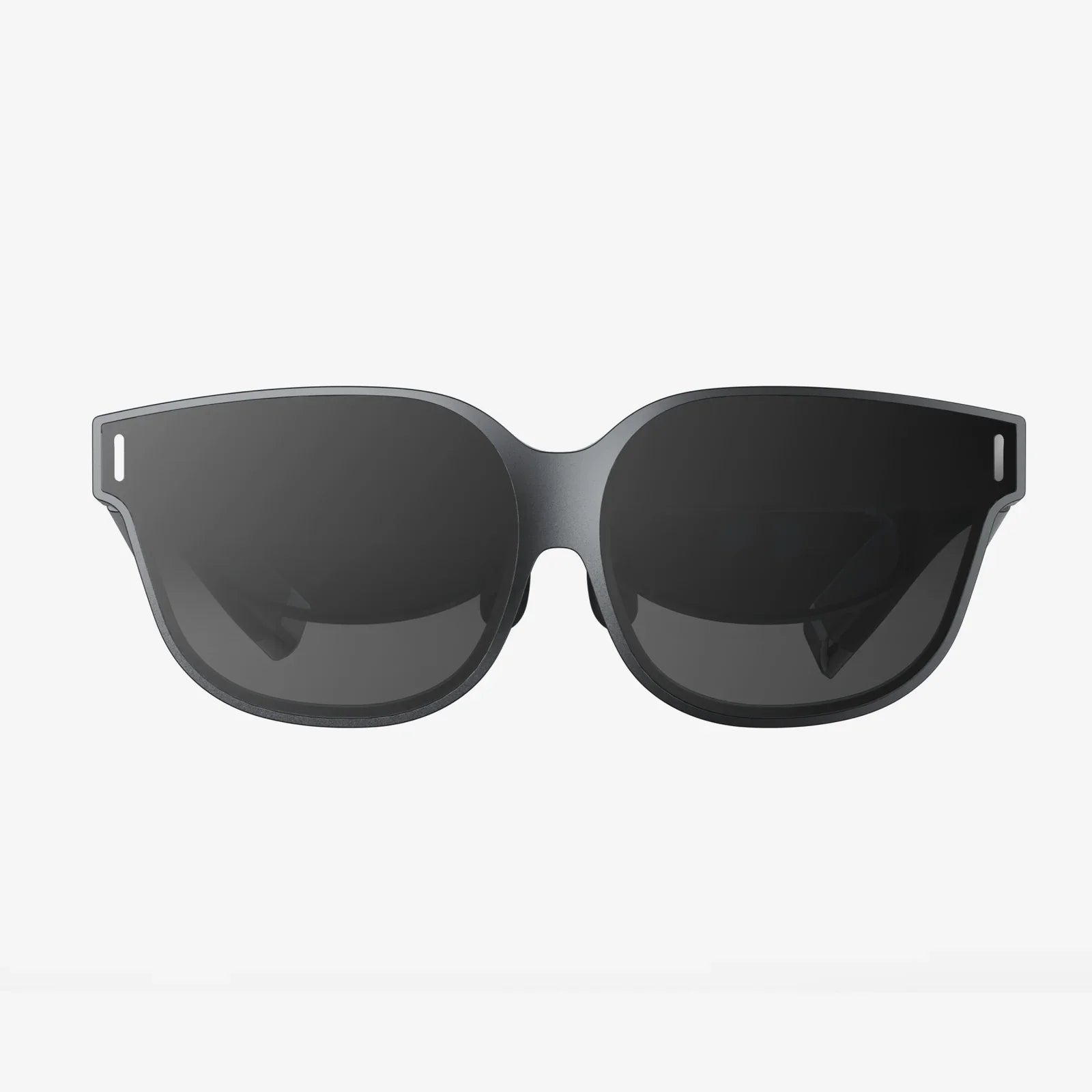
Imagine a world where your watch doesn't just tell time, but tells you you're about to get sick; where your ring tracks the quality of your sleep and your shirt monitors your muscle exertion during a workout. This is no longer the realm of science fiction. It is the present reality, meticulously crafted by a dynamic and fiercely competitive landscape of wearable tech brands. These companies are not merely selling gadgets; they are selling a new layer of human existence, a digital skin that connects our biological selves to the vast, invisible world of data. The race is on, and the stakes are nothing less than the future of how we live, work, and understand our own bodies.
From Novelty to Necessity: The Meteoric Evolution of a Market
The journey of wearable technology is a testament to rapid innovation. What began as clunky, single-function devices like basic step counters has exploded into a sophisticated ecosystem of interconnected gear. Early pioneers focused on fitness, creating dedicated bands that synced with our smartphones to give us a rudimentary picture of our daily activity. This was the proof of concept—the moment consumers realized the potential of quantified self.
This initial success sparked an arms race. Wearable tech brands quickly realized that to move from a niche hobby to a mainstream essential, the technology had to become more seamless, more powerful, and infinitely more useful. The integration of heart rate monitors, GPS, and accelerometers turned simple trackers into comprehensive health and fitness hubs. Then came the smartwatch, a category that truly blurred the line between accessory and computer. It consolidated notifications, music control, and payment systems onto our wrists, making the technology indispensable to daily life.
Today, the market has fragmented into a dazzling array of specialized devices. We have hearables that translate languages in real-time, smart rings that prioritize minimalist, continuous health tracking, smart glasses that overlay digital information onto the physical world, and advanced biosensors woven directly into clothing. This evolution from a single-purpose tool to a multi-faceted platform is the central narrative driving every major player in the space.
Beyond the Wrist: The Expanding Universe of Wearable Form Factors
While the wrist remains the dominant real estate for wearables, innovative brands are exploring new territories on and even inside the human body.
The Smartwatch: Your Command Center
The smartwatch remains the flagship product for many. It's the most personal of personal computers. For most users, it serves as a triage unit for digital life—filtering notifications, allowing quick replies, and controlling other smart devices. However, its primary power now lies in health. Continuous ECG monitoring, blood oxygen saturation (SpO2) tracking, advanced sleep analysis with temperature sensing, and even stress tracking through heart rate variability (HRV) have become standard offerings. Leading wearable tech brands are pouring resources into obtaining regulatory approvals for these features, positioning their devices not as fun gadgets, but as serious health partners.
The Fitness Tracker: The Focused Specialist
Dedicated fitness trackers have not disappeared; they have evolved. They often offer longer battery life and a more focused, less distracting experience than a full-featured smartwatch. They cater to the serious athlete who wants granular data on their performance metrics—VO2 Max estimates, recovery time advice, and real-time pace and distance—without the constant ping of emails. They also serve as a more affordable entry point into the world of health tracking.
The Smart Ring: Discreet and Continuous
Emerging as a powerful competitor is the smart ring. Its greatest advantage is its form factor. Worn 24/7, even during sleep, it provides unparalleled continuous data collection without the need to charge daily. It excels at passive health monitoring—tracking sleep stages, resting heart rate, and body temperature trends with clinical-grade accuracy. For those who find a watch uncomfortable to sleep in or who desire a more jewelry-like aesthetic, the ring represents the ultimate in minimalist, always-on wellness tech.
Hearables: More Than Just Music
Wireless earbuds have become ubiquitous, but they are rapidly becoming sophisticated wearables in their own right. Active Noise Cancellation (ANC) creates personalized auditory environments. Transparency modes blend digital audio with real-world sound. Advanced models now incorporate accelerometers for head-tracking spatial audio and even integrated heart rate sensors, turning a music session into a tracked workout. The ear is also an ideal location for integrating AI assistants, allowing for private, always-available voice commands.
The Next Frontier: Smart Clothing and Bio-Implants
The future is literally being woven into the fabric of our lives. Smart clothing with embedded sensors can provide biomechanical feedback during exercise, monitor posture throughout the workday, or even measure ECG signals more accurately than a wrist-based device. Further out on the horizon are subdermal implants and electronic tattoos, which promise truly seamless integration, potentially monitoring blood chemistry or acting as digital keys and identifiers. These technologies push the very definition of a wearable, moving towards a future of embeddables.
The Core Battleground: Health, Wellness, and the Medical Frontier
The most significant impact of wearable tech brands is undoubtedly in the realm of health. This is where the value proposition shifts from convenience to potentially life-saving intervention.
Consumer devices are now capable of detecting serious medical conditions. Atrial Fibrillation (AFib) detection through ECG apps is perhaps the most famous example, with studies showing high accuracy compared to medical-grade equipment. Fall detection with automatic emergency SOS calling has become a critical feature for elderly users. The ongoing development of non-invasive blood glucose monitoring represents a holy grail for diabetics and a monumental achievement for the entire industry.
This push into medical-grade data is a deliberate strategy. Wearable tech brands are actively seeking certifications from bodies like the FDA (U.S. Food and Drug Administration) and CE (Conformité Européenne). This not only validates their technology's accuracy but also allows them to market these features for specific health purposes, opening doors for partnerships with healthcare providers and insurance companies. The vision is a shift from reactive sick-care to proactive health-care, where continuous data can help predict and prevent illness before it strikes.
The Invisible Engine: Data, AI, and the Ecosystem Lock-In
The physical device is only half the story. The true value, and the primary source of customer retention for wearable tech brands, lies in the data platform and the artificial intelligence that interprets it.
A device that simply collects raw data is useless. The magic happens when algorithms analyze sleep patterns to offer personalized advice, when trends in HRV suggest you need more recovery, or when a workout program automatically adjusts based on your perceived exertion. This AI-driven personalization is what creates a sticky ecosystem. Users become invested in their historical data, their trends, and the personalized insights they receive.
This creates a powerful lock-in effect. Once a user has years of health data stored within a specific brand's ecosystem, switching to a competitor becomes a significant hurdle. Their data history, their personalized metrics, and their established routines are all tied to that platform. This is why major tech giants invest so heavily in their wearable offerings—it is a gateway into the most personal layer of a user's digital life, creating an unbreakable bond between consumer and brand.
The Elephant in the Room: Privacy, Security, and Ethical Quandaries
With great data comes great responsibility—and immense risk. The business model of wearable tech brands is inherently double-edged. The most intimate details of our lives—our heart rhythms, sleep habits, location history, and even our fertility windows—are being collected, stored, and analyzed.
The questions are profound. Who truly owns this data? Is it the user or the company? How is it being anonymized and aggregated? Could it be sold to third parties, such as insurance companies or employers, potentially leading to discrimination based on health metrics? The security of this data is also paramount; a breach of a wearable company's servers would be a catastrophic leak of deeply personal information.
Furthermore, the constant monitoring can lead to mental health issues like orthosomnia—an unhealthy obsession with achieving perfect sleep data—or heightened health anxiety from constant physiological feedback. The ethical imperative on wearable tech brands is immense. They must practice radical transparency, implement ironclad security, and give users complete control over their data. Trust is their most valuable currency, and once spent, it is nearly impossible to regain.
The Future is Sensing: What’s Next for Wearable Tech?
The trajectory is clear: wearables will become more integrated, more intelligent, and more predictive. We are moving towards a world of context-aware computing, where your devices will understand your environment and your body's state without you needing to ask.
Future devices will incorporate a wider array of environmental sensors—measuring air quality, UV exposure, and allergens. Haptic feedback will become more sophisticated, allowing for nuanced notifications and even digital touch communication. The convergence of Augmented Reality (AR) glasses and advanced hearables will create a spatial computing experience, overlaying a digital layer onto our perception of reality.
Ultimately, the goal is to make the technology disappear. The endgame for wearable tech brands is not a better screen or a longer battery life; it is a state of ambient computing where technology fades into the background, silently working to augment our human capabilities, protect our health, and connect us to our world in ways we are only beginning to imagine. The device itself will become incidental; the intelligence and connection it provides will be everything.
The most successful wearable tech brands of tomorrow won't be the ones with the most features, but the ones that build unwavering trust, demonstrate tangible health outcomes, and seamlessly weave their technology into the fabric of human life, making us healthier, safer, and more connected without us ever having to think about it. The revolution is already on your wrist, in your ears, and on your finger—and it’s just getting started.
Share:
Small VR Goggles: The Ultimate Guide to Compact Virtual Reality
Augmented Reality Tabletop AR: The Future of Board Games is Here